Yana Skakun
Spring Engagement Photography Ideas: Blossom, Wildflowers & Golden Light
By Yana Skakun·12 March 2026·6 min read
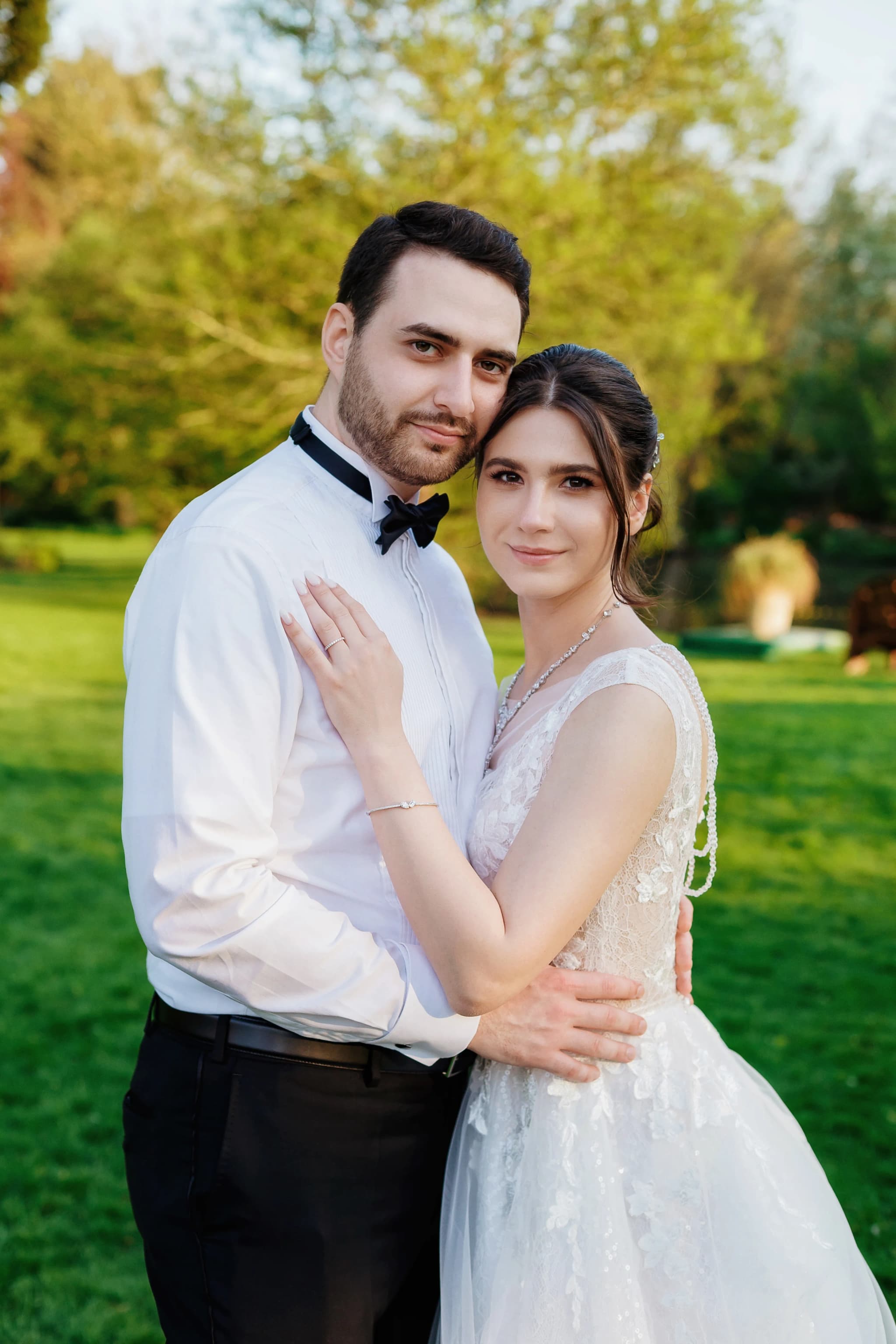
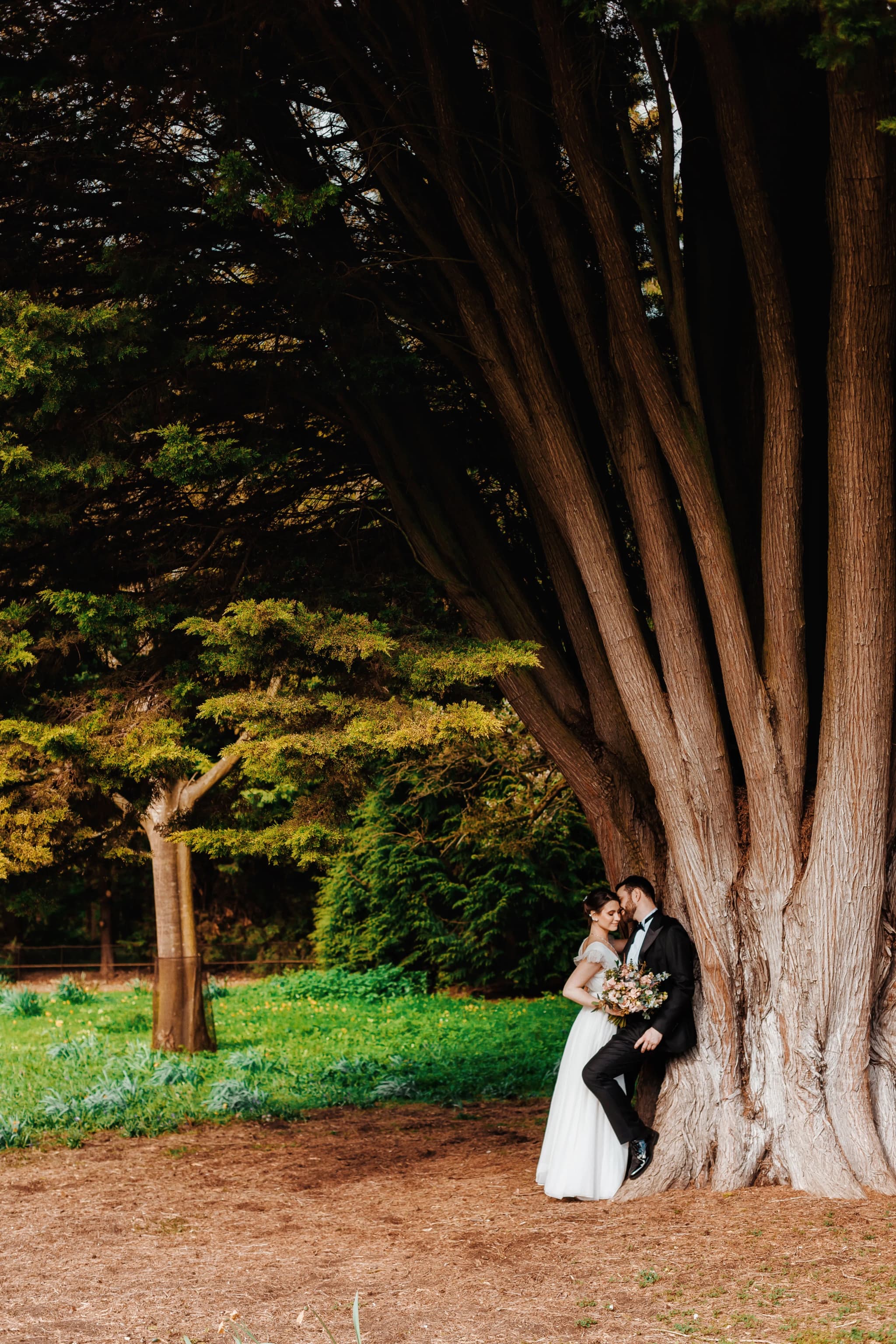
Spring engagement sessions are among my favourite things to photograph all year. There is a particular magic to the season — blossom trees in their brief, glorious bloom, wildflower meadows just beginning to fill in, bluebell woods that smell as beautiful as they look, and that unmistakable feeling of emergence and possibility that only arrives in April and May. When a couple steps into that landscape together, what you end up capturing is not just two people standing for a photograph, but the full aliveness of the season happening around them at the exact moment their relationship is being celebrated. For couples planning a wedding in Cambridgeshire or the wider East Anglia area, a spring engagement session is also a wonderfully practical thing to build into the run-up to the big day — a lower-pressure, genuinely enjoyable session that gives you images for save-the-dates, a guest book, or simply a set of photographs of the two of you before the wedding planning takes over everything else.
Why Spring Works So Well for Engagement Photography
There are practical and aesthetic reasons spring sits alongside autumn as my favourite season for couple sessions. The light is doing something genuinely useful for most of the day rather than only at the extreme ends of it. Because the sun has not yet reached its high summer angle, spring light stays gentler and lower for longer stretches of the afternoon, which means fewer harsh shadows under eyes and noses and a softer, more flattering quality across the whole session rather than a narrow golden-hour window either side of a difficult midday.
Temperature matters more than people expect. Couples who book high summer sessions are often visibly too warm by the second location — flushed, squinting, reaching for water. Couples who book deep winter sessions are usually fighting the cold, holding tension in their shoulders that shows up in every frame. Spring, particularly from mid-April onwards, tends to sit in that comfortable middle ground: cool enough to wear a jacket without wilting, warm enough that thirty or forty minutes outdoors does not become an endurance exercise. That comfort translates directly into how relaxed you both look in the images.
The seasonal backdrops themselves are also simply extraordinary and, crucially, temporary. Bluebells last a matter of weeks. Blossom lasts days. A wildflower meadow at its fullest is a fleeting thing that will look completely different a month later. Building a session around one of these windows means the photographs are tied to a specific, unrepeatable moment in the landscape, which gives them a quality that a session shot against an evergreen hedge in November simply cannot replicate. And on a more practical note, popular outdoor locations around Cambridge are markedly quieter on a weekday spring morning than they are on a July Saturday, which matters enormously when you are trying to find a stretch of path or meadow without dozens of other visitors in the background.
The Best Spring Locations Around Cambridge
Cambridgeshire is genuinely well suited to spring photography, and I have a handful of locations I return to every year because they consistently deliver.
Bluebell woods. The bluebell season in this part of England typically runs from late April into the first half of May, and a handful of ancient woodlands within reach of Cambridge put on a proper display — woodland floors turned a hazy violet-blue as far as you can see, with shafts of early light falling through a canopy that has not yet fully closed over for summer. The light under the trees at this time of year is usually soft, even, and forgiving, which makes it one of the most reliable settings I know for relaxed, intimate portraits. I keep a close eye on how each wood is coming along from early April, because the peak can shift by a week or more depending on how mild or cold the preceding month has been, and I would rather move a booking a few days than shoot a wood that has already gone over.
Cherry and apple blossom. Peak blossom around Cambridge lasts perhaps two weeks at the very most, sometimes closer to ten days if there is a spell of wind or heavy rain. Within that narrow window, though, the photography possibilities are extraordinary — mature blossom trees in the Cambridge college gardens and along the Backs, avenues of ornamental cherry in the city's parks, and orchard trees out in the surrounding villages all offer pale pink and white canopies either framing a couple or drifting down around them. On a breezy afternoon the petals genuinely fall like confetti, and a handful of frames from that shower effect tend to become people's favourite images from the whole session.
Wildflower meadows and country parks. By May, the meadow areas at several of the country parks and nature reserves around Cambridge start filling in properly — cow parsley along the hedgerows, drifts of wild garlic in the damper, shadier spots, buttercups turning whole fields gold, and later in the month the first poppies appearing at the meadow edges. Walking through grass that reaches the knee, with a couple genuinely talking and laughing rather than posing, produces some of the most natural, movement-filled images I take all year. These locations also tend to have good access and parking, which matters if either of you is not keen on a long walk in good shoes.
The Cambridge college gardens and the Backs. For couples who want the city itself in the frame, late spring is arguably the best time of year to be photographed along the Backs. The willows are freshly leafed out in bright new green, the college gardens are in their tidiest and most colourful state of the year, and the river has usually settled after the winter rains. It is a setting that reads as unmistakably Cambridge without needing to lean on any of the more obvious tourist views, and it pairs particularly well with a second, quieter location later in the session for a change of pace.
Farmland and the wider countryside. Further out from the city, the rapeseed fields that come into flower across Cambridgeshire farmland in May create a vivid, almost unreal yellow backdrop that photographs beautifully against a blue sky. Green fields bordered by hawthorn hedges thick with white blossom, old brick bridges over streams still running high from spring rain, and quiet farm tracks all give a session a properly rural, unhurried feel that contrasts nicely with a city-based option if you are considering two locations in one afternoon.
What to Wear for a Spring Session
Clothing choices make a real difference to how a spring session reads, and it is worth thinking about before the day rather than working it out in the car park. My general advice is to dress in layers you can adjust through the session — a jacket or cardigan that can come off if the sun comes out, and something warm enough underneath that you are not shivering if it stays overcast. Fabrics that move with you photograph far better than anything stiff; a dress or shirt with some drape catches the breeze in a way that adds life to an image, whereas very structured fabric tends to look static.
On colour, spring tones — dusty rose, sage green, soft butter yellow, pale blue — sit beautifully within the season's palette without competing with it, and gentle floral prints work well against blossom or meadow backdrops for exactly the same reason. Neutral and earth tones are just as reliable and have the advantage of working against almost any backdrop we choose, from woodland to riverbank to college garden. I would steer away from very busy or high-contrast patterns, which tend to pull the eye away from your faces and can date a photograph more quickly than a simpler outfit would.
Footwear matters more than most couples expect going in. If the plan includes any woodland, meadow, or riverside walking, comfortable shoes that can handle uneven or damp ground make an enormous difference to how relaxed you both look, because nobody photographs well while concentrating on not turning an ankle. Beautiful shoes are not off the table — they can always go back on for a handful of stationary portraits at the end — but I would not recommend wearing them for the whole session if we are covering any real distance.
Timing Your Session for the Best Light
Late spring gives you a genuinely generous golden hour, typically falling somewhere around half past seven to half past eight in the evening by May, with warm, low light that lasts far longer than it does in high summer. An evening session timed to finish as the light turns is a lovely, relaxed option, particularly if you want to build in a picnic or a drink afterwards as part of the occasion rather than treating the photographs as a standalone appointment.
Morning sessions deserve serious consideration too, even though they ask more of you in terms of an early start. A clear morning in April or May, arriving somewhere for around seven o'clock, gives you light that is low, clean, and slightly blue-toned before the sun properly warms up, with dew still sitting on the grass and flowers and almost nobody else around. It sounds like an ambitious ask for a Saturday, but the resulting images consistently look closer to paintings than photographs, and couples who choose the early option rarely regret it once they see the results.
Whichever time of day you choose, I always build a little flexibility into spring bookings specifically because of how weather-dependent the season can be. A sudden late frost, a stretch of heavy rain, or an unusually early or late blossom can all shift the ideal date by several days, and I would rather move a session by a week than shoot it against a backdrop that has already passed its best.
Ready to plan your spring engagement session?
I would love to help you find the perfect springtime location around Cambridge and create a set of images you will treasure long after the season has moved on.
Get in touch to check availabilitySpring in Cambridgeshire moves quickly, and the individual backdrops within it — bluebells, blossom, freshly leafed willows along the Backs, a meadow just coming into flower — each have their own short window before they give way to the next. An engagement session timed to one of these moments captures more than a portrait of the two of you; it captures a specific, unrepeatable point in the landscape and in your relationship, taken together. If you have a date in mind, or simply want advice on which part of spring would suit the two of you best, get in touch and I will help you plan a session around whichever week of the season looks most promising this year.


Yana Skakun
Photographer · England
Professional wedding, family and portrait photographer based in England. Passionate about capturing authentic emotions and timeless moments.
About Yana →spring engagement photos UKpre-wedding spring shootengagement photographer spring England
Wedding Tips — Wedding Photography in Cambridge & England
Yana Skakun is a professional wedding photographer based in Cambridge, covering weddings across England — from intimate elopements to full-day ceremonies at country houses, barns, and city venues. Every couple receives a relaxed, documentary approach that captures the day as it truly unfolds. This guide — Spring Engagement Photography Ideas: Blossom, Wildflowers & Golden Light — is part of the photography journal: practical, experience-based advice drawn from real sessions across England. Whether you arrived searching for spring engagement photos uk or pre-wedding spring shoot, the same care and attention shapes every session Yana photographs.
Wedding Photography sessions are available year-round, with bookings open across Cambridge, Ely, Huntingdon, Peterborough, and further afield — East England, London, the Midlands, and beyond. If you have specific questions about engagement photographer spring england, mention it in your enquiry. Get in touch through the contact form above to check availability and discuss your session. Enquiries are welcomed from anywhere in the UK.
Frequently Asked Questions
How much does a wedding photographer cost in England?+
Wedding photography in England typically ranges from £1,500 to £4,000+ for a full day. Price depends on experience, coverage hours, and whether albums or engagement shoots are included. Most photographers charge between £2,000–£3,000 for 8–10 hours of coverage.
How early should you book a wedding photographer?+
For peak season (May–September), book 12–18 months in advance. For autumn and winter weddings, 9–12 months is usually sufficient. Popular photographers at popular venues fill up fast — as soon as you have a date and venue confirmed, start reaching out.
How many photos do you get from a wedding photographer?+
Most professional wedding photographers deliver 400–800 edited images for a full-day wedding. The exact number depends on coverage hours, how many guests there are, and the photographer's editing style. Quality matters more than quantity — a curated gallery of 500 images tells the story better than 1,500 unedited files.
Do you need a second photographer at your wedding?+
A second photographer is helpful if you want simultaneous coverage of getting-ready moments in different locations, multiple angles during the ceremony, or more candid coverage during the reception. It adds cost but significantly increases the variety and completeness of your gallery.
What is the difference between documentary and editorial wedding photography?+
Documentary (reportage) wedding photography captures moments as they happen — the photographer observes and doesn't intervene. Editorial photography involves deliberate direction: placing you in good light, shaping compositions, creating intentional portraits. Most photographers blend both styles throughout the day.
Continue Reading
Related Articles

Wedding Tips
Sustainable Eco-Friendly Wedding Guide — Planning a Green Celebration
15 min read · Read Article
Wedding Tips
Trash the Dress Session — Complete Planning and Photography Guide
14 min read · Read Article
Wedding Tips
Client Communication for Photographers — From Enquiry to Gallery Delivery
15 min read · Read Article
Get in Touch
Ready to Book Your Session?
Get in touch to discuss your vision — I'll reply within 24 hours.