Yana Skakun
Spring wedding photography in England: What makes it magic
By Yana Skakun·18 April 2026·6 min read
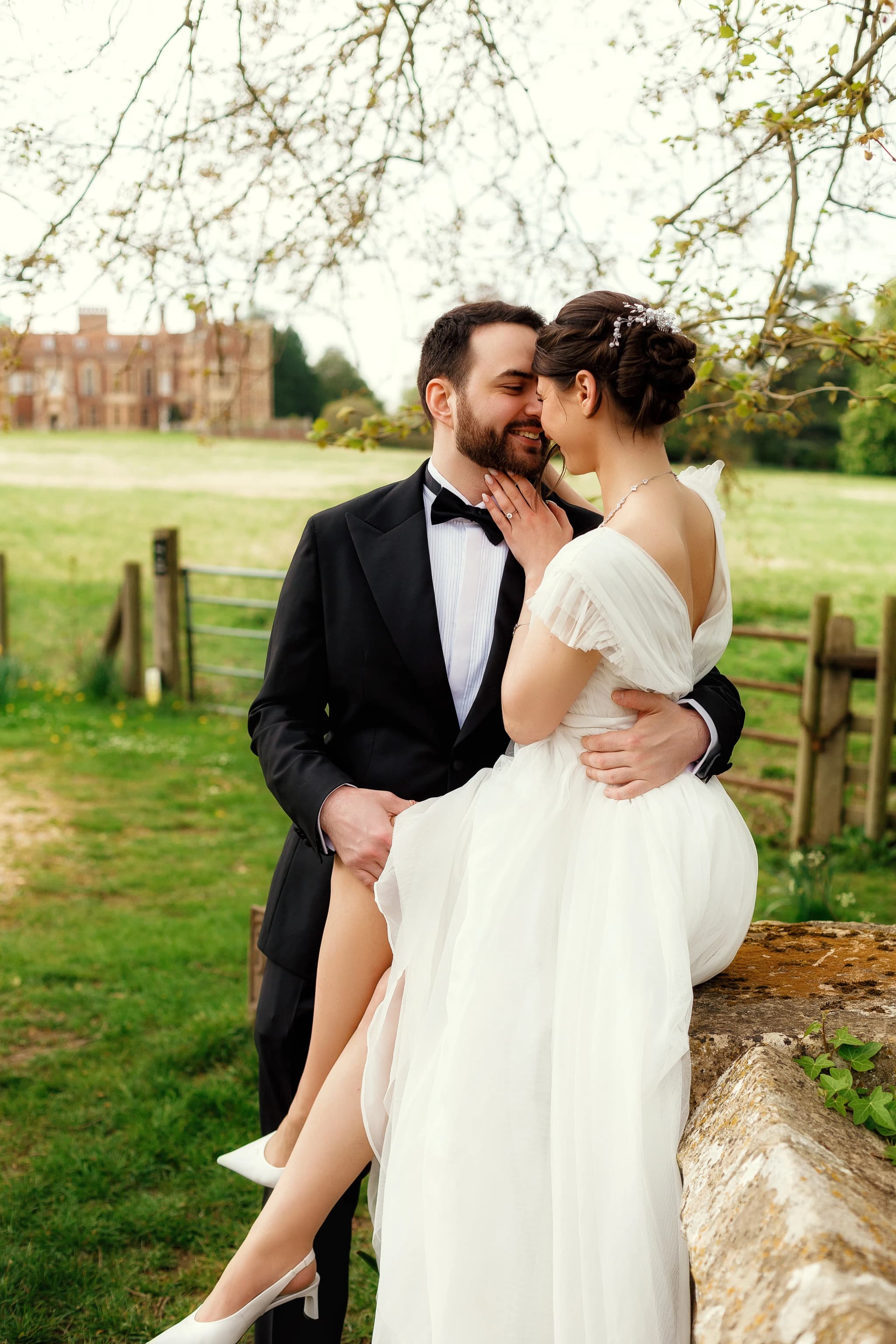
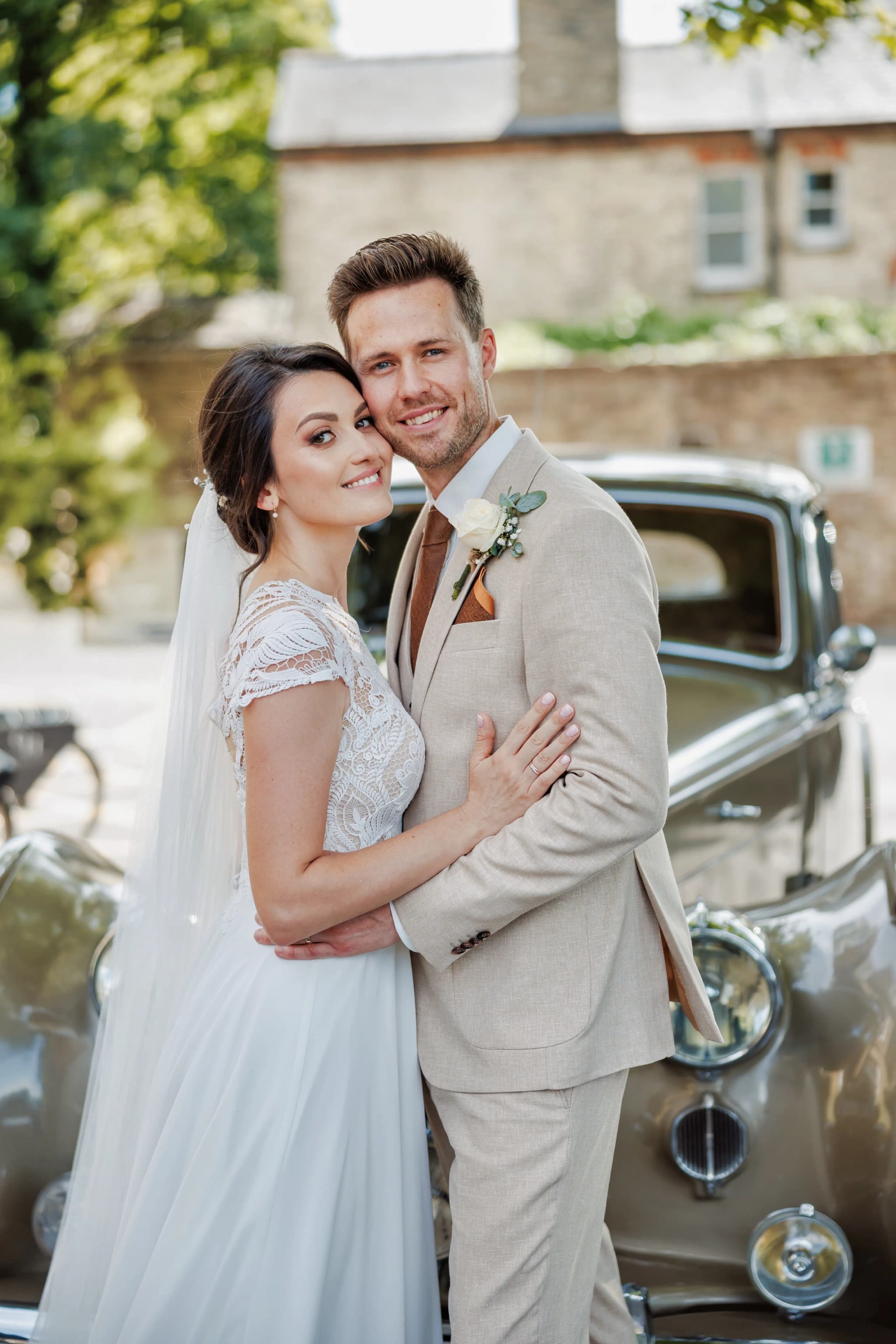
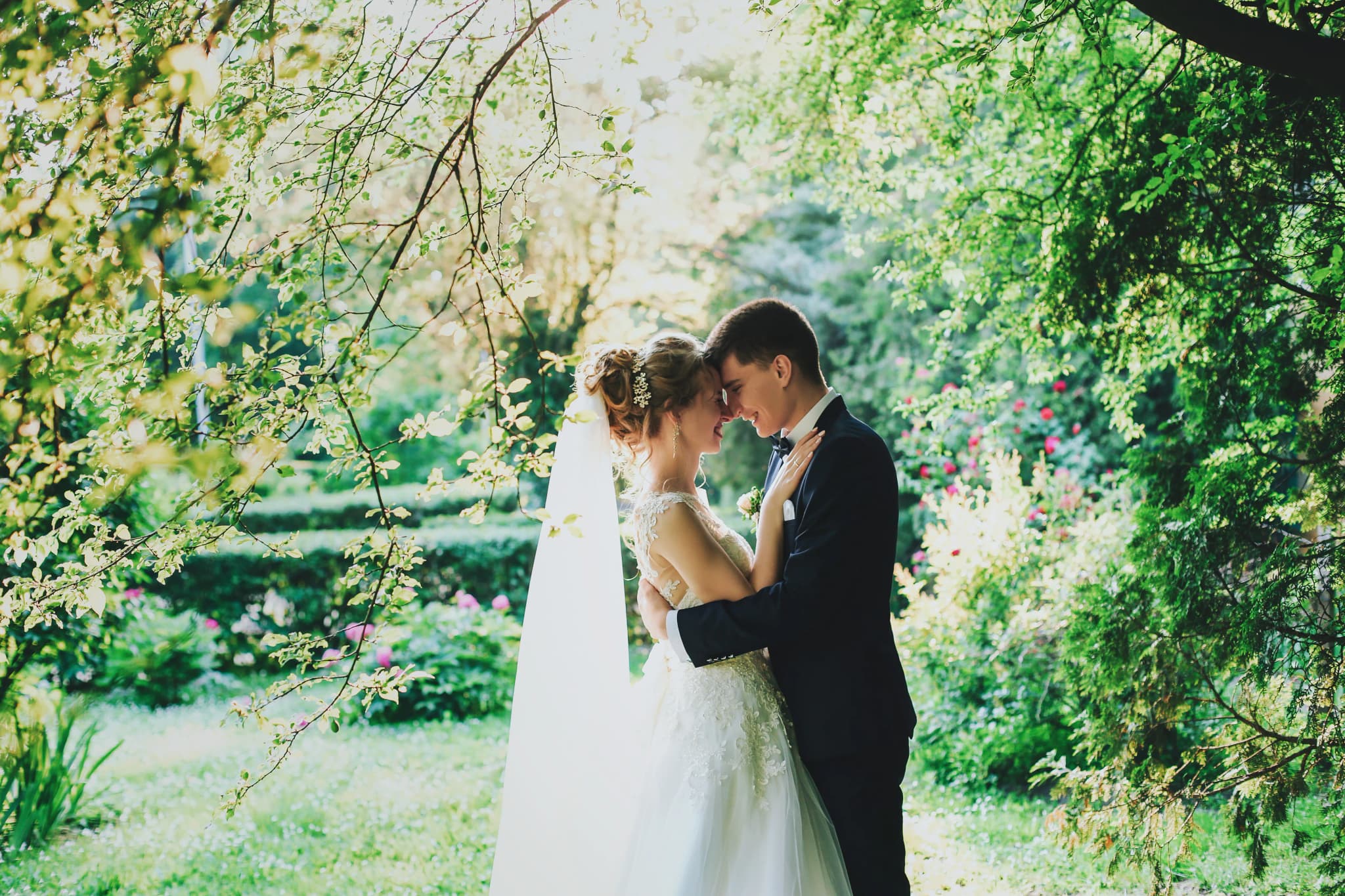
There is a specific quality to spring light in England that doesn't exist at any other time of year. Soft, slightly diffuse, often pale gold — and framed, if you're fortunate, by cherry blossom, hawthorn, or the first flush of fresh green on beech and lime trees. I say this every year and I mean it every year: spring weddings are some of the most beautiful I photograph. There is a freshness to the light, the landscape, and often the mood of the day itself that summer, with all its heat and haze, simply cannot match. Couples planning a spring wedding are often slightly anxious about the weather and slightly unaware of just how much the light is working in their favour. This guide is an attempt to explain both sides of that — what spring light actually does across a photography day, which blossom and colour you can genuinely plan around, how to handle the weather without over-engineering your day, and how to choose a venue and timeline that makes the most of the season.
What the Light Actually Does in April and May
In late March and April, the sun is still relatively low in the sky compared to summer. It rises late enough that a late-morning ceremony doesn't start in harsh overhead light, and it sets early enough in April that you get a genuine, unhurried golden hour in the late afternoon rather than having to wait until half past eight in the evening as you do in June. By May the days have lengthened considerably and the evening light becomes something quite extraordinary — warm, directional, and flattering in a way that is genuinely difficult to replicate at any other point in the calendar.
The practical effect of this on a wedding day timeline is significant. In April, golden hour typically falls somewhere between 6pm and 7.30pm, which sits comfortably after a wedding breakfast and speeches without requiring guests to be dragged away from dinner for photographs. In May, that window shifts later, often 7pm to 8.30pm, giving even more flexibility. If your venue has open-sky outdoor space — a walled garden, a parkland view, an orchard, a lakeside path — a spring wedding with an end-of-day couple session in that window will produce photographs with the kind of warm, low, side-lit quality that people associate with editorial or destination weddings. This is not an exaggeration; it is simply what low-angle spring sun does to skin tones, foliage, and backlit hair.
Daytime light in spring is gentler too. Because the sun never climbs as high overhead as it does in high summer, there is less of the harsh, flat, shadow-under-the-eyes light that photographers spend so much energy avoiding in July and August. Confetti throws, group photographs, and the walk from ceremony to reception all benefit from this softer daytime quality, meaning there is more flexibility in when those moments happen without needing to work around a punishing midday sun.
Blossom and Bloom: The Timing Problem
Cherry blossom in England typically peaks somewhere between mid-March and mid-April, but the exact timing shifts by a week or more each year depending on how cold the preceding winter was and how quickly temperatures rise through late February and March. A warm February can bring blossom forward significantly; a cold, late spring pushes it back. If you are planning your wedding date specifically around blossom at a particular venue, it is worth building in some flexibility of expectation, or accepting that on the day itself it may be just past its absolute peak, just coming into bud, or — if you are lucky with timing — exactly right. I always encourage couples not to build their entire vision of the day around one specific bloom being at its best, simply because no one, including the venue's own gardeners, can guarantee it months in advance.
What you can rely on with more confidence: hawthorn blossom through May, which is longer-lasting and considerably more forgiving on timing than cherry blossom, along with a distinctive fragrance that often gets remembered as part of the day itself. Bluebells appear from late April through the middle of May in woodland across the country, and a bluebell wood at the right venue is one of the most striking backdrops available to English photography at any time of year. Apple and pear blossom in orchards begins in early April and often overlaps usefully with cherry blossom timing. Wild garlic carpets shaded woodland floors with white flowers through April and May and photographs beautifully as a foreground texture. Wisteria on period buildings and garden walls tends to flower through May, often coinciding well with the later end of the spring wedding season. Tulips, planted deliberately in many wedding venue gardens, can be timed reasonably reliably for April displays if the venue plants with weddings in mind.
My advice to couples choosing a date around a particular bloom is to pick the venue and season first, and treat the specific flower as a genuine bonus rather than a guarantee. Venues that maintain a variety of spring planting — blossom trees, bulbs, and later-flowering shrubs — give you the best odds of something being at its peak whatever the weather has done that year.
The Weather Reality, and Why It Is Not a Problem
Spring in England means variable weather, and I want to be honest with every couple I work with: that is entirely fine for photography, and in many cases it produces better images than a cloudless day would. Overcast conditions act as an enormous natural softbox, producing even, flattering light across faces with none of the harsh shadows or squinting that direct sun creates. Some of the images I am proudest of from spring weddings were taken under grey skies that couples had worried about for weeks beforehand.
A brief rain shower before or after a ceremony often creates atmosphere rather than disaster — wet stone underfoot catching light, a fresher and more saturated green in the surrounding trees, and sometimes genuinely dramatic skies as clouds clear. I have photographed weddings that started under cloud and ended with strongly backlit showers moving across open parkland, and those images consistently end up among the favourites in the final gallery. The English spring's reputation for unpredictability is, from a photography point of view, closer to an asset than a liability, provided the day is planned with enough flexibility to make use of whatever the weather actually does.
Where I would counsel some caution is booking an outdoor-only venue in early April without any wet-weather contingency at all. A marquee with clear or partially glazed sides, an orangery, a glasshouse, or a covered courtyard gives you beautiful outdoor-feeling light regardless of what happens overhead, and means the day's photography is never dependent on a forecast made a week in advance. Venues that have thought seriously about this — with a genuine indoor-outdoor flow rather than a bare marquee as an afterthought — tend to produce the most consistently strong results across a spring wedding season, whatever April or May decides to do.
Spring Versus Summer: A Photographer's Honest Comparison
Summer, from June through August, has longer golden hours in absolute terms, but the trade-off is a stronger midday sun that requires much more deliberate planning to avoid harsh, unflattering overhead light during the main body of the day. Ceremony and drinks reception timings in summer often need to work around a genuinely difficult few hours either side of solar noon. Spring, by contrast, is far more forgiving throughout the day — the light is rarely harsh at any point, the colour in gardens and countryside is at its absolute freshest, and the landscape has not yet reached the slightly parched, dusty, crowded look that many English gardens acquire by late July.
There is also a practical guest-comfort dimension worth mentioning. Spring days are cooler, which for many guests, especially older relatives or anyone in formal wear, is considerably more comfortable than a July heatwave. Venues and marquees are less likely to become uncomfortably warm, and there is generally more flexibility in when outdoor portions of the day happen because there is no risk of anyone overheating standing in direct sun for group photographs.
In short, for English outdoor and garden weddings specifically, late April through late May is, in my experience, the single best window of the year for photography. The light is soft and long, the colour is unrepeatable, and the weather's unpredictability tends to add character rather than difficulty.
Planning a spring wedding?
I still have availability across some spring dates. I'd love to hear about your venue, your timeline, and what you're hoping for from your photographs — get in touch and we can talk it through.
Check availabilityBuilding a Timeline That Makes the Most of Spring
A few practical suggestions I give every couple planning a spring wedding in England. First, if your ceremony is outdoors or your venue has meaningful outdoor space, try not to schedule the whole of the couple portrait session immediately after the ceremony in the early-to-mid afternoon. Midday spring light is pleasant but not spectacular; the light two or three hours before sunset is where spring really performs. A short ten-to-fifteen-minute window stolen from the reception for a couple session in that late-afternoon or early-evening light is, more often than not, where the most striking images of the whole day come from.
Second, build a genuine indoor option into your plan for at least part of the day, even if you are fully committed to an outdoor wedding. This is not about expecting rain — it is about giving your photographer and your day the flexibility to adapt to whatever conditions actually arrive, without anyone having to make a stressful last-minute decision an hour before the ceremony.
Third, if blossom, bluebells, or a particular flowering plant matters to you, ask your venue directly what has bloomed in previous years around your specific date, and treat their answer as a helpful indication rather than a promise. Nature does not read wedding calendars, but venues that have hosted weddings across several spring seasons usually have a reasonably good sense of typical timing.
Spring in England is a genuinely wonderful season to get married in, and after years of photographing weddings through every month of the year, it remains one of my favourites — not despite the unpredictability, but partly because of it. The light does something in April and May that no other season quite manages, and even a grey, showery day tends to produce photographs with a softness and freshness that a harsh blue-sky August afternoon cannot. If you are weighing up a spring date, or you already have one booked and want to talk through how to make the most of the light and the season, get in touch and I would be glad to help you plan it.

Yana Skakun
Photographer · England
Professional wedding, family and portrait photographer based in England. Passionate about capturing authentic emotions and timeless moments.
About Yana →spring wedding photography Englandspring wedding photographer UKblossom wedding photosoutdoor spring wedding UKApril May wedding photography
Wedding Tips — Wedding Photography in Cambridge & England
Yana Skakun is a professional wedding photographer based in Cambridge, covering weddings across England — from intimate elopements to full-day ceremonies at country houses, barns, and city venues. Every couple receives a relaxed, documentary approach that captures the day as it truly unfolds. This guide — Spring wedding photography in England: What makes it magic — is part of the photography journal: practical, experience-based advice drawn from real sessions across England. Whether you arrived searching for spring wedding photography england or spring wedding photographer uk, the same care and attention shapes every session Yana photographs.
Wedding Photography sessions are available year-round, with bookings open across Cambridge, Ely, Huntingdon, Peterborough, and further afield — East England, London, the Midlands, and beyond. If you have specific questions about blossom wedding photos, mention it in your enquiry. Get in touch through the contact form above to check availability and discuss your session. Enquiries are welcomed from anywhere in the UK.
Frequently Asked Questions
How much does a wedding photographer cost in England?+
Wedding photography in England typically ranges from £1,500 to £4,000+ for a full day. Price depends on experience, coverage hours, and whether albums or engagement shoots are included. Most photographers charge between £2,000–£3,000 for 8–10 hours of coverage.
How early should you book a wedding photographer?+
For peak season (May–September), book 12–18 months in advance. For autumn and winter weddings, 9–12 months is usually sufficient. Popular photographers at popular venues fill up fast — as soon as you have a date and venue confirmed, start reaching out.
How many photos do you get from a wedding photographer?+
Most professional wedding photographers deliver 400–800 edited images for a full-day wedding. The exact number depends on coverage hours, how many guests there are, and the photographer's editing style. Quality matters more than quantity — a curated gallery of 500 images tells the story better than 1,500 unedited files.
Do you need a second photographer at your wedding?+
A second photographer is helpful if you want simultaneous coverage of getting-ready moments in different locations, multiple angles during the ceremony, or more candid coverage during the reception. It adds cost but significantly increases the variety and completeness of your gallery.
What is the difference between documentary and editorial wedding photography?+
Documentary (reportage) wedding photography captures moments as they happen — the photographer observes and doesn't intervene. Editorial photography involves deliberate direction: placing you in good light, shaping compositions, creating intentional portraits. Most photographers blend both styles throughout the day.
Continue Reading
Related Articles

Wedding Tips
Sustainable Eco-Friendly Wedding Guide — Planning a Green Celebration
15 min read · Read Article
Wedding Tips
Trash the Dress Session — Complete Planning and Photography Guide
14 min read · Read Article
Wedding Tips
Client Communication for Photographers — From Enquiry to Gallery Delivery
15 min read · Read Article
Get in Touch
Ready to Book Your Session?
Get in touch to discuss your vision — I'll reply within 24 hours.