Yana Skakun

Spring Wedding Timeline: Balancing Weather and Light
By Yana Skakun·10 June 2026·5 min read
Spring weddings in England carry a particular kind of magic — blossom-lined lanes, long evenings, and a quality of light that feels almost impossibly soft. But spring also means unpredictability: cloud rolling in without warning, golden hour appearing two hours earlier than you expected, and April showers that can turn a garden reception into something entirely different. Getting the timeline right is what separates a spring wedding that makes the most of all that potential from one that misses it.
Why Spring Light in the UK Requires a Different Approach
Photographing weddings across Cambridgeshire and the wider UK, I've learned that spring light doesn't behave the way summer light does. In June and July, golden hour sits reliably between 8pm and 9pm, giving couples a long, predictable window for outdoor portraits. In March and April, golden hour might arrive at 7:30pm — sometimes earlier — and it can be dramatic, beautiful, and gone within twenty minutes. That's still plenty of time, but only if you've built the timeline to reach it.
There's also the question of what happens between ceremony and that evening light. Spring overcast is often ideal for photography — soft, even, flattering on faces — but harsh midday sun breaking through in May can be just as challenging as midsummer. The practical answer is to plan outdoor portraits twice: once in the late afternoon, and once again just before golden hour. This gives you flexibility, and means you're never entirely at the mercy of what the sky is doing at any particular moment.
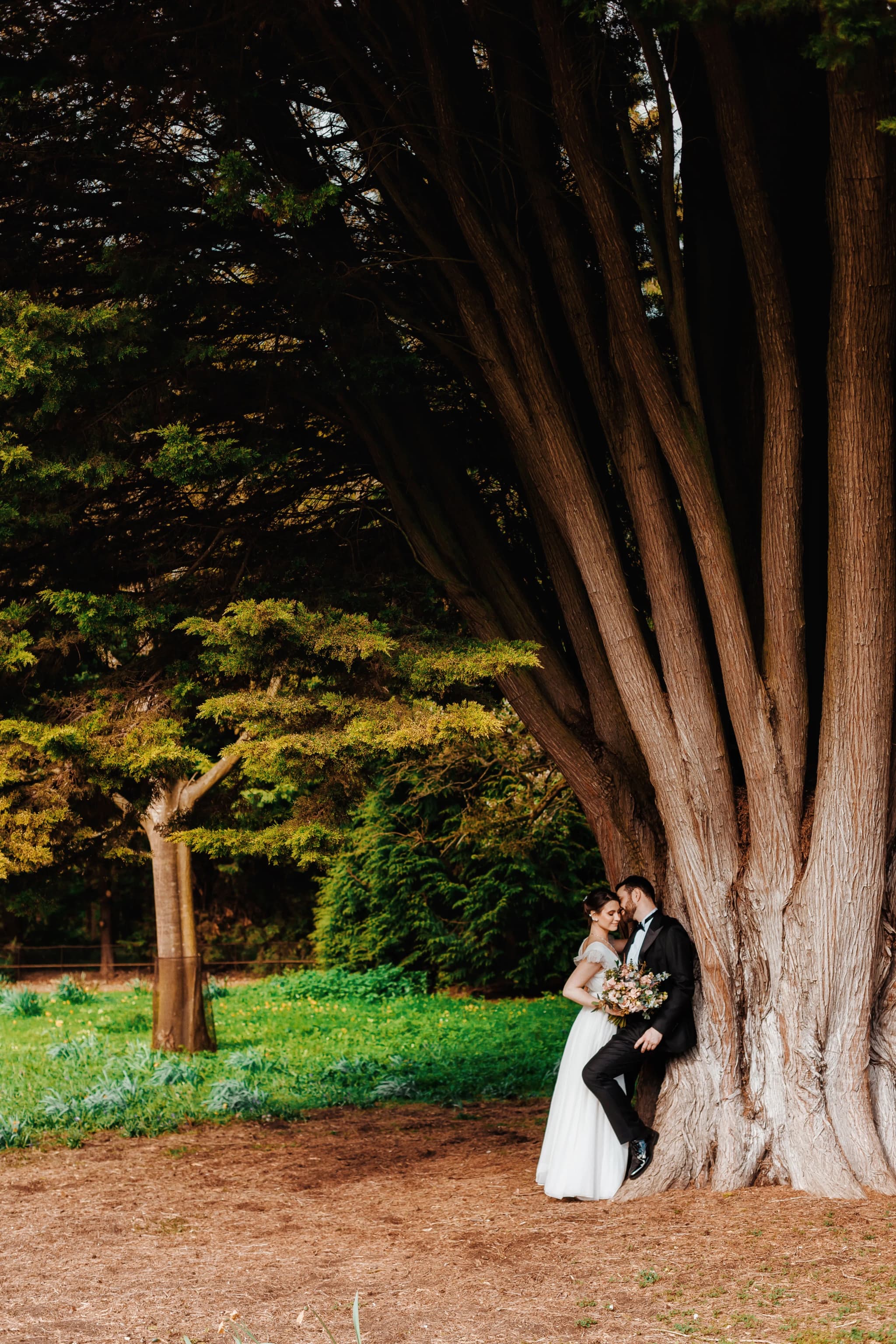
Spring also brings blossom, and blossom is time-sensitive. Cherry trees in full bloom might have a window of ten days, and a wet week can strip petals from branches overnight. If there's a particular tree or garden you're hoping to photograph beside, confirm with your venue when their blossom typically peaks and plan your date accordingly. I've known couples whose late April date caught the last of the cherry blossom perfectly — and others whose early May wedding arrived to bare branches.
A Practical Spring Wedding Day Timeline
Below is the framework I recommend to couples planning a spring wedding in the UK. Every day and every venue is different, but this structure accounts for the specific qualities — and specific risks — of the season.
- ◆10:00am — Getting ready begins: Aim to be fully dressed and ready at least 90 minutes before the ceremony. Spring mornings can feel rushed; having buffer time means you can pause for quiet portraits, relaxed details, and the kind of unhurried preparation shots that you'll treasure later.
- ◆12:30pm — Ceremony (or 1pm for afternoon light): A late-morning ceremony means your couple portraits can fall in the early afternoon, when spring overcast tends to be at its most photogenic. If your venue has east-facing outdoor spaces, morning light can be stunning — but only if the timeline places you there at the right hour.
- ◆3:00pm — First outdoor portrait session: After the reception drinks and group photographs, a 20–30 minute couple session in the mid-afternoon takes advantage of any softening of the midday sun. In spring, this window is often underrated — the light can be beautiful even if golden hour is still three hours away.
- ◆5:30pm — Return to guests for dinner: Don't disappear for so long that your guests notice the absence. A short return before dinner keeps the energy of the day flowing, and a seated meal gives the sky time to do something interesting.
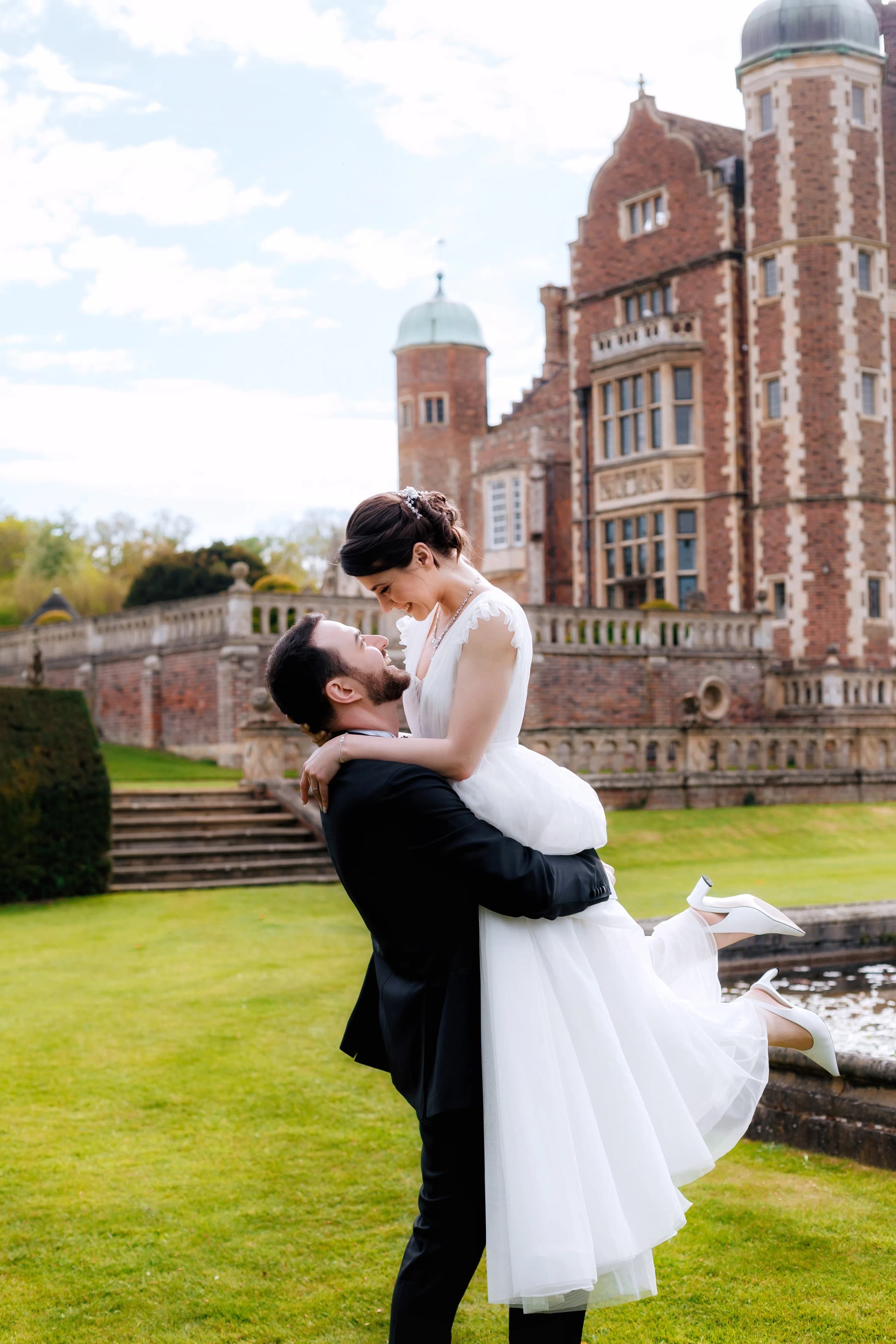
- ◆7:00pm — Golden hour couple portraits: In April and May, sunset in England sits between 8pm and 8:45pm depending on the date. Plan your golden hour portraits for 45–60 minutes before sunset — this is the window I protect in every spring timeline. It's brief, it's beautiful, and it's the reason spring weddings can produce such extraordinary images.
- ◆8:30pm — First dances and evening: With evening light fading and the party beginning, the natural documentary work continues into the evening. Fairy lights, candles, and the warmth of a reception room at night create completely different photographic conditions — a counterpoint to the outdoor work earlier in the day.
Building in Weather Contingency Without Sacrificing the Day
The most common mistake couples make with spring wedding timelines is creating a plan that only works in perfect conditions. If the outdoor portrait session at 3pm is rained out, what happens? If golden hour is obscured by cloud, is there a covered space that still looks beautiful? Thinking through these questions in advance doesn't mean accepting compromise — it means having answers ready so you never have to improvise at the worst possible moment.
At every spring wedding I photograph, I walk the venue in advance to identify three things: the best outdoor spots in good light, the best covered or sheltered spots for soft-rain days, and the indoor spaces that photograph well when the weather makes outdoor work impossible. Knowing all three means that whatever the day brings, we move with purpose rather than uncertainty.
It's also worth noting that spring showers in England rarely last all day. A morning of heavy rain followed by a bright afternoon is extremely common — and the light after rain, when the sky clears and the sun catches wet surfaces, is genuinely extraordinary. Some of the most striking couple portraits I've taken at Cambridge-area weddings have been on days that started grey and opened up in the late afternoon. A timeline with some flexibility built in allows you to respond to those moments rather than miss them.
Coordinating with Your Venue and Suppliers
A spring wedding timeline doesn't exist in isolation. The florist needs to know when photographs of the table details will happen. The caterer needs to know when dinner is being called so they don't send guests to the tables during your golden hour portraits. The venue coordinator needs to understand that the 7pm couple session is a protected window — not the moment to reorganise chairs or set up the evening buffet.
Before every wedding I send a detailed timeline to all suppliers, flagging the key photographic windows and what I need from each person. This is particularly important in spring, where the windows are shorter and more weather-dependent than summer. A florist who understands the timeline will ensure button holes and bouquets are ready at the right moment. A coordinator who understands the light will clear outdoor spaces at the right time. The best spring wedding timelines are genuinely collaborative — every supplier working together toward the same day.
If you're working with a wedding planner, share the photography timeline early and ask them to flag any clashes. In my experience, most clashes are easy to resolve once identified — the problems arise when nobody notices them until the day itself. For weddings at Cambridge colleges or historic country houses in Cambridgeshire, where access to outdoor spaces can be time-limited, early coordination is especially valuable.
What to Prioritise When Time Gets Tight
Even a well-planned spring wedding day runs late sometimes. A ceremony that starts fifteen minutes behind schedule, a receiving line that runs longer than expected, a speech that runs to forty minutes — these things happen, and they compress the afternoon. When time gets tight, here is the order of priorities I always recommend:
- ◆Protect golden hour: If I had to choose between the 3pm portrait session and the 7pm golden hour session, I would always protect golden hour. Spring evening light is irreplaceable and exists for a specific window — it cannot be rescheduled. Afternoon portraits, while lovely, can be shortened or rearranged.
- ◆Keep group photographs efficient: Group shots are important but can absorb enormous amounts of time if not managed tightly. I use a pre-agreed list and call groups quickly — typically fifteen to twenty groups in twenty-five minutes. Every minute saved here goes directly to couple portrait time.
- ◆Let candid moments breathe: When time is short, the temptation is to fill every minute with directed photographs. Resist it. Documentary moments — guests laughing, children running, the first dance as it actually unfolds — require space and presence, not choreography. These are often the images couples love most.
- ◆Trust your photographer to adapt: An experienced wedding photographer has worked in compressed timelines before and knows how to find beautiful light even in imperfect conditions. Communicate openly if you know the schedule is running behind — a good photographer will adjust and make the most of whatever time remains.
The Spring Wedding Photographs Worth Planning For
When a spring wedding timeline comes together — when the blossom is still on the trees, the evening light arrives gold and low, and the couple steps outside into it — the photographs are among the most beautiful I make all year. The combination of seasonal setting and well-planned time creates images that feel genuinely specific to that day, that season, that place.
Planning a spring wedding day timeline in the UK is really about one thing: putting yourself in the right places at the right moments, with enough flexibility to respond to what the English weather actually offers. Build in the golden hour window. Identify your covered backup spaces. Brief your suppliers on the photographic priorities. And then trust that the day, in all its seasonal unpredictability, will give you something extraordinary.
Planning a spring wedding and want to make the most of that light?
I photograph spring weddings across Cambridgeshire and the UK, and I'd love to help you plan a timeline that protects your golden hour and makes the most of the season's extraordinary light. Get in touch to check whether your date is available.
Check Your Date →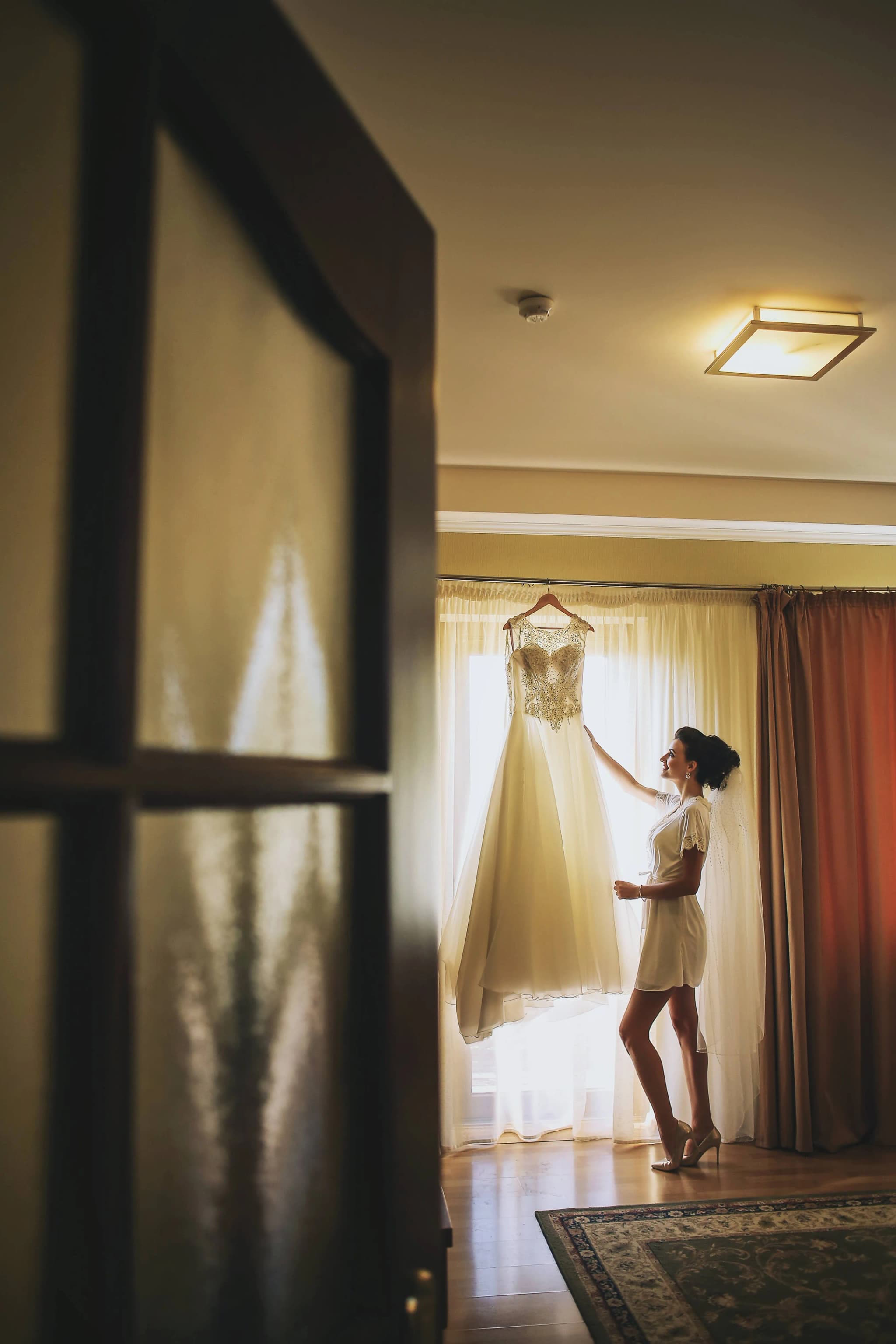

Yana Skakun
Photographer · England
Professional wedding, family and portrait photographer based in England. Passionate about capturing authentic emotions and timeless moments.
About Yana →springweddingtimelineuk
Wedding Tips — Wedding Photography in Cambridge & England
Yana Skakun is a professional wedding photographer based in Cambridge, covering weddings across England — from intimate elopements to full-day ceremonies at country houses, barns, and city venues. Every couple receives a relaxed, documentary approach that captures the day as it truly unfolds. This guide — Spring Wedding Timeline: Balancing Weather and Light — is part of the photography journal: practical, experience-based advice drawn from real sessions across England. Whether you arrived searching for spring or wedding, the same care and attention shapes every session Yana photographs.
Wedding Photography sessions are available year-round, with bookings open across Cambridge, Ely, Huntingdon, Peterborough, and further afield — East England, London, the Midlands, and beyond. If you have specific questions about timeline, mention it in your enquiry. Get in touch through the contact form above to check availability and discuss your session. Enquiries are welcomed from anywhere in the UK.
Frequently Asked Questions
How much does a wedding photographer cost in England?+
Wedding photography in England typically ranges from £1,500 to £4,000+ for a full day. Price depends on experience, coverage hours, and whether albums or engagement shoots are included. Most photographers charge between £2,000–£3,000 for 8–10 hours of coverage.
How early should you book a wedding photographer?+
For peak season (May–September), book 12–18 months in advance. For autumn and winter weddings, 9–12 months is usually sufficient. Popular photographers at popular venues fill up fast — as soon as you have a date and venue confirmed, start reaching out.
How many photos do you get from a wedding photographer?+
Most professional wedding photographers deliver 400–800 edited images for a full-day wedding. The exact number depends on coverage hours, how many guests there are, and the photographer's editing style. Quality matters more than quantity — a curated gallery of 500 images tells the story better than 1,500 unedited files.
Do you need a second photographer at your wedding?+
A second photographer is helpful if you want simultaneous coverage of getting-ready moments in different locations, multiple angles during the ceremony, or more candid coverage during the reception. It adds cost but significantly increases the variety and completeness of your gallery.
What is the difference between documentary and editorial wedding photography?+
Documentary (reportage) wedding photography captures moments as they happen — the photographer observes and doesn't intervene. Editorial photography involves deliberate direction: placing you in good light, shaping compositions, creating intentional portraits. Most photographers blend both styles throughout the day.
Continue Reading
Related Articles

Wedding Tips
Sustainable Eco-Friendly Wedding Guide — Planning a Green Celebration
15 min read · Read Article
Wedding Tips
Trash the Dress Session — Complete Planning and Photography Guide
14 min read · Read Article
Wedding Tips
Client Communication for Photographers — From Enquiry to Gallery Delivery
15 min read · Read Article
Get in Touch
Ready to Book Your Session?
Get in touch to discuss your vision — I'll reply within 24 hours.