Yana Skakun
Summer Engagement Photography in Golden Hour: The 8pm Magic
By Yana Skakun·14 March 2026·6 min read
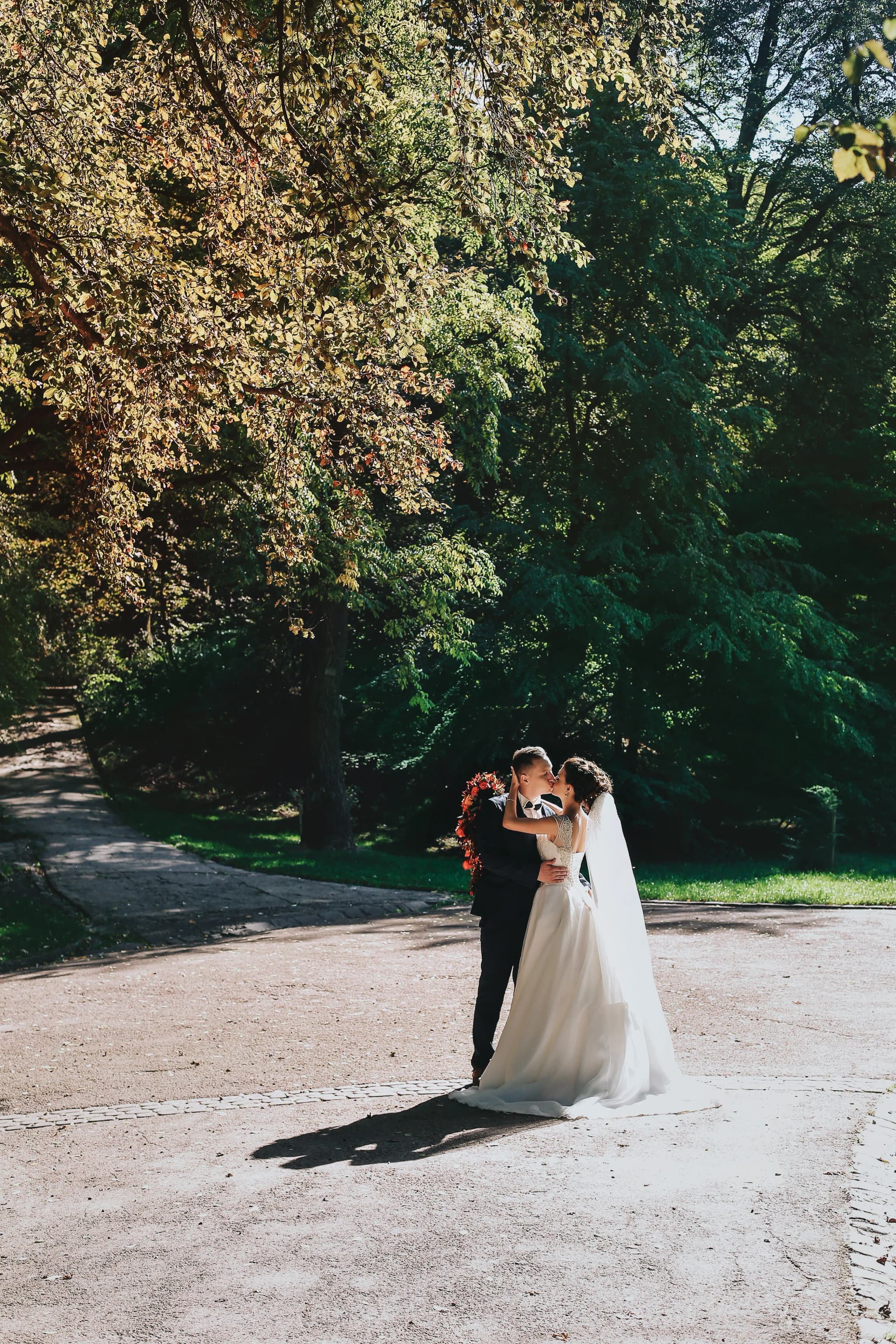
There is a window in the English summer evening — roughly from 8pm to 8:45pm on a clear July or August day — when the light turns a colour that does not have a perfect word in English. The sun is low, the sky is still blue directly overhead, warmth is still radiating up from the ground, and everything is cast in amber and copper and gold. This is the 8pm magic, and for engagement photography it is simply extraordinary. I plan the majority of my summer engagement sessions around this window deliberately, because the difference between a session shot at 3pm in flat midday sun and one shot in the last hour before sunset is not subtle. It is the difference between a nice photograph and one that genuinely takes your breath away.
Why Summer Golden Hour Is Special
Golden hour happens every single evening, all year round, but summer golden hour has qualities that autumn and winter light simply cannot match. The most obvious is duration. In December, the sun drops towards the horizon quickly and the good light lasts perhaps fifteen minutes before it is gone. In midsummer, the sun descends along a much lower, shallower arc, and the golden window can stretch to forty-five minutes or even an hour. That extra time matters enormously during a session — it means we are not rushing to catch three or four set-ups before the light disappears. We can move between locations, let a couple settle into the moment, wait for a genuine laugh rather than forcing one, and still have plenty of good light left.
Warmth is the second factor, and it is easy to underestimate how much it affects the photographs themselves. Summer evenings are comfortable. No one is holding their arms tight against the cold, no one is thinking about how soon they can put a coat back on, and nobody's hands and noses have gone pink. That physical comfort translates directly into more relaxed body language and more open, natural expressions. Couples who are warm and unhurried touch each other differently, laugh more easily, and stand closer together than couples who are quietly enduring a cold wind for the sake of a nice photograph.
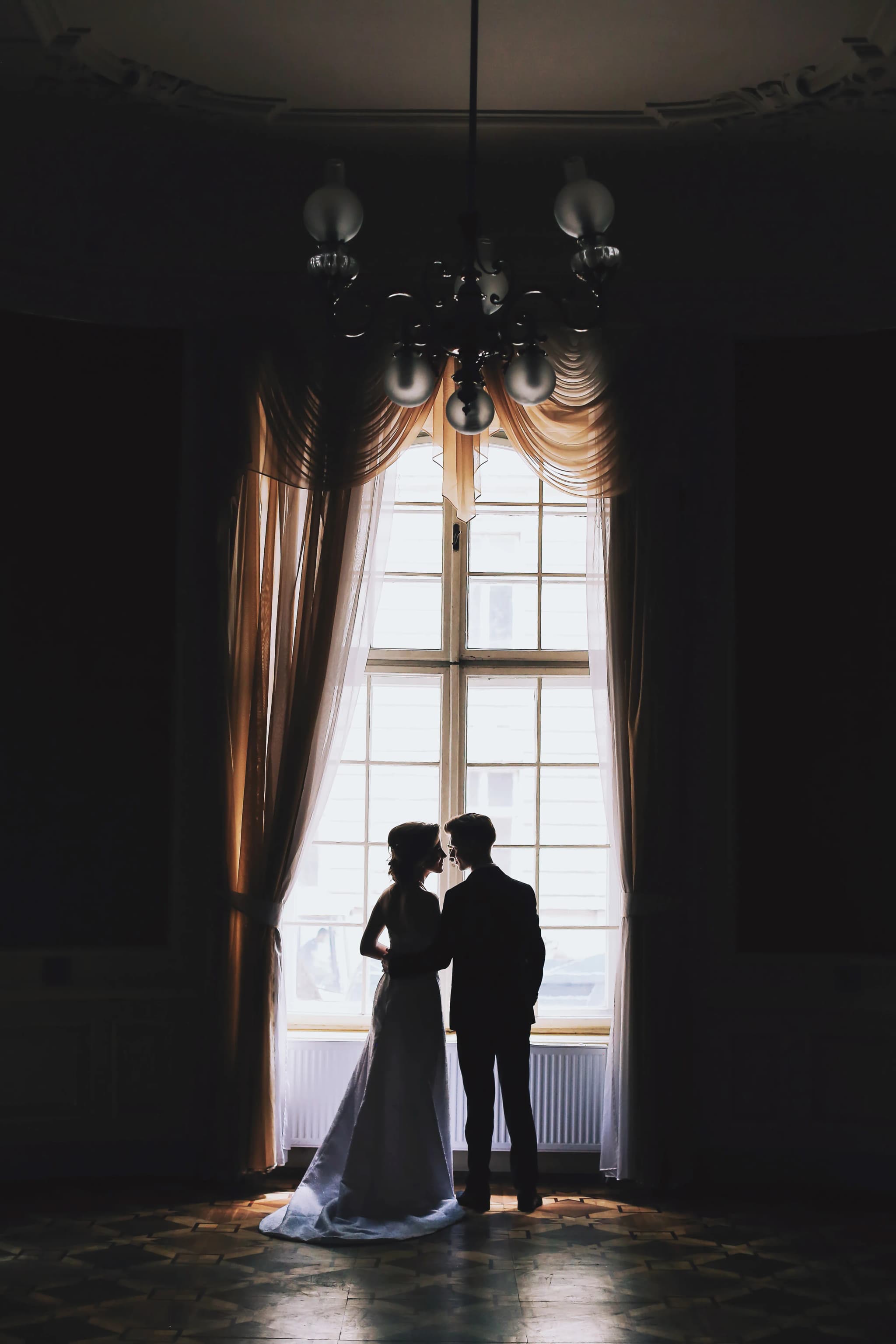
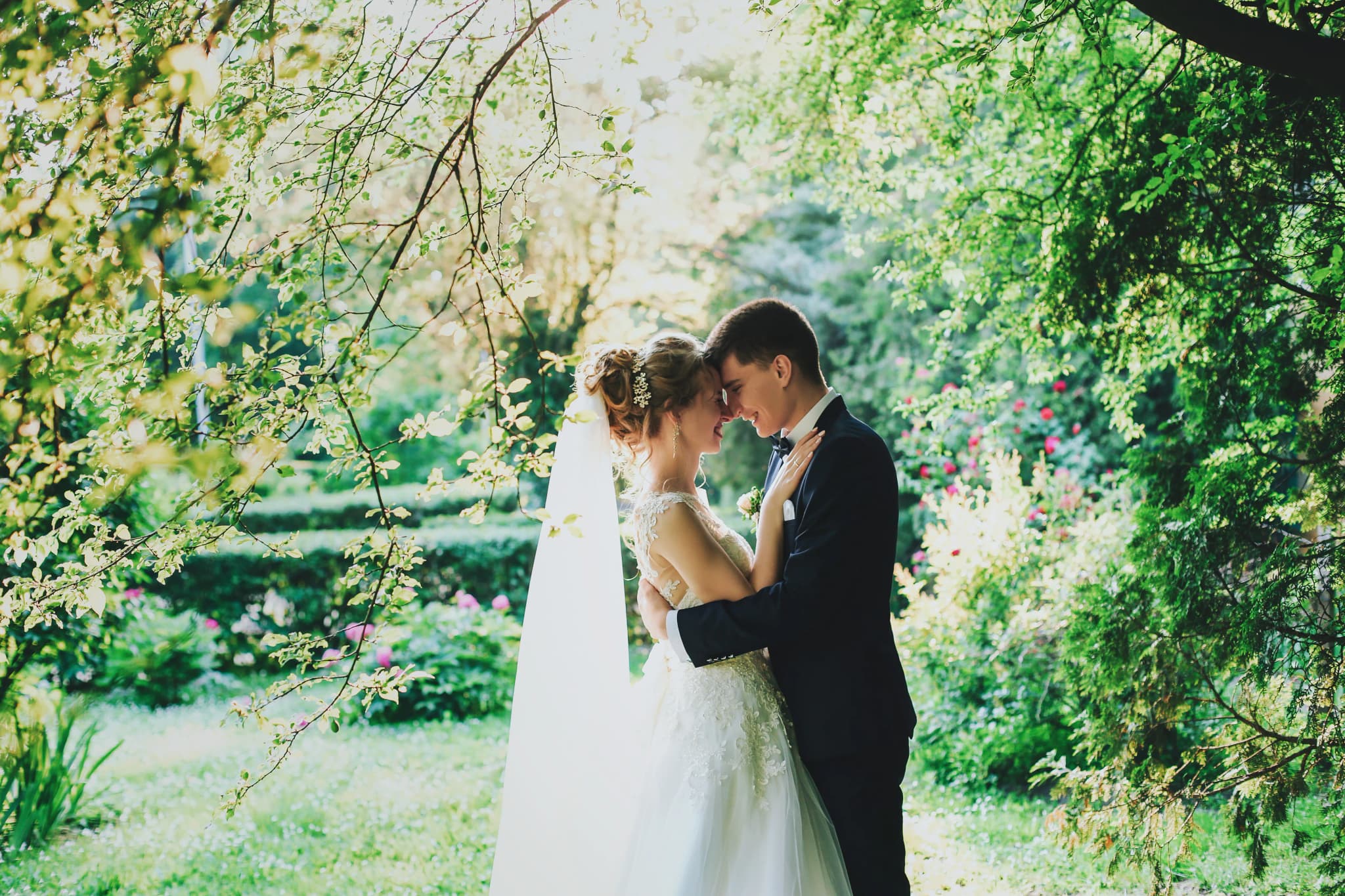
Then there is the backlighting. When the sun sits at a very low angle behind a couple, it creates rim lighting — a bright, glowing edge around hair and shoulders that separates the subjects from the background and gives the image a luminous, almost three-dimensional depth. Combined with the deep blue that summer skies often hold even as the horizon turns orange, you get one of the most beautiful natural colour palettes available in photography anywhere in the year: blue above, gold below, and two people caught right in between.
Choosing Your Date and Time
Timing an engagement session properly means working backwards from the exact sunset time on the exact date at the exact location, not simply booking "early evening" and hoping for the best. In Cambridge in late June, sunset is close to 9:20pm, which means the useful golden light does not really begin until around 8pm and the very best of it — the last fifteen minutes before the sun disappears — happens close to 9pm. By late August, sunset has moved earlier to around 8pm, and the whole window shifts forward by roughly an hour. I check the specific sunset time for your date before we confirm anything, and we plan the session start time around it rather than around a generic idea of "evening."
A typical golden hour engagement session runs for around ninety minutes. We usually start an hour to ninety minutes before sunset, so the first part of the session takes place in softer, still-flattering afternoon light while everyone settles in and gets comfortable in front of the camera, and the second half moves into the golden hour proper as the light deepens. The final ten to fifteen minutes before the sun actually dips below the horizon are, in my experience, consistently the most striking images of any session — it is worth building the whole evening around being in exactly the right spot when that happens.
The Best Cambridgeshire Locations for Golden Hour
Location matters as much as timing. The best golden hour spots face broadly west or south-west, so the setting sun is usable rather than hidden behind trees or buildings, and they offer some open ground so the light can actually reach the couple rather than being blocked by a canopy or a wall.
Grantchester Meadows, just south of Cambridge along the river, is one of my most-booked golden hour locations for exactly this reason. The wide-open meadow catches the last light beautifully, the long grass turns almost silver-gold in the low sun, and the walk along the Cam towards the village gives us a natural sense of movement through the session rather than static posing in one spot. Couples who enjoy the idea of finishing the evening with a drink at The Orchard Tea Garden find it works particularly well as a natural end point.
For couples who want water in the frame, the Backs behind the Cambridge colleges offer a completely different character — the punts, the willow trees trailing into the river, and the honey-coloured stone of the college buildings all pick up the evening light in a way that feels quintessentially Cambridge. It is busier than Grantchester, so I tend to favour it for slightly later in the evening once the crowds have thinned, or for couples who like a bit of energy and life in the background of their images rather than complete stillness.
Wandlebury Country Park, up on the Gog Magog Hills just outside the city, gives a more elevated, open feel with long views back towards Cambridge, and it works well for couples who would rather avoid punts and tourists altogether. For those happy to travel a little further, the Norfolk and Suffolk coastline — particularly around Southwold and Walberswick — offers a completely different kind of golden hour session, with the sea, the beach huts, and a huge open western sky that produces some of the most dramatic light of any location I work at. Old stone ruins and country house grounds elsewhere in Cambridgeshire and beyond are also worth considering if you want a slightly more timeless, less obviously "Cambridge" backdrop.
What to Wear
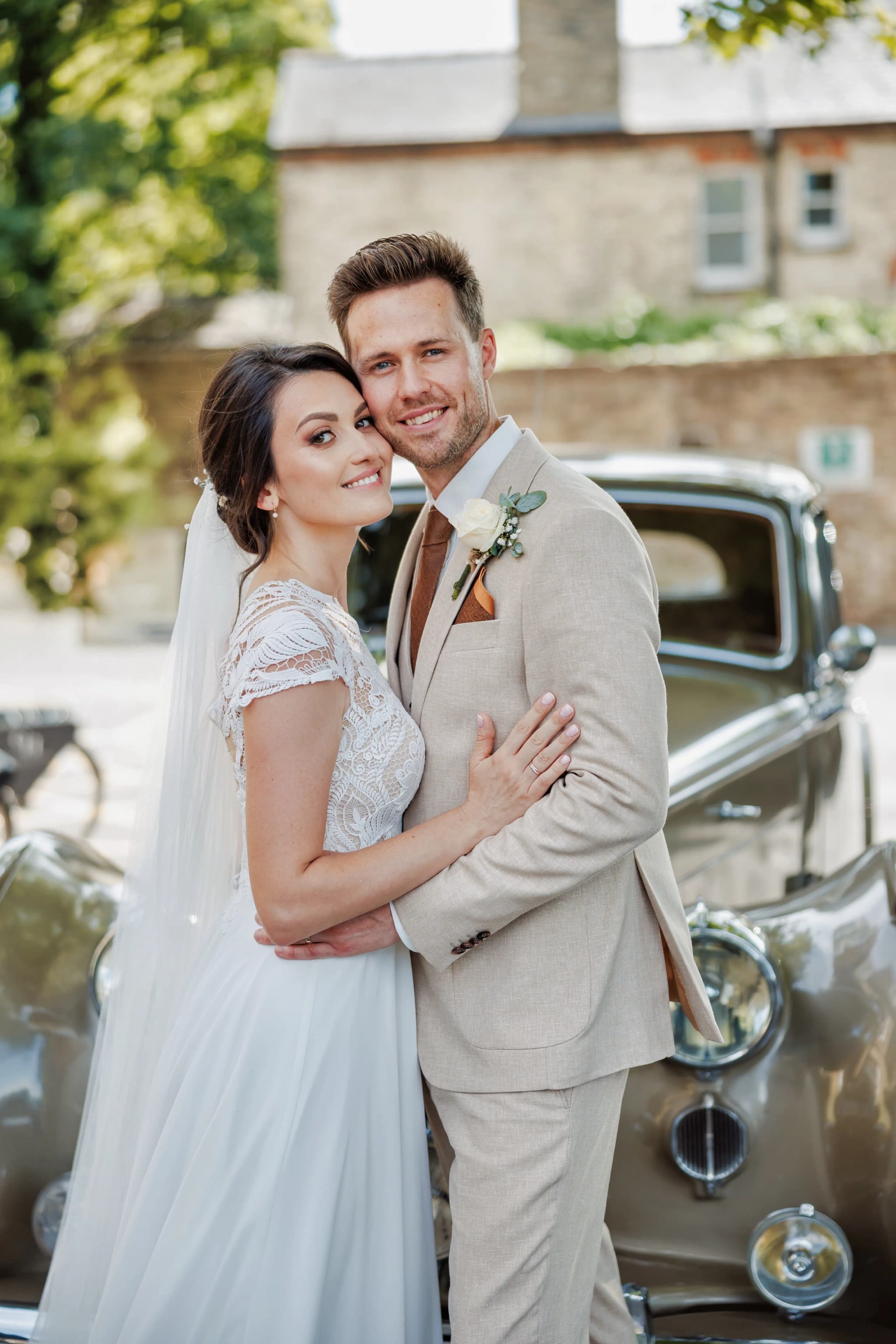
Summer golden hour light shows up warm, saturated colours beautifully, and it is worth choosing an outfit that works with that rather than against it. Terracotta, burnt orange, dusty rose, sage green, cream, and navy all photograph well in this light. Flowing fabrics — a midi dress that catches the evening breeze, a loose linen shirt — add a sense of movement to images that stiffer, more structured clothing cannot give you.
I generally suggest avoiding pure white and pure black where possible. Both can struggle to hold detail in the high contrast that low, warm sun creates — white can blow out to featureless brightness, while black can lose all its texture and become a flat silhouette earlier than you might expect. If you love a particular white or black piece, it is not a dealbreaker, but pairing it with a warmer second colour, whether in a jacket, accessory, or your partner's outfit, usually balances the image better. Comfortable shoes matter more than people expect, too — meadow grass, riverside paths, and coastal shingle are not always kind to heels, and a couple who are physically comfortable throughout the session always look more at ease in the resulting photographs.
What to Expect During the Session
I keep engagement sessions loose and conversation-led rather than a rigid sequence of poses. We will walk, talk, and let the two of you interact naturally while I move around finding angles that work with the light. Simple prompts — walk towards me slowly, whisper something to each other, look at the light rather than at the camera — tend to produce far more genuine, relaxed images than being told exactly where to put every hand and foot. If you are the sort of couple who feels a bit self-conscious in front of a camera, that is completely normal and very common; the first ten minutes of most sessions are spent easing into it, and by the time we reach the golden hour proper, most couples have forgotten the camera is there at all.
We will typically cover two or three different spots within a location during the session — perhaps an open field, then a spot with water or an interesting structure, then wherever the very best light ends up being as the sun goes down. Having options built into the plan means that if one part of a location turns out to be busier or less photogenic than expected on the day, we simply move to the next.
Want that golden hour magic for your engagement session?
I love these sessions — the light, the relaxed pace, the way a summer evening naturally brings couples closer together. Let's find the perfect date, time, and location for you.
Enquire about a golden hour sessionWeather and Backup Planning
English summer weather is not always cooperative, and it is worth planning for that rather than being caught out by it. A completely clear sky is not actually the ideal condition for golden hour — a little high cloud on the horizon often catches the last light and turns pink and orange in a way that a featureless blue sky cannot. What I do watch closely in the days before a session is rain and heavy, low cloud cover, which can genuinely block the sun before it reaches the horizon. If the forecast looks poor, I would rather move a session to a different evening than shoot it in flat, grey light and lose the very thing that makes a golden hour session worth planning around in the first place. I keep an eye on the forecast in the run-up to your date and will always flag early if a reschedule looks like the better option, so you are never left wondering.
A well-planned summer golden hour session is one of my favourite things to photograph all year — there is something about the combination of warm light, relaxed couples, and a proper English summer evening that simply cannot be recreated at any other time. If you are getting married and want engagement photographs that capture that particular kind of light, or if you would just like some proper, unposed images of the two of you together, get in touch and we can start talking through dates, locations, and the best time of evening for your session.

Yana Skakun
Photographer · England
Professional wedding, family and portrait photographer based in England. Passionate about capturing authentic emotions and timeless moments.
About Yana →summer engagement shoot golden hoursunset engagement photos Englandevening engagement session UK summer
Wedding Tips — Wedding Photography in Cambridge & England
Yana Skakun is a professional wedding photographer based in Cambridge, covering weddings across England — from intimate elopements to full-day ceremonies at country houses, barns, and city venues. Every couple receives a relaxed, documentary approach that captures the day as it truly unfolds. This guide — Summer Engagement Photography in Golden Hour: The 8pm Magic — is part of the photography journal: practical, experience-based advice drawn from real sessions across England. Whether you arrived searching for summer engagement shoot golden hour or sunset engagement photos england, the same care and attention shapes every session Yana photographs.
Wedding Photography sessions are available year-round, with bookings open across Cambridge, Ely, Huntingdon, Peterborough, and further afield — East England, London, the Midlands, and beyond. If you have specific questions about evening engagement session uk summer, mention it in your enquiry. Get in touch through the contact form above to check availability and discuss your session. Enquiries are welcomed from anywhere in the UK.
Frequently Asked Questions
How much does a wedding photographer cost in England?+
Wedding photography in England typically ranges from £1,500 to £4,000+ for a full day. Price depends on experience, coverage hours, and whether albums or engagement shoots are included. Most photographers charge between £2,000–£3,000 for 8–10 hours of coverage.
How early should you book a wedding photographer?+
For peak season (May–September), book 12–18 months in advance. For autumn and winter weddings, 9–12 months is usually sufficient. Popular photographers at popular venues fill up fast — as soon as you have a date and venue confirmed, start reaching out.
How many photos do you get from a wedding photographer?+
Most professional wedding photographers deliver 400–800 edited images for a full-day wedding. The exact number depends on coverage hours, how many guests there are, and the photographer's editing style. Quality matters more than quantity — a curated gallery of 500 images tells the story better than 1,500 unedited files.
Do you need a second photographer at your wedding?+
A second photographer is helpful if you want simultaneous coverage of getting-ready moments in different locations, multiple angles during the ceremony, or more candid coverage during the reception. It adds cost but significantly increases the variety and completeness of your gallery.
What is the difference between documentary and editorial wedding photography?+
Documentary (reportage) wedding photography captures moments as they happen — the photographer observes and doesn't intervene. Editorial photography involves deliberate direction: placing you in good light, shaping compositions, creating intentional portraits. Most photographers blend both styles throughout the day.
Continue Reading
Related Articles

Wedding Tips
Sustainable Eco-Friendly Wedding Guide — Planning a Green Celebration
15 min read · Read Article
Wedding Tips
Trash the Dress Session — Complete Planning and Photography Guide
14 min read · Read Article
Wedding Tips
Client Communication for Photographers — From Enquiry to Gallery Delivery
15 min read · Read Article
Get in Touch
Ready to Book Your Session?
Get in touch to discuss your vision — I'll reply within 24 hours.