Yana Skakun

Summer Wedding Timeline: Avoiding Mid-Day Sun and Getting Golden Hour
By Yana Skakun·10 June 2026·5 min read
A summer wedding in the UK sounds idyllic — long evenings, warm light, and the promise of sunshine. But between noon and four o'clock, that same sun turns into a photographer's worst enemy: hard shadows under the eyes, squinting guests, and portraits that look washed out no matter how good your camera is. The couples who come away with the most breathtaking images are the ones who built their summer wedding day timeline around the light, not just around the venue's catering schedule.
Why Midday Sun Is the Enemy of Great Wedding Photos
In the UK during June, July, and August, solar noon falls somewhere between 1 pm and 1:30 pm — which is precisely when many couples are finishing their ceremony and stepping outside for confetti and couple portraits. At that angle, the sun sits almost directly overhead. Light falls straight down, creating deep shadows in eye sockets and under noses, and the brightness forces people to squint. Even on an overcast day the diffused overhead light is flat and unflattering compared to the low, directional warmth you get in the evening.
The practical consequence is that if you schedule your couple portraits between 12:30 pm and 4 pm on a midsummer day, your photographer is fighting the conditions rather than working with them. We can find shade, use reflectors, and position you carefully — but there is only so much that technique can compensate for. The photographs will require more editing, they will lack the warmth and depth that couples pin on their mood boards, and the experience of standing in direct sun while wearing a full wedding dress is genuinely uncomfortable.
None of this means you cannot have a summer wedding — quite the opposite. It means building your timeline so that the ceremony ends before the sun climbs to its peak, or late enough in the afternoon that it has already begun its descent. Either approach hands you the light rather than puts you at war with it.
Two Structures That Actually Work for Summer Weddings
After photographing summer weddings across Cambridgeshire, Suffolk, and the wider East of England, I've seen two timeline structures consistently deliver beautiful light. The first is the early ceremony: getting your guests seated by 11 am, finishing the ceremony by noon, and using the first hour of the reception drinks for group shots while the sun is still at a workable angle. You're done with the formal photography well before 2 pm, and the rest of the afternoon is genuinely relaxed.
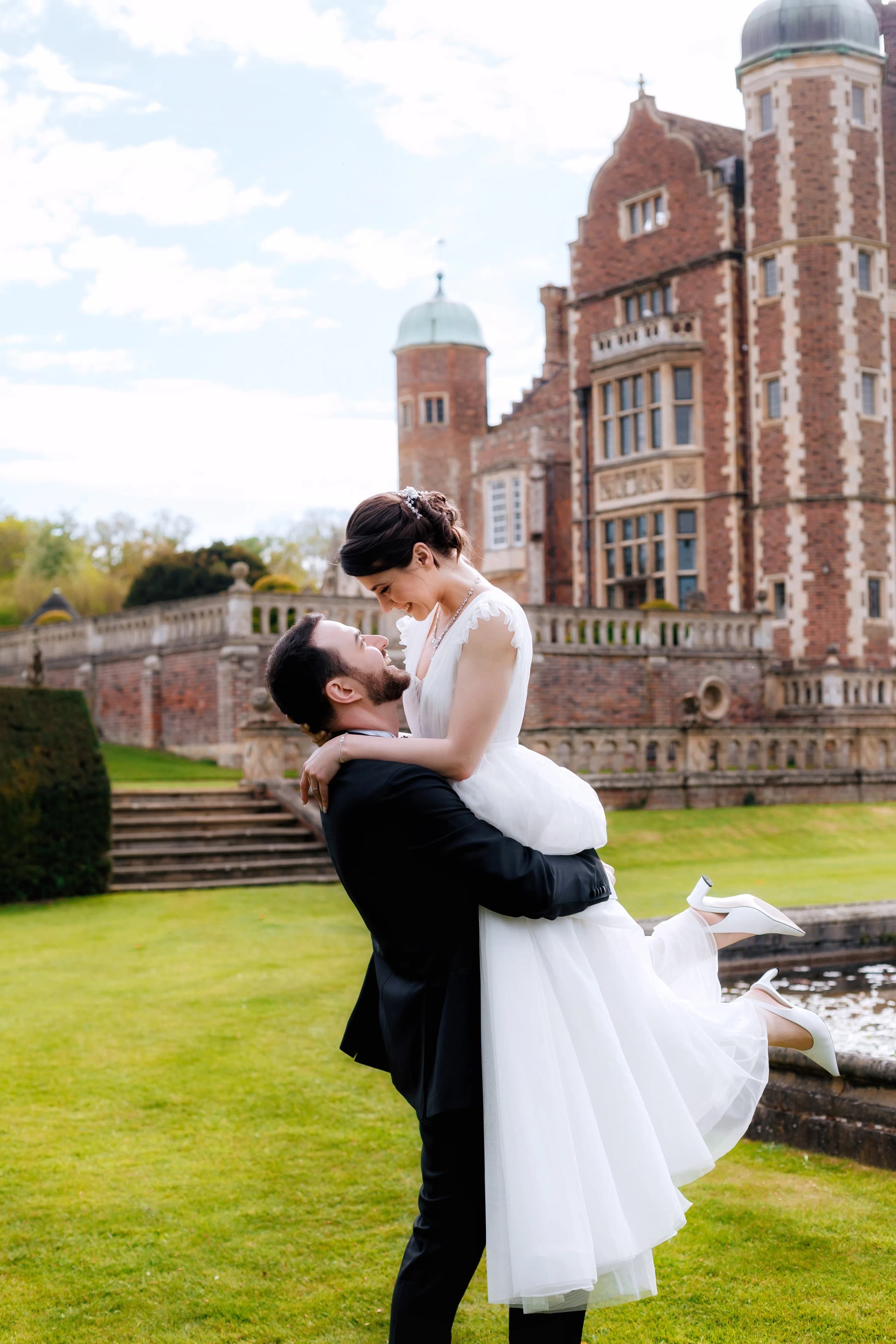
The second — and my personal favourite — is the late afternoon ceremony. A 4 pm or 4:30 pm start means guests arrive in the full heat of the day, but by the time you emerge as a married couple for outdoor portraits the sun is already dropping. By 7 pm in summer, golden hour is approaching. By 8 pm it is fully golden. You have a two-hour window of extraordinary light with which to work, and the evening warmth means neither of you is shivering while we shoot.
Building Your Golden Hour Window: A Practical Checklist
Golden hour in the UK during June and July typically runs from around 8:30 pm to 9:15 pm, with sunset between 9:15 pm and 9:30 pm. To make the most of it, you need to plan backwards from that window. Here is what needs to be in place:
- ◆Confirm golden hour timing with your photographer: Exact sunset times vary by location and date. For a Cambridge wedding on 21 June, sunset is around 9:22 pm. For a wedding in early August it is closer to 8:45 pm. Your photographer should give you a precise window at least a month before the day.
- ◆Schedule your first dance before golden hour, not after: Many couples place the first dance at 8 pm, which means stepping outside for golden hour portraits right in the middle of their evening reception. Shifting the first dance to 7 pm or even 6:30 pm frees you up to disappear for twenty minutes without guests feeling abandoned.
- ◆Tell your venue coordinator your photography plans: Some venues do not allow couples to access their grounds after a certain time, or require a member of staff to accompany you. Confirm access to the garden or field you want for golden hour portraits well in advance — ideally written into the venue contract.
- ◆Keep the golden hour portrait session short: Twenty to thirty minutes is genuinely enough. You do not need an hour — the light changes quickly and the best frames often come in the first ten minutes. Brief and focused beats long and chaotic every time.
- ◆Have a Plan B for overcast evenings: The UK being the UK, even a July evening can cloud over. Discuss with your photographer what the overcast backup looks like — whether that means a different location on the grounds, window light inside the venue, or simply a different editorial style that leans into the moody atmosphere.
- ◆Tell your guests you will disappear briefly: A quick mention during the wedding breakfast — "we'll be sneaking off for about twenty minutes around eight for some photos" — stops anyone from panicking or coming to find you. It also builds a little excitement about the images they'll see later.
Sample Summer Wedding Day Timeline
To make this concrete, here is a timeline I often suggest to couples having a late-afternoon summer wedding at a typical Cambridgeshire country house or barn venue. Adjust the start times to suit your venue's requirements, but the relative spacing is the part that matters.
10:00 am — Photographer arrives for bridal preparation coverage. Dress, details, getting-ready portraits in the best natural window light available. 12:30 pm — Groom and groomsmen portraits, venue detail shots, grounds walk-through while the light is still usable. 2:00 pm — Guest arrivals begin; candid coverage of mingling and early atmosphere. 4:00 pm — Ceremony begins. 5:00 pm — Confetti and informal family groupings immediately after the ceremony while everyone is gathered. 5:30 pm — Drinks reception; candid coverage. 6:30 pm — Wedding breakfast begins. 7:00 pm — Speeches (keeping them before rather than after the meal means guests are attentive and the timing is flexible). 8:00 pm — First dance and evening guests arrive. 8:30 pm — Couple slips away for golden hour portraits (20–25 minutes). 9:00 pm — Back to evening reception; photographer captures dancing and atmosphere until the agreed end time.
This structure gives you complete coverage from morning to evening, protects you from the worst of the midday light, and still delivers that golden hour window couples see in the photographs they love most. It is not rigid — every wedding is different, and I always adapt to what the day actually needs — but it is a proven skeleton that works.
What to Wear and Where to Stand: Maximising the Light You Have
Timeline aside, there are choices you can make about clothing and location that help regardless of when your ceremony falls. Fabrics that move — chiffon, silk charmeuse, light crepe — catch low evening light in a way that heavy structured fabrics simply do not. If you are choosing between two dresses of similar silhouette, the one in a fabric with a slight sheen will photograph beautifully in golden hour. The same logic applies to the groom: a lighter linen or fine wool suit reads better in warm evening light than a very dark navy or black.
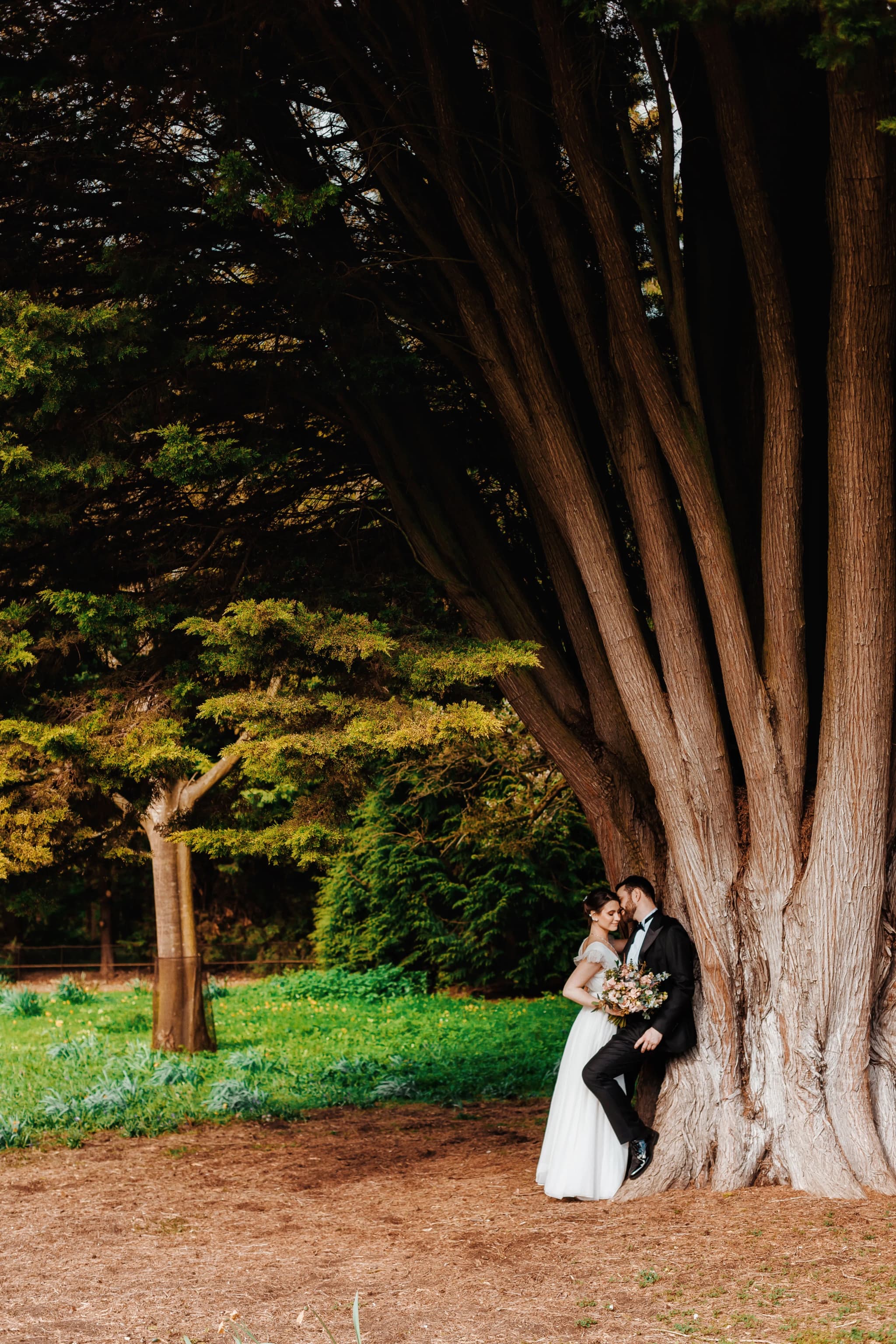
Location on your grounds matters enormously. Fields with open western aspects are ideal — you want the horizon clear in the direction of the setting sun so the light can travel unobstructed. Woodland and walled gardens create beautiful dappled light earlier in the day but can go dark quickly once the sun drops below the canopy. When I do a venue visit before your wedding, I am specifically noting which spots will hold the light longest in the evening, and that is where I will lead you at 8:30 pm.
One thing I always tell couples: trust the process and do not rush those twenty minutes. I know it can feel strange to leave your guests, and there is often a pull to get back to the party. But the images from that window are consistently the ones couples print largest and love most. The reception will be there when you return. The light will not.
Let's Build Your Summer Timeline Together
Every venue, every date, and every couple is different — and the difference between good wedding photos and extraordinary ones often comes down to a well-planned timeline. Get in touch to discuss your summer wedding date and I'll map out exactly when the golden hour falls for your venue, what the light will look like, and how to structure your day around it.
Check Your Date →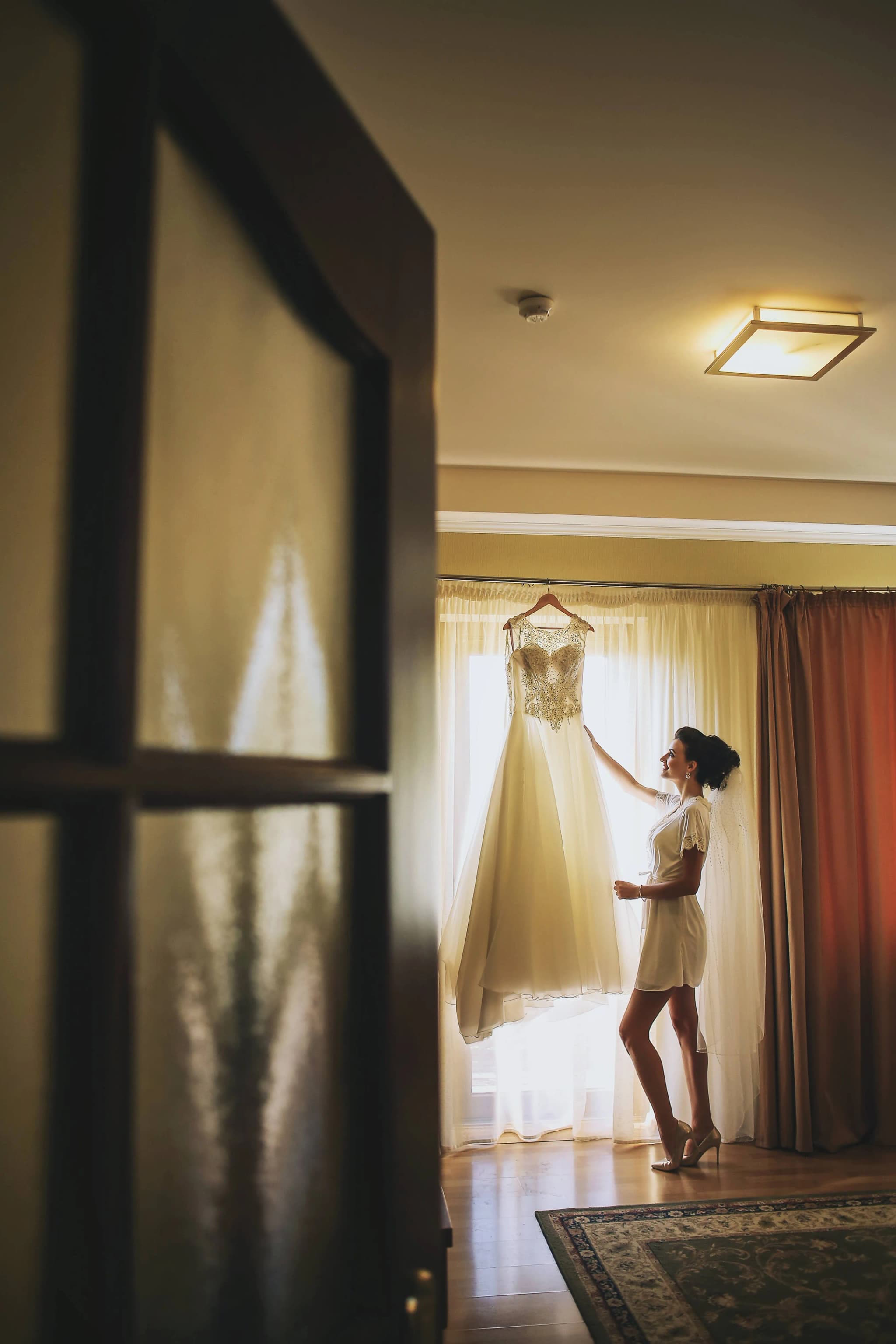

Yana Skakun
Photographer · England
Professional wedding, family and portrait photographer based in England. Passionate about capturing authentic emotions and timeless moments.
About Yana →summerweddingtimelinegolden
Wedding Tips — Wedding Photography in Cambridge & England
Yana Skakun is a professional wedding photographer based in Cambridge, covering weddings across England — from intimate elopements to full-day ceremonies at country houses, barns, and city venues. Every couple receives a relaxed, documentary approach that captures the day as it truly unfolds. This guide — Summer Wedding Timeline: Avoiding Mid-Day Sun and Getting Golden Hour — is part of the photography journal: practical, experience-based advice drawn from real sessions across England. Whether you arrived searching for summer or wedding, the same care and attention shapes every session Yana photographs.
Wedding Photography sessions are available year-round, with bookings open across Cambridge, Ely, Huntingdon, Peterborough, and further afield — East England, London, the Midlands, and beyond. If you have specific questions about timeline, mention it in your enquiry. Get in touch through the contact form above to check availability and discuss your session. Enquiries are welcomed from anywhere in the UK.
Frequently Asked Questions
How much does a wedding photographer cost in England?+
Wedding photography in England typically ranges from £1,500 to £4,000+ for a full day. Price depends on experience, coverage hours, and whether albums or engagement shoots are included. Most photographers charge between £2,000–£3,000 for 8–10 hours of coverage.
How early should you book a wedding photographer?+
For peak season (May–September), book 12–18 months in advance. For autumn and winter weddings, 9–12 months is usually sufficient. Popular photographers at popular venues fill up fast — as soon as you have a date and venue confirmed, start reaching out.
How many photos do you get from a wedding photographer?+
Most professional wedding photographers deliver 400–800 edited images for a full-day wedding. The exact number depends on coverage hours, how many guests there are, and the photographer's editing style. Quality matters more than quantity — a curated gallery of 500 images tells the story better than 1,500 unedited files.
Do you need a second photographer at your wedding?+
A second photographer is helpful if you want simultaneous coverage of getting-ready moments in different locations, multiple angles during the ceremony, or more candid coverage during the reception. It adds cost but significantly increases the variety and completeness of your gallery.
What is the difference between documentary and editorial wedding photography?+
Documentary (reportage) wedding photography captures moments as they happen — the photographer observes and doesn't intervene. Editorial photography involves deliberate direction: placing you in good light, shaping compositions, creating intentional portraits. Most photographers blend both styles throughout the day.
Continue Reading
Related Articles

Wedding Tips
Sustainable Eco-Friendly Wedding Guide — Planning a Green Celebration
15 min read · Read Article
Wedding Tips
Trash the Dress Session — Complete Planning and Photography Guide
14 min read · Read Article
Wedding Tips
Client Communication for Photographers — From Enquiry to Gallery Delivery
15 min read · Read Article
Get in Touch
Ready to Book Your Session?
Get in touch to discuss your vision — I'll reply within 24 hours.