Yana Skakun

Sustainable "Green" Wedding Theme Photo Inspiration
By Yana Skakun·23 June 2026·7 min read
Over the last few years I have noticed a real shift in the conversations I have with couples during initial enquiries. Alongside questions about timings and locations, more and more people are asking how their wedding day can sit a little more lightly on the planet — without it looking like a compromise, and without the day losing any of its warmth or occasion. A sustainable, "green" wedding is not a strict aesthetic template with a fixed colour palette or a checklist to tick off. It is a set of values expressed through choices: fewer disposable items, more locally sourced flowers, thoughtful transport, food that reflects the season, and decor that can be reused, composted, or returned rather than thrown away after a single afternoon. As a photographer, I find these weddings genuinely lovely to shoot, because the choices couples make in the name of sustainability tend to produce images with more texture, more natural colour, and a stronger sense of place than a heavily manufactured, single-use aesthetic ever does.
Why Sustainable Weddings Photograph So Well
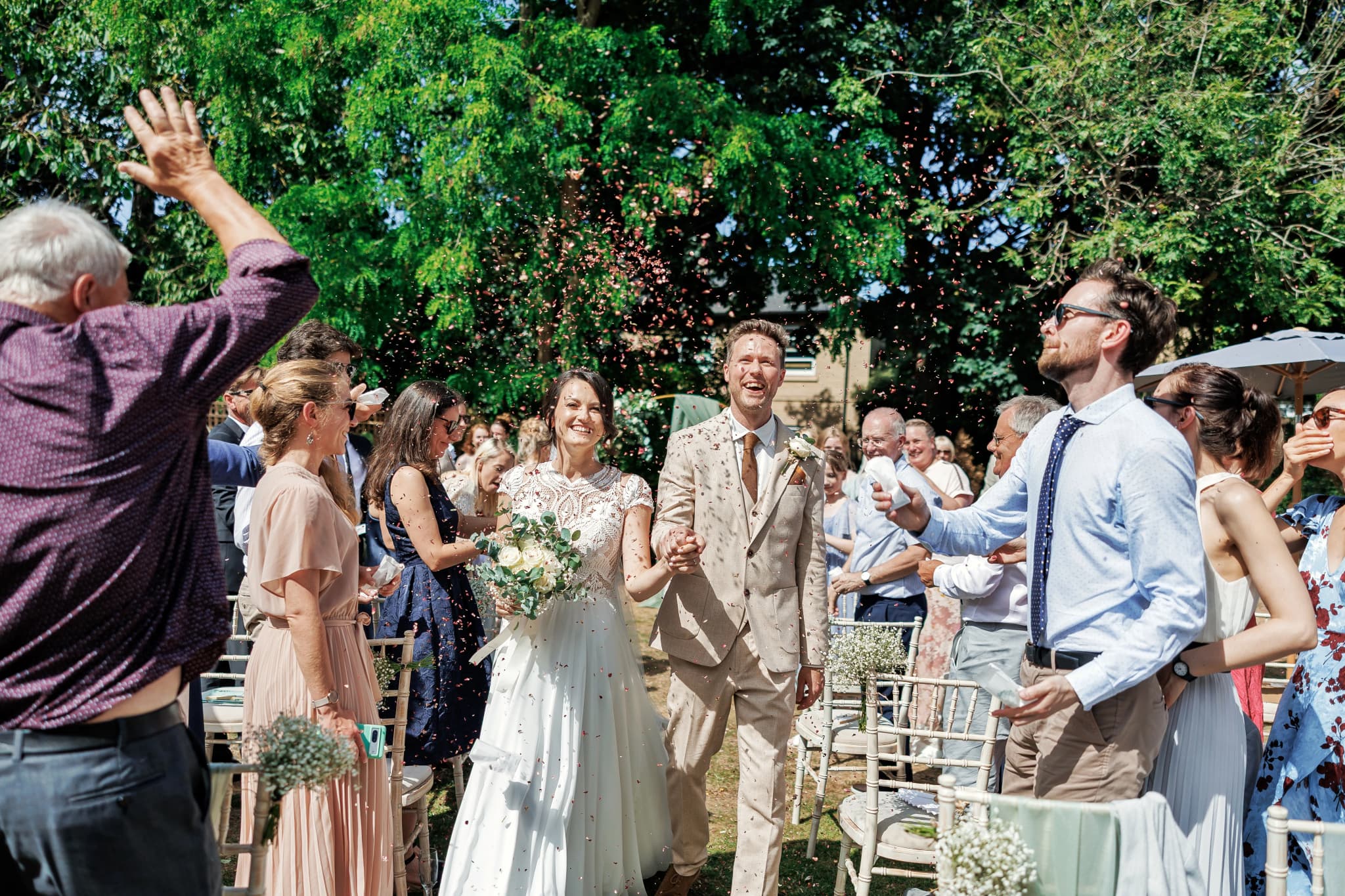
There is a practical reason sustainable weddings tend to look beautiful in photographs, and it has nothing to do with trend or fashion. Choices that reduce waste and environmental impact very often overlap with choices that create richer, more varied visual texture. Locally grown, seasonal flowers arranged by hand have an irregularity and a range of tone that mass-imported, uniform blooms simply do not. Reclaimed wood, vintage hire furniture, and repurposed decor carry a history and a patina that new, disposable items cannot replicate. Even confetti made from dried petals rather than paper or plastic catches light differently as it falls, and it decomposes into the grass afterwards instead of needing to be swept up.
Sustainable choices also tend to slow a day down in a good way. Couples who have thought carefully about where their flowers come from or how their guests will travel have usually thought carefully about the whole shape of the day too, and that consideration shows up in unhurried, unforced moments rather than a tightly scripted itinerary. From behind a camera, a day with more breathing room and more natural texture is simply easier to photograph well.
Seasonal, Local Flowers and Foliage
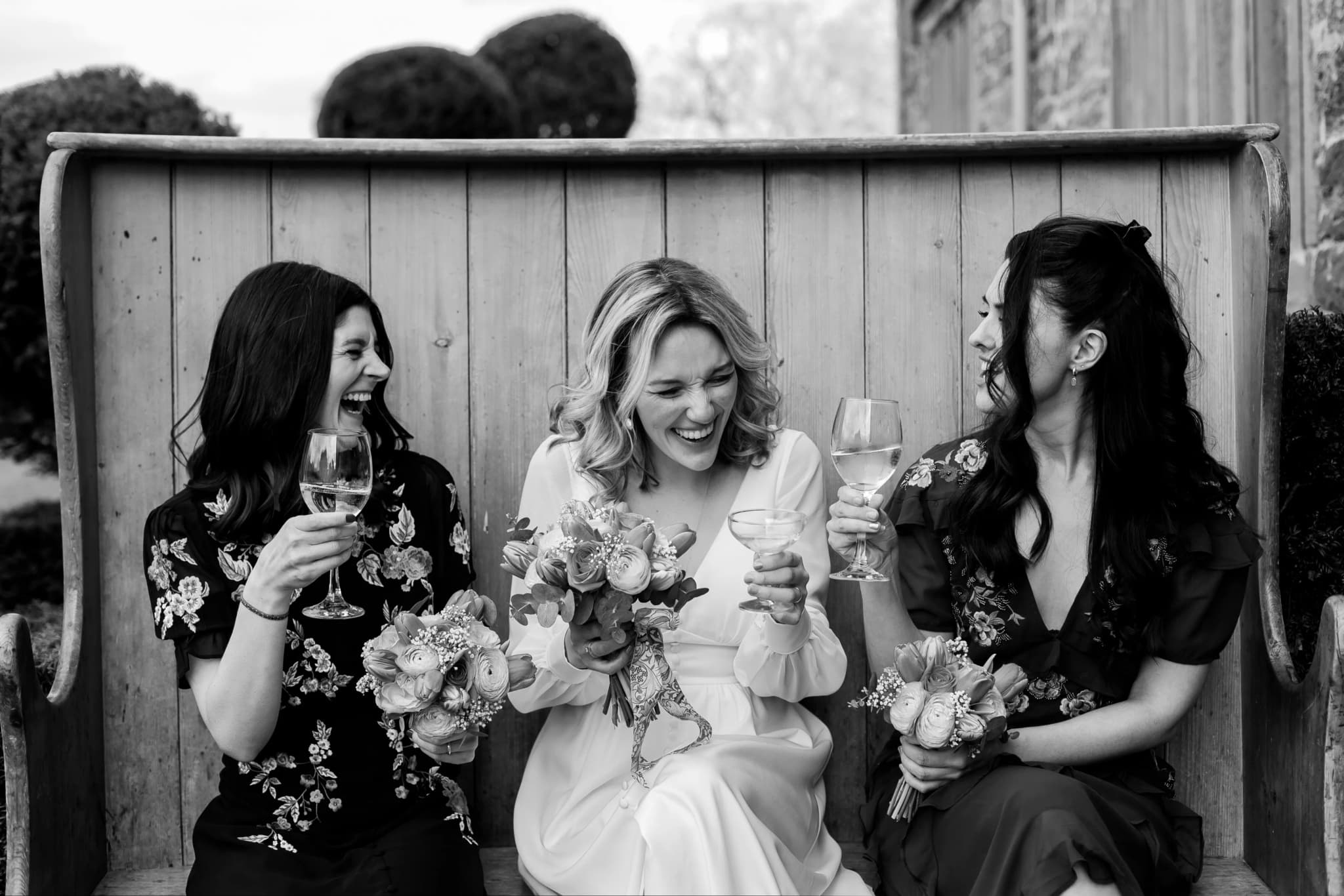
Flowers are usually where the sustainable-wedding conversation starts, and for good reason — they are often the single most visually dominant element of the day's styling, appearing in the bouquet, buttonholes, table settings, arches, and venue dressing. Choosing flowers that are in season in the UK and grown as close to the venue as possible, rather than flown in from overseas, tends to produce arrangements with more character: garden roses with slightly imperfect petals, trailing sweet peas, ranunculus with layered colour, catkins and grasses that move in the breeze. These irregular, organic shapes catch light beautifully and photograph with a softness that very tightly structured, uniform florist-shop arrangements often lack.
Foliage-forward styling is another direction I see more of each year, and it photographs wonderfully. Trailing ivy, eucalyptus, olive branches, and ferns woven through an arch or along a table runner add depth and greenery without requiring huge quantities of cut flowers. In low autumn or spring light, foliage catches a rim of light along its edges that gives images a real sense of depth, and it holds up far better through a long day than delicate blooms do, which matters if your ceremony is in the morning and your photographs continue into the evening.
If sustainability is a priority for your flowers specifically, it is worth asking your florist directly about their sourcing — whether they grow their own stock, buy from British flower farms, or use a wholesaler who sources seasonally. I am always glad to photograph whatever direction you land on; my role is simply to make the most of the colour, texture, and light you and your florist create together.
Outdoor and Natural Venues
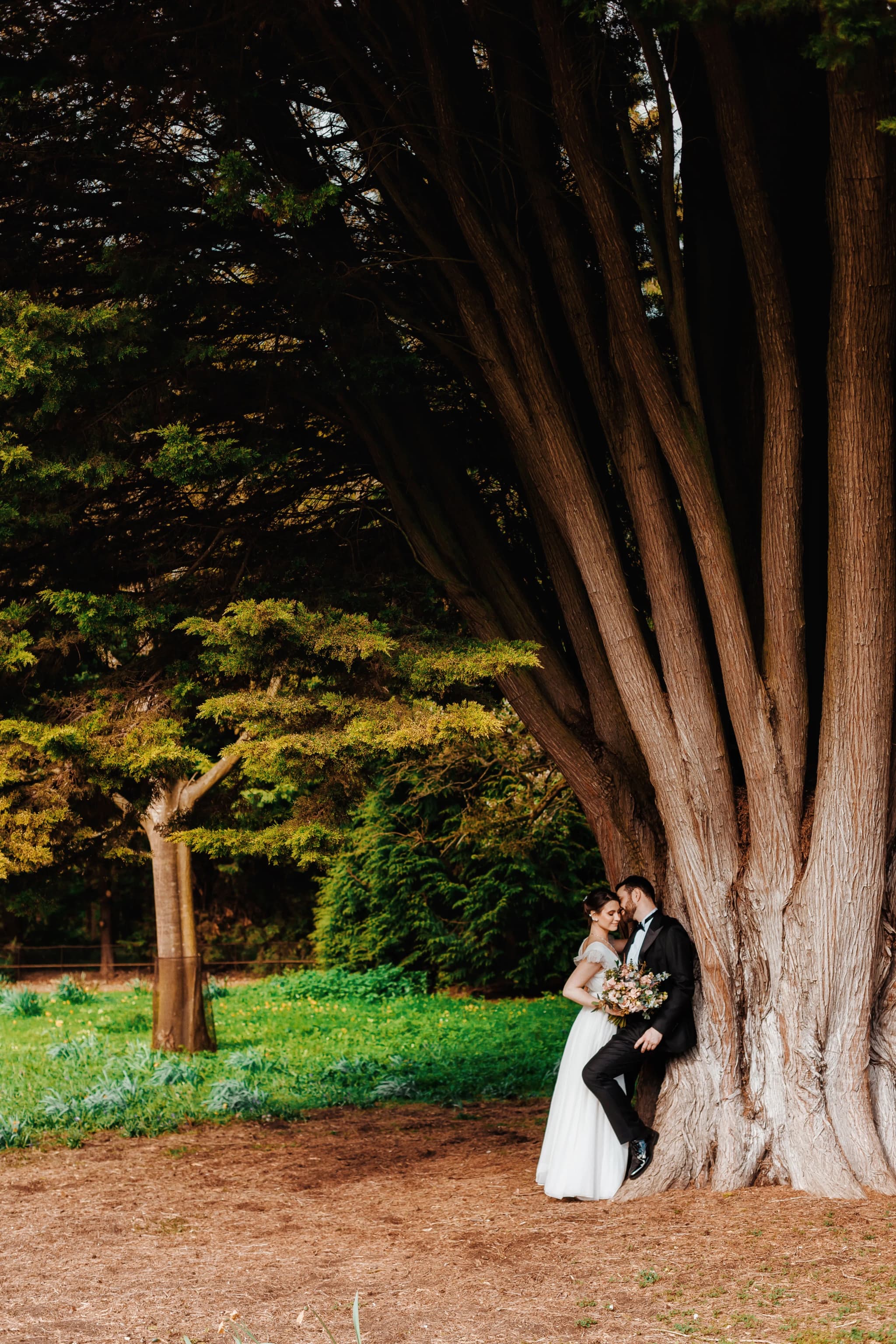
Many sustainably minded couples gravitate towards venues that lean into their natural surroundings rather than requiring heavy transformation — a barn with its original timber left exposed, a walled garden used largely as it already is, a woodland clearing, or a marquee pitched in a meadow rather than a conference room requiring extensive draping and lighting rigs to feel warm. This approach reduces the amount of imported decor, power, and single-use material needed to make a space feel right, and it also happens to give a photographer an enormous amount to work with.
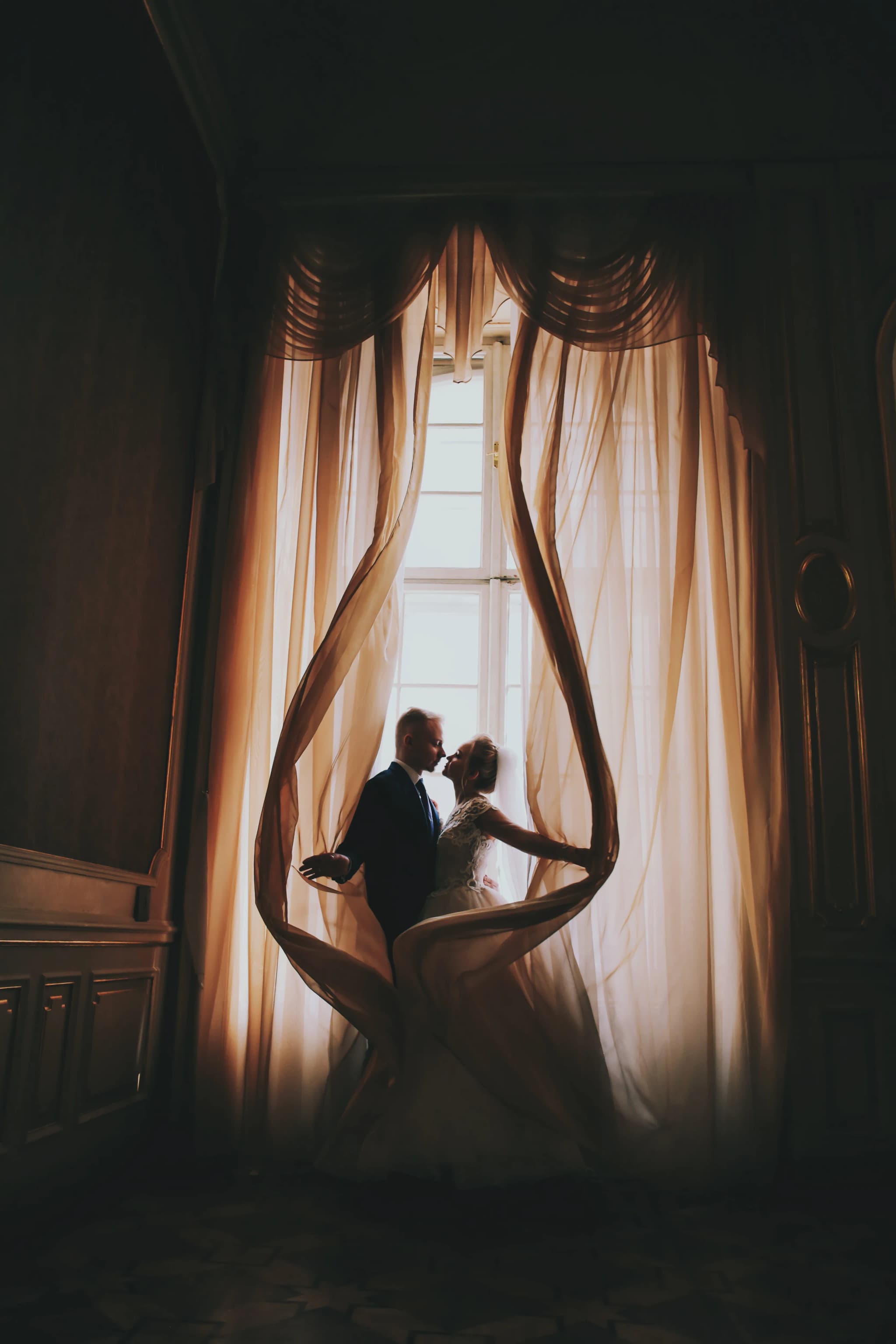
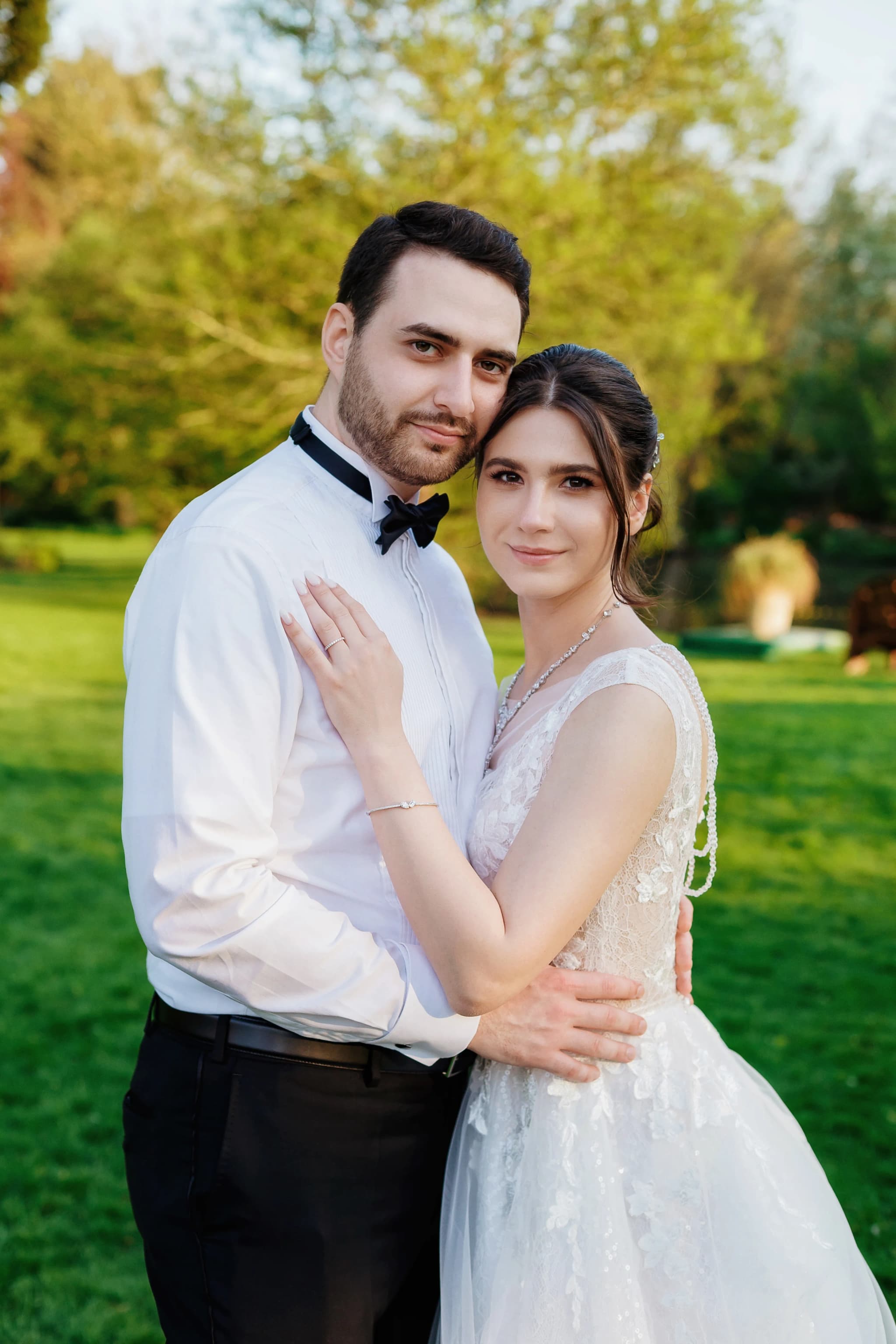
Natural light is the most valuable resource in any wedding photograph, and venues that embrace their outdoor setting tend to offer it generously. A ceremony under trees, a wedding breakfast in a marquee with the sides rolled up on a warm afternoon, or portraits taken in the surrounding fields and gardens as the light softens towards evening — these settings give images a groundedness and a sense of place that a fully enclosed, artificially lit room cannot match. If your chosen venue has meadows, orchards, or woodland on site, I always build time into the day's schedule to use them, ideally in that hour or so before sunset when the light is at its warmest and most flattering.
Reclaimed, Reused, and Rented Decor
One of the clearest signs of a thoughtfully planned sustainable wedding is decor that has clearly had a life before this particular day, or will have one after it. Vintage hire furniture, mismatched crockery collected or borrowed rather than bought new, candles reused from a previous event, table linens that will be laundered and used again, and signage written on reclaimed materials rather than printed and discarded — all of this reads visually as warm and layered rather than sparse or thrifty. Mismatched and vintage items in particular photograph with far more character than an entirely coordinated, brand-new set, because every piece has slightly different tone, wear, and shape.
Couples going down this route often source decor through hire companies who specialise in vintage and reclaimed pieces, through swap or resale groups within the wedding community, or simply by borrowing from family. Whatever the source, the effect for me as a photographer is the same: a table setting with genuine visual variety, which is always more interesting to shoot in detail shots than a uniform, catalogue-matched arrangement. I would gently suggest, if this is a direction you are considering, spending a little time with your decor laid out before the day so you know how it photographs in daylight — textures and slightly different shades of ivory or brass can look wonderful in person and need a slightly different framing approach in photographs than a perfectly matched set.
Planning a sustainable wedding of your own?
I love photographing weddings built around thoughtful, low-impact choices — the natural textures, seasonal colour, and unhurried pace all translate beautifully into images. I would be happy to talk through how your day is shaping up and how I can capture it well.
Get in touch about your weddingThoughtful Guest Details: Favours, Stationery, and Transport
Sustainable choices often extend into the smaller details that guests interact with directly, and these tend to make lovely, intimate photographs precisely because they are handled and used rather than purely decorative. Seed-paper place cards that guests can plant afterwards, favours of local honey or homemade preserves in reused jars, stationery printed on recycled or plantable paper, and reusable or compostable tableware in place of single-use plastic all give a table setting genuine tactile interest. I like photographing these details close up, in the morning light before guests arrive, when the textures of paper, twine, and natural materials are at their crispest.
Transport is another area where sustainably minded couples often make deliberate choices — walking between ceremony and reception if the venue allows it, arranging shared transport for guests rather than everyone driving separately, or choosing a venue where accommodation is on site so nobody needs to travel late at night. From a photography perspective, a couple walking together between locations, guests strolling across a field in their wedding outfits, or a relaxed group scene forming naturally at a shared pick-up point all tend to produce far more candid, storytelling images than a car park full of separate vehicles ever could.
None of these choices need to be shouted about or explained to guests for them to work photographically. The value, visually, comes from the fact that handmade, reused, and locally sourced items simply have more variation and warmth than uniform, disposable alternatives, and that variation is what a camera responds to.
A Colour Palette That Grows From the Season
Rather than choosing an artificial colour scheme and then sourcing flowers, stationery, and outfits to match it exactly, many sustainably minded couples let their palette grow from whatever is genuinely in season and locally available at the time of year they are marrying. A late spring wedding might lean into fresh greens, soft yellows, and the pale pinks of blossom; a high summer wedding into deeper greens, warm terracottas, and the full range of garden flower colour; an autumn wedding into rust, burgundy, mustard, and the golds of turning leaves; a winter wedding into deep evergreen, berry reds, and the quiet palette of bare branches and frost. This approach almost always produces a colour story that feels coherent with its setting, because it is drawn directly from what is actually growing and available around the venue at that time.
As a photographer, I find seasonally-led palettes far easier to work with than an artificially imposed scheme, because the colours in the flowers, the surrounding landscape, and the natural light of that time of year are already in harmony with one another. It removes the risk of decor colours clashing with the greens of a summer garden or the golds of an autumn woodland, and it means the images have a coherence that runs through every element of the day without anyone having to force it.
Working With Your Photographer on the Sustainability Side
If reducing your wedding's environmental impact matters to you, it is worth mentioning early in your planning conversations with any supplier you book, myself included. On my side, that can mean things as simple as travelling to your venue in a single vehicle rather than making multiple trips, delivering your final images through an online gallery rather than defaulting to printed proofs you have not asked for, and offering archival, reusable album materials rather than short-lived, disposable print packages as your main product option. It also means being genuinely happy to work around a day that has been planned with care rather than expecting a conventional, heavily styled format — a marquee in a meadow with rolled-up sides and dappled light needs a different photographic approach than a fully dressed hotel ballroom, and I enjoy that difference rather than seeing it as a constraint.
Ultimately, the most sustainable wedding is one that reflects who you both actually are, made with materials and choices you feel good about, rather than a rigid set of rules imposed from outside. Some couples want every element considered from an environmental angle; others simply want a handful of meaningful choices — local flowers, a favourite outdoor spot, food that reflects the season — alongside everything else they love about their day. Both approaches photograph beautifully, because both come from genuine intention rather than obligation, and that intention is always visible in the images afterwards.
A sustainable wedding, at its heart, tends to be a wedding built from real, tactile, locally rooted choices — and those are exactly the choices that give photographs their warmth, their texture, and their sense of place. If you are planning a wedding with sustainability in mind and would like to talk through how the day might come together, from the light at your venue to the small details worth planning time for, please get in touch. I would love to hear about your plans and help you think through how to capture them well.


Yana Skakun
Photographer · England
Professional wedding, family and portrait photographer based in England. Passionate about capturing authentic emotions and timeless moments.
About Yana →sustainable wedding photoseco-friendly wedding photographygreen wedding inspirationseasonal wedding flowers UKsustainable wedding planning
Wedding Tips — Wedding Photography in Cambridge & England
Yana Skakun is a professional wedding photographer based in Cambridge, covering weddings across England — from intimate elopements to full-day ceremonies at country houses, barns, and city venues. Every couple receives a relaxed, documentary approach that captures the day as it truly unfolds. This guide — Sustainable "Green" Wedding Theme Photo Inspiration — is part of the photography journal: practical, experience-based advice drawn from real sessions across England. Whether you arrived searching for sustainable wedding photos or eco-friendly wedding photography, the same care and attention shapes every session Yana photographs.
Wedding Photography sessions are available year-round, with bookings open across Cambridge, Ely, Huntingdon, Peterborough, and further afield — East England, London, the Midlands, and beyond. If you have specific questions about green wedding inspiration, mention it in your enquiry. Get in touch through the contact form above to check availability and discuss your session. Enquiries are welcomed from anywhere in the UK.
Frequently Asked Questions
How much does a wedding photographer cost in England?+
Wedding photography in England typically ranges from £1,500 to £4,000+ for a full day. Price depends on experience, coverage hours, and whether albums or engagement shoots are included. Most photographers charge between £2,000–£3,000 for 8–10 hours of coverage.
How early should you book a wedding photographer?+
For peak season (May–September), book 12–18 months in advance. For autumn and winter weddings, 9–12 months is usually sufficient. Popular photographers at popular venues fill up fast — as soon as you have a date and venue confirmed, start reaching out.
How many photos do you get from a wedding photographer?+
Most professional wedding photographers deliver 400–800 edited images for a full-day wedding. The exact number depends on coverage hours, how many guests there are, and the photographer's editing style. Quality matters more than quantity — a curated gallery of 500 images tells the story better than 1,500 unedited files.
Do you need a second photographer at your wedding?+
A second photographer is helpful if you want simultaneous coverage of getting-ready moments in different locations, multiple angles during the ceremony, or more candid coverage during the reception. It adds cost but significantly increases the variety and completeness of your gallery.
What is the difference between documentary and editorial wedding photography?+
Documentary (reportage) wedding photography captures moments as they happen — the photographer observes and doesn't intervene. Editorial photography involves deliberate direction: placing you in good light, shaping compositions, creating intentional portraits. Most photographers blend both styles throughout the day.
Continue Reading
Related Articles

Wedding Tips
Sustainable Eco-Friendly Wedding Guide — Planning a Green Celebration
15 min read · Read Article
Wedding Tips
Trash the Dress Session — Complete Planning and Photography Guide
14 min read · Read Article
Wedding Tips
Client Communication for Photographers — From Enquiry to Gallery Delivery
15 min read · Read Article
Get in Touch
Ready to Book Your Session?
Get in touch to discuss your vision — I'll reply within 24 hours.