Yana Skakun
Tithe Barn Weddings: Photography Tips for Ancient Stone Barns
By Yana Skakun·20 March 2026·6 min read
Tithe barns are among the most extraordinary wedding venues England has to offer — vast medieval structures built to collect agricultural dues on behalf of the Church, now repurposed as some of the most atmospheric settings imaginable for a ceremony and celebration. As a wedding photographer, I have spent time in many of them, and I can say with confidence that no modern venue, however beautifully designed, quite replicates the quality of presence these buildings carry. The timber frames are hand-hewn, the stone walls are a metre thick, and the light falls in ways that have not changed in seven hundred years.
The Architecture That Makes Tithe Barns Special
True medieval tithe barns were constructed between roughly the twelfth and fifteenth centuries, built on a scale that reflected the wealth and ambition of the Church institutions that commissioned them. The most celebrated examples — Great Coxwell in Oxfordshire, Bradford-on-Avon in Wiltshire, Harmondsworth in Middlesex, the Wheat Barn at Cressing Temple in Essex — are essentially secular cathedrals, with roof structures of extraordinary complexity balanced on stone pillars and oak posts that have stood without significant repair for centuries.
For a wedding photographer, the architectural logic of a tithe barn is almost perfectly suited to making great images. The proportions create a natural interplay between the human figures of the couple and the immense scale of the space around them — something that gives photographs a cinematic, almost timeless quality that couples consistently tell me they were not expecting when they first see the results. The irregularity of surfaces matters too: hand-hewn timbers blackened by centuries of use, rough-cut stone with moss and lichen still visible in the joints, uneven flagstone floors that catch and scatter available light in endlessly varied ways.
No two tithe barns are alike. Some are predominantly stone, with the heavy, cool character of a Norman church. Others are timber-framed to the ground, warmer and more golden in tone. Understanding the particular character of your venue before the wedding day is one of the first things I do — visiting in advance, at the same time of day as the ceremony, to map exactly where the light will fall and which corners of the building will be most useful to us.
Light in a Medieval Building
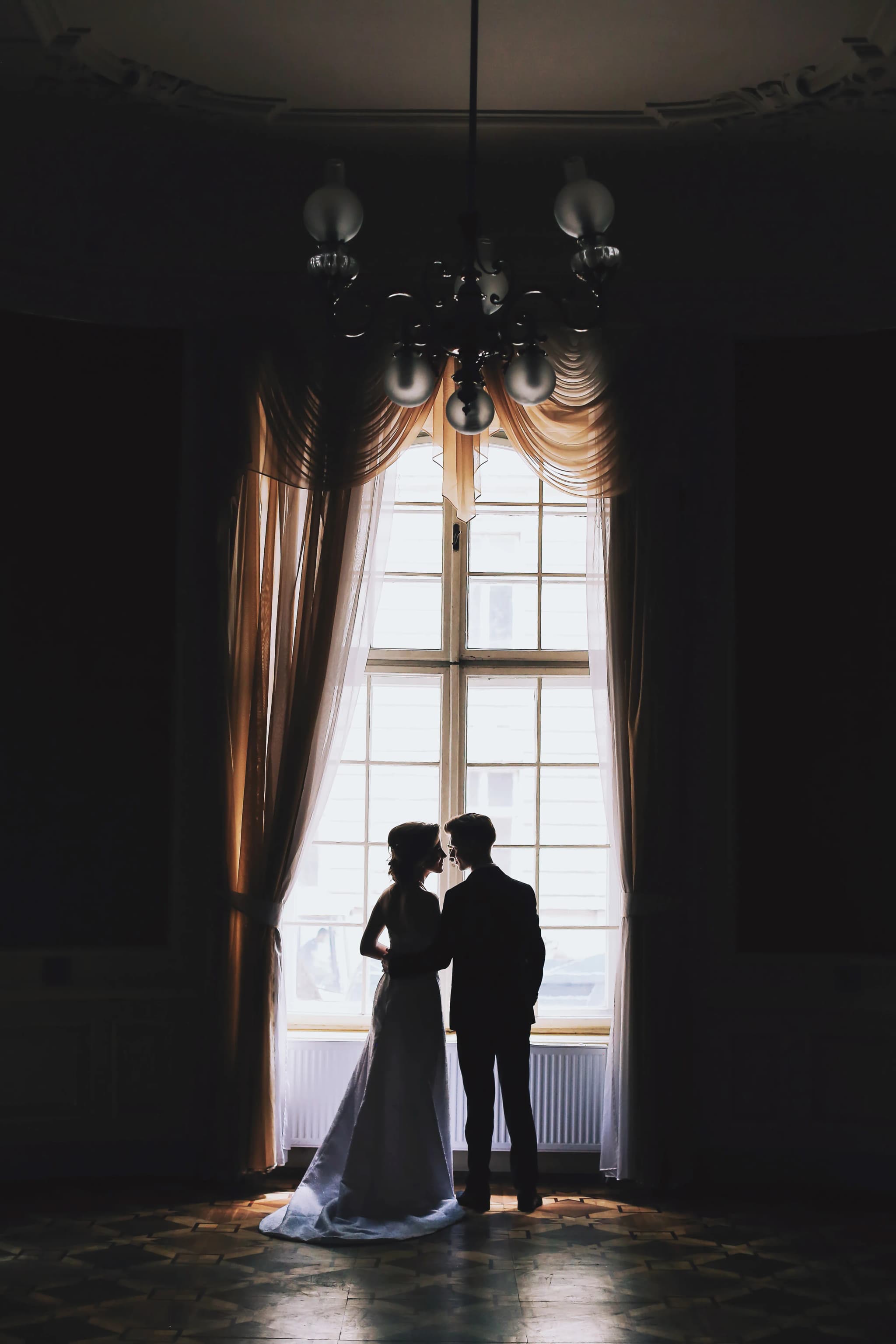
The single most distinctive photographic quality of a tithe barn is the light. Medieval builders placed windows sparingly, set high into thick stone walls, and the result is a quality of illumination that is genuinely unlike anything a modern building can produce. Light enters in narrow shafts, falls steeply from height, and picks out dust motes, stone textures, and human faces in a way that is simultaneously dramatic and extraordinarily flattering.
In practical terms, this means that the position of a couple during the ceremony — relative to a doorway, a high window, a gap in the timbers above — matters enormously. I always discuss seating and ceremony layout with couples and their venue coordinator well in advance, not to override any arrangements, but to make small suggestions that can significantly improve the photographs. Standing a couple two feet to the left of where the venue coordinator has initially placed them can mean the difference between a face in shadow and a face bathed in that extraordinary medieval sidelight.
Evening light in a tithe barn is a different story again. As the sun drops and the interior is lit primarily by candles, lanterns, or the warm glow of festoon lights strung between the rafters, the space transforms completely. The same stone walls that were cool and austere at midday become warm and intimate after dark. I always plan with couples to capture images at both ends of the day — the clean, directional daylight of the ceremony and the warm, ambient glow of the evening reception — because both moods are genuinely beautiful and they tell a complete story of the day.
Notable Tithe Barn Venues in England
Couples across the south and midlands of England are within reach of several outstanding tithe barn venues. In Oxfordshire, Great Coxwell near Faringdon is managed by the National Trust and, while not licensed for ceremonies, is available for photography and occasionally for private hire — the building itself is one of the finest medieval structures in England, and arriving there on an overcast morning with a couple in wedding attire produces images that I think of among the most striking I have made. The Tythe Barn at Priston Mill near Bath is a fully licensed wedding venue with excellent facilities, and the combination of the barn interior with the surrounding Somerset countryside is especially strong.
In Wiltshire, the Bradford-on-Avon tithe barn is another National Trust property of genuine grandeur, while closer to Cambridge and East Anglia, Cressing Temple Barns in Essex offer two extraordinary medieval timber-framed barns — the Wheat Barn and the Barley Barn — licensed for civil ceremonies and set within a working farm with considerable photographic potential in the surrounding landscape. For couples in the Home Counties, venues such as Tewin Bury Farm in Hertfordshire and Lains Barn in Oxfordshire combine the barn character with strong grounds and good logistical support for larger weddings.
If you are still in the venue search phase, I am always happy to share thoughts on venues I have worked in and what they are like photographically. The licensing situation, the direction the building faces, the quality of the grounds around it, and the flexibility of the venue team all matter as much as the beauty of the building itself, and having a photographer's perspective on these questions alongside your other advisors is genuinely useful.
What to Expect During the Wedding Day
A tithe barn wedding day has a particular rhythm that differs slightly from a marquee or hotel wedding. Couples arrive into a space that already has extraordinary atmosphere — there is no need to create mood through decoration, because the building does most of the work. This means that even relatively simple styling reads beautifully on camera: a few arrangements of seasonal flowers, some well-placed candles, and the natural texture of the building creates images that look effortlessly considered.
I typically aim to arrive at least ninety minutes before the ceremony to make wide establishing shots of the space while it is still empty and the light is clean. These images — the rows of chairs in the nave of the barn, the arrangement of flowers against ancient stone, the long perspective from the entrance porch to the altar or ceremony focus — are among the most important of the day, and they require the space to be clear and the light to be right. Once guests arrive, that particular quality of image is no longer available, so capturing it first is a priority.
During the ceremony itself, I work with as little disruption as possible. Tithe barn ceremonies have a natural acoustic quality — the slightly resonant echo of stone and timber — that creates a beautiful atmosphere for vows and readings, and I am careful never to intrude on that. My goal is for the couple and their guests to be completely unaware of me during the ceremony, while I document it fully from a variety of positions.
Thinking about a tithe barn wedding?
These are the venues I find most creatively exciting to photograph, and I have thought carefully about how to get the best from their extraordinary architecture and light. If you are planning a tithe barn ceremony or reception anywhere in the south of England or East Anglia, I would love to hear about it. Get in touch to talk through your day — or explore the full wedding photography gallery to see more of my work in historic venues.
Portraits in and Around the Barn
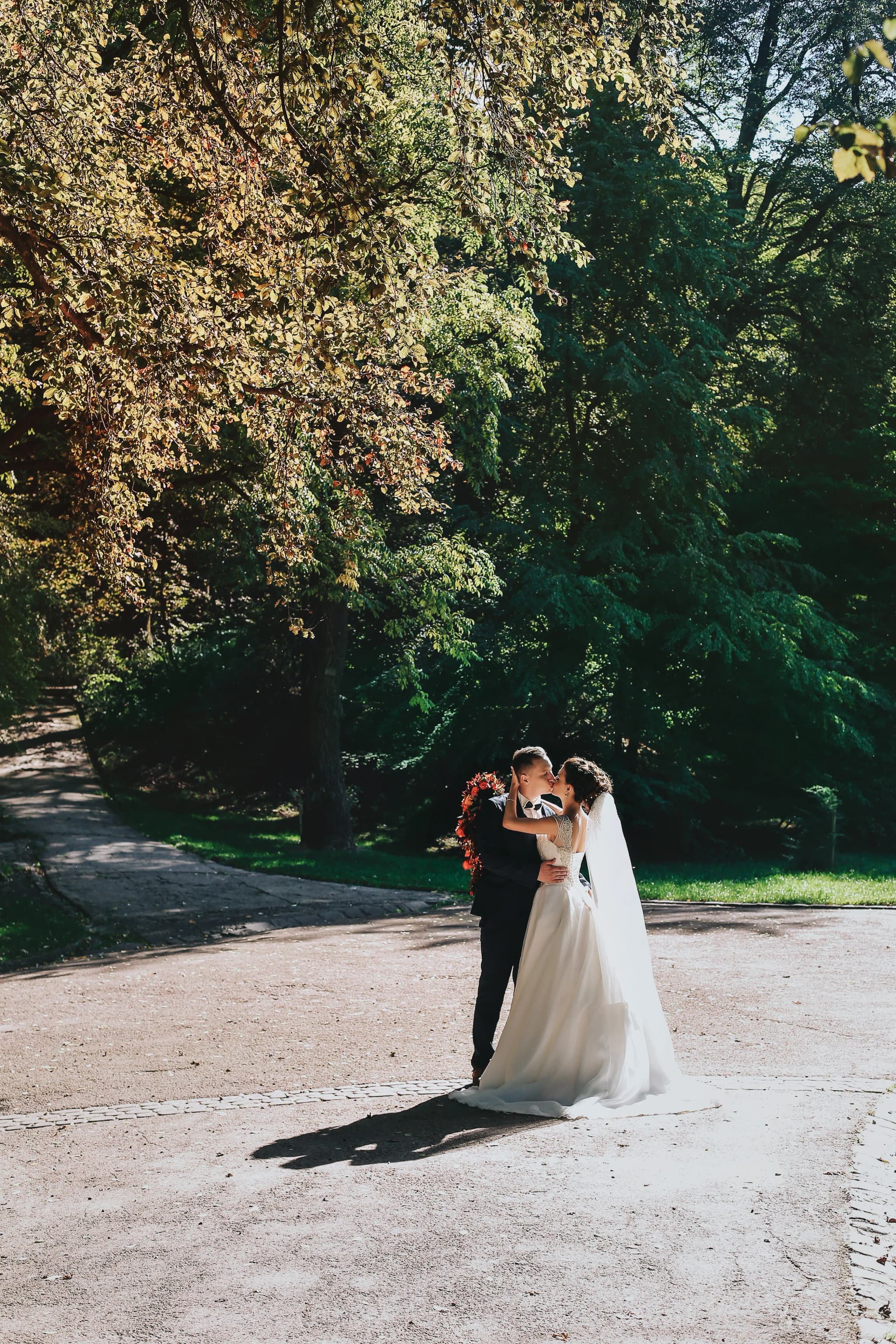
The portrait session — typically thirty to forty-five minutes carved out of the mid-afternoon while guests enjoy the drinks reception — is where the architectural character of a tithe barn really comes into its own. The doorways of these buildings, often framed by original timber or dressed stone, create natural framing devices that I use regularly. A couple standing in a great medieval doorway, with the landscape beyond them and the darkness of the barn interior behind, produces a portrait that I find consistently powerful and which couples always identify as among their favourite images from the day.
Most tithe barn venues have strong grounds as well. Cressing Temple, for example, sits within a walled garden and working farm that offer a variety of backgrounds quite different in character from the barn interior itself. The contrast between the intimacy of a garden portrait and the grandeur of the barn is something I often use deliberately, varying the scale and character of images so that the final gallery tells a complete story rather than repeating the same visual note throughout.
For couples who are uncertain about being photographed — and many are, even when they have chosen a photographer they trust — a tithe barn actually helps. The scale of the space naturally draws the eye to architecture and detail, which means I spend a lot of time during the portrait session directing the couple's attention to specific features of the building, asking them to look at particular beams or out through particular openings. When people have something genuinely interesting to look at, they forget about the camera, and the most natural, relaxed portraits are always made in those moments of genuine attention.
Practical Preparation for Couples
A few practical notes that will help us make the most of a tithe barn venue together. Dress colours respond differently in this environment than in a modern venue: cream, ivory, and warm white gowns tend to read beautifully against ancient stone and timber, while very bright white can occasionally feel slightly discordant with the warm, aged tones of the building. This is a minor consideration and entirely a matter of personal preference, but it is worth knowing.
Footwear deserves a mention. Tithe barn floors are frequently flagstone, cobble, or compacted earth, and very high heels can be uncomfortable over the course of a full day. Many brides choose to change shoes between the ceremony and the dancing, which is entirely sensible. It is also worth confirming with your venue whether the floor has been levelled or reinforced — some barns have done this sympathetically, while others retain the full irregularity of the original surface.
Finally, seasonal timing matters more at a tithe barn than at most venues. In summer, the thick stone walls keep the interior remarkably cool — which is a genuine asset on a warm July or August day, both for guest comfort and for the quality of available light. In winter, the same walls can make the space feel very cold, and couples planning a winter tithe barn wedding should confirm the heating arrangements carefully. The visual character of a winter barn wedding — candles, dark timber, fur wraps and breath in cold air — can be absolutely beautiful, but it requires thoughtful planning to ensure guests are comfortable.
Photographing a wedding in a tithe barn is, for me, one of the genuinely privileged experiences this work offers. These buildings carry a quality of time and place that no amount of styling can manufacture, and the photographs that come out of them reflect that — couples tell me regularly that their tithe barn wedding images have a quality they cannot quite articulate, something older and quieter than they expected, that they find themselves returning to long after the day itself has passed. If you are considering a tithe barn venue, I would encourage you to trust the instinct that drew you to it. These are extraordinary places, and they make extraordinary photographs.

Yana Skakun
Photographer · England
Professional wedding, family and portrait photographer based in England. Passionate about capturing authentic emotions and timeless moments.
About Yana →tithe barn wedding photographyancient barn wedding photographermedieval barn wedding venue
Wedding Tips — Wedding Photography in Cambridge & England
Yana Skakun is a professional wedding photographer based in Cambridge, covering weddings across England — from intimate elopements to full-day ceremonies at country houses, barns, and city venues. Every couple receives a relaxed, documentary approach that captures the day as it truly unfolds. This guide — Tithe Barn Weddings: Photography Tips for Ancient Stone Barns — is part of the photography journal: practical, experience-based advice drawn from real sessions across England. Whether you arrived searching for tithe barn wedding photography or ancient barn wedding photographer, the same care and attention shapes every session Yana photographs.
Wedding Photography sessions are available year-round, with bookings open across Cambridge, Ely, Huntingdon, Peterborough, and further afield — East England, London, the Midlands, and beyond. If you have specific questions about medieval barn wedding venue, mention it in your enquiry. Get in touch through the contact form above to check availability and discuss your session. Enquiries are welcomed from anywhere in the UK.
Frequently Asked Questions
How much does a wedding photographer cost in England?+
Wedding photography in England typically ranges from £1,500 to £4,000+ for a full day. Price depends on experience, coverage hours, and whether albums or engagement shoots are included. Most photographers charge between £2,000–£3,000 for 8–10 hours of coverage.
How early should you book a wedding photographer?+
For peak season (May–September), book 12–18 months in advance. For autumn and winter weddings, 9–12 months is usually sufficient. Popular photographers at popular venues fill up fast — as soon as you have a date and venue confirmed, start reaching out.
How many photos do you get from a wedding photographer?+
Most professional wedding photographers deliver 400–800 edited images for a full-day wedding. The exact number depends on coverage hours, how many guests there are, and the photographer's editing style. Quality matters more than quantity — a curated gallery of 500 images tells the story better than 1,500 unedited files.
Do you need a second photographer at your wedding?+
A second photographer is helpful if you want simultaneous coverage of getting-ready moments in different locations, multiple angles during the ceremony, or more candid coverage during the reception. It adds cost but significantly increases the variety and completeness of your gallery.
What is the difference between documentary and editorial wedding photography?+
Documentary (reportage) wedding photography captures moments as they happen — the photographer observes and doesn't intervene. Editorial photography involves deliberate direction: placing you in good light, shaping compositions, creating intentional portraits. Most photographers blend both styles throughout the day.
Continue Reading
Related Articles

Wedding Tips
Sustainable Eco-Friendly Wedding Guide — Planning a Green Celebration
15 min read · Read Article
Wedding Tips
Trash the Dress Session — Complete Planning and Photography Guide
14 min read · Read Article
Wedding Tips
Client Communication for Photographers — From Enquiry to Gallery Delivery
15 min read · Read Article
Get in Touch
Ready to Book Your Session?
Get in touch to discuss your vision — I'll reply within 24 hours.