Yana Skakun
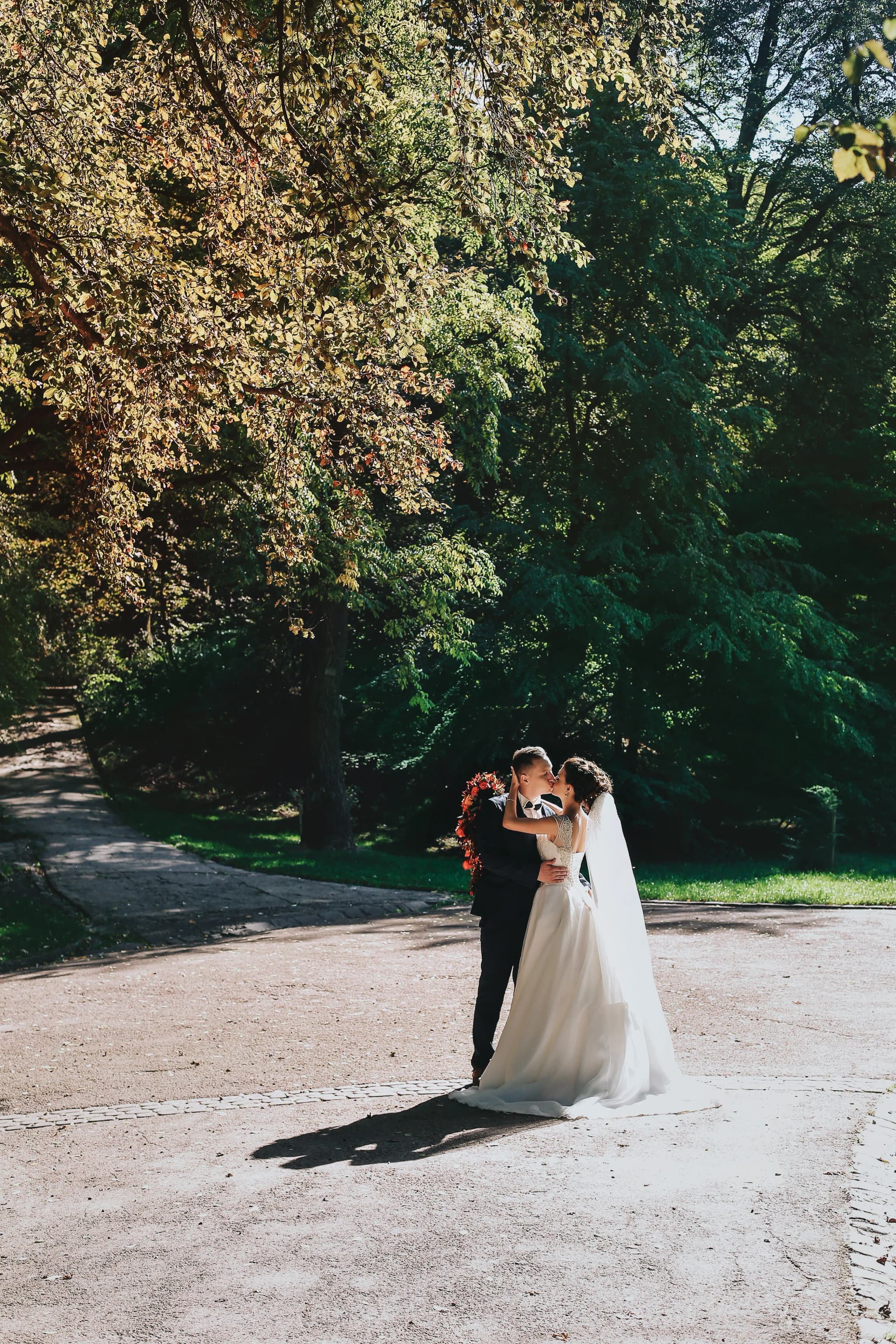
Celebrating Two Brides: Beautiful Lesbian Wedding Photography
By Yana Skakun·19 March 2026·6 min read
When two women marry, something quietly revolutionary happens in wedding photography: the entire visual language of the day opens up. There is no groom-facing-away, no bride-being-given-away, no asymmetric silhouette to chase. Instead, there are two people utterly in love, two bridal aesthetics in conversation, and a day that belongs entirely to them. As a photographer who has had the privilege of documenting many same-sex weddings across Cambridge, London, and the wider UK, I can say with conviction that two-bride weddings produce some of the most emotionally layered and visually stunning photographs I have ever made.
Rethinking the Wedding Photography Template
Traditional wedding photography has, for generations, followed a familiar choreography built around a heterosexual framework: the groom waiting at the altar, the bride revealed on her father's arm, the first dance with the taller partner leading. These are beautiful conventions, but they are conventions, not laws. When both partners are brides, that entire script becomes something to be thoughtfully rewritten rather than awkwardly retrofitted.
In my experience, the most important shift is attitudinal. I arrive at a two-bride wedding with a completely open visual plan, having discussed with the couple in advance what their day looks and feels like to them. Some two-bride weddings have a clear aesthetic contrast between partners — one in a cathedral-length gown, one in a tailored jumpsuit — and that contrast becomes the visual backbone of the photographs. Others feature two remarkably similar dresses, and the photography leans into the symmetry, the echo, the doubled beauty of that choice.
What never changes is the emotional core. Anticipation, joy, tears, laughter, the quiet moment when two people look at each other and the rest of the room disappears. That is universal. That is what I am always chasing, regardless of gender.
The Morning Preparations: Double the Beauty
For many two-bride couples, the morning of the wedding means two separate preparations happening simultaneously, often in different rooms or different locations entirely. This presents a logistical question — do you hire a second photographer? — but also a spectacular creative opportunity. When I can document both preparations, the resulting gallery tells a richer, more complete story: two women each readying themselves, each surrounded by their closest people, each experiencing that particular private electricity of a wedding morning.
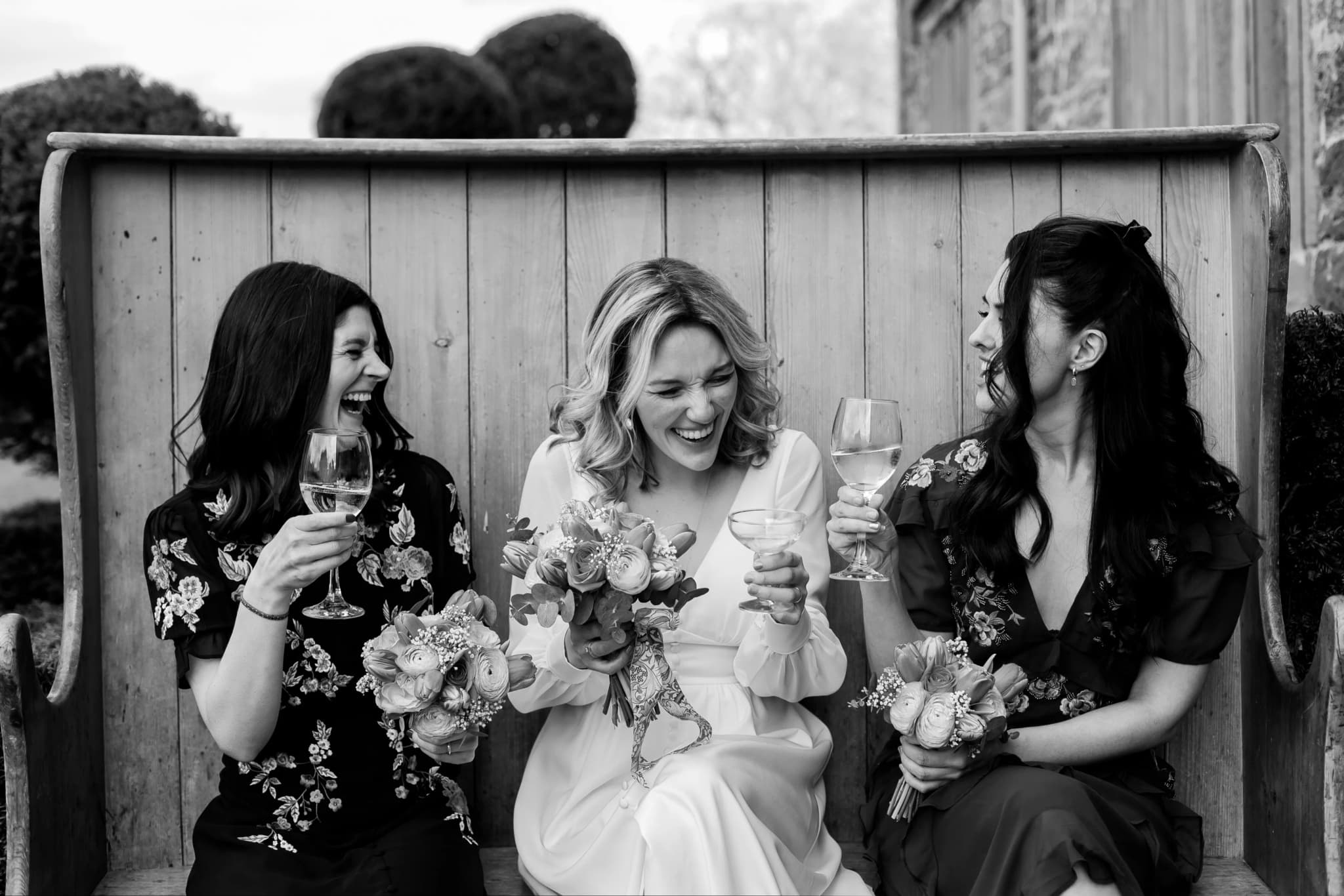
I strongly recommend allocating extra time in the morning schedule if both preparations are happening in the same venue. Moving between suites with camera and kit takes time, and the best preparation photographs are never rushed. Some of my favourite two-bride images have come from the quiet moments between the chaos: one bride sitting still while her makeup is finished, the other laughing with her bridesmaids over a glass of champagne, both entirely unaware of being photographed.
If you are marrying at a Cambridge college, a country house hotel in the Cotswolds, or a London townhouse, the preparation spaces are often architecturally beautiful and worth using as a backdrop. Natural window light in the early hours is extraordinary. I always scout the preparation rooms when I arrive so I can position myself before the most significant moments happen.
First Look and Ceremony Moments
The first look — the planned, private moment where partners see each other before the ceremony — is genuinely popular among two-bride couples, and I understand why. Many same-sex couples have waited years, sometimes decades, for the legal right to marry. The first look gives them a moment of pure, unmediated joy before the ceremony begins, a moment that belongs entirely to the two of them and not to an audience. As a photographer, these are among the most emotionally intense moments I have the privilege of witnessing. I position myself to capture both faces simultaneously without intruding on the intimacy.
At the ceremony itself, two-bride weddings offer visual opportunities that are genuinely unique. Two sets of vows delivered with equal weight and ceremony. Two rings exchanged. Often two bouquets, each reflecting the individual personality of the woman holding it. I focus particularly on the exchange of rings — the hands of two brides reaching toward each other is an image that holds enormous symbolic weight — and on the faces of guests, who are so often visibly moved.
Many UK ceremonies, whether at licensed venues, in gardens, or in the civil ceremony rooms of historic houses, allow me to move relatively freely. I use a longer lens to stay unobtrusive while capturing close expressions, then shift to a wider angle for the environmental shots that show the scale and beauty of the setting. If your ceremony involves particular rituals — a handfasting, a unity candle, a signing of a document with personal significance — please tell me in advance so I can position myself correctly.
A note on posing guidance
When we do portrait time together, I never default to "one of you stand here, one of you stand there" with roles assigned by height or convention. Instead, I invite you both to move naturally — walk toward me, lean together, look at each other, laugh at something only you two understand. The best portraits from two-bride weddings come from genuine interaction, not from mirroring heterosexual posing templates. If you are nervous about being photographed, tell me: I will spend our couples session helping you forget the camera is there. Get in touch to talk through your day.
Portrait Sessions: Finding Your Visual Language Together
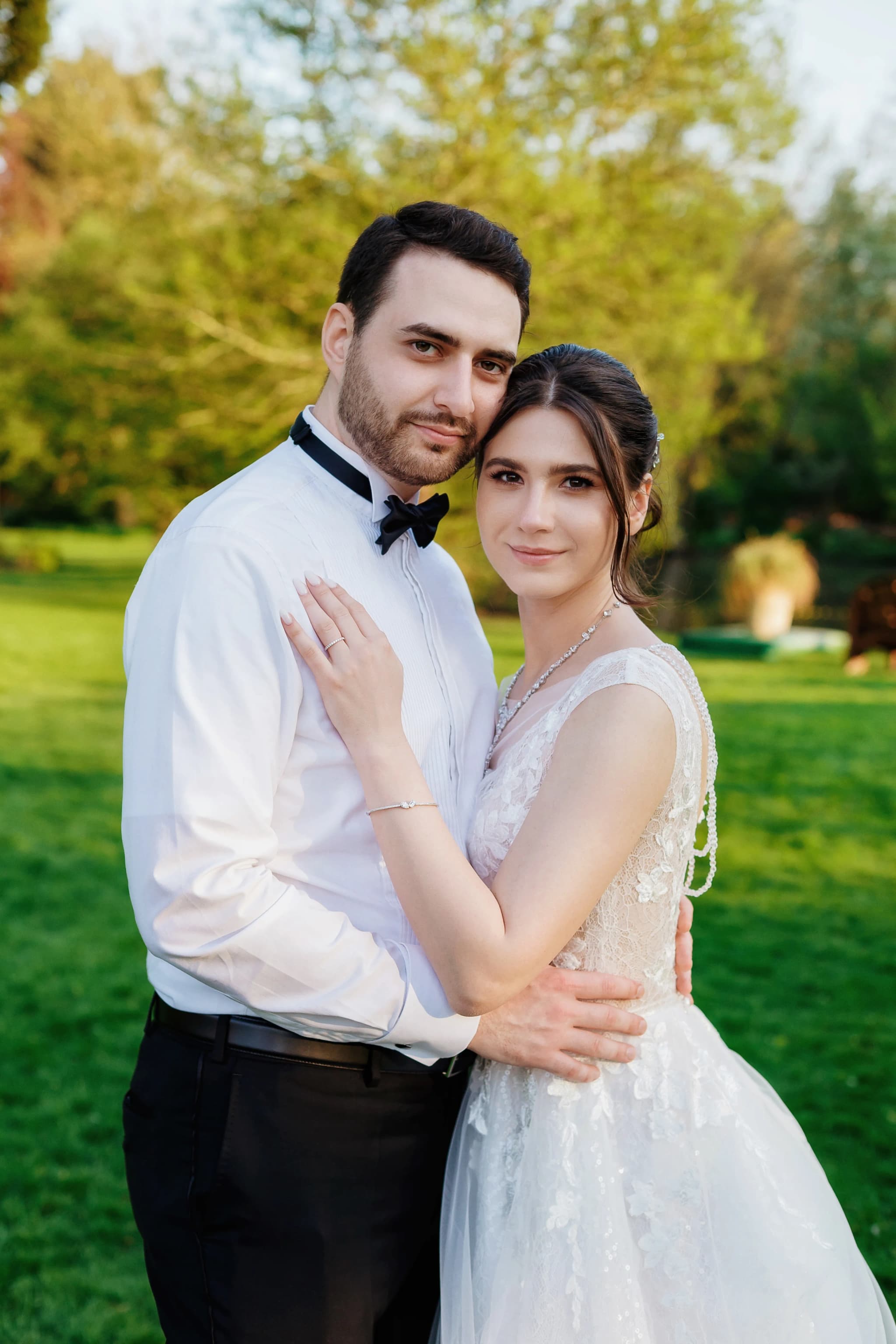
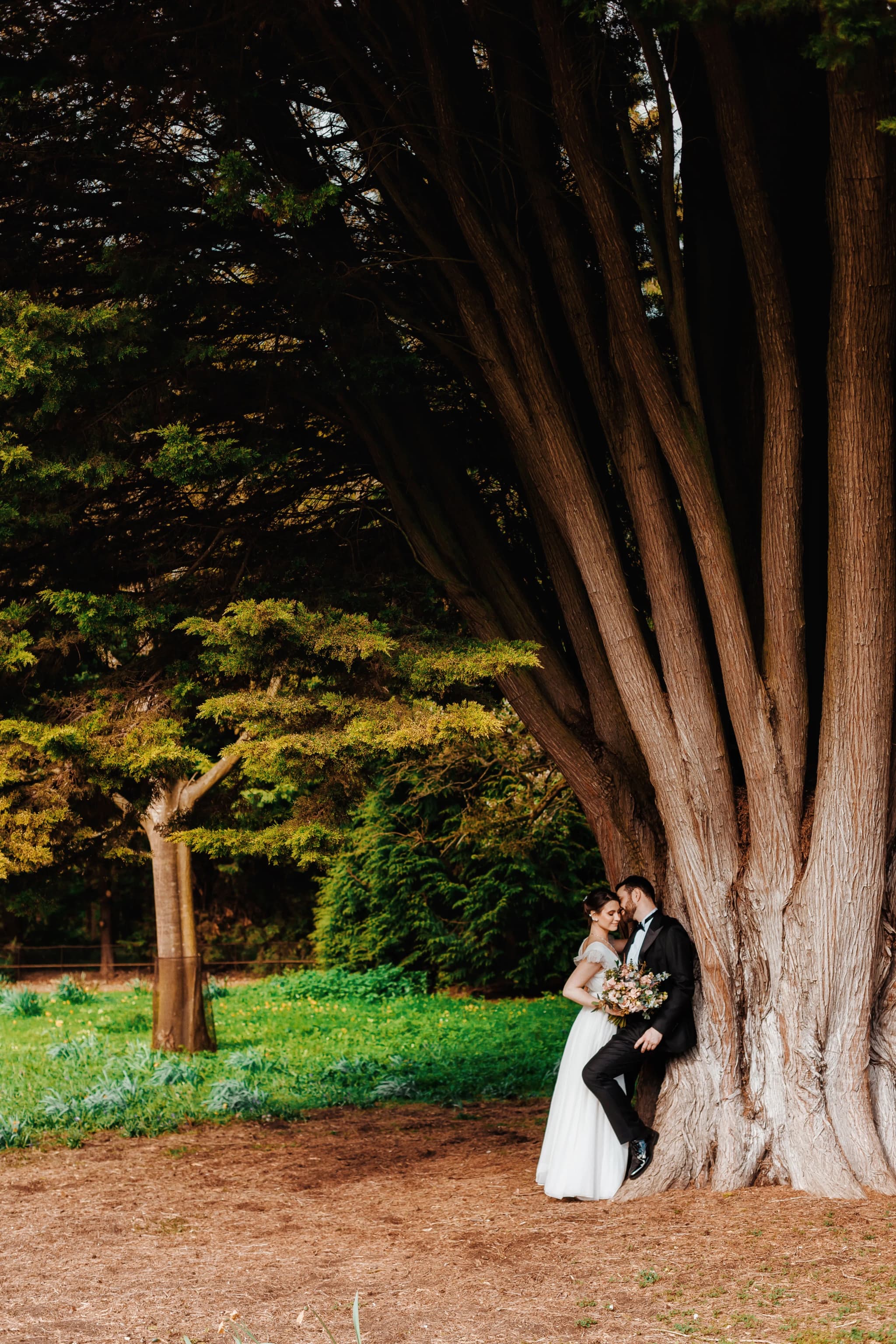
The couples portrait session — typically 30 to 45 minutes during the reception drinks — is where the visual language of a two-bride wedding really comes into its own. Without preset assumptions about how a wedding couple should look together, everything becomes possible. Two dresses in dialogue. Two personalities in frame. Two women who have built a life together and are now celebrating that publicly.
For couples marrying in Cambridge, the city itself is an extraordinary backdrop: punts on the Cam, the stone bridges of the Backs, the cloistered courtyards of the older colleges. For those marrying at country estates — Elmore Court in Gloucestershire, Buxted Park in Sussex, Haughley Park in Suffolk — the grounds offer a quality of afternoon light that makes portraits feel like paintings. I always walk the grounds on arrival to identify where the light will fall during portrait time, because the right light can make an ordinary location feel transcendent.
I sometimes suggest that two-bride couples bring a small prop or personal element into their portrait session: a book that matters to both of them, a detail from the venue that is architecturally significant, or simply their own bouquets held in a particular way. These are not gimmicks; they are anchors that help couples feel comfortable in front of the camera and give the portraits a layer of personal meaning beyond the beautiful clothes and the beautiful location.
Working with an LGBTQ+ Affirming Photographer
I am fully and enthusiastically LGBTQ+ affirming, and I want to be clear about what that means in practice. It means you will never feel like an afterthought or an exception. It means I will not use awkward or incorrect language about your relationship, your families, or your day. It means I see your wedding as the significant, joyful, legally and personally meaningful event that it is — because it is. I have photographed same-sex weddings at village churches where the vicar wept during the vows, at East London warehouse venues with drag queen entertainment and confetti cannons, and at quiet civil ceremonies with just four guests in a registrar's office. Each one has been extraordinary in its own way.
When interviewing potential wedding photographers, please ask them directly about their experience with same-sex weddings and about how they approach posing for same-sex couples. The answers will tell you a great deal. A photographer who has genuinely worked with and celebrated same-sex couples will be able to speak specifically and warmly about the visual approaches they use. A photographer who gives vague reassurances without substance may not be the right fit, regardless of their technical skill.
References and galleries from previous same-sex weddings are something I am always happy to share. I would rather you see the work and feel confident than take my word for it. Photographs do not lie about how comfortable a couple felt in front of the camera.
Practical Planning Advice for Two-Bride Weddings
A few practical notes that apply specifically to two-bride weddings. First, your wedding timeline may need slightly more preparation time than a single-bride wedding, especially if you are both having hair and makeup done professionally. Build in buffer. Second, if you are choosing a venue, look for those that have genuinely hosted same-sex weddings before — not just ones that are legally permitted to do so. The difference in how staff handle the day is meaningful. Many of the most celebrated wedding venues in the UK now actively court LGBTQ+ couples, and the Cotswolds, London, and the Cambridge area have particularly strong options.
Third, think about symmetry versus contrast when planning your aesthetic. Some two-bride couples want visual harmony — complementary colours, matching accessories, a unified palette across both outfits. Others want to look completely individual, two distinct styles sharing a day. Both approaches photograph beautifully, but they do require slightly different portrait session approaches, and it is worth discussing with your photographer in advance which direction you are leaning.
Finally, do not underestimate the power of details. Two sets of shoes. Two pairs of earrings laid side by side. The programme with both your names. Two bouquets resting against a stone windowsill. These detail shots, taken in the quiet minutes of a wedding morning, are often the images that couples return to most often in later years because they capture not just what happened but who you were on the day.
Your wedding is yours: your story, your aesthetic, your love. My job is to document it with the skill, care, and genuine enthusiasm it deserves. If you are planning a two-bride wedding and looking for a photographer who will approach your day with fresh eyes and real commitment, I would love to hear from you. Reach out to begin the conversation, and let's talk about how to make your photographs as extraordinary as the day itself.

Yana Skakun
Photographer · England
Professional wedding, family and portrait photographer based in England. Passionate about capturing authentic emotions and timeless moments.
About Yana →two brides wedding photographylesbian wedding photographer UKsame-sex wedding photography England
Wedding Tips — Wedding Photography in Cambridge & England
Yana Skakun is a professional wedding photographer based in Cambridge, covering weddings across England — from intimate elopements to full-day ceremonies at country houses, barns, and city venues. Every couple receives a relaxed, documentary approach that captures the day as it truly unfolds. This guide — Celebrating Two Brides: Beautiful Lesbian Wedding Photography — is part of the photography journal: practical, experience-based advice drawn from real sessions across England. Whether you arrived searching for two brides wedding photography or lesbian wedding photographer uk, the same care and attention shapes every session Yana photographs.
Wedding Photography sessions are available year-round, with bookings open across Cambridge, Ely, Huntingdon, Peterborough, and further afield — East England, London, the Midlands, and beyond. If you have specific questions about same-sex wedding photography england, mention it in your enquiry. Get in touch through the contact form above to check availability and discuss your session. Enquiries are welcomed from anywhere in the UK.
Frequently Asked Questions
How much does a wedding photographer cost in England?+
Wedding photography in England typically ranges from £1,500 to £4,000+ for a full day. Price depends on experience, coverage hours, and whether albums or engagement shoots are included. Most photographers charge between £2,000–£3,000 for 8–10 hours of coverage.
How early should you book a wedding photographer?+
For peak season (May–September), book 12–18 months in advance. For autumn and winter weddings, 9–12 months is usually sufficient. Popular photographers at popular venues fill up fast — as soon as you have a date and venue confirmed, start reaching out.
How many photos do you get from a wedding photographer?+
Most professional wedding photographers deliver 400–800 edited images for a full-day wedding. The exact number depends on coverage hours, how many guests there are, and the photographer's editing style. Quality matters more than quantity — a curated gallery of 500 images tells the story better than 1,500 unedited files.
Do you need a second photographer at your wedding?+
A second photographer is helpful if you want simultaneous coverage of getting-ready moments in different locations, multiple angles during the ceremony, or more candid coverage during the reception. It adds cost but significantly increases the variety and completeness of your gallery.
What is the difference between documentary and editorial wedding photography?+
Documentary (reportage) wedding photography captures moments as they happen — the photographer observes and doesn't intervene. Editorial photography involves deliberate direction: placing you in good light, shaping compositions, creating intentional portraits. Most photographers blend both styles throughout the day.
Continue Reading
Related Articles

Wedding Tips
Sustainable Eco-Friendly Wedding Guide — Planning a Green Celebration
15 min read · Read Article
Wedding Tips
Trash the Dress Session — Complete Planning and Photography Guide
14 min read · Read Article
Wedding Tips
Client Communication for Photographers — From Enquiry to Gallery Delivery
15 min read · Read Article
Get in Touch
Ready to Book Your Session?
Get in touch to discuss your vision — I'll reply within 24 hours.