Yana Skakun
Valentine's Day Wedding Photography: The Most Romantic Day to Get Married
By Yana Skakun·18 March 2026·6 min read
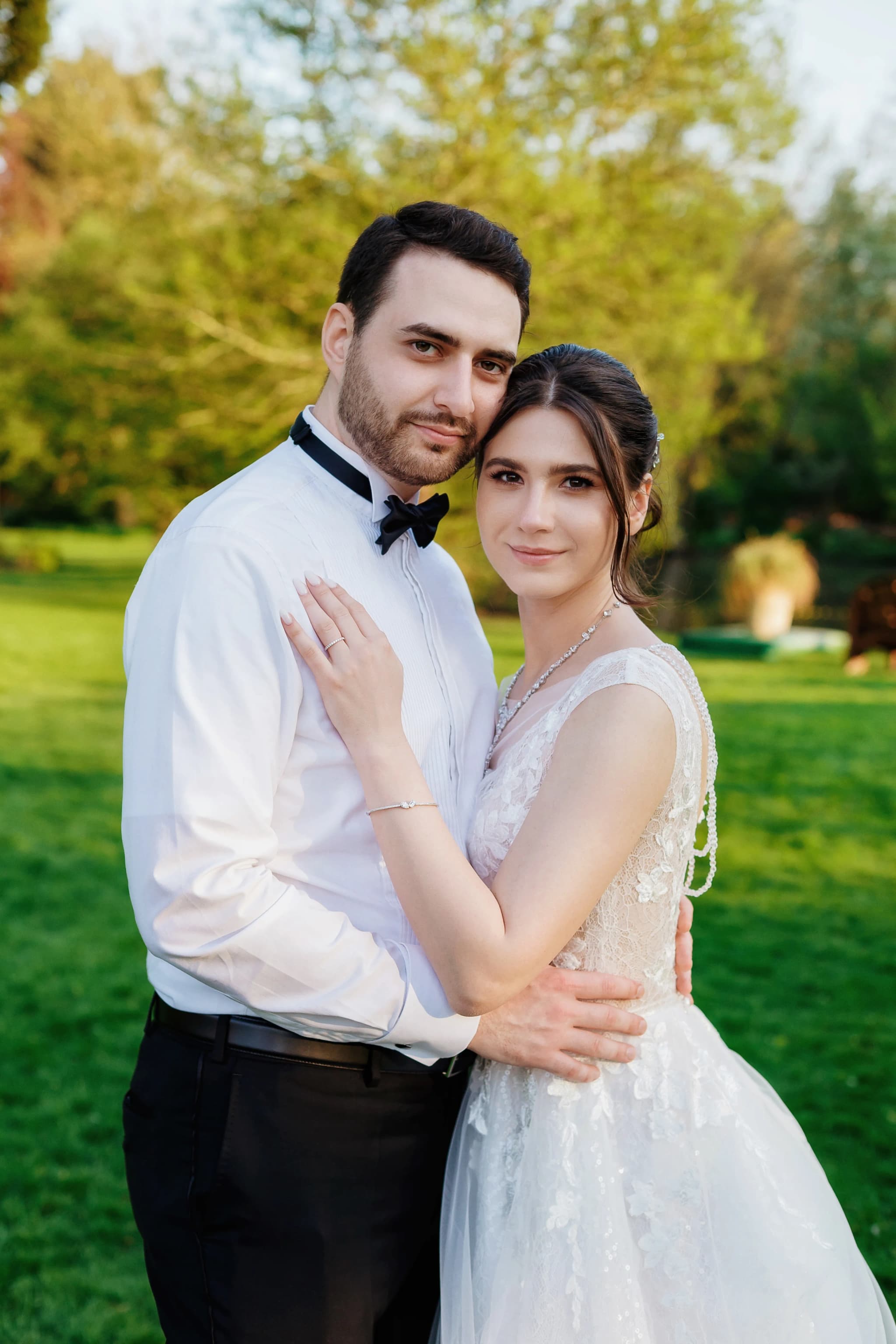
Every year I have at least one conversation with a couple who say some version of the same thing: "we want our wedding date to actually mean something." For a small but growing number of couples, that means marrying on the fourteenth of February — leaning fully into what the date already carries rather than working around it. A summer Saturday in a marquee is beautiful, but it does not arrive with a built-in story the way Valentine's Day does. Choosing the fourteenth means your anniversary, every single year for the rest of your life, coincides with the one day the whole culture already sets aside to talk about love. As a photographer, I find that context genuinely useful — it gives a winter wedding a warmth and a narrative thread that I can build the whole day's photography around, from the first candid shots of the morning through to the last dance.
Why Couples Choose a Valentine's Day Wedding
The appeal goes beyond sentimentality. Practically speaking, mid-February sits in the quietest part of the UK wedding calendar, which means venues that are booked eighteen months out for a June Saturday often have real availability, and some offer noticeably better rates for a winter midweek or off-peak date. Suppliers — florists, photographers, videographers, string quartets — are far more likely to be free, and you are far less likely to be sharing a venue's attention with three other weddings that same weekend. For couples planning around a tighter budget or a shorter engagement, a February date can simply be the more achievable option without feeling like a compromise.
Then there is the emotional logic of the date itself. Couples who got engaged on a previous Valentine's Day are especially drawn to marrying on it — there is a lovely continuity in returning to the date that started things to be the date that seals them. Others simply like that it removes any ambiguity about why they chose the day they did. Nobody ever has to ask "why that Saturday?" The answer is already written into the calendar.
The Valentine's Wedding Aesthetic
Valentine's weddings tend to share a visual language, though the best ones interpret it with restraint rather than leaning into cliché. The palette that photographs most beautifully combines deep, warm reds with blush and dusty pink, set against ivory and soft gold — a combination that reads as romantic in daylight and becomes genuinely rich once candlelight is added into the mix in the evening. Red roses are, unsurprisingly, the flower of choice for a great many Valentine's bouquets, and while they can look a little literal used alone, mixed through with ranunculus, garden roses, and dark foliage they photograph with real depth rather than flatness.
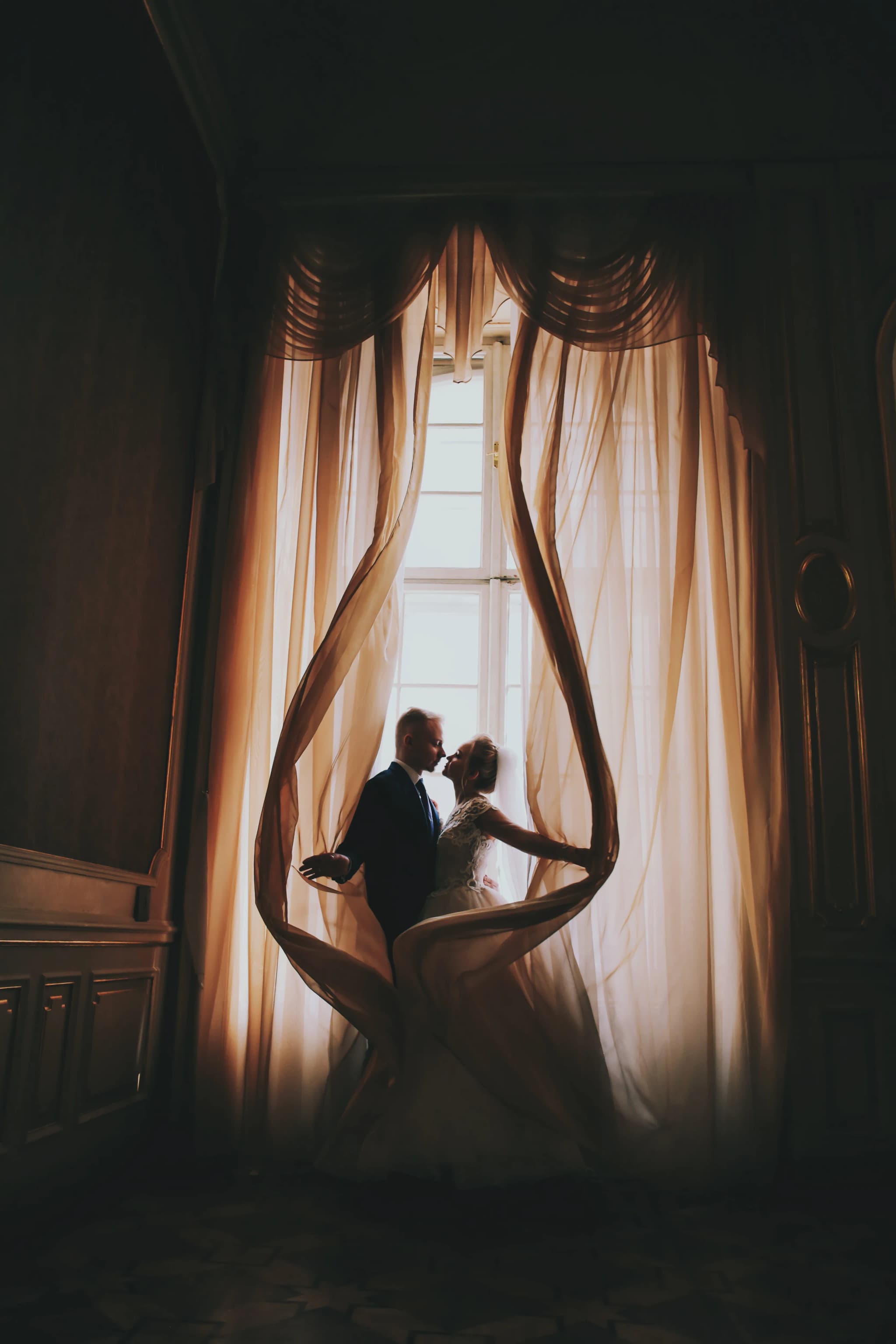
Heart motifs appear in table settings, place cards, and small design details fairly often on this date, and handled with a light touch — a single heart-shaped wax seal on an invitation, a subtle motif worked into stationery — they add warmth without tipping into kitsch. Candlelight is close to essential for a February evening reception. Beyond the atmosphere it creates in the room, candlelight is one of the most flattering light sources there is for portrait photography: warm, soft, low, and endlessly forgiving. I always encourage couples planning a winter wedding to lean into candles wherever the venue allows it, both for how the room feels and for how the evening photographs will look.
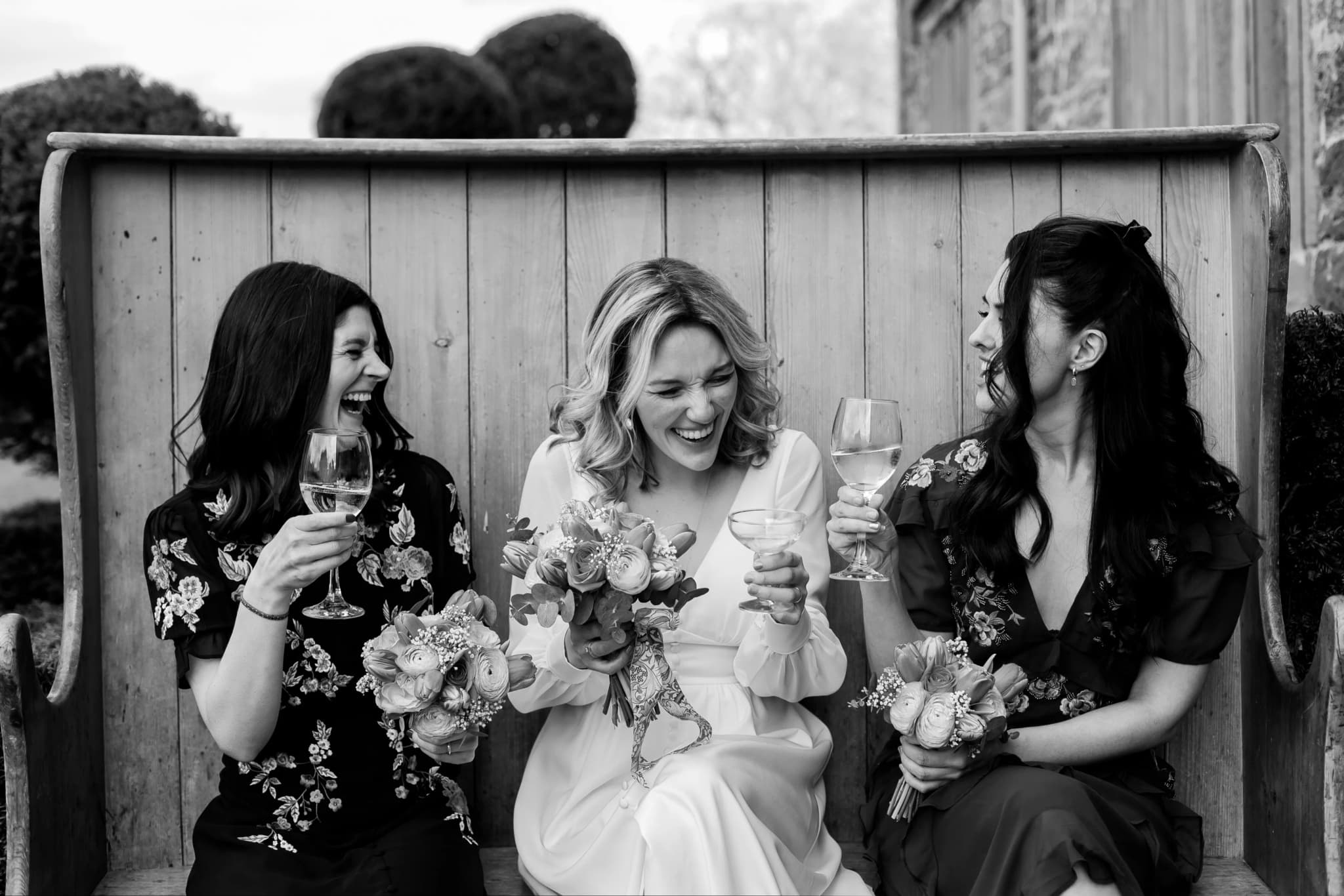
February weddings are also, by nature, usually smaller and more intimate than a peak-season wedding. Guest lists tend to be tighter, the day often has a slower, less frantic pace, and that intimacy comes through clearly in the photographs — more genuine conversation caught between courses, more relaxed group shots, fewer of the rushed, herded moments that can creep into a very large wedding on a tight schedule.
Working with February Light
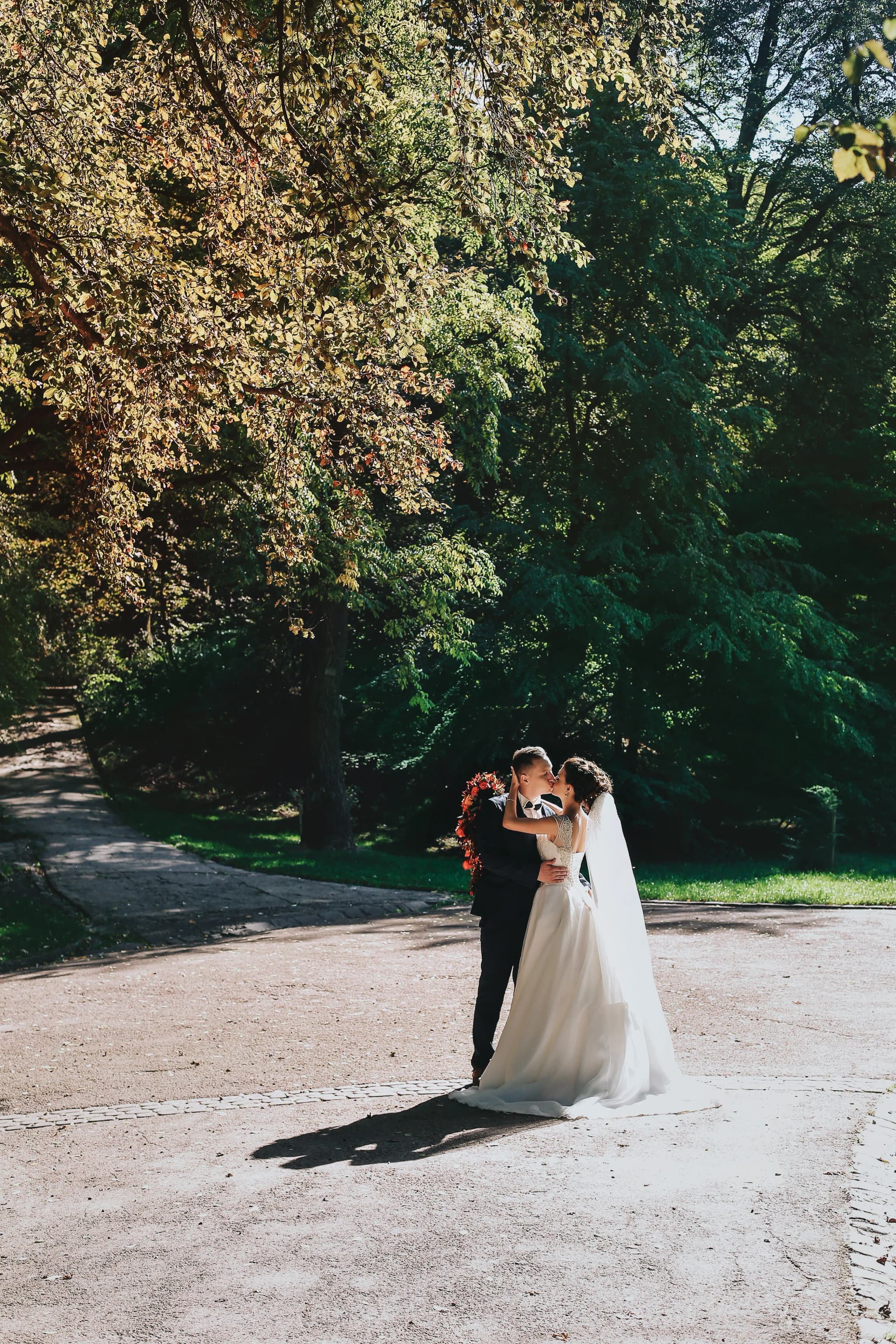
The fourteenth of February sits deep in British winter, and that has real, practical consequences for how a wedding day is photographed. Sunrise is around half past seven and sunset comes early, somewhere around quarter past five, which means the photographable day is roughly ten hours long rather than the sixteen or seventeen hours available on a June wedding. Every part of the timeline has to work a little harder as a result.
The best outdoor light of the day generally falls somewhere between eleven in the morning and three in the afternoon, and if the weather cooperates, this is the window I aim to use for any exterior couple portraits or larger group photographs. Between roughly three and five in the afternoon, as the sun drops, the light shifts into a soft blue-hour quality that can be beautiful for a smaller set of exterior shots as venue lighting begins to come on inside. After that, the photography moves indoors for the wedding breakfast, speeches, and into the candlelit evening, where warm interior light and any fairy lights, candles, or fireplace glow the venue offers become the dominant tools.
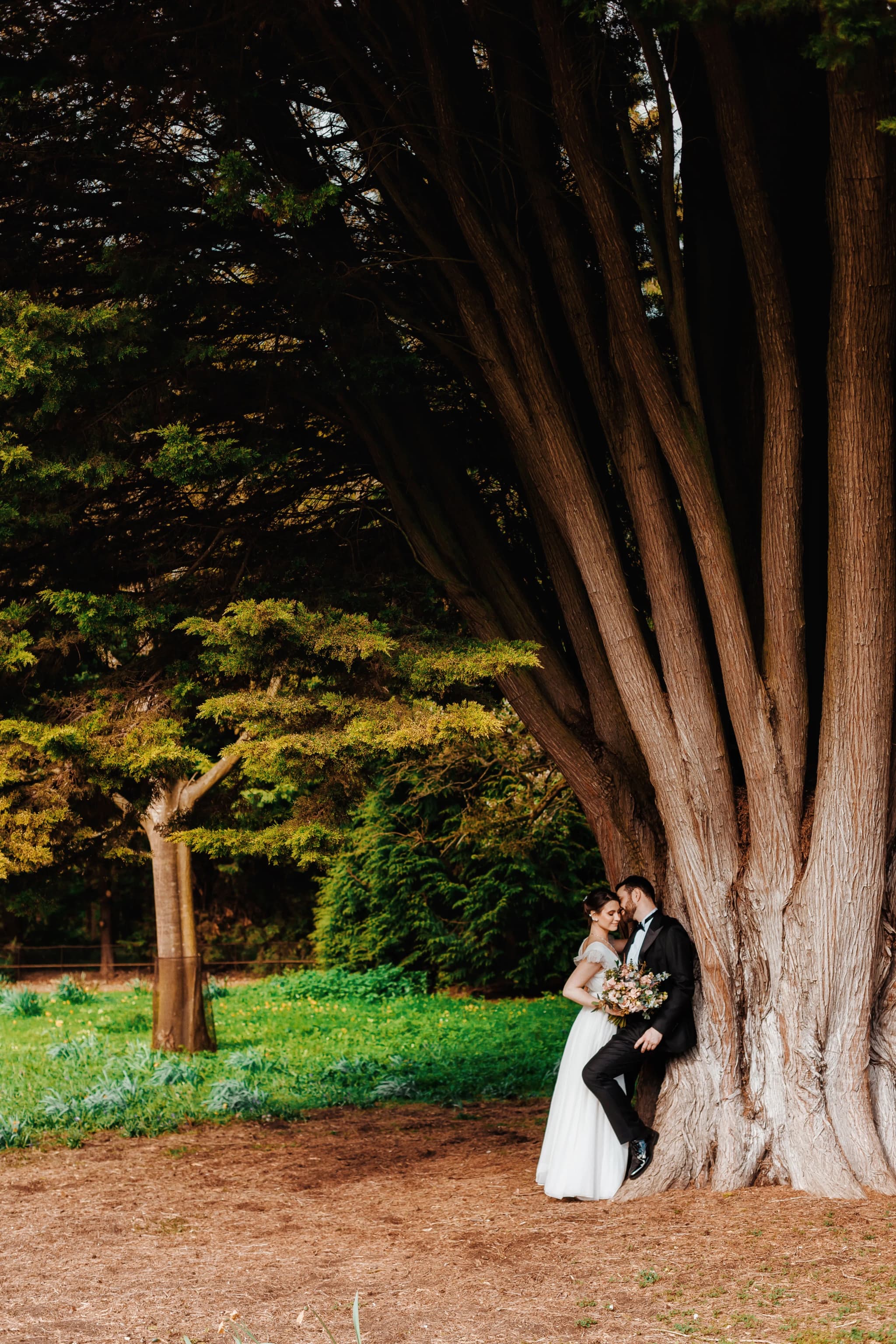
On a clear February day, the low winter sun produces a quality of light that I find genuinely spectacular to work with — warm, directional, and low enough in the sky that it never becomes harsh, even at midday. Clear February afternoons are not guaranteed, admittedly, but when they happen the light on a winter wedding can be more beautiful than anything a hazy August afternoon offers. I always build a realistic weather contingency into the plan, with an indoor or covered alternative identified in advance for portraits, so the day's photography is never left entirely at the mercy of the forecast.
Building a Realistic February Timeline
Because daylight is limited, the order of events on a February wedding day often needs slightly more thought than a summer equivalent. Where possible, I recommend scheduling the ceremony no later than early-to-mid afternoon, so there is still usable daylight afterwards for couple portraits and family groups before everyone moves indoors. A first look before the ceremony — a private, quiet moment between the couple ahead of the formal proceedings — is particularly worth considering on a winter date, since it frees up some of that limited daylight later in the day rather than compressing all portrait time into a narrow post-ceremony window.
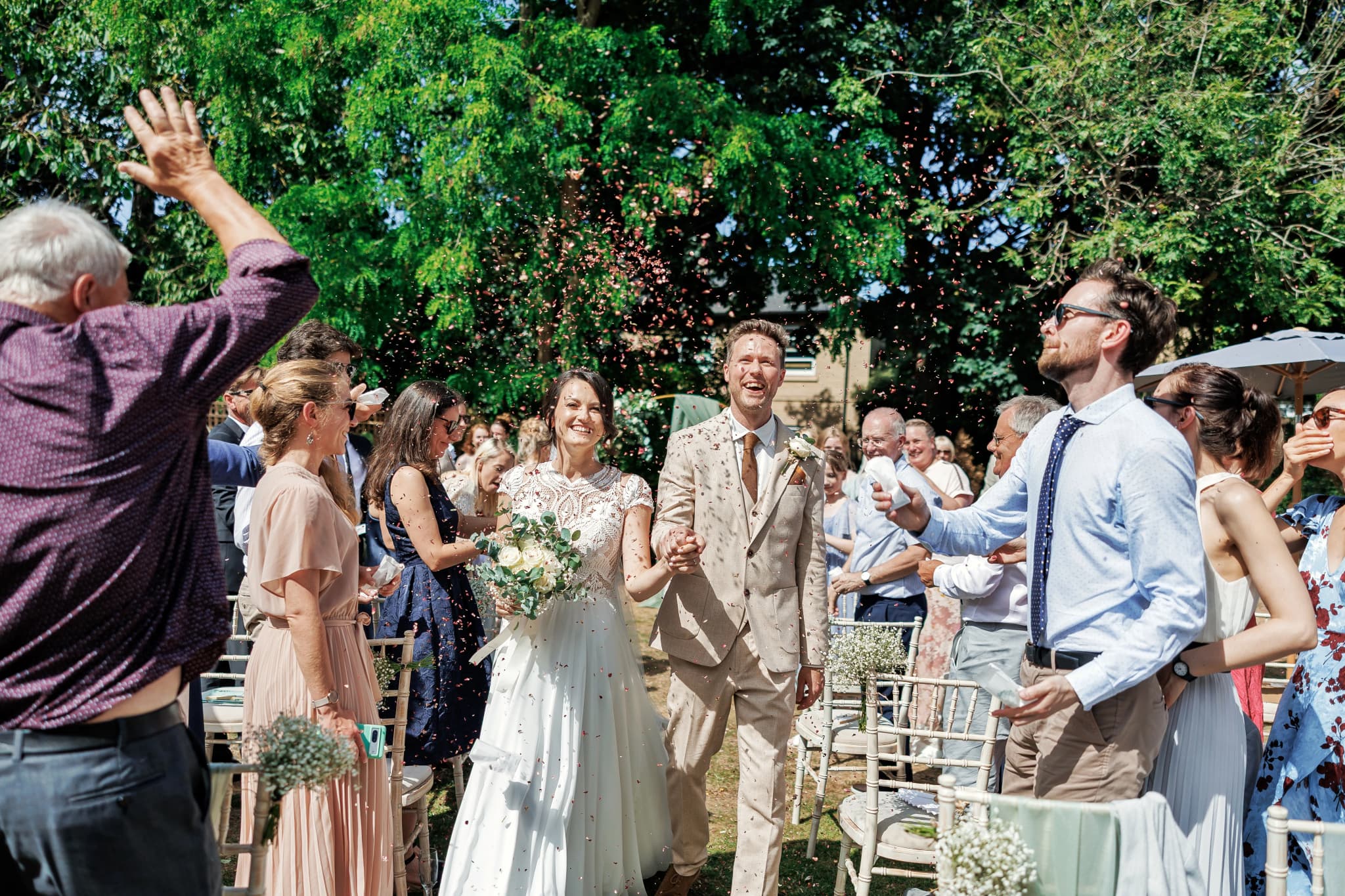
Confetti shots, larger group photographs, and any outdoor portraits are best placed as close to the middle of the day as the schedule allows. By the time speeches and the wedding breakfast are finished, natural light is usually gone, and from that point on the photography is working entirely with the venue's own lighting — which is exactly where candlelight, fairy lights, and a well-lit first dance earn their keep.
Planning a Valentine's Day wedding?
The fourteenth of February books up early for the couples who want it. If you are considering a Valentine's wedding or engagement session, get in touch and we can talk through timeline, light, and availability.
Check Valentine's availabilityValentine's Engagement Sessions and Proposals
Beyond full weddings, the fourteenth of February is, by a wide margin, the single most popular day of the year for proposals. That means the days and weeks around it are one of the busiest periods in my calendar for engagement sessions — couples who got engaged that morning or that week wanting to capture the feeling while it is still completely fresh: the ring not yet familiar on the hand, the story not yet told a hundred times, the excitement still visibly close to the surface. An engagement session booked for the days immediately following a Valentine's proposal captures something that cannot really be recreated later — that particular, slightly disbelieving joy of the first few days.
For couples who became engaged on a previous Valentine's Day, returning to the same date each year for an anniversary session, or choosing it as the date for an eventual wedding, has a lovely continuity to it. I also work with a number of partners planning a Valentine's proposal itself — discreetly photographing the moment from a distance so the couple gets a genuine, unposed record of the exact second everything changed, rather than only a set of photographs from after the fact. If you are planning a proposal and would like it documented without your partner ever noticing a photographer was there, that is something worth discussing well in advance so the logistics of location and timing can be worked out properly.
Choosing a Photographer for a Winter Wedding
Not every wedding photographer works comfortably with winter light, and it is worth asking directly about a photographer's experience with February dates specifically, rather than assuming that summer wedding experience transfers automatically. The skills involved — working confidently with candlelight and low interior light, planning a timeline around a short day, having a genuine indoor contingency for portraits rather than a vague hope that the weather holds — are specific to the season, and a photographer who has shot several winter weddings will have a much clearer sense of what will and will not work at your particular venue.
It is also worth asking how a photographer handles the pacing of a smaller, more intimate day. February weddings often have guest lists of well under a hundred, sometimes considerably fewer, and the photography for a day like that should feel unhurried and personal rather than run through the same rigid formula used for a much larger summer wedding. The best result comes from a photographer who treats an intimate winter wedding as its own distinct thing, with its own pace, rather than a smaller version of a big day.
A Valentine's Day wedding, or an engagement session tied to the date, carries a kind of built-in meaning that is genuinely rare in wedding planning — a date that will never need explaining, an anniversary that arrives every year already wrapped in its own significance. Whether you are drawn to the quieter winter calendar, the continuity of returning to the date you got engaged, or simply the romance of the day itself, it deserves photography that takes the light, the pacing, and the intimacy of a February wedding as seriously as any high-summer celebration. If you are weighing up a Valentine's wedding, an engagement session, or a proposal you would like discreetly captured, get in touch and we can start talking through dates and availability.


Yana Skakun
Photographer · England
Professional wedding, family and portrait photographer based in England. Passionate about capturing authentic emotions and timeless moments.
About Yana →Valentine's Day wedding UK14 February wedding photographyValentine wedding photographer England
Wedding Tips — Wedding Photography in Cambridge & England
Yana Skakun is a professional wedding photographer based in Cambridge, covering weddings across England — from intimate elopements to full-day ceremonies at country houses, barns, and city venues. Every couple receives a relaxed, documentary approach that captures the day as it truly unfolds. This guide — Valentine's Day Wedding Photography: The Most Romantic Day to Get Married — is part of the photography journal: practical, experience-based advice drawn from real sessions across England. Whether you arrived searching for valentine's day wedding uk or 14 february wedding photography, the same care and attention shapes every session Yana photographs.
Wedding Photography sessions are available year-round, with bookings open across Cambridge, Ely, Huntingdon, Peterborough, and further afield — East England, London, the Midlands, and beyond. If you have specific questions about valentine wedding photographer england, mention it in your enquiry. Get in touch through the contact form above to check availability and discuss your session. Enquiries are welcomed from anywhere in the UK.
Frequently Asked Questions
How much does a wedding photographer cost in England?+
Wedding photography in England typically ranges from £1,500 to £4,000+ for a full day. Price depends on experience, coverage hours, and whether albums or engagement shoots are included. Most photographers charge between £2,000–£3,000 for 8–10 hours of coverage.
How early should you book a wedding photographer?+
For peak season (May–September), book 12–18 months in advance. For autumn and winter weddings, 9–12 months is usually sufficient. Popular photographers at popular venues fill up fast — as soon as you have a date and venue confirmed, start reaching out.
How many photos do you get from a wedding photographer?+
Most professional wedding photographers deliver 400–800 edited images for a full-day wedding. The exact number depends on coverage hours, how many guests there are, and the photographer's editing style. Quality matters more than quantity — a curated gallery of 500 images tells the story better than 1,500 unedited files.
Do you need a second photographer at your wedding?+
A second photographer is helpful if you want simultaneous coverage of getting-ready moments in different locations, multiple angles during the ceremony, or more candid coverage during the reception. It adds cost but significantly increases the variety and completeness of your gallery.
What is the difference between documentary and editorial wedding photography?+
Documentary (reportage) wedding photography captures moments as they happen — the photographer observes and doesn't intervene. Editorial photography involves deliberate direction: placing you in good light, shaping compositions, creating intentional portraits. Most photographers blend both styles throughout the day.
Continue Reading
Related Articles

Wedding Tips
Sustainable Eco-Friendly Wedding Guide — Planning a Green Celebration
15 min read · Read Article
Wedding Tips
Trash the Dress Session — Complete Planning and Photography Guide
14 min read · Read Article
Wedding Tips
Client Communication for Photographers — From Enquiry to Gallery Delivery
15 min read · Read Article
Get in Touch
Ready to Book Your Session?
Get in touch to discuss your vision — I'll reply within 24 hours.