Yana Skakun

Veil Photo Ideas: From Under the Veil to Flying in the Wind
By Yana Skakun·10 June 2026·5 min read
The veil is one of the most photographically versatile elements of the entire wedding day — it catches wind, diffuses light, creates frames within frames, and transforms a portrait from a lovely photograph into something genuinely cinematic. Yet most couples get fewer than five intentional veil shots because no one planned for them. This guide covers every creative veil technique worth knowing, how each is actually achieved, and when in the day each one works best.
Under the Veil: The Classic Portrait Technique
The "under the veil" shot — where both partners stand close together, the veil drawn forward to wrap around or drape over them both — is among the most requested wedding veil images, and for good reason. When it works, it creates genuine intimacy: the couple exist in their own private world, insulated from the wider scene. Photographed from outside the veil looking in, it produces a soft, gauzy frame that draws the eye immediately to the two faces at the centre.
For this shot to read well, the light source needs to be in front of or beside the couple rather than behind them — a window, open doorway, or bright exterior will all work. If the photographer is shooting from the front with the light behind the couple, the veil becomes a dark silhouette and loses the delicacy that makes the image compelling. Ideally, plan this shot early in the portrait session at a venue with good natural window light, or outdoors in open shade. Cathedral and chapel veils with a longer train work especially well because they provide enough fabric to fully encompass both people without looking cramped.
A subtle but important tip: the bride should hold both sides of the veil forward, arms slightly elevated, rather than gripping it tightly at chin height. This creates the soft, flowing shape rather than a tent. Practice this gesture before the wedding day so it feels natural in the moment.
The Flying Veil: Wind, Timing, and the Images That Take the Most Planning
A veil lifted by natural wind — billowing horizontally, arching upward, or caught mid-motion against an open sky — is one of the most dramatic images possible at a wedding. These photographs circulate endlessly on Pinterest and Instagram because they combine movement, fabric texture, and light in a way that no other wedding element can replicate. They are also among the most difficult to achieve consistently, which is worth being honest about before you build your entire photography wishlist around them.
Natural wind in the UK is unpredictable. Outdoor coastal venues in Cornwall or the Northumberland coast have wind most of the year; Cambridge meadows and the flat Fens are reliably breezy in spring and autumn; London rooftop venues can catch strong gusts in the right season. If your venue has none of these conditions, the flying veil shot can still be achieved with a helper — a bridesmaid, a second photographer, or even the groom — who tosses the veil upward from behind while the photographer shoots at a high continuous-burst rate. The key is synchronising the throw with the shutter so the veil is caught at peak elevation rather than falling. This typically takes ten to fifteen attempts to get a frame that works cleanly. Build the time into the portrait session rather than treating it as a quick bonus shot.
Backlight transforms the flying veil. When the sun is behind or beside the bride, a thin tulle or silk veil becomes translucent — the light passes through it and creates a glowing halo effect. Golden hour (roughly 45 minutes before sunset in summer England, earlier in November) is the prime window for this. Choose an open horizon — a field, a lake, a long garden — rather than a tight courtyard or wooded area where the light is blocked.
Six Veil Shot Types Worth Planning For
Different veil photographs require different conditions, different timing, and different preparation. Here is an honest breakdown of what each involves:
- ◆Veil over the face — walking shot: The bride walks toward camera with the veil blusher forward over her face. Powerful when shot in strong side light that shows the fabric texture; works beautifully in church aisles before the ceremony, or outdoors in dappled shade. The blusher needs to be long enough to cover the face clearly — a mini blusher will look muddled at distance.
- ◆Veil as frame — couple portrait: The photographer stands close, holding or positioning the veil edge to create a soft foreground frame on one side of the image. The couple are sharp in the background; the veil is deliberately out of focus. Requires a fast lens (f/1.8 or f/2 minimum) to achieve the depth of field separation that makes this work. Any venue with space and decent light qualifies.
- ◆Walking with veil — documentary: Simply walking between locations — from the church to the car, from the venue door to the garden — with the veil in natural motion. These unposed, in-between moments frequently produce the most natural photographs of the day. No setup required; your photographer simply needs to be watching for them.
- ◆Veil in water or against stone: A long cathedral veil spread on water (a lake edge, a shallow river, a stone fountain) or cascading down a stone staircase creates a graphic, structural image with strong texture contrast. UK venues with period stonework — manor houses, castles, old rectories — suit this particularly well. Allow 5–10 minutes as the veil needs to be carefully laid and may need an assistant to hold it in place.
- ◆Silhouette through veil: Photographed from behind with strong backlight, the veil becomes a glowing translucent screen through which the silhouette of the couple is visible. Works best in late afternoon sun at an open location. The veil needs to be thin enough to transmit light — heavy duchess satin veils do not work for this technique, but fine tulle and chiffon are ideal.
- ◆Veil in architecture — staircase or colonnade: A long veil descending a grand staircase, spilling around a curve in a stone colonnade, or trailing through an arched corridor creates an editorial-style architectural image. These shots work specifically because of the venue; if your venue has the space, discuss this with your photographer during the pre-wedding venue visit so you identify exactly where the veil length and the light align.
Choosing Your Veil With Photography in Mind
Veil choice has a significant effect on which photographic techniques are actually possible on your wedding day. This is worth thinking about before you commit to a style, not after. Fine tulle and soft chiffon are the most photogenic materials because they move in even a light breeze, catch and transmit light, and drape fluidly in portraits. Stiff organza and heavy duchess satin hold their shape but resist natural movement and block light rather than transmitting it — they can look beautiful in structured shots but limit your options for the more dynamic techniques.
Length matters too. A cathedral veil of 270–300 cm gives you the greatest range of techniques: the architectural staircase image, the veil-as-landscape spread, the under-the-veil portrait where both partners are enclosed, and the flying veil shot that reads clearly even from a distance. Chapel veils (around 200 cm) cover most of these with slight adjustments. Elbow and fingertip-length veils are lovely in portraits but limit several of the more elaborate setups.
Edge detail — embroidered borders, lace trim, beading — photographs beautifully in close-up detail shots and adds visual interest in the flat-lay images your photographer will take at the start of the getting-ready session. If you have chosen a veil with significant embellishment, tell your photographer ahead of time so they can plan for close-up detail coverage.
When in the Day Each Veil Shot Works Best
Not every veil shot belongs at the same point in the wedding day. Knowing when to plan each one avoids rushed setups at the wrong time, and ensures you get the light conditions each technique requires.
The getting-ready session (before the ceremony) is the right time for close-up detail images: the veil hanging in window light, flat-lay images of the veil edge alongside your shoes and bouquet, and the blusher-forward portrait if your dressing room has good natural light. These images are taken when the veil is perfectly pressed and pristine, before any outdoor wind or movement catches it.
After the ceremony and before the wedding breakfast — the "couple portrait" session of roughly 20 to 45 minutes that most UK weddings build into the day — is the primary window for all of the more elaborate veil techniques. The flying veil, the under-the-veil couple portrait, the architectural staircase image, and the golden-hour backlit silhouette all happen in this window. Discuss which of these you want in advance, so your photographer has identified the right locations at your venue and knows how much time each requires. Trying to improvise all of these in the moment will mean doing none of them properly.
The documentary walking shots — veil in natural motion between locations — happen throughout the day and require no planning. A photographer who works in a documentary style will simply watch for these moments. The veil sweeping behind the bride on the church path, caught against a stone doorway as the light falls through it, is often among the most beautiful images of the day precisely because it was not directed.
Practical Notes for UK Weddings
UK weather requires a flexible approach to outdoor veil photography. Autumn and early spring are genuinely breezy across much of England, which helps enormously with natural flying-veil images. Summer in Cambridge and the Home Counties can be still on warm days, meaning you may need to create wind manually. Winter weddings with low golden light can produce extraordinary veil photographs — the light angle is low from morning onward, which means backlit veil shots are possible throughout the day rather than only in the final 45 minutes before sunset.
If your venue is indoors for the portrait session (common in winter and wet-weather conditions), work with your photographer to find interior locations where veil shots are possible. Grand hall staircases, long corridors with sidelighting, chapel or ceremony rooms before they are cleared — all of these can serve as backdrops for structural veil images that do not depend on wind or outdoor light.
Veil Photography That Actually Delivers
The veil shots you have seen on Pinterest are the result of planning, timing, and a photographer who knows exactly which technique requires which conditions. As a Cambridge-based wedding photographer, I discuss veil photography specifically during our pre-wedding consultation so we arrive on the day with a clear plan — and the flexibility to adapt if the light or weather has other ideas.
Check Your Date →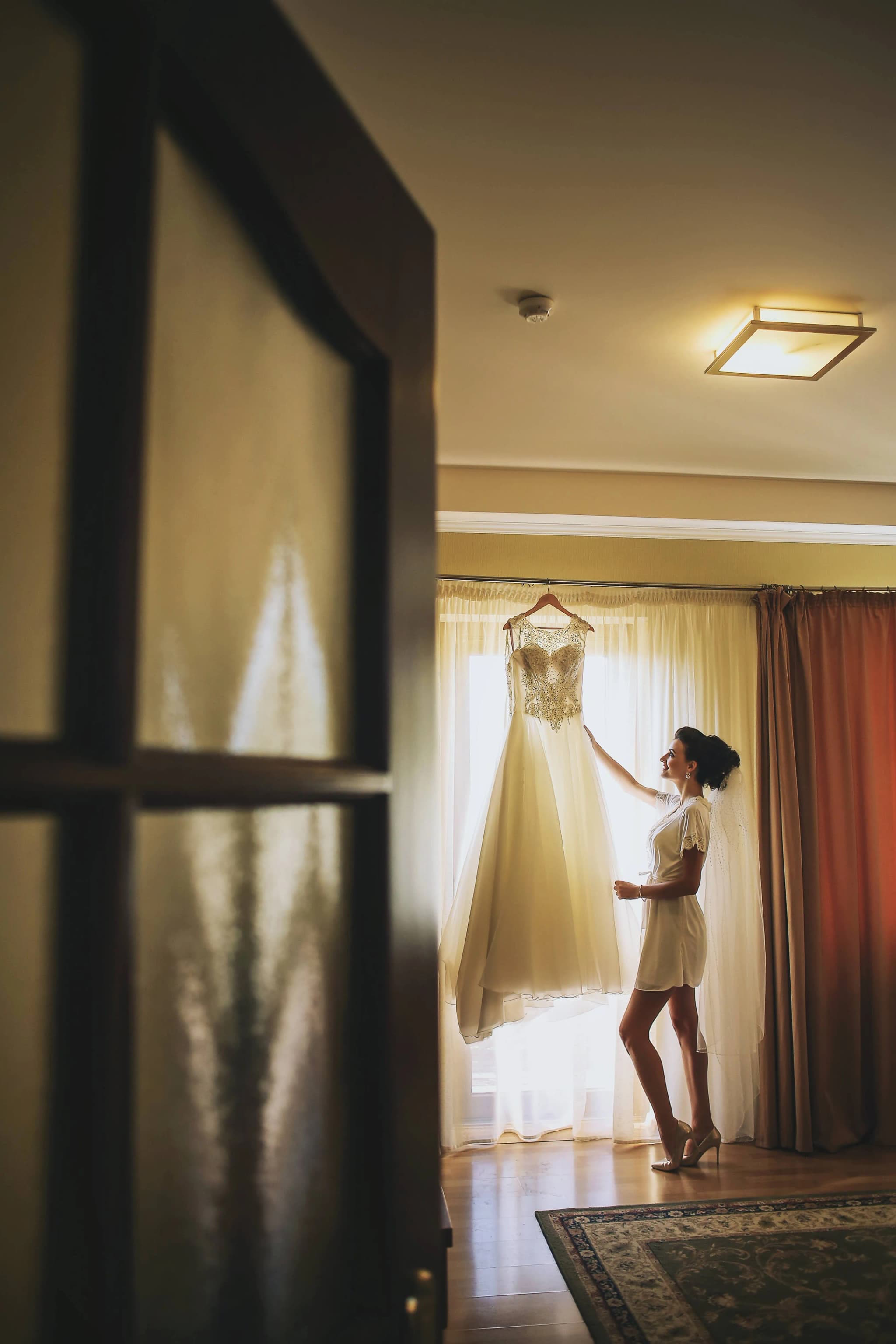

Yana Skakun
Photographer · England
Professional wedding, family and portrait photographer based in England. Passionate about capturing authentic emotions and timeless moments.
About Yana →veilphotoideasguide
Wedding Tips — Wedding Photography in Cambridge & England
Yana Skakun is a professional wedding photographer based in Cambridge, covering weddings across England — from intimate elopements to full-day ceremonies at country houses, barns, and city venues. Every couple receives a relaxed, documentary approach that captures the day as it truly unfolds. This guide — Veil Photo Ideas: From Under the Veil to Flying in the Wind — is part of the photography journal: practical, experience-based advice drawn from real sessions across England. Whether you arrived searching for veil or photo, the same care and attention shapes every session Yana photographs.
Wedding Photography sessions are available year-round, with bookings open across Cambridge, Ely, Huntingdon, Peterborough, and further afield — East England, London, the Midlands, and beyond. If you have specific questions about ideas, mention it in your enquiry. Get in touch through the contact form above to check availability and discuss your session. Enquiries are welcomed from anywhere in the UK.
Frequently Asked Questions
How much does a wedding photographer cost in England?+
Wedding photography in England typically ranges from £1,500 to £4,000+ for a full day. Price depends on experience, coverage hours, and whether albums or engagement shoots are included. Most photographers charge between £2,000–£3,000 for 8–10 hours of coverage.
How early should you book a wedding photographer?+
For peak season (May–September), book 12–18 months in advance. For autumn and winter weddings, 9–12 months is usually sufficient. Popular photographers at popular venues fill up fast — as soon as you have a date and venue confirmed, start reaching out.
How many photos do you get from a wedding photographer?+
Most professional wedding photographers deliver 400–800 edited images for a full-day wedding. The exact number depends on coverage hours, how many guests there are, and the photographer's editing style. Quality matters more than quantity — a curated gallery of 500 images tells the story better than 1,500 unedited files.
Do you need a second photographer at your wedding?+
A second photographer is helpful if you want simultaneous coverage of getting-ready moments in different locations, multiple angles during the ceremony, or more candid coverage during the reception. It adds cost but significantly increases the variety and completeness of your gallery.
What is the difference between documentary and editorial wedding photography?+
Documentary (reportage) wedding photography captures moments as they happen — the photographer observes and doesn't intervene. Editorial photography involves deliberate direction: placing you in good light, shaping compositions, creating intentional portraits. Most photographers blend both styles throughout the day.
Continue Reading
Related Articles

Wedding Tips
Sustainable Eco-Friendly Wedding Guide — Planning a Green Celebration
15 min read · Read Article
Wedding Tips
Trash the Dress Session — Complete Planning and Photography Guide
14 min read · Read Article
Wedding Tips
Client Communication for Photographers — From Enquiry to Gallery Delivery
15 min read · Read Article
Get in Touch
Ready to Book Your Session?
Get in touch to discuss your vision — I'll reply within 24 hours.