Yana Skakun
Vineyard Weddings in England: The Complete Guide (2026)
By Yana Skakun·20 March 2026·6 min read
England's wine industry has transformed over the past two decades, and with it, a new category of wedding venue has emerged that sits apart from the country house or the barn. Vineyards offer something genuinely different: a working landscape shaped by the seasons, architectural order in the rows of vines, and a product that can become part of the wedding day itself. Whether you are drawn to the chalk downlands of Kent, the rolling Hampshire valleys, or the quieter vineyard estates of Suffolk, England now has a vineyard wedding scene mature enough to offer real choice at every scale and style.
Why English Vineyards Make Exceptional Wedding Venues
The appeal of a vineyard wedding is rooted in the landscape itself. Rows of grapevines trained along wires create a visual geometry that is at once orderly and organic — lines of deep green in summer, vivid yellow and amber in early autumn, and bare sculptural silhouettes through winter. As a photographer, I find these repeated lines give almost every portrait session a natural frame that requires very little arrangement. The vines do the compositional work.
Beyond the aesthetics, vineyard estates tend to feel removed from everyday life in a way that even beautiful country houses sometimes do not. Most are on elevated ground, surrounded by open farmland, and carry a quiet that makes them feel genuinely private. Guests often remark that a vineyard wedding felt like a journey — arriving somewhere that required a little effort to reach, and rewarding that effort with an atmosphere you cannot manufacture.
There is also the wine itself. Many English vineyard venues include a tasting element in the wedding package, and some allow couples to use the estate's own sparkling wine as the reception drink. Toasting with a bottle grown on the very land where you married is a small detail that carries surprising emotional weight on the day.
The Best Regions for Vineyard Weddings in England
Kent has the highest concentration of established vineyard wedding venues in England. The North Downs chalk ridge and the Weald provide the same geology that underpins Champagne, and estates like Biddenden, Chapel Down, and Gusbourne have grown into serious wine producers with event spaces to match. The Garden of England label is not just marketing: the soft, managed landscape makes for exceptionally approachable wedding photography regardless of the season.
Sussex and Hampshire are increasingly competitive. Hambledon Vineyard in Hampshire sits on south-facing slopes above the Meon Valley, and Rathfinny Estate in East Sussex — one of England's most celebrated sparkling wine producers — offers a dramatic setting with views across the South Downs to the sea. If you are looking for a venue where the wine credentials are impeccable and the landscape is genuinely sweeping, this region deserves serious consideration.
Further east, Essex and Suffolk hold quieter, smaller vineyard estates that suit couples who want a more intimate feel without the footfall of the major Kent venues. New Hall Vineyard in Essex, one of England's oldest commercial vineyards, has the added character of genuine age — you are marrying somewhere with real horticultural history. For couples travelling from Cambridge or the wider East of England, these Essex and Suffolk options often make practical sense as well as aesthetic sense.
Seasonal Timing and the Light
The photographic peak for English vineyard weddings is late August through early October. In late August the bunches of grapes hang full and heavy, the canopy is at maximum density, and the evening light at that latitude is long, warm, and golden. Portrait sessions through the vineyard rows in the hour before sunset produce images with a depth and warmth that is very hard to replicate at other times of year.
September accelerates the visual transformation. The leaves begin to colour at the edges first — yellows appearing while the centre of the leaf remains green — and by mid-September many English vineyards have the beginning of autumn colour alongside still-heavy fruit. This overlap of summer abundance and early autumn tones is, in my experience, the most photographically generous window the English vineyard season offers.
Spring weddings at English vineyards have their own appeal. The vines are beginning to bud, the estate is genuinely quiet, and the soft green of new growth against the chalky soil or sandy loam creates delicate, low-contrast images that suit a certain kind of romantic, understated aesthetic. What spring lacks in the drama of fruit and autumn colour, it compensates for in freshness and light quality — English spring light is often cleaner and softer than the more intense summer sun.
Planning a vineyard wedding in England?
Vineyard venues each have their own logistics around access to the vines, harvest timing, and evening curfews that affect when and how photography unfolds. I always visit a vineyard venue before the wedding day so I know exactly where the light falls in the late afternoon, which rows are most photogenic, and whether the winery building offers useful shelter if the weather turns. If you would like to talk through a specific vineyard venue, get in touch and we can discuss your plans.
What to Expect from Photography at a Vineyard Wedding
Vineyard weddings have some practical realities that are worth understanding before the day. The ground between vine rows is often uneven and can be muddy after rain, particularly in early spring and late autumn. Comfortable footwear that you are happy to wear on grass and soft earth makes portrait sessions through the vines genuinely relaxed rather than anxious. A number of couples I have worked with have changed shoes for the vineyard portion of the afternoon — it is a practical decision that makes a real difference.
Access to the vines themselves is usually negotiable but worth discussing with the venue in advance. During harvest — typically late September into October — the vineyard will have picking teams working the rows, and certain sections may be inaccessible. If your wedding falls in harvest season, which it very well might if you are chasing peak colour and fruit, it is worth checking the vineyard's usual harvest window and planning portrait timing around it. I have also found that the activity of harvest itself can be a wonderful documentary element: hands carrying lugs of grapes, the noise and purpose of a working winery, the estate in full productive life around a wedding day.
The winery building — usually a large, clean-lined agricultural or industrial structure — is often underused by wedding photographers, but I find it consistently interesting. The stainless steel tanks, the barrels in cool dark storage, the bottling line: these industrial elements create a visual contrast with wedding clothes and floral arrangements that produces images with genuine character. If your venue has a working winery and you are open to spending ten minutes inside it during the portrait session, it is worth raising with your photographer.
Choosing the Right Vineyard Venue for Your Wedding
Scale is the first question. English vineyard wedding venues range from intimate estates with a maximum of sixty guests to larger operations with capacity for two hundred or more. The larger venues — Chapel Down in Kent, for example — have the infrastructure to handle big weddings smoothly, with dedicated event teams and purpose-built facilities. Smaller estate venues offer more exclusivity and often more flexibility, but require more planning input from the couple. There is no universally correct answer; it depends on the wedding you want to have.
Consider also the venue's relationship with external suppliers. Some vineyard venues are licensed only for civil ceremonies conducted by a registrar, while others hold premises licences for legally binding ceremonies. Check whether your preferred celebrant or registrar can work at the venue, and whether the venue requires you to use their preferred catering and bar suppliers or allows your own. Vineyard venues that insist on their own wine service are usually offering you something worth having — estate wine at a venue that produces it is a genuine perk — but it is worth understanding the commercial model before you sign a contract.
Finally, think about the journey for your guests. Most English vineyards are in rural locations without public transport access, which means guests will need to be bussed in or have accommodation arranged nearby. The best vineyard wedding logistics involve a coach transfer from a central town, accommodation on or near the estate, and a schedule that does not require guests to leave before they are ready. Planning the transport element thoroughly is one of the most practical gifts you can give your guests at a vineyard wedding.
How the Photography Day Typically Flows
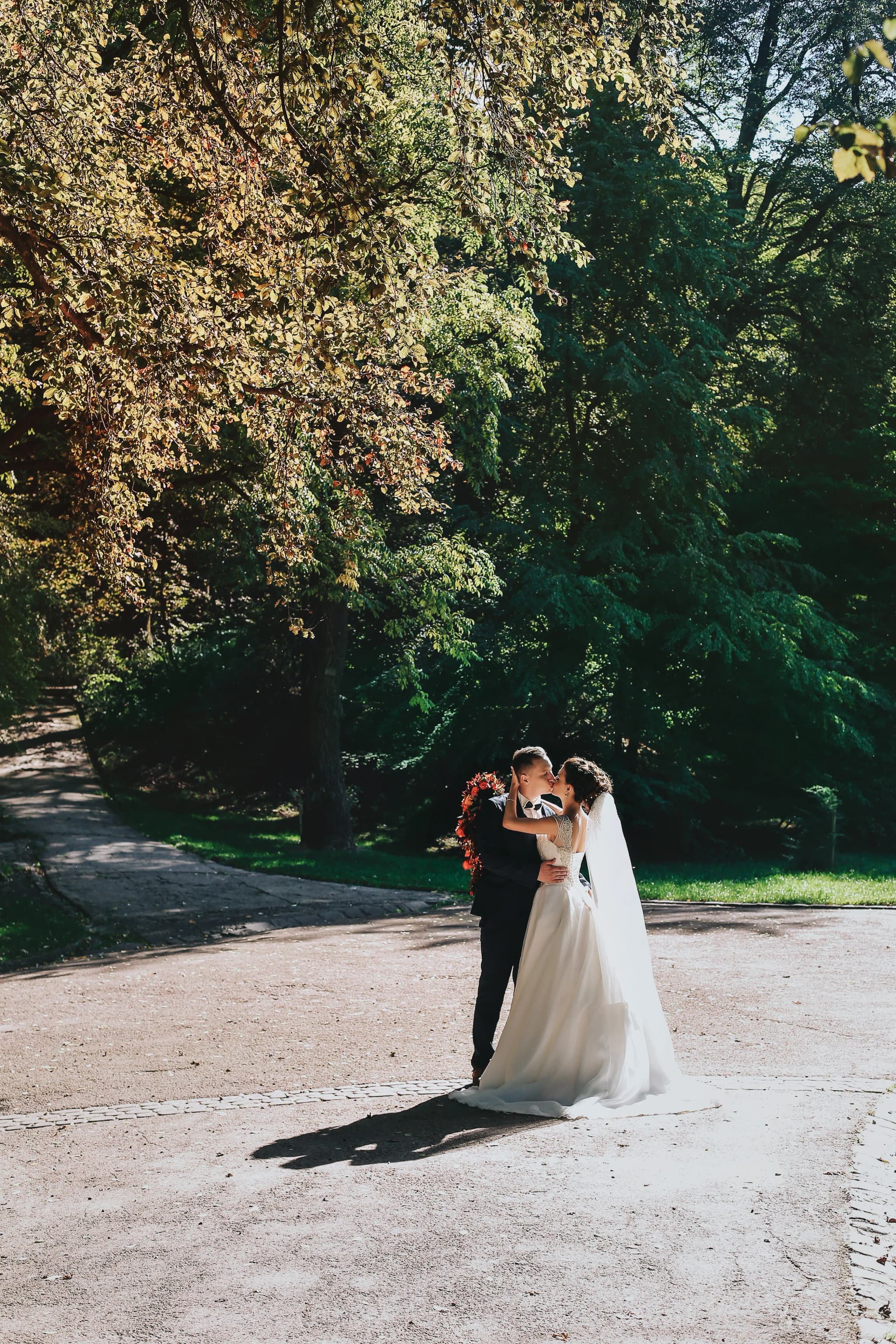
At most English vineyard weddings, the ceremony takes place in a barn conversion, a winery event space, or occasionally outdoors under a canopy of vines. The drinks reception then moves into the vineyard itself — guests wandering the rows with glasses of estate wine, the informal relaxed atmosphere that outdoor receptions in England rarely achieve as naturally as they do here. This is an excellent period for candid photography: people are genuinely curious about where they are, asking questions about the vines, picking up fallen leaves, instinctively drawn to the landscape.
The couple portrait session in the late afternoon is usually the most photographically important thirty minutes of the day. I aim to time this for the hour before sunset when the light angles low through the vine rows, creating long shadows and a warmth that flatters every couple I have photographed. It is worth building this timing into the schedule deliberately rather than fitting the portrait session around it opportunistically — a fifteen-minute difference in timing can transform the quality of available light at a vineyard venue.
The reception dinner and evening are often in the venue's barn or winery event space, and the aesthetic tends toward the relaxed and convivial rather than the formal. Long tables, estate bottles as part of the table setting, natural materials and warm candlelight: vineyard receptions have a mood that is consistent across different venues and scales, and it photographs beautifully with a documentary rather than a directed approach.
English vineyard weddings have moved well beyond novelty. The venues are now genuinely established, the wine is world-class, and the landscape settings are among the most photogenic England has to offer. If you are drawn to the idea of a working landscape, seasonal character, and a venue that gives your guests something to explore and engage with beyond the event itself, the English vineyard scene in 2025 offers choices that can genuinely rival the most celebrated country house venues — and often at a scale and intimacy that the great houses cannot match. If you are considering a vineyard or outdoor wedding in England and want to talk through how the photography would work, I would love to hear about your plans.


Yana Skakun
Photographer · England
Professional wedding, family and portrait photographer based in England. Passionate about capturing authentic emotions and timeless moments.
About Yana →vineyard weddings EnglandEnglish vineyard wedding photographerwinery wedding venue guide UK
Wedding Tips — Wedding Photography in Cambridge & England
Yana Skakun is a professional wedding photographer based in Cambridge, covering weddings across England — from intimate elopements to full-day ceremonies at country houses, barns, and city venues. Every couple receives a relaxed, documentary approach that captures the day as it truly unfolds. This guide — Vineyard Weddings in England: The Complete Guide (2026) — is part of the photography journal: practical, experience-based advice drawn from real sessions across England. Whether you arrived searching for vineyard weddings england or english vineyard wedding photographer, the same care and attention shapes every session Yana photographs.
Wedding Photography sessions are available year-round, with bookings open across Cambridge, Ely, Huntingdon, Peterborough, and further afield — East England, London, the Midlands, and beyond. If you have specific questions about winery wedding venue guide uk, mention it in your enquiry. Get in touch through the contact form above to check availability and discuss your session. Enquiries are welcomed from anywhere in the UK.
Frequently Asked Questions
How much does a wedding photographer cost in England?+
Wedding photography in England typically ranges from £1,500 to £4,000+ for a full day. Price depends on experience, coverage hours, and whether albums or engagement shoots are included. Most photographers charge between £2,000–£3,000 for 8–10 hours of coverage.
How early should you book a wedding photographer?+
For peak season (May–September), book 12–18 months in advance. For autumn and winter weddings, 9–12 months is usually sufficient. Popular photographers at popular venues fill up fast — as soon as you have a date and venue confirmed, start reaching out.
How many photos do you get from a wedding photographer?+
Most professional wedding photographers deliver 400–800 edited images for a full-day wedding. The exact number depends on coverage hours, how many guests there are, and the photographer's editing style. Quality matters more than quantity — a curated gallery of 500 images tells the story better than 1,500 unedited files.
Do you need a second photographer at your wedding?+
A second photographer is helpful if you want simultaneous coverage of getting-ready moments in different locations, multiple angles during the ceremony, or more candid coverage during the reception. It adds cost but significantly increases the variety and completeness of your gallery.
What is the difference between documentary and editorial wedding photography?+
Documentary (reportage) wedding photography captures moments as they happen — the photographer observes and doesn't intervene. Editorial photography involves deliberate direction: placing you in good light, shaping compositions, creating intentional portraits. Most photographers blend both styles throughout the day.
Continue Reading
Related Articles

Wedding Tips
Sustainable Eco-Friendly Wedding Guide — Planning a Green Celebration
15 min read · Read Article
Wedding Tips
Trash the Dress Session — Complete Planning and Photography Guide
14 min read · Read Article
Wedding Tips
Client Communication for Photographers — From Enquiry to Gallery Delivery
15 min read · Read Article
Get in Touch
Ready to Book Your Session?
Get in touch to discuss your vision — I'll reply within 24 hours.