Yana Skakun
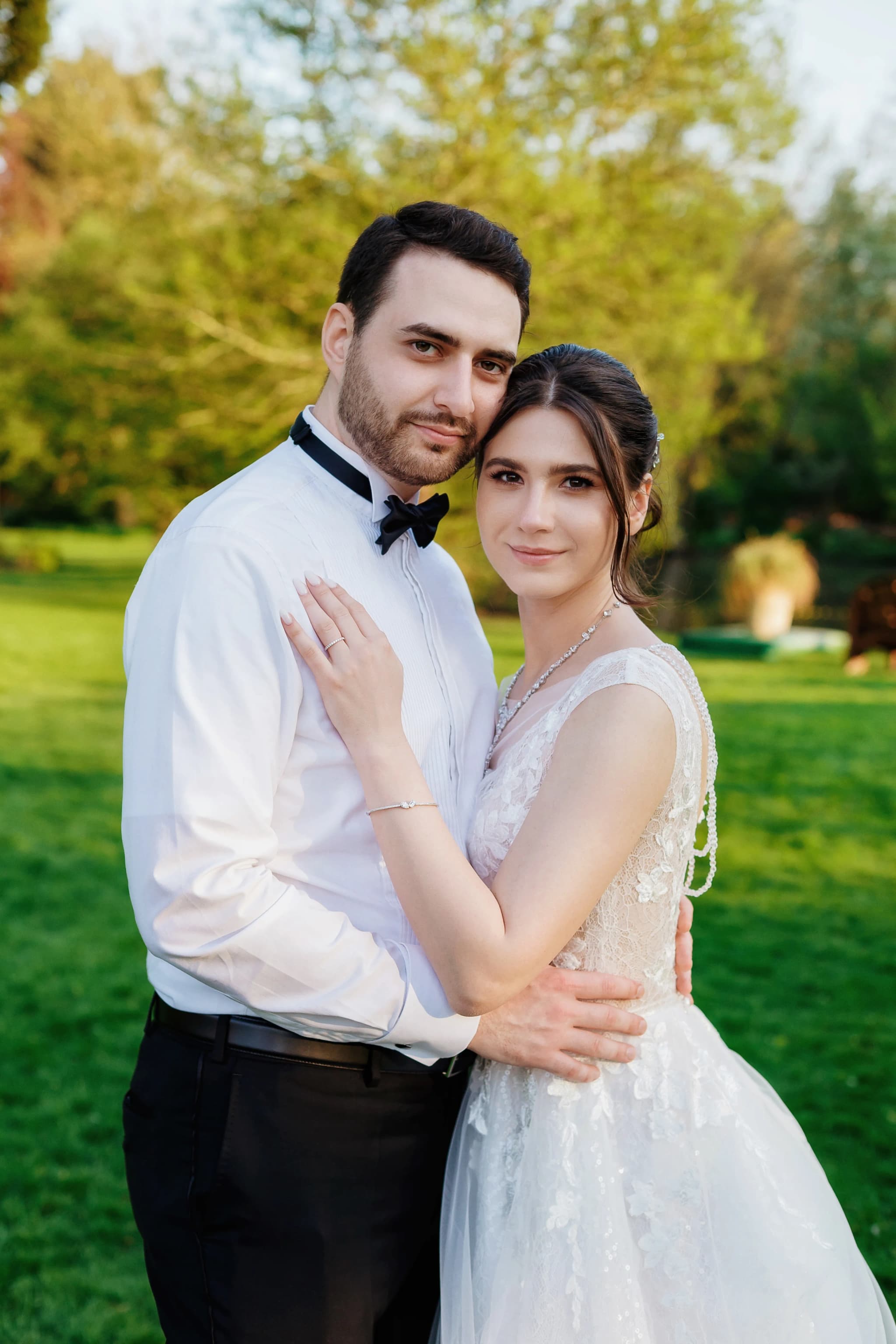
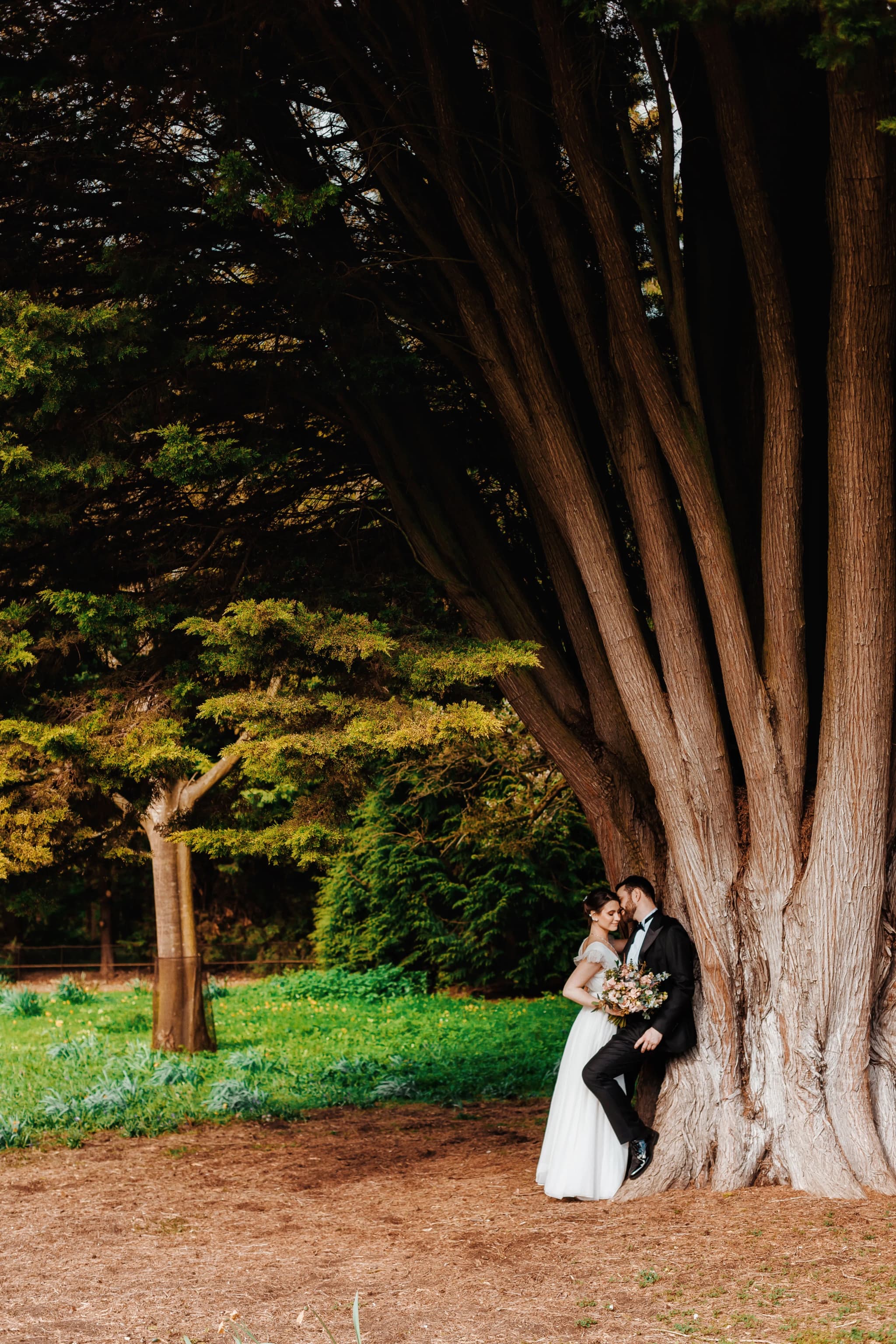
Walled Garden Wedding Photography: Intimate, Romantic & Utterly English
By Yana Skakun·20 March 2026·6 min read
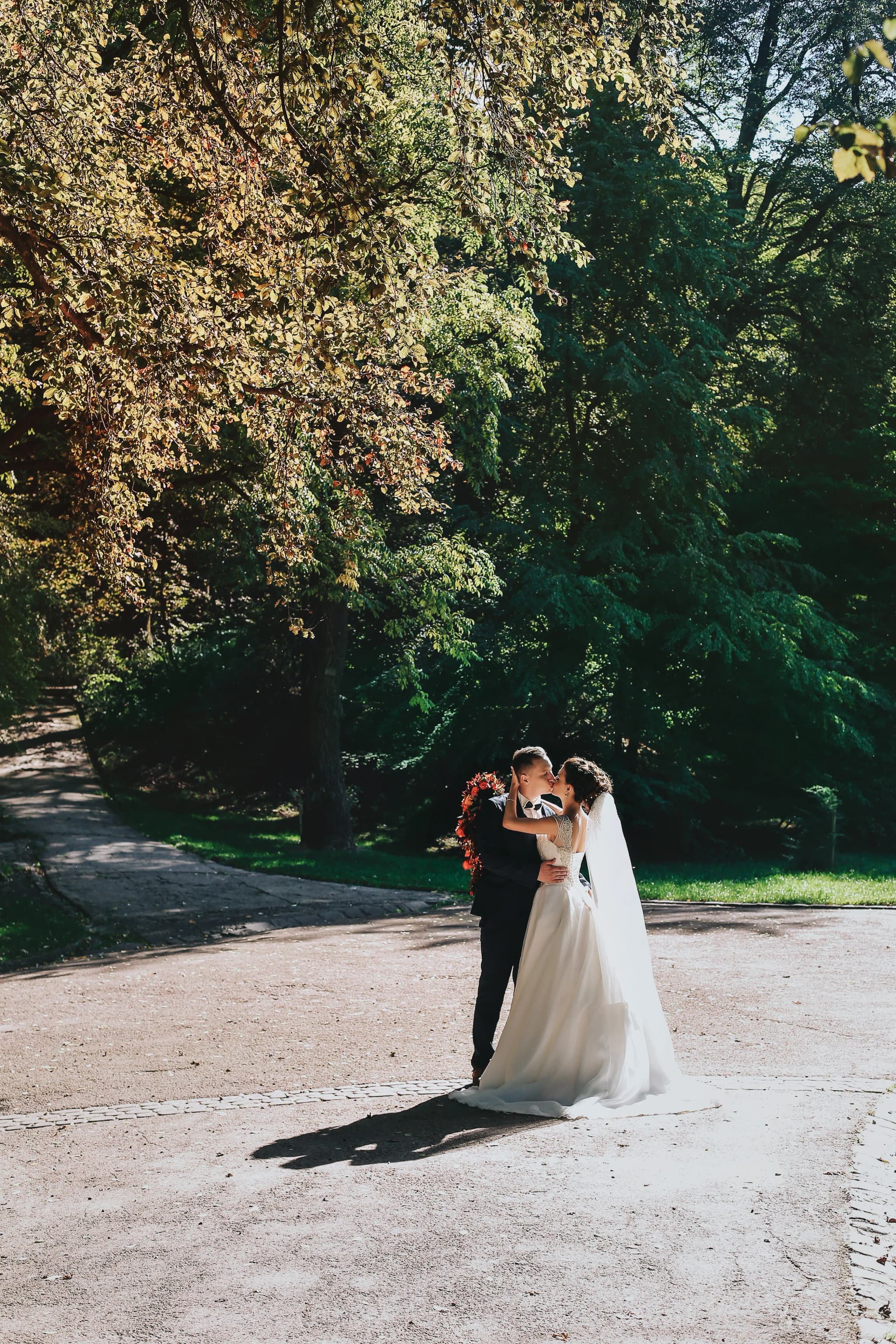
There is something almost otherworldly about stepping through the gate of a walled garden on a wedding day. The sound of the outside world recedes. The air is warmer, softer. Walls of old brick or weathered stone rise on all sides, clothed in climbing roses, espaliered fruit trees, and decades of lichen. For a wedding photographer, a walled garden is one of the most generous settings imaginable — layered, textured, seasonally alive, and structured in ways that make every frame feel composed before you even raise the camera.
Why Walled Gardens Photograph So Differently
The defining feature of a walled garden is enclosure, and enclosure changes everything about photography. Open landscapes — meadows, coastal venues, rooftop terraces — present the challenge of an infinite background where the couple must become the only anchor in the frame. A walled garden does much of that compositional work for you. The walls create natural depth, the beds and pathways offer leading lines, the gates and archways provide ready-made portrait frames. You are not trying to simplify; you are curating richness.
The walls themselves are extraordinary portrait backdrops. At Rousham House in Oxfordshire, the kitchen garden walls are built from warm Hornton stone; at Gwydir Castle in North Wales, the stone is darker, more austere. At Houghton Hall in Norfolk, red brick glows amber in afternoon light. Each material has a distinct character, but all share the quality of texture: the variation of colour and surface that makes a background feel alive rather than flat. When a couple leans against one of these walls, the stone or brick provides tonal contrast and visual interest that no painted studio backdrop can replicate.
The geometry of the traditional kitchen garden also matters enormously. The central paths, the symmetrical beds, the topiary and box hedging — all of this creates structure that a documentary or portrait photographer can use to organise a frame. A couple walking down the central axis of a formal garden becomes part of a composition that has centuries of garden design behind it. This is not accidental beauty; it is designed beauty, and it repays the camera.
Light in an Enclosed Space
One of the practical advantages of a walled garden that couples rarely anticipate is the quality of light inside the walls. South-facing walled gardens were designed by their original owners to trap and amplify solar warmth for the benefit of tender plants. The high brick or stone walls absorb heat during the day and radiate it back as the afternoon progresses. For photography, this means light that bounces, reflects, and wraps rather than falling as harsh, directional sun.
In practical terms: in a south-facing walled garden, even on a bright summer afternoon, the light inside the walls is far more workable than on the open lawn beyond. The walls act as enormous natural reflectors, filling shadows from the sides while the sky provides overhead diffusion. In my experience, the hour before golden hour in a warm-walled garden produces some of the most consistently beautiful natural light of any outdoor setting. The brickwork picks up warm amber tones and casts them back onto faces in a way that is flattering, dimensional, and genuinely difficult to replicate in post-processing.
Overcast days in a walled garden are also underrated. Clouds diffuse the light evenly across the garden, eliminating the harsh contrasts that can make open-air photography on a bright day very challenging. Soft, even, slightly grey British light — the kind that photographers abroad sometimes envy us for — renders beautifully against the texture of old walls and the saturated greens of a well-tended garden. Do not be discouraged by cloud on your wedding morning; inside the walled garden, it may well give you the most beautiful photographs of the day.
Seasonal Character: Choosing Your Month
More than perhaps any other wedding venue, a walled garden changes completely with the seasons. The same space that is bare and architectural in February — espaliered branches, clipped hedges, winter structure — becomes an explosion of rose and peony in June, a riot of dahlia and late summer colour in August, and a tapestry of russet and seed head in October. Each season offers a completely different set of photographic conditions, and understanding that is part of planning well.
June and early July represent the peak rose moment in most English walled gardens. Climbing roses covering old walls — David Austin varieties like Malvern Hills, Phyllis Bide, or The Generous Gardener — are in full flower, and the abundance is almost theatrical. If your venue has this, the photographs will carry a particular quality of profusion and softness that is very hard to achieve at any other time of year. August is the dahlia month: bold, saturated, less soft but more dramatic, with the cutting garden at its most colourful.
September and October offer something different again. The garden begins to turn. There are rosehips, seed heads, late-season asters and rudbeckia, and the first hints of autumn colour in the climbing plants on the walls. The light shifts lower and warmer, and the garden acquires a quality of poignancy — the sense of a beautiful year drawing to a close — that can make autumn walled garden wedding photographs among the most emotionally resonant I have ever taken. If you are considering an autumn wedding, do not dismiss the walled garden because it is "past its best". In my experience, it is often at its most beautiful.
Key Shot Locations Within a Walled Garden
Within any walled garden there are particular locations that reward careful attention. The first is always the gate or door. Every walled garden has an entrance, and that threshold — a wooden door set in stone, an iron gate in a brick arch, a gap in a yew hedge — is one of the most powerful portrait settings in the whole space. The couple framed in a doorway, with the garden world revealed behind them or the outer world left behind, is an image with genuine symbolic weight. I always spend time at the entrance on a site visit, noting how the light falls across the threshold at different times of day.
The central axis or main path is the second key location. In a formal kitchen garden, this path usually runs from the gate to the far wall, often bisecting the space and providing the clearest sense of perspective and depth. Walking portraits — the couple approaching or receding along this path — use the garden's geometry to create naturally composed images with strong leading lines. The path also provides the best overview of the garden's scale, important for establishing shots that put the couple in context with the space around them.
The walls themselves, particularly south- and west-facing sections, are the third location type. I look for sections where climbing plants are most abundant, where the brick or stone has interesting variation of colour and texture, and where a couple can stand or sit without competing with too much visual noise. A section of wall with a single trained apple tree or a cascade of climbing rose behind two people in wedding dress becomes a portrait that is specific to this place, this season, this day.
Notable UK Walled Garden Wedding Venues
The United Kingdom has an extraordinary concentration of historic walled gardens, many of which are now available as wedding venues. Houghton Hall in Norfolk has one of the finest restored kitchen gardens in England, covering five acres within a double-walled enclosure with a remarkable colour-themed planting scheme designed by Arne Maynard. The Walled Garden at Cowdray in West Sussex offers a romantic Italianate space with a central fountain and espaliered fruit trees against old stone. Middleton Lodge in North Yorkshire features a beautifully restored Victorian walled garden as part of its broader estate venue.
In the home counties, closer to Cambridge and the eastern counties, Elton Hall in Cambridgeshire has a working walled garden, and several National Trust properties across East Anglia open their gardens for private hire. Further afield, Gawsworth Hall in Cheshire offers a Grade I listed garden setting, while in Scotland, Balbirnie House in Fife surrounds a Georgian walled garden with mature woodland. If you are considering a walled garden venue and would like my view on specific properties in the East of England or further afield, I am happy to discuss what I have seen and what conditions to expect at each.
When evaluating any walled garden as a photography location, the key questions are: which direction does the main garden face (south- or west-facing is best for afternoon and evening light); what is the state of the planting in your chosen month; and is there flexibility to use the space throughout the day, or is photography restricted to certain hours? The answers to these questions will shape the photographic possibilities significantly.
Planning a walled garden wedding?
Walled gardens are among my favourite settings to photograph — the light, the texture, the seasonal character all combine to produce images that are genuinely distinctive. If you are planning a wedding at a walled garden venue in Cambridgeshire, Norfolk, Suffolk, or further afield, I would love to hear about it. Get in touch to discuss your venue and date, or explore my wedding photography work to see how I photograph these spaces across the seasons.
Practical Preparation for Couples
If you are marrying in a walled garden, there are a few practical things that make a real difference to the photographs. Footwear matters more than at most venues: garden paths are often gravel, stone, or brick, sometimes with uneven surfaces, and a very high stiletto heel will spend the day sinking into joints between paving or getting caught in gravel. Block heels, wedges, or — at some of the more relaxed venues — beautiful flat shoes work far better and allow you to move freely through the garden without anxiety. This directly affects how natural and at ease you appear in photographs.
Consider your colour choices in relation to the garden's palette at your chosen time of year. In a June rose garden, soft ivory and blush wedding dresses become part of the floral backdrop in a way that is genuinely beautiful. In a dahlia garden in August, bolder colours — a deep terracotta bridesmaid dress, a rich burgundy boutonniere — connect more powerfully with the surrounding planting. I would always recommend looking at photographs of your specific venue in your specific month when making these decisions, and I am happy to share reference images if that would help.
Finally, allow time to explore. Walled gardens reward slow movement. The best photographs in these spaces rarely come from the couple standing in front of the obvious backdrop; they come from walking, from pausing to look at something, from a quiet moment on a garden bench. I will always ask for at least thirty minutes of portrait time in the garden itself, ideally at two different points in the day — once in brighter light and once as the afternoon light softens. If your schedule allows for this, the variety of conditions will give your final gallery a richness that a single portrait session cannot match.
A walled garden wedding is an investment in a very particular kind of beauty — rooted, seasonal, unhurried, and deeply connected to the British landscape tradition. When the photographs come back, they will not just show two people on a beautiful day; they will show two people in a specific place, at a specific moment in the garden's year, surrounded by the accumulated beauty of a space that has been tended and loved for a very long time. That sense of time and place is something I always try to preserve, and in a walled garden, it is there in abundance.


Yana Skakun
Photographer · England
Professional wedding, family and portrait photographer based in England. Passionate about capturing authentic emotions and timeless moments.
About Yana →walled garden wedding photographywalled garden wedding venues UKintimate garden wedding photographer
Wedding Tips — Wedding Photography in Cambridge & England
Yana Skakun is a professional wedding photographer based in Cambridge, covering weddings across England — from intimate elopements to full-day ceremonies at country houses, barns, and city venues. Every couple receives a relaxed, documentary approach that captures the day as it truly unfolds. This guide — Walled Garden Wedding Photography: Intimate, Romantic & Utterly English — is part of the photography journal: practical, experience-based advice drawn from real sessions across England. Whether you arrived searching for walled garden wedding photography or walled garden wedding venues uk, the same care and attention shapes every session Yana photographs.
Wedding Photography sessions are available year-round, with bookings open across Cambridge, Ely, Huntingdon, Peterborough, and further afield — East England, London, the Midlands, and beyond. If you have specific questions about intimate garden wedding photographer, mention it in your enquiry. Get in touch through the contact form above to check availability and discuss your session. Enquiries are welcomed from anywhere in the UK.
Frequently Asked Questions
How much does a wedding photographer cost in England?+
Wedding photography in England typically ranges from £1,500 to £4,000+ for a full day. Price depends on experience, coverage hours, and whether albums or engagement shoots are included. Most photographers charge between £2,000–£3,000 for 8–10 hours of coverage.
How early should you book a wedding photographer?+
For peak season (May–September), book 12–18 months in advance. For autumn and winter weddings, 9–12 months is usually sufficient. Popular photographers at popular venues fill up fast — as soon as you have a date and venue confirmed, start reaching out.
How many photos do you get from a wedding photographer?+
Most professional wedding photographers deliver 400–800 edited images for a full-day wedding. The exact number depends on coverage hours, how many guests there are, and the photographer's editing style. Quality matters more than quantity — a curated gallery of 500 images tells the story better than 1,500 unedited files.
Do you need a second photographer at your wedding?+
A second photographer is helpful if you want simultaneous coverage of getting-ready moments in different locations, multiple angles during the ceremony, or more candid coverage during the reception. It adds cost but significantly increases the variety and completeness of your gallery.
What is the difference between documentary and editorial wedding photography?+
Documentary (reportage) wedding photography captures moments as they happen — the photographer observes and doesn't intervene. Editorial photography involves deliberate direction: placing you in good light, shaping compositions, creating intentional portraits. Most photographers blend both styles throughout the day.
Continue Reading
Related Articles

Wedding Tips
Sustainable Eco-Friendly Wedding Guide — Planning a Green Celebration
15 min read · Read Article
Wedding Tips
Trash the Dress Session — Complete Planning and Photography Guide
14 min read · Read Article
Wedding Tips
Client Communication for Photographers — From Enquiry to Gallery Delivery
15 min read · Read Article
Get in Touch
Ready to Book Your Session?
Get in touch to discuss your vision — I'll reply within 24 hours.