Yana Skakun
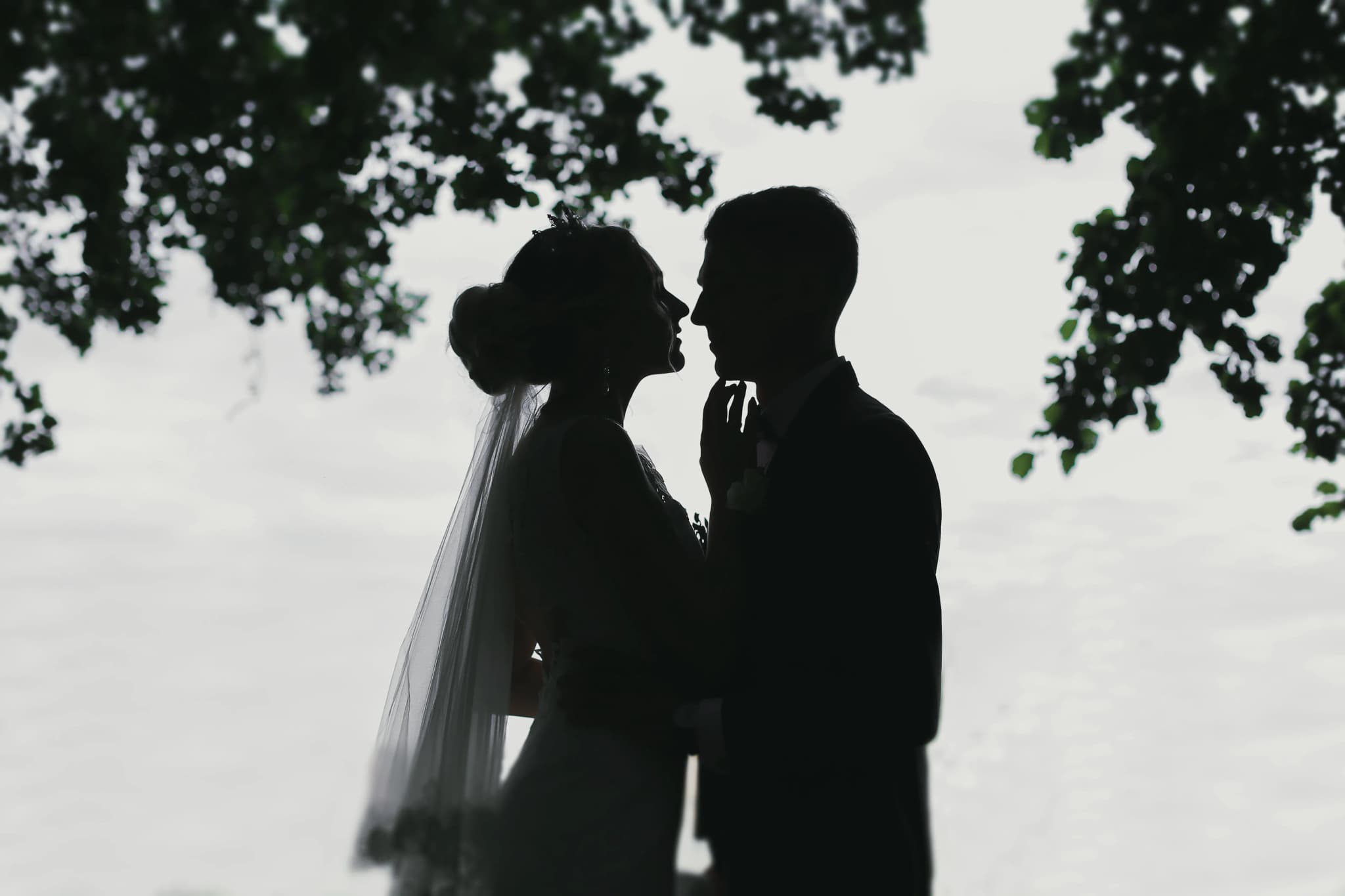
Wedding reception photography: Capturing the party properly
By Yana Skakun·28 February 2026·6 min read
By the time a wedding reaches the reception, the couple has usually relaxed. The formalities of the ceremony are behind them, the group portraits are done, and what is left is an evening of food, speeches, dancing, and the accumulated relief of a day that has actually happened the way it was planned. Photographically, though, the reception is often the hardest part of a wedding to cover well. The light drops, the pace changes constantly, and the most meaningful moments — a father welling up mid-speech, a grandmother pulled onto the dance floor, a couple catching each other's eye across a crowded marquee — happen once, without warning, and cannot be repeated for the camera. Here is what I have learned about photographing wedding receptions well, and what it is worth knowing whether you are planning your own day or simply trying to understand what your photographer is doing during those hours.
Why the Reception Is the Hardest Part of the Day to Photograph
Ceremonies and portrait sessions are, relatively speaking, predictable. You know roughly when the vows will happen, you can plan where the light will fall during a portrait session, and there is generally time to adjust a pose or wait a moment for better light. Receptions offer almost none of that. Venue lighting is designed to create atmosphere for guests, not to flatter a camera sensor — fairy lights, coloured uplighting, candles on tables, and a dimmed dance floor all look wonderful to the eye but present real technical difficulty for a camera trying to freeze motion in low light without introducing grain or motion blur.
On top of the lighting, the pace is unpredictable. A best man might speak for ninety seconds or twelve minutes. A first dance might last one song or turn into an extended group session as guests are pulled in. Nobody, including the couple, quite knows how an evening will unfold, which means a photographer covering a reception well is not working from a shot list so much as staying alert, reading the room, and anticipating what is about to happen a few seconds before it does.
The Couple's Entrance and the First Half Hour
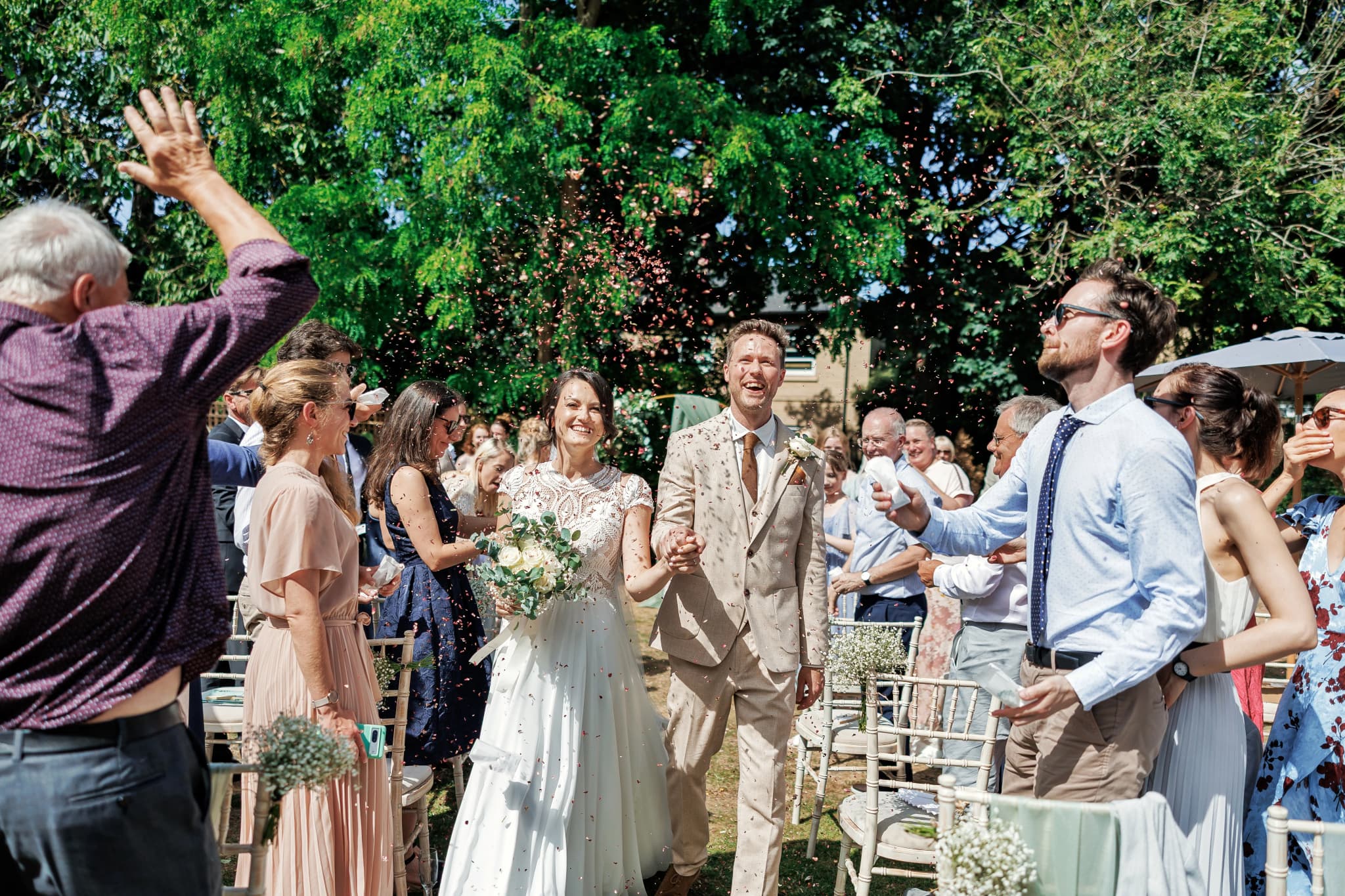
The moment a couple is announced into their reception sets the tone for the whole evening, and it is one I always position myself carefully for. The temptation is to focus entirely on the couple's faces as they walk in, but the guests' reaction — the applause, the cheering, the people standing on chairs — is just as much a part of the story. I try to work from an angle where I can catch both in a single frame, or move quickly between the two if the room does not allow it.
The first half hour after the entrance tends to be full of loose, unstructured energy: welcome drinks being topped up, guests finding their seats, the couple being pulled aside by relatives for a quick photo or a hug. I use this window to work the room quietly, picking up genuine interactions rather than staging anything, because these images end up being some of the ones couples value most later — not because they are dramatic, but because they show real people relaxed and enjoying themselves before the evening's formal moments begin.
Speeches: Reading the Room, Not Just the Speaker
Wedding speeches are made by people who do not speak in public for a living, standing up in front of everyone they know, often holding a piece of paper that is shaking slightly. That mixture of nerves, love, and humour produces some of the most genuine expressions of the entire day, but the speaker is only half the photograph. The audience — the mother wiping her eyes, the friend laughing so hard they have to look away, the siblings exchanging a glance during an embarrassing childhood story — is often more compelling than the person actually talking.
Practically, this means I position myself where I can move between the speaker and the audience without disrupting the room, usually somewhere to the side rather than directly in front. If speeches happen during the meal, it helps enormously if the speaker is seated at the end of a table rather than boxed in the middle, since it gives a photographer room to work without stepping between the speaker and half the guests. I also try to capture a wide shot of the whole room during speeches at least once — it is easy to focus in tightly on faces and forget to show the scale and atmosphere of the room itself, and couples are often glad to have that context later.
First Dance, Parent Dances, and Working in Low Light
The first dance is usually the most anticipated photograph of the evening, and it is also the most technically demanding, because it typically happens in the darkest part of the venue with a single spotlight or coloured wash as the only illumination. Getting a sharp, well-exposed image in that environment without flattening the atmosphere with an obvious on-camera flash requires equipment suited to low light and a photographer comfortable working in near-darkness without slowing everything down for the couple.
I generally aim to cover the first dance in stages rather than as a single continuous sequence: an opening wide frame that shows the room and the lighting as the dance begins, closer emotional frames as the couple settle into it, and then a wider shot again once guests start to gather around the edges of the floor to watch. Parent dances, when couples choose to include them, often carry more emotional weight than the first dance itself — they tend to be quieter, more tender, and frequently the moment where a parent's composure finally gives way. I try to give these dances the same careful attention as the first dance rather than treating them as a formality to get through quickly.
If low light photography matters to you — and for an evening reception it genuinely does — it is worth asking any photographer you are considering directly about their experience shooting in dark venues and what equipment they bring for it. A reception is not the moment to discover that a photographer is only confident working in daylight.
Full-day wedding coverage
I photograph weddings across Cambridge and the wider region from getting ready through to the last dances of the evening, so the reception is covered with the same care and continuity as the rest of the day rather than handed off separately.
Enquire about wedding photographyCake Cutting and the Small Formalities
Cake cutting is one of those moments that couples sometimes assume will feel staged, and occasionally it does, but it rarely needs to. I try to position for both faces and the moment the knife actually goes into the cake, and I let the couple do whatever they naturally do rather than directing them through a series of poses. More often than not there is a joke, a slightly awkward moment of figuring out how to hold the knife together, or a bit of frosting ending up somewhere it should not — and those unscripted seconds usually make for a better photograph than a stiffly posed one anyway. The same approach applies to any other small formalities in the evening — a bouquet toss, a garter tradition, a card box being opened — treat them as moments to observe rather than moments to manufacture.
Table Visits, Candid Moments, and the Parts Nobody Plans
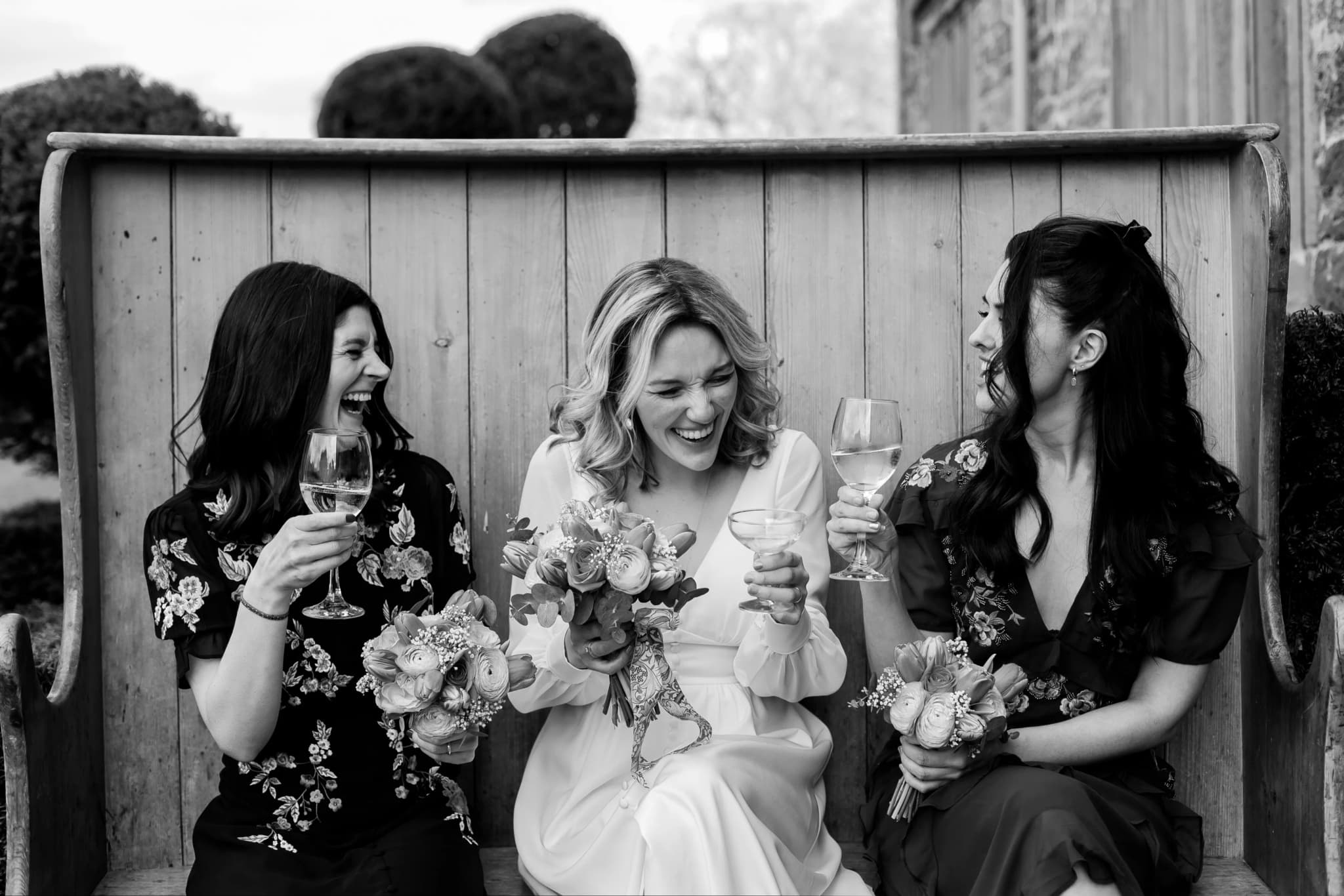
Between the named moments of a reception — entrance, speeches, first dance, cake — there is a great deal of unstructured time, and this is where a lot of the most personal images actually come from. Couples moving between tables to talk to guests, two friends who have not seen each other in years catching up in a corner, a grandparent teaching a grandchild a dance step, a group of guests mid-laugh at something that happened just out of frame. None of this can be planned for in advance, which is exactly why it is worth a photographer spending real time simply moving through the room during dinner and the early evening, watching for these moments rather than waiting for the next item on a timeline.
I find couples are often surprised, when they see their final gallery, by how many of their favourite images come from this unstructured time rather than from the formally scheduled moments. A candid shot of two old friends laughing together, or a child asleep on a pile of coats under a table, often ends up meaning more a year later than a technically perfect first dance frame. Good reception coverage holds space for both.
Open Dancing and How Long Evening Coverage Should Run
Once the formal moments are done and the dance floor opens properly, the photography shifts into a different register entirely — fast, energetic, and almost entirely candid. I move through the floor rather than standing at its edge, working close to catch genuine expressions rather than posed group shots, because open dancing photographs are at their best when they capture actual joy rather than a room full of people looking at the camera.
Most couples find that two to three hours of evening reception coverage is enough to capture the full arc of the evening — entrance, dinner, speeches, first dance, parent dances, cake cutting, and a decent stretch of open dancing once the party is properly underway. Coverage can always be extended further into the night, and some couples do choose that, particularly if there is a big group of friends who want the whole night documented. In my experience, though, the images that matter most have usually already been captured within that first couple of hours after the dancing starts, once the earlier structure of the evening has given way to genuine celebration.
A wedding reception rewards a photographer who can move between formal moments and pure observation without missing either, and who understands that the best images of the evening are rarely the ones anyone planned. If you are choosing a photographer for your day, it is worth asking not just what shots they will get, but how they work during the long unstructured stretches in between — that is usually where the character of a wedding gallery is decided. If you would like to talk through coverage for your own wedding day, including how reception photography fits into full-day coverage, get in touch and I would be glad to talk you through how I approach it.

Yana Skakun
Photographer · England
Professional wedding, family and portrait photographer based in England. Passionate about capturing authentic emotions and timeless moments.
About Yana →wedding reception photographywedding first dance photographywedding speeches photographyevening wedding photography tipswedding cake cutting photos
Wedding Tips — Wedding Photography in Cambridge & England
Yana Skakun is a professional wedding photographer based in Cambridge, covering weddings across England — from intimate elopements to full-day ceremonies at country houses, barns, and city venues. Every couple receives a relaxed, documentary approach that captures the day as it truly unfolds. This guide — Wedding reception photography: Capturing the party properly — is part of the photography journal: practical, experience-based advice drawn from real sessions across England. Whether you arrived searching for wedding reception photography or wedding first dance photography, the same care and attention shapes every session Yana photographs.
Wedding Photography sessions are available year-round, with bookings open across Cambridge, Ely, Huntingdon, Peterborough, and further afield — East England, London, the Midlands, and beyond. If you have specific questions about wedding speeches photography, mention it in your enquiry. Get in touch through the contact form above to check availability and discuss your session. Enquiries are welcomed from anywhere in the UK.
Frequently Asked Questions
How much does a wedding photographer cost in England?+
Wedding photography in England typically ranges from £1,500 to £4,000+ for a full day. Price depends on experience, coverage hours, and whether albums or engagement shoots are included. Most photographers charge between £2,000–£3,000 for 8–10 hours of coverage.
How early should you book a wedding photographer?+
For peak season (May–September), book 12–18 months in advance. For autumn and winter weddings, 9–12 months is usually sufficient. Popular photographers at popular venues fill up fast — as soon as you have a date and venue confirmed, start reaching out.
How many photos do you get from a wedding photographer?+
Most professional wedding photographers deliver 400–800 edited images for a full-day wedding. The exact number depends on coverage hours, how many guests there are, and the photographer's editing style. Quality matters more than quantity — a curated gallery of 500 images tells the story better than 1,500 unedited files.
Do you need a second photographer at your wedding?+
A second photographer is helpful if you want simultaneous coverage of getting-ready moments in different locations, multiple angles during the ceremony, or more candid coverage during the reception. It adds cost but significantly increases the variety and completeness of your gallery.
What is the difference between documentary and editorial wedding photography?+
Documentary (reportage) wedding photography captures moments as they happen — the photographer observes and doesn't intervene. Editorial photography involves deliberate direction: placing you in good light, shaping compositions, creating intentional portraits. Most photographers blend both styles throughout the day.
Continue Reading
Related Articles

Wedding Tips
Sustainable Eco-Friendly Wedding Guide — Planning a Green Celebration
15 min read · Read Article
Wedding Tips
Trash the Dress Session — Complete Planning and Photography Guide
14 min read · Read Article
Wedding Tips
Client Communication for Photographers — From Enquiry to Gallery Delivery
15 min read · Read Article
Get in Touch
Ready to Book Your Session?
Get in touch to discuss your vision — I'll reply within 24 hours.