Yana Skakun

Choosing the Perfect Photo for Your Wedding Thank You Cards
By Yana Skakun·27 May 2026·7 min read
Every autumn and spring, in the weeks after the last confetti has been swept up and the final guest has driven home, I get a small wave of messages from couples asking the same question in slightly different words: which photos should we use for our thank you cards? It is a lovely problem to have, and also a genuinely tricky one, because by the time thank you cards need writing, couples are usually exhausted, still working through a long guest list, and looking at a gallery of five hundred or more images without much energy left to make careful decisions. I always tell people the same thing: choosing your thank you card photograph does not need to be complicated, but it is worth five minutes of proper thought rather than grabbing whichever image is first in the gallery, because this is one of the few wedding photographs that goes into other people's homes and, often, gets kept for years in a drawer or a box of cards.
Why the Thank You Card Photo Deserves Its Own Decision
It is easy to assume the thank you card photo should simply be your favourite image from the day, but favourite and best-suited are not always the same thing. Your favourite photograph might be a candid moment from the speeches, full of emotion and specific to a story only your close family knows. That is a wonderful image to print large for your own wall, but it may say very little to a work colleague or a distant cousin who was not in the room for that particular joke. A thank you card photo has a slightly different job to do: it needs to represent the day, look good at a small printed size, and read clearly to a wide range of people receiving it, from your closest friends to your great aunt.
I also think about legibility in a very literal sense. A thank you card is usually four or five inches at most, sometimes tucked into an envelope alongside a handwritten note, and often glanced at for a few seconds before being read properly or set aside. Images with a lot of fine detail, distant figures, or subtle lighting that looks beautiful on a large screen can lose all their impact shrunk down that small. Simpler, cleaner compositions with your faces reasonably large in the frame tend to work far better than wide, atmospheric shots that need space to breathe.
What Actually Makes a Strong Thank You Card Image
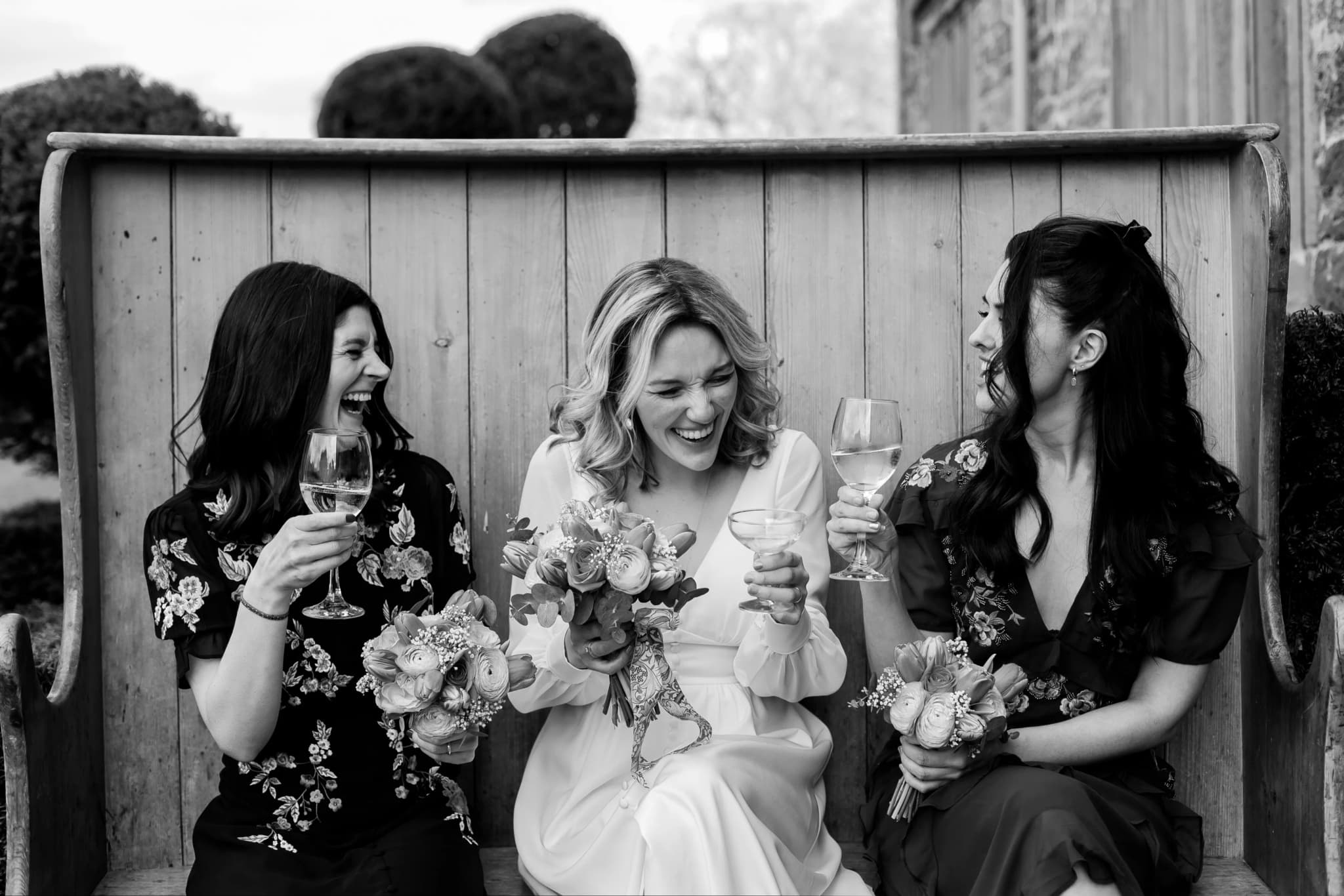
Over many weddings, the images couples end up choosing for their cards tend to share a handful of qualities, and it is worth knowing what to look for rather than scrolling on instinct alone. First, look for genuine expression rather than a stiff, formal pose. A relaxed smile, a proper laugh, or an unguarded look between the two of you photographs far more warmly than a rigid "photo face", and it is that warmth that a thank you card is really trying to convey to the person opening it.
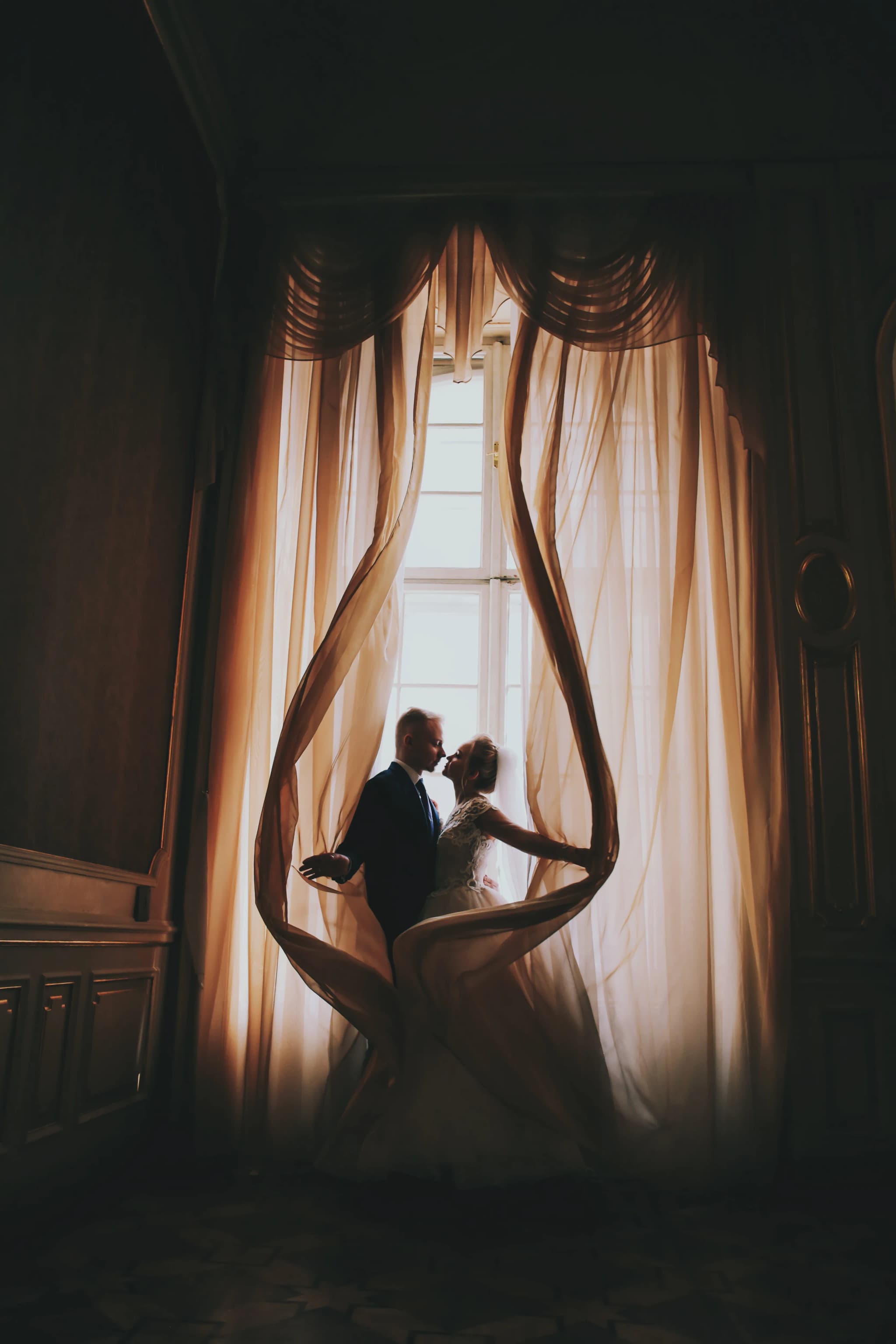
Second, think about background simplicity. A portrait against open sky, a plain stone wall, soft greenery, or an evening sky with the light already fading tends to translate beautifully to print because there is nothing competing with you for attention. Busy backgrounds full of guests, furniture, or clutter can be striking in the full-size file but often become visually noisy once cropped down to card size.
Third, consider whether the image includes both of you clearly, ideally without either of you obscured by an arm, a bouquet, or an awkward angle. This sounds obvious, but when you are looking through hundreds of images quickly, it is easy to fall for a photograph that is emotionally lovely but technically has one of you half turned away or partially hidden. For a printed keepsake that other people will look at, clarity matters more than it might for an image you are only sharing online.
Finally, I always suggest choosing an image with reasonably even, soft lighting rather than one with very strong contrast or deep shadow across your faces. Photographs taken in that gentle window of light just before sunset, or in open shade during the day, tend to reproduce far more reliably through home printers and online print services than images with dramatic side-lighting, which can occasionally print darker or harder-edged than they appear on a screen.
Portrait, Detail, or Candid: Choosing the Right Type of Shot
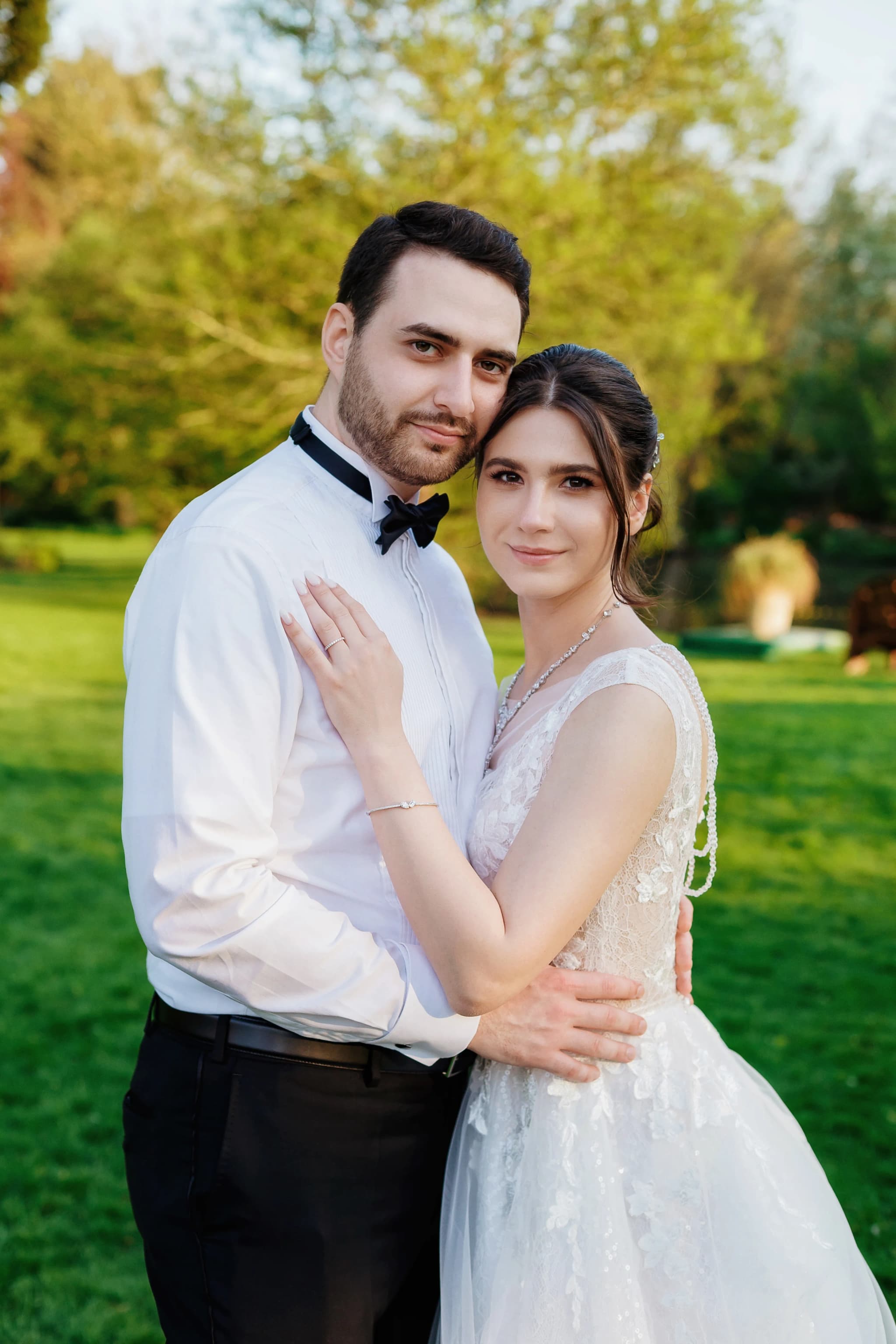
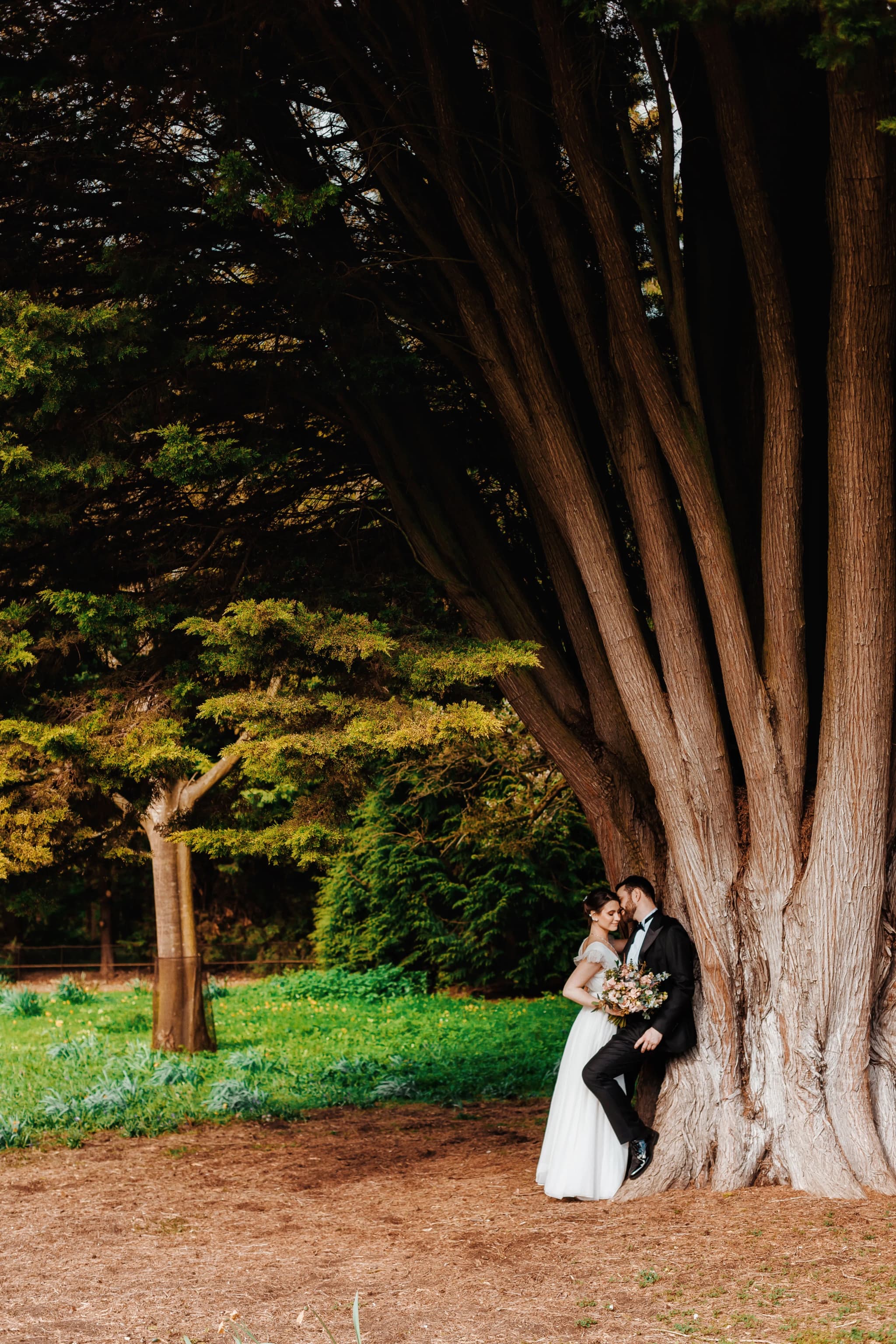
Couples often assume the thank you card photo has to be a formal couple portrait, but that is only one option among several that work well. A classic portrait — the two of you facing the camera, relaxed, with good light — is a safe and popular choice precisely because it reads instantly and clearly to anyone who opens the card, including relatives who have never met one of you before. It is a genuinely reliable choice if you are torn.
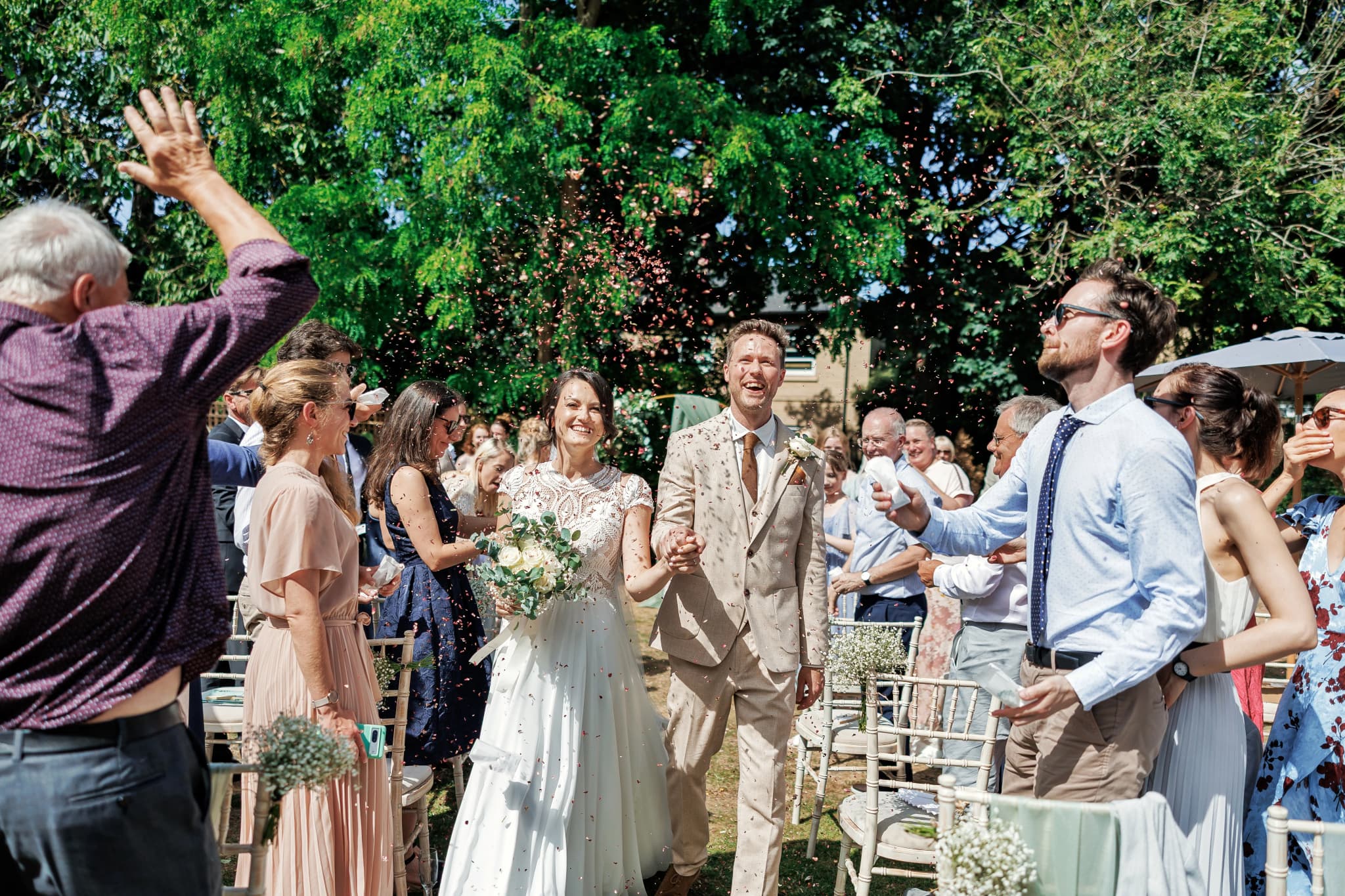
A candid moment can work just as well, sometimes better, particularly if it captures something that feels distinctly you as a couple — genuine laughter during the first dance, a quiet exchange during the ceremony, or the walk back down the aisle as newlyweds. These images tend to feel more personal and less like a standard studio shot, and many couples I work with actually prefer this route because it feels truer to the actual atmosphere of their day rather than a posed moment manufactured for the camera.
A small number of couples choose a detail-led image instead of a portrait — hands with rings visible, for example, or a quiet shot of the two of you from behind looking out at a view. These can be beautiful and unusual, but I would gently caution that they are a higher-risk choice for a thank you card specifically, because they rely on the recipient already knowing the context. For an audience that includes guests you may not know well, a clear image of your faces together generally does more of the emotional work the card is trying to achieve.
Some couples solve the dilemma by using two images rather than one — a small collage layout with a portrait on one side and a candid or detail shot on the other. This works nicely if your card designer or printing service offers a multi-image template, and it lets you include a little more of the day's character without asking a single photograph to carry the whole story.
Timing: When to Choose and When You'll Actually Have the Photos
This is where I think a lot of couples get caught out, so it is worth being honest about the practical timeline. Full wedding galleries typically take several weeks to edit and deliver after the day itself, and etiquette around thank you cards generally suggests sending them within a few months of the wedding, sooner rather than later where possible. That gap between when you would ideally like to send cards and when your full gallery is ready is exactly why many photographers, myself included, offer a small set of sneak peek images within the first few days after the wedding.
These early images are usually a handful of well-chosen highlights — enough to share with excited friends and family straight away, and more than enough to pick a thank you card photo from if you want to get cards moving quickly rather than waiting for the complete edited gallery. If sending thank you cards promptly matters to you, it is worth mentioning that when we are discussing your wedding day timeline, so I can make sure a few strong, simple portraits are captured deliberately with that purpose in mind, rather than hoping something suitable turns up naturally among the candids.
If you would rather wait for the full gallery before deciding, that is completely reasonable too, and plenty of couples do exactly that, sending cards a little later once they have had time to look through everything properly. There is no strict rule here beyond common courtesy toward your guests, and a card sent three months after the wedding with a beautifully chosen photograph is always better received than one rushed out in the first fortnight with an image you are not really happy with.
Planning ahead for your thank you cards
If sending photo thank you cards quickly matters to you, let's talk about it before your wedding day so I can make sure we capture a simple, clear portrait early in the timeline specifically for that purpose.
Get in touch about your wedding dayPractical Printing Advice
Once you have chosen your image, a few practical points make a real difference to how the finished card looks. Always work from the highest resolution version of the file available to you, rather than a version that has been downloaded from a phone screen or a social media post, which will have been compressed and will look soft or pixelated once enlarged even slightly. Your full wedding gallery should include full-resolution downloads specifically for this reason.
Pay attention to the aspect ratio your chosen card template asks for. A photograph composed as a wide horizontal frame will need cropping if the template is a tall vertical card, and that crop can sometimes cut off exactly the part of the image you liked most, such as your partner's hand on your shoulder or the edge of a bouquet. Where possible, choose an image whose natural shape already suits the card format you are planning to use, or ask your printing service whether they can accommodate the original crop.
If you are ordering through a print-on-demand card service rather than a professional printer, it is worth ordering one sample card before committing to the full run for your guest list. Screens and printers render colour and brightness differently, and a sample lets you check that skin tones look natural and that the image has not come out darker or more colour-shifted than expected. This is a small extra step, but it can save you from an entire batch of cards that do not quite match how you pictured them.
Finally, consider matte versus gloss finishes. Matte card stock tends to feel more refined and handles fingerprints better, which matters for something that will be handled and read by hand, while gloss finishes can make colours feel slightly more vivid at the cost of some reflectiveness under certain lighting. Neither is objectively better; it is genuinely down to personal preference and the overall tone of your wedding stationery.
A Few Photos or Just One
Most couples land on a single strong image, and honestly, that is usually the right call — simplicity tends to age well and one confident choice communicates more than a busy collage. But if you found yourself torn between two very different images during your final selection, a card with two small photographs, perhaps one formal portrait and one genuine candid, can be a lovely compromise that shows both sides of the day without diluting either. What I would steer you away from is trying to cram in four or five tiny images purely to avoid choosing, because at thank you card scale, more photographs almost always means less impact for each one.
Thank you cards are a small thing in the grand scheme of a wedding, but they are also one of the last quiet touches your guests receive from your day, arriving in their letterbox weeks after the celebration itself has finished, when the memory has had time to settle. A well-chosen photograph on that card, warm and clear and unmistakably you, does more to close the loop on the day than any amount of formal wording ever could. If you are planning a wedding and want to make sure the images you will need for cards, invitations, or keepsakes further down the line are captured with real intention on the day itself, get in touch and we can talk through your timeline together.


Yana Skakun
Photographer · England
Professional wedding, family and portrait photographer based in England. Passionate about capturing authentic emotions and timeless moments.
About Yana →photo wedding thank you cardswedding thank you card photo ideaschoosing wedding photos for cardswedding stationery photographyprinting wedding photo cards
Wedding Tips — Wedding Photography in Cambridge & England
Yana Skakun is a professional wedding photographer based in Cambridge, covering weddings across England — from intimate elopements to full-day ceremonies at country houses, barns, and city venues. Every couple receives a relaxed, documentary approach that captures the day as it truly unfolds. This guide — Choosing the Perfect Photo for Your Wedding Thank You Cards — is part of the photography journal: practical, experience-based advice drawn from real sessions across England. Whether you arrived searching for photo wedding thank you cards or wedding thank you card photo ideas, the same care and attention shapes every session Yana photographs.
Wedding Photography sessions are available year-round, with bookings open across Cambridge, Ely, Huntingdon, Peterborough, and further afield — East England, London, the Midlands, and beyond. If you have specific questions about choosing wedding photos for cards, mention it in your enquiry. Get in touch through the contact form above to check availability and discuss your session. Enquiries are welcomed from anywhere in the UK.
Frequently Asked Questions
How much does a wedding photographer cost in England?+
Wedding photography in England typically ranges from £1,500 to £4,000+ for a full day. Price depends on experience, coverage hours, and whether albums or engagement shoots are included. Most photographers charge between £2,000–£3,000 for 8–10 hours of coverage.
How early should you book a wedding photographer?+
For peak season (May–September), book 12–18 months in advance. For autumn and winter weddings, 9–12 months is usually sufficient. Popular photographers at popular venues fill up fast — as soon as you have a date and venue confirmed, start reaching out.
How many photos do you get from a wedding photographer?+
Most professional wedding photographers deliver 400–800 edited images for a full-day wedding. The exact number depends on coverage hours, how many guests there are, and the photographer's editing style. Quality matters more than quantity — a curated gallery of 500 images tells the story better than 1,500 unedited files.
Do you need a second photographer at your wedding?+
A second photographer is helpful if you want simultaneous coverage of getting-ready moments in different locations, multiple angles during the ceremony, or more candid coverage during the reception. It adds cost but significantly increases the variety and completeness of your gallery.
What is the difference between documentary and editorial wedding photography?+
Documentary (reportage) wedding photography captures moments as they happen — the photographer observes and doesn't intervene. Editorial photography involves deliberate direction: placing you in good light, shaping compositions, creating intentional portraits. Most photographers blend both styles throughout the day.
Continue Reading
Related Articles

Wedding Tips
Sustainable Eco-Friendly Wedding Guide — Planning a Green Celebration
15 min read · Read Article
Wedding Tips
Trash the Dress Session — Complete Planning and Photography Guide
14 min read · Read Article
Wedding Tips
Client Communication for Photographers — From Enquiry to Gallery Delivery
15 min read · Read Article
Get in Touch
Ready to Book Your Session?
Get in touch to discuss your vision — I'll reply within 24 hours.