Yana Skakun
Wedding venues in the Cotswolds: A photographer's complete guide
By Yana Skakun·24 March 2026·12 min read
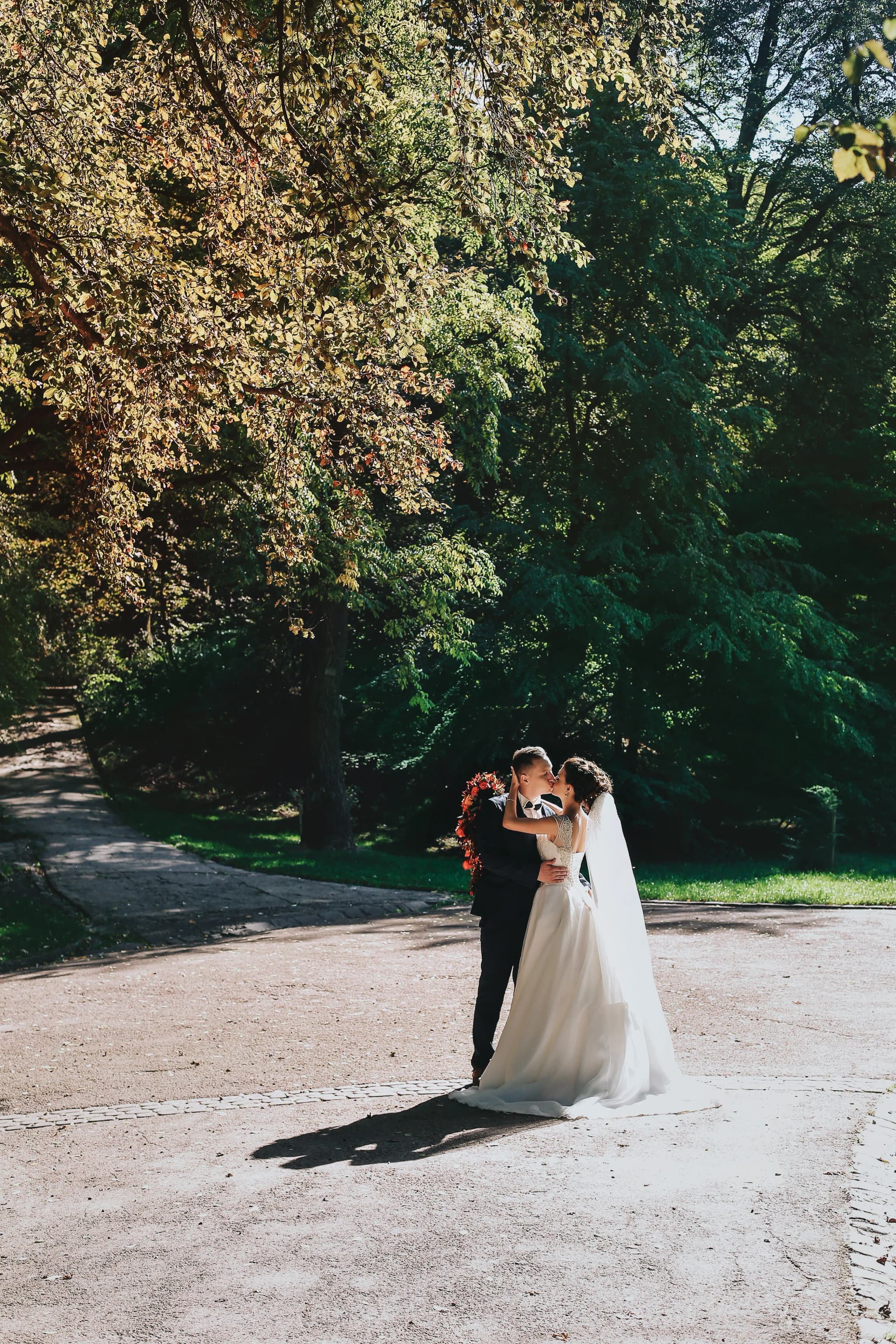
Of all the wedding regions I travel to from Cambridge, the Cotswolds is the one couples ask about most, and it is not difficult to see why. There is something about honey-coloured limestone under late-afternoon light that photographs almost effortlessly — walls that glow rather than simply reflect, church towers that seem to hold the last of the sun long after everything around them has dimmed, and villages built at a scale and material consistency that feels entirely unlike anywhere else in England. I have photographed weddings across the region for several years now, in manor houses, converted barns, walled gardens, and a few unassuming village halls that turned out to be far more beautiful than their name suggested, and this guide is an attempt to put down, honestly, what I have learned about choosing a venue there and photographing well within it.
Why the Cotswolds Works So Well for Photography
The Cotswolds Area of Outstanding Natural Beauty stretches across parts of Gloucestershire, Oxfordshire, Warwickshire, Worcestershire, and Wiltshire, and the thing that unifies it visually — the reason it reads as a single coherent region rather than a scattering of pretty villages — is the stone. Almost every building of any age is built from the same local oolitic limestone, quarried for centuries from the same seams, and that stone has a genuinely unusual property: it absorbs and re-emits low, warm light in a way that grey brick or modern render simply does not. At golden hour, walls that looked pale and unremarkable at midday take on a depth of colour that looks almost lit from within.
That consistency of material means a photographer can move a couple from a walled garden to a village street to the steps of a church without the images feeling visually disjointed, because everything around them shares the same palette. It also means the region rewards patience with light more than most. A barn interior that looks flat and grey at two in the afternoon can become extraordinary by six, once the sun drops low enough to reach through open doors and windows at an angle. Part of my job on a Cotswolds wedding day is reading that light and making sure we are in the right place, not just at the right venue but at the right moment within it.
Choosing a Region Within the Cotswolds
The Cotswolds is larger and more varied than people expect — roughly ninety miles from Chipping Campden in the north down to the hills above Bath in the south — and different parts of it have genuinely different character, which matters when you are choosing where to marry.
The northern Cotswolds, around Chipping Campden, Broadway, and Moreton-in-Marsh, has the most concentrated honeystone character of anywhere in the region. The famous view of Chipping Campden's high street from the surrounding hills, the terraced gardens at Hidcote and Kiftsgate nearby, and Broadway Tower sitting alone on its ridge all give this area a slightly grander, more storybook feel. Venues here tend toward manor houses and formal gardens, and the light on the escarpments in the evening is genuinely spectacular.
The central Cotswolds, around Bourton-on-the-Water, Burford, and Bibury, is the most visited part of the region, and while that means more tourists to work around on a summer Saturday, it also means the villages here are extraordinarily photogenic almost by default. Bibury's row of seventeenth-century weavers' cottages is one of the most photographed streets in England for good reason, and Burford's sloping high street offers a different but equally striking backdrop.
The southern Cotswolds, around Cirencester, Tetbury, and Malmesbury, is quieter and less obviously picture-postcard, but I have come to particularly love photographing there. It has a working, agricultural character that the busier northern and central villages sometimes lack, and couples who choose venues in this part of the region tend to want something that feels genuinely lived-in rather than curated for visitors.
The Kinds of Venues You Will Find
Manor houses and country estates are probably what most people picture when they think of a Cotswolds wedding, and the region has an unusually high concentration of them. Most offer exclusive use, meaning your wedding is the only thing happening on the property that day, which matters enormously for photography — it means gardens, staircases, and reception rooms are available for portraits throughout the day rather than only during a narrow window, and there is no risk of another event's decor or guests appearing in the background of your images.
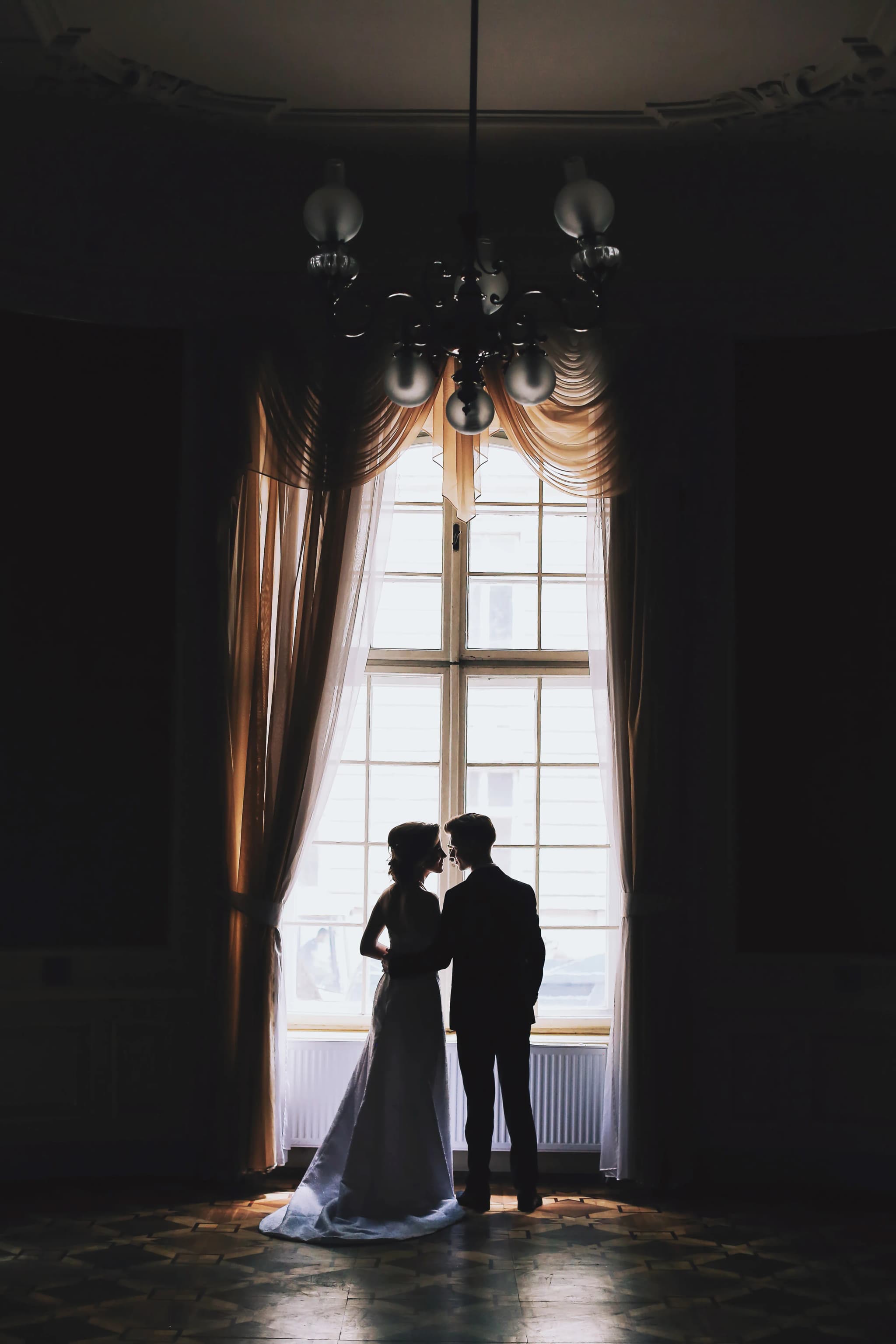
Barn conversions are the other dominant venue type, and they range enormously in style. The best of them keep the original stone walls, exposed roof timbers, and flagstone or reclaimed wood floors largely untouched, which gives them a warmth and texture that a purpose-built function room rarely has. Photographically, barns present a particular challenge and opportunity together: they are often quite dark inside, which means low, warm window light becomes the dominant feature of any indoor portrait, and getting couples near those windows at the right moment produces some of my favourite images from any wedding day.
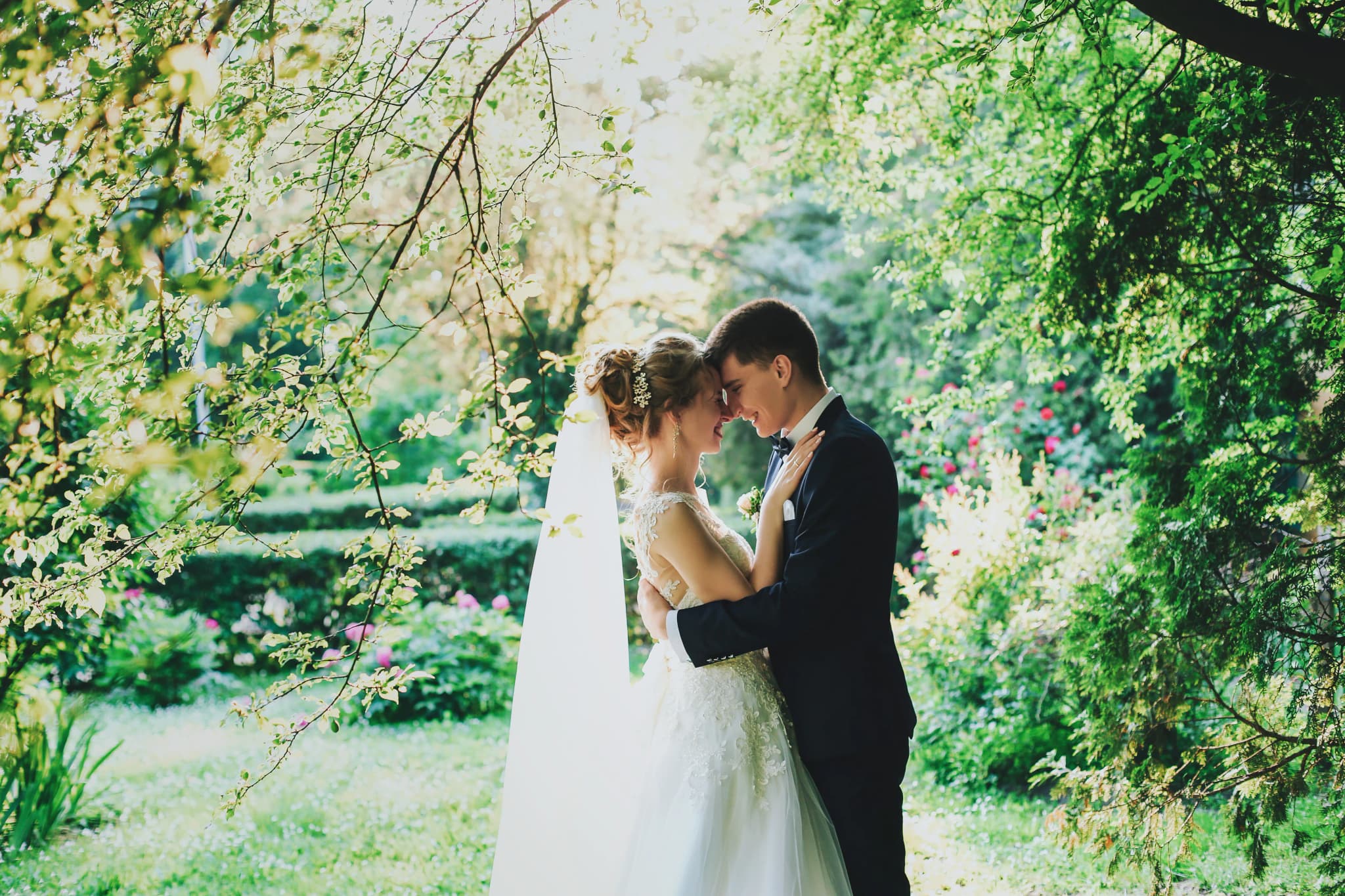
Walled gardens deserve a specific mention because they are, in my experience, one of the most underrated settings in the region. Several estates have opened their old kitchen gardens for weddings, and the combination of tall stone walls, structured planting beds, and trained fruit trees against the walls creates a setting with far more visual variety than an open lawn. The walls also do useful practical work for a photographer, blocking wind and creating pockets of even, diffused light even on a bright day.
Beyond these, I photograph a fair number of weddings in village halls, marquees on private land, and small family gardens across the region. These rarely appear on venue lists but often produce the most personal, least formal images of the day, precisely because the setting has not been designed with photography in mind and so nothing about it feels staged.
Planning a Cotswolds wedding
I travel to Cotswolds weddings throughout the year from my base near Cambridge, and I am always glad to talk through a venue before you book it, particularly around light and timing on the day.
Get in touch about your dateLight, Seasons, and Timing on the Day
Late spring and early autumn tend to produce the most dramatic light in the Cotswolds — a lower sun angle for longer stretches of the afternoon and evening, combined with clearer air than the height of summer often allows. Golden hour on a clear evening in May or September, with that low sun catching honeystone walls side-on, is genuinely one of the most beautiful lighting conditions I photograph in anywhere in the country.
Summer weddings bring longer days and, more often than people expect, useful cloud cover. An overcast summer afternoon actually works in a couple's favour in a walled garden or barn interior, because it eliminates the harsh, high-contrast shadows that direct midday sun creates and gives skin tones a much softer, more even quality. I would rather photograph a Cotswolds wedding under gentle cloud than under a cloudless sky at two in the afternoon.
Winter weddings in the region have their own particular character — low mist sitting in the valleys some mornings, bare trees against pale stone, a quietness to the villages that summer never has. They suit couples who want something more atmospheric and less conventionally bright, and I have photographed some genuinely striking winter weddings in barns warmed by candlelight and open fires while frost sits on the ground outside.
Whatever the season, I always ask couples for their ceremony and reception timings early, because in the Cotswolds specifically, the difference between a portrait session at four o'clock and one at half past six can be the difference between flat daylight and genuinely golden light on the same stone wall. Building in even twenty minutes of flexibility around sunset, where the schedule allows it, is one of the most useful things a couple can do for their photographs.
Practical Notes for Couples Planning a Cotswolds Wedding
Many of the most photogenic villages, particularly Bourton-on-the-Water and Bibury in peak summer, attract significant numbers of visitors on any given Saturday. If part of your plan includes portraits in a public village setting, it is worth discussing timing with your photographer in advance — early morning or the last hour before sunset generally means far fewer people to work around than the middle of the day.
Travel between the ceremony and reception venue is also worth thinking through carefully. Cotswolds roads are narrow, often single-track between villages, and journey times that look short on a map can take considerably longer in practice, especially with a wedding car or a convoy of guests. Building a realistic buffer into the timeline protects the portrait session that follows, since a late arrival almost always eats directly into the light you were relying on.
Because I travel from Cambridge for these weddings, I generally arrive the evening before if the ceremony is early, which also gives me a chance to walk the venue in real daylight conditions rather than relying entirely on photographs from a website. That reconnaissance time consistently makes a difference to how confidently I can move through a venue on the day itself, particularly somewhere like a large estate with several distinct garden areas or a barn with multiple usable rooms.
The Cotswolds rewards a photographer who knows it — who knows which wall catches the last of the light at a particular estate, which barn window is worth planning fifteen minutes around, which village street is quiet by seven even in high summer. I have built up that knowledge slowly, wedding by wedding, across the region, and I bring it to every Cotswolds booking rather than treating each venue as unfamiliar ground. If you are planning a wedding anywhere in the Cotswolds, whatever the season or venue type, I would genuinely love to hear about it — get in touch and let's talk through your venue, your timings, and how to make the most of the light on your day.

Yana Skakun
Photographer · England
Professional wedding, family and portrait photographer based in England. Passionate about capturing authentic emotions and timeless moments.
About Yana →Cotswolds wedding venueswedding venues OxfordshireCotswolds barn weddingmanor house wedding CotswoldsCotswolds wedding photography
Wedding Tips — Wedding Photography in Cambridge & England
Yana Skakun is a professional wedding photographer based in Cambridge, covering weddings across England — from intimate elopements to full-day ceremonies at country houses, barns, and city venues. Every couple receives a relaxed, documentary approach that captures the day as it truly unfolds. This guide — Wedding venues in the Cotswolds: A photographer's complete guide — is part of the photography journal: practical, experience-based advice drawn from real sessions across England. Whether you arrived searching for cotswolds wedding venues or wedding venues oxfordshire, the same care and attention shapes every session Yana photographs.
Wedding Photography sessions are available year-round, with bookings open across Cambridge, Ely, Huntingdon, Peterborough, and further afield — East England, London, the Midlands, and beyond. If you have specific questions about cotswolds barn wedding, mention it in your enquiry. Get in touch through the contact form above to check availability and discuss your session. Enquiries are welcomed from anywhere in the UK.
Frequently Asked Questions
How much does a wedding photographer cost in England?+
Wedding photography in England typically ranges from £1,500 to £4,000+ for a full day. Price depends on experience, coverage hours, and whether albums or engagement shoots are included. Most photographers charge between £2,000–£3,000 for 8–10 hours of coverage.
How early should you book a wedding photographer?+
For peak season (May–September), book 12–18 months in advance. For autumn and winter weddings, 9–12 months is usually sufficient. Popular photographers at popular venues fill up fast — as soon as you have a date and venue confirmed, start reaching out.
How many photos do you get from a wedding photographer?+
Most professional wedding photographers deliver 400–800 edited images for a full-day wedding. The exact number depends on coverage hours, how many guests there are, and the photographer's editing style. Quality matters more than quantity — a curated gallery of 500 images tells the story better than 1,500 unedited files.
Do you need a second photographer at your wedding?+
A second photographer is helpful if you want simultaneous coverage of getting-ready moments in different locations, multiple angles during the ceremony, or more candid coverage during the reception. It adds cost but significantly increases the variety and completeness of your gallery.
What is the difference between documentary and editorial wedding photography?+
Documentary (reportage) wedding photography captures moments as they happen — the photographer observes and doesn't intervene. Editorial photography involves deliberate direction: placing you in good light, shaping compositions, creating intentional portraits. Most photographers blend both styles throughout the day.
Continue Reading
Related Articles

Wedding Tips
Sustainable Eco-Friendly Wedding Guide — Planning a Green Celebration
15 min read · Read Article
Wedding Tips
Trash the Dress Session — Complete Planning and Photography Guide
14 min read · Read Article
Wedding Tips
Client Communication for Photographers — From Enquiry to Gallery Delivery
15 min read · Read Article
Get in Touch
Ready to Book Your Session?
Get in touch to discuss your vision — I'll reply within 24 hours.