Yana Skakun
What to expect on your wedding photography day: A timeline guide
By Yana Skakun·8 May 2025·7 min read
Almost every couple I sit down with before their wedding asks some version of the same question: “What actually happens with the photography on the day?” It is a completely fair thing to want to know. For most couples, a wedding is the first time they have ever hired a photographer for anything, and the idea of having someone documenting your day for eight, ten, sometimes twelve hours can feel abstract right up until it is actually happening around you. Having a clear picture of the timeline in advance changes that. It means you know roughly what to expect at each stage, your families and wedding party know when and where they need to be, and everyone can relax into the day rather than wondering what happens next. What follows is the shape a typical English wedding day takes from behind my camera, along with the practical things that make the biggest difference to how the photographs turn out.
Morning: Getting Ready
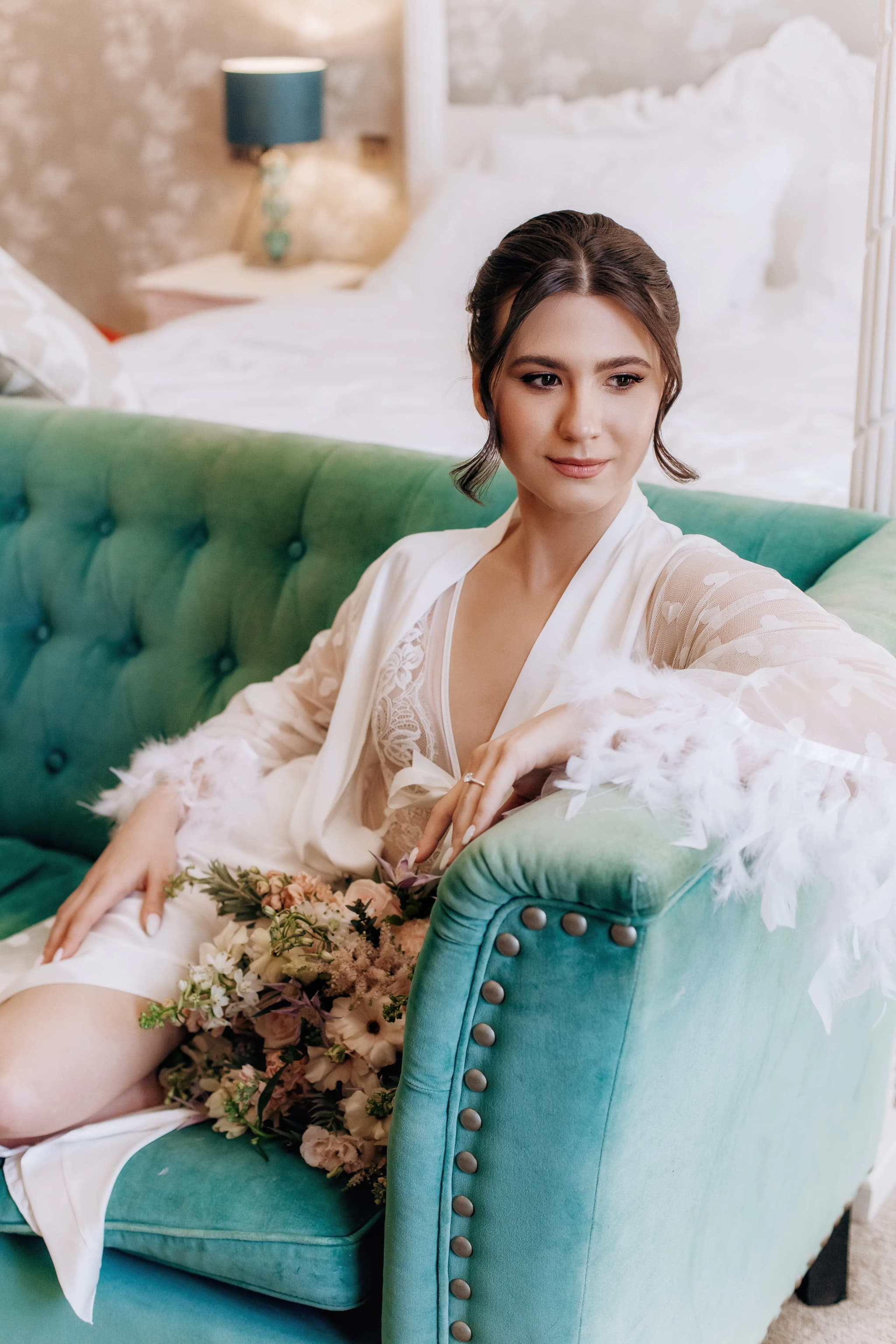
The day almost always begins with preparations, and this is where I like to arrive early rather than rushing in at the last minute. For the bridal side, I typically arrive two to three hours before the ceremony. This gives enough time to photograph the last stages of hair and makeup, the dress hanging somewhere with good light, the shoes, rings, invitations, and any sentimental items — a grandmother's brooch, a handwritten card from a parent, a bracelet borrowed from a sister. These small details end up mattering a great deal once the album is put together, because they are the objects that carry the story of who was involved and what was meaningful, in a way that is easy to forget about in the moment but very easy to regret not having afterwards.
For the groom's side, I usually arrive somewhat later, thirty to forty-five minutes before the ceremony, to capture the getting-dressed moments, the nervous energy among the groomsmen, and the last bit of banter before everyone heads off. It is a shorter window because there is typically less to document, but it is not a rushed one — the goal is the same: capturing the day as it genuinely unfolds rather than staging a version of it.
Light matters enormously during this stage, more than almost any other point in the day. A hotel room or bedroom with a large window produces beautifully soft, flattering images; a small windowless room with the main ceiling light on does not, no matter how good the camera is. If you have any control over where preparations happen, choose the room with the best natural light, and try to keep it reasonably tidy before I arrive — hangers, coffee cups, and phone chargers all show up in photographs, and while I do tidy things out of frame where I can, starting from a calmer space makes a real difference.
A note on timing
Schedule hair and makeup to finish around thirty minutes before I'm due to arrive. That gap gives us time for relaxed “getting ready” portraits while everything still looks fresh, rather than trying to catch the moment as the makeup artist is packing away and everyone is being hurried out of the door.
Ask about your wedding dateThe Ceremony
Whatever form the ceremony takes — a village church, a registry office, a licensed barn, a college chapel — my approach is the same: work as discreetly as possible so that the day belongs to you and your guests, not to a photographer moving around in front of everyone. I position myself to capture the walk down the aisle, the readings, the vows, the exchange of rings, and that first kiss as a married couple, while staying far enough out of the way that you barely notice me working.
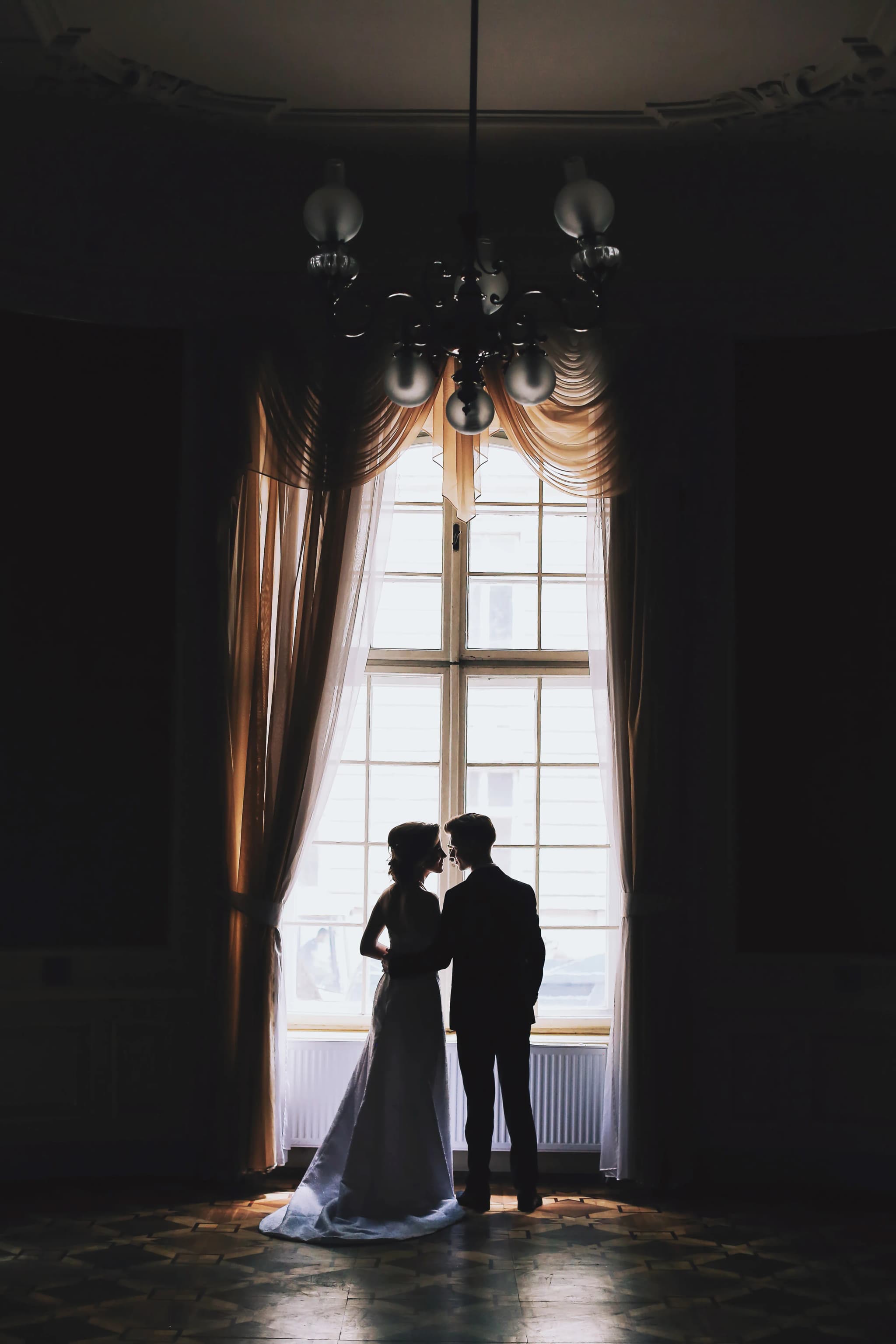
Different venues bring different practical considerations. Outdoor ceremonies give the most flexibility with light and position, but I always have a wet-weather plan in mind, because English weather rarely commits to anything in advance. Church ceremonies often come with restrictions from the officiant on where photographers can stand and whether flash is permitted during the service itself, so I always make contact in advance to understand what is and is not allowed, and I check the lighting inside the building beforehand so there are no surprises on the day. Cambridge in particular has several beautiful but photographically tricky venues — college chapels with high, dim interiors being the classic example — and knowing a space in advance means I can plan around it rather than improvising under pressure.
Drinks Reception and Couple Portraits
Once the ceremony is over, the drinks reception is usually the most relaxed part of the day for everyone involved, including me. Guests are mingling, there is laughter and conversation, and this is where the natural, candid photographs happen — people caught mid-story, glasses raised, children being chased around a lawn. I move through this stage without directing anything, because the whole point is to capture the room as it actually is.
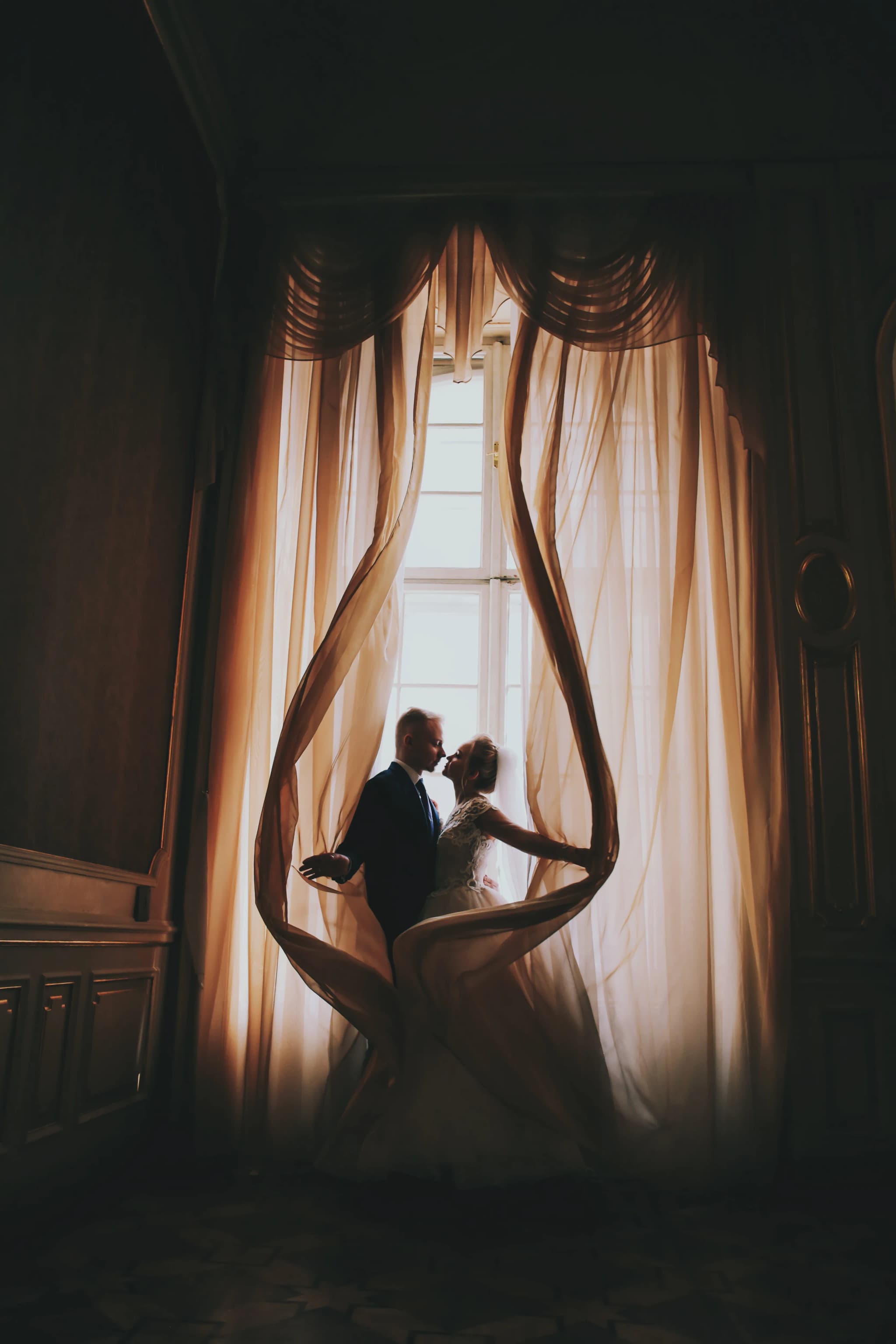
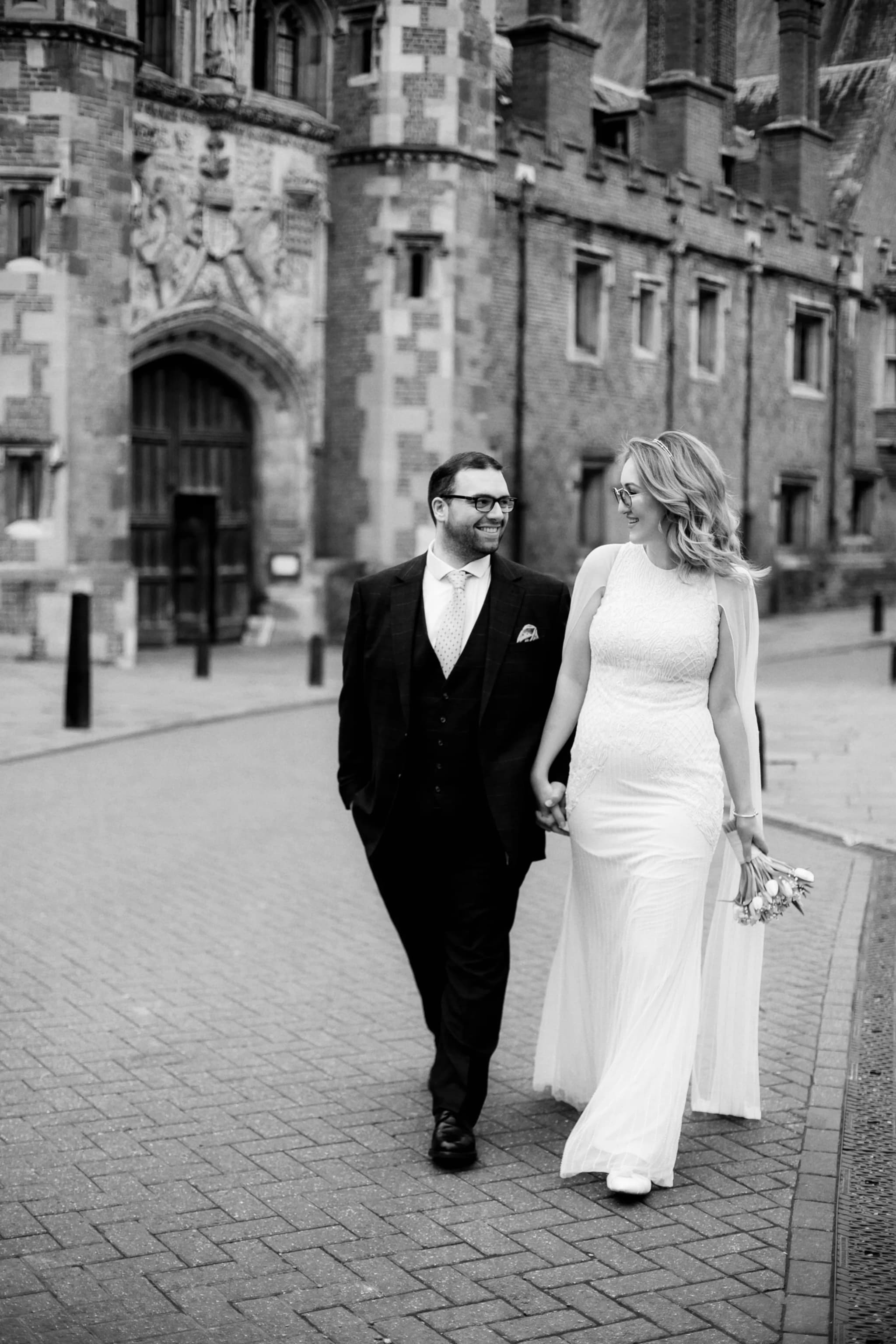
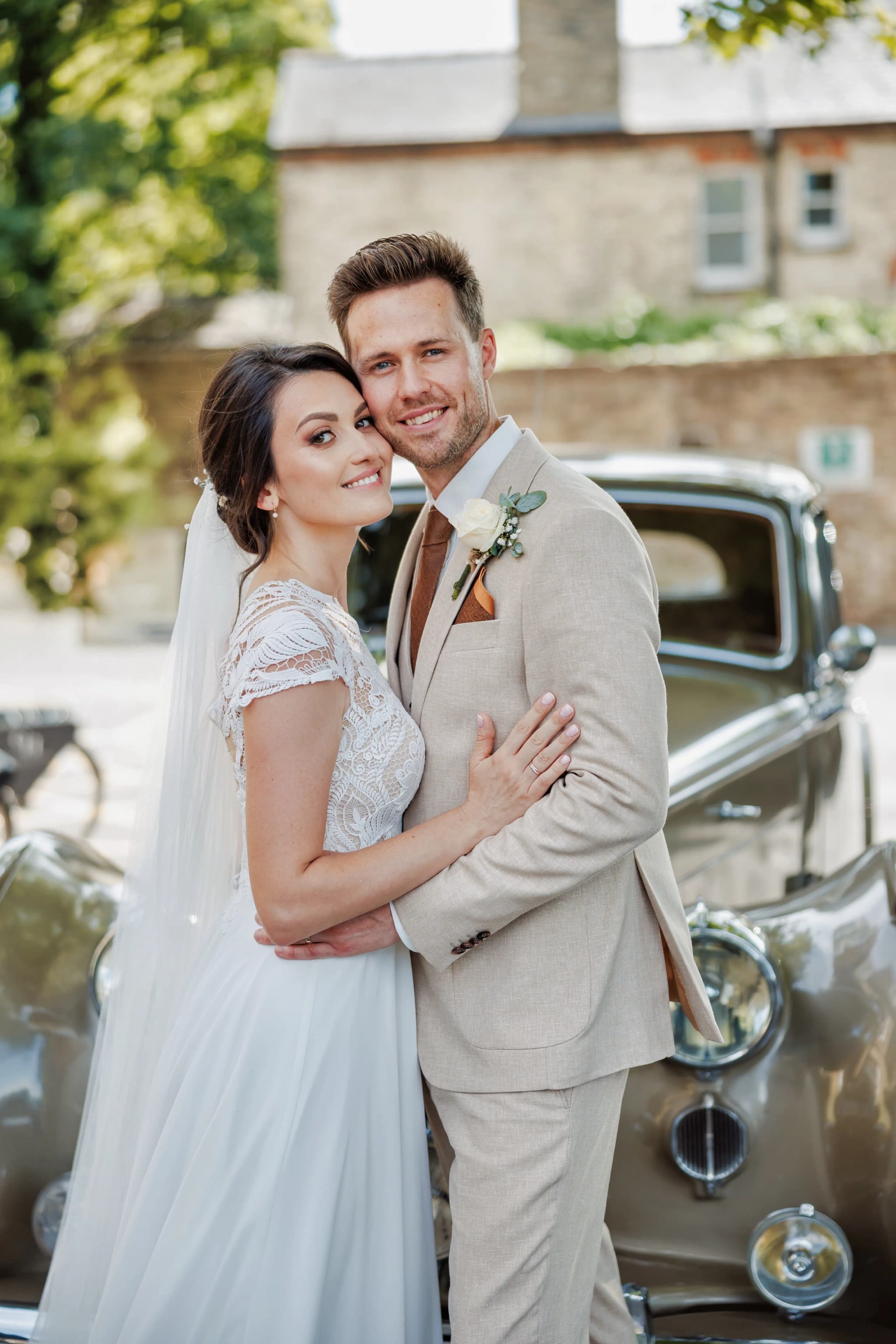
This is also the point in the day when I'll ask to steal you both away for twenty to thirty minutes for couple portraits. It sounds like a long time to be away from your own drinks reception, but in practice it rarely feels that way — your guests are happily occupied, and having a short, unhurried window away from the crowd is often the only real moment of calm the two of you get all day. These portraits consistently end up among the images couples treasure most, precisely because they are quiet, genuine, and just about the two of you rather than a room full of people. I always scout the venue in advance, sometimes weeks ahead of the day itself, so I already know where the best light and the best backdrops will be at that specific hour, rather than searching for them with a wedding party waiting.
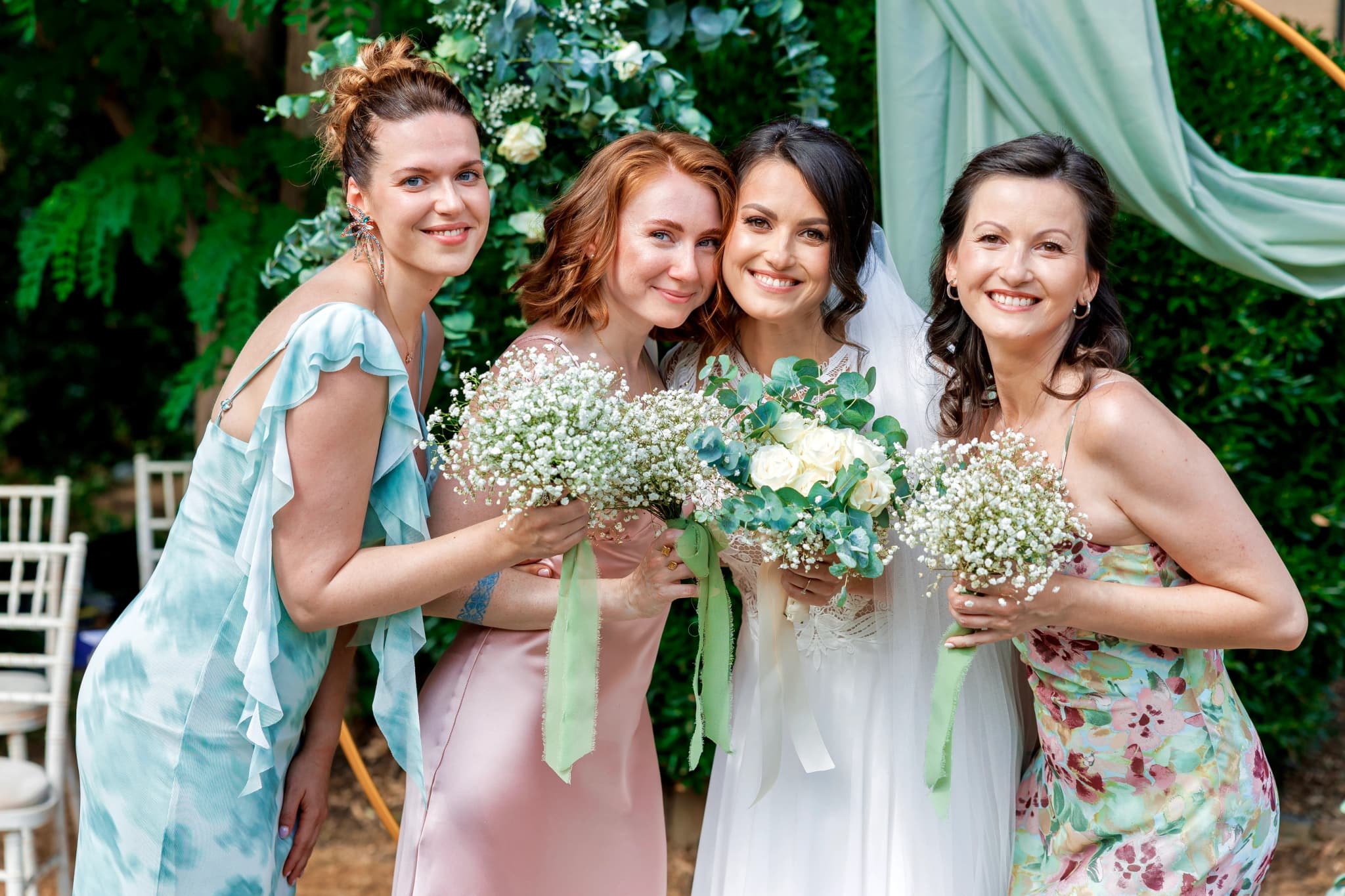
Family and group photographs also tend to happen around this stage, and this is one part of the day that genuinely benefits from a little advance planning. A short list of the specific group combinations you want — immediate family, extended family, university friends, work colleagues — agreed beforehand and shared with a designated person on the day (an usher or a parent who knows everybody) speeds this up enormously and means fifteen minutes of organised group shots rather than forty-five minutes of trying to locate people who have wandered off to the bar.
Wedding Breakfast and Speeches
Before guests are seated for the meal, I photograph the room itself — table settings, place names, flowers, favours, and any other details you and your suppliers have put thought into, since these are often overlooked once the day is underway but represent a genuine amount of planning. Once the meal begins I work quietly around the edges of the room, documenting reactions and conversations rather than interrupting the meal itself.
Speeches are, in my experience, one of the emotionally richest parts of the entire day, and I focus as much attention on the faces listening as on whoever is speaking. The reaction shots — a parent wiping away tears, a best man's deadpan expression, a table of friends laughing at an in-joke — are often more compelling than the speaker themselves, and they are the images that bring people straight back to how the room felt on the day.
Golden Hour, If Timing Allows
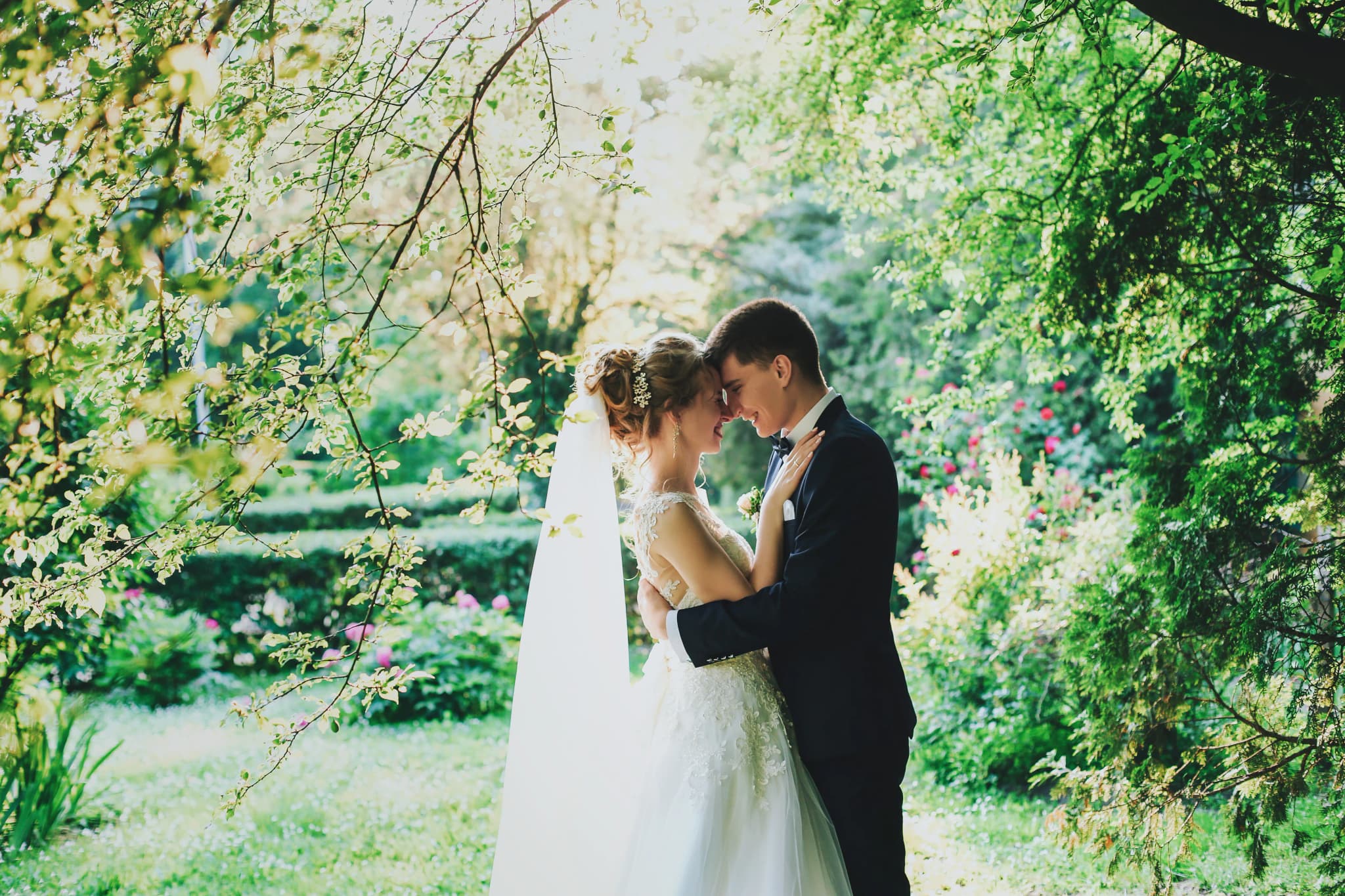
If the schedule and the season allow for it, I always try to recommend a short window outside around sunset, sometimes called golden hour by photographers for good reason. That low, warm light is genuinely different from anything available at any other point in the day — softer, more flattering, and considerably more forgiving than the harsh light of a summer afternoon or the flat light of an overcast one. Even ten or fifteen minutes outside during this window, away from the reception, can produce some of the most striking images from the entire wedding. Because sunset time shifts significantly across the year in England — late evening in June, mid-afternoon in December — I always check the timing for your specific date well in advance so we can build a short slot into the schedule at the right moment, rather than it becoming an afterthought once the meal has overrun.
Evening: First Dance and Onwards
The first dance, the cake cutting, and the party that follows bring their own photographic challenges: low light, moving subjects, and a room that is often lit for atmosphere rather than photography. I come prepared for this stage specifically, with equipment suited to low-light, fast-moving conditions, so that the evening is documented with the same care as the ceremony rather than becoming an afterthought once the formal parts of the day are done. Depending on the coverage agreed, I will usually stay through the first dance and into the early part of the party before finishing for the evening, having captured the full arc of the day from quiet morning preparations through to the moment the dancing gets properly underway.
Every wedding day has its own rhythm, and no two run exactly to the same schedule — a marquee wedding with a long drinks reception moves very differently to a compact registry office ceremony followed by an intimate meal. What stays consistent, whatever shape your day takes, is the approach: working quietly, staying prepared for whatever light or weather the day brings, and paying attention to both the big, obviously photogenic moments and the small, easily missed ones that end up mattering just as much once the day is a memory. If you are planning a wedding in Cambridge or further afield across England and would like to talk through how the timeline might work for your specific day, get in touch and we can start putting a plan together.

Yana Skakun
Photographer · England
Professional wedding, family and portrait photographer based in England. Passionate about capturing authentic emotions and timeless moments.
About Yana →wedding photography timelinewedding day photography guidewhat to expect wedding photographerwedding photography schedule UK
Wedding Tips — Wedding Photography in Cambridge & England
Yana Skakun is a professional wedding photographer based in Cambridge, covering weddings across England — from intimate elopements to full-day ceremonies at country houses, barns, and city venues. Every couple receives a relaxed, documentary approach that captures the day as it truly unfolds. This guide — What to expect on your wedding photography day: A timeline guide — is part of the photography journal: practical, experience-based advice drawn from real sessions across England. Whether you arrived searching for wedding photography timeline or wedding day photography guide, the same care and attention shapes every session Yana photographs.
Wedding Photography sessions are available year-round, with bookings open across Cambridge, Ely, Huntingdon, Peterborough, and further afield — East England, London, the Midlands, and beyond. If you have specific questions about what to expect wedding photographer, mention it in your enquiry. Get in touch through the contact form above to check availability and discuss your session. Enquiries are welcomed from anywhere in the UK.
Frequently Asked Questions
How much does a wedding photographer cost in England?+
Wedding photography in England typically ranges from £1,500 to £4,000+ for a full day. Price depends on experience, coverage hours, and whether albums or engagement shoots are included. Most photographers charge between £2,000–£3,000 for 8–10 hours of coverage.
How early should you book a wedding photographer?+
For peak season (May–September), book 12–18 months in advance. For autumn and winter weddings, 9–12 months is usually sufficient. Popular photographers at popular venues fill up fast — as soon as you have a date and venue confirmed, start reaching out.
How many photos do you get from a wedding photographer?+
Most professional wedding photographers deliver 400–800 edited images for a full-day wedding. The exact number depends on coverage hours, how many guests there are, and the photographer's editing style. Quality matters more than quantity — a curated gallery of 500 images tells the story better than 1,500 unedited files.
Do you need a second photographer at your wedding?+
A second photographer is helpful if you want simultaneous coverage of getting-ready moments in different locations, multiple angles during the ceremony, or more candid coverage during the reception. It adds cost but significantly increases the variety and completeness of your gallery.
What is the difference between documentary and editorial wedding photography?+
Documentary (reportage) wedding photography captures moments as they happen — the photographer observes and doesn't intervene. Editorial photography involves deliberate direction: placing you in good light, shaping compositions, creating intentional portraits. Most photographers blend both styles throughout the day.
Continue Reading
Related Articles

Wedding Tips
Sustainable Eco-Friendly Wedding Guide — Planning a Green Celebration
15 min read · Read Article
Wedding Tips
Trash the Dress Session — Complete Planning and Photography Guide
14 min read · Read Article
Wedding Tips
Client Communication for Photographers — From Enquiry to Gallery Delivery
15 min read · Read Article
Get in Touch
Ready to Book Your Session?
Get in touch to discuss your vision — I'll reply within 24 hours.