Yana Skakun

Why Prime Lenses Are the Secret to Beautiful Blurry Backgrounds (Bokeh)
By Yana Skakun·6 June 2026·7 min read
There is a moment at almost every wedding I photograph when the light in the room does something unexpected — a shaft of late afternoon sun breaks through a marquee opening, or the fairy lights strung above the top table start to glow as the evening settles in — and the couple in front of me seems to lift out of the background entirely, wrapped in soft, buttery colour while everything behind them dissolves into a wash of light and shadow. Almost every time someone notices that photograph afterwards, the question I get is some version of "how did you do that?" The honest answer has very little to do with editing and almost everything to do with the glass I had on the camera at the time. That soft, dreamy blur behind the subject has a name — bokeh — and the single biggest factor in producing it beautifully, consistently, and in a way that actually flatters people, is the choice to shoot primarily on prime lenses rather than zooms.
What a Prime Lens Actually Is, and Why It Matters
A prime lens is simply a lens with one fixed focal length — it does not zoom in or out. If I want a wider or tighter view, I physically move my feet rather than twist a barrel. This sounds like a limitation, and in a narrow sense it is one, but it is a limitation that buys something extremely valuable in return: a wider maximum aperture. Most professional zoom lenses top out at an aperture of f/2.8, and that is already considered fast in the zoom world. Prime lenses routinely open up to f/1.8, f/1.4, or even f/1.2. Every stop wider than f/2.8 roughly doubles the amount of light reaching the sensor, and — more importantly for this conversation — it also roughly doubles how dramatically the background falls out of focus relative to a sharp subject.
The engineering reason for this comes down to the number of glass elements and the complexity of the optical design needed to correct for aberrations across a zoom range. A zoom lens has to perform reasonably well at every focal length between its widest and longest settings, and that is a significant compromise to design around. A prime lens only has to be excellent at one single focal length, so the designers can push the maximum aperture much wider and still keep the image sharp, without asking the lens to be a jack of all trades. That single-purpose design is precisely why prime lenses tend to be smaller, lighter, and often cheaper than a comparable zoom, despite frequently outperforming it in image quality.
What Bokeh Actually Is (and What Makes It Beautiful Rather Than Just Blurry)
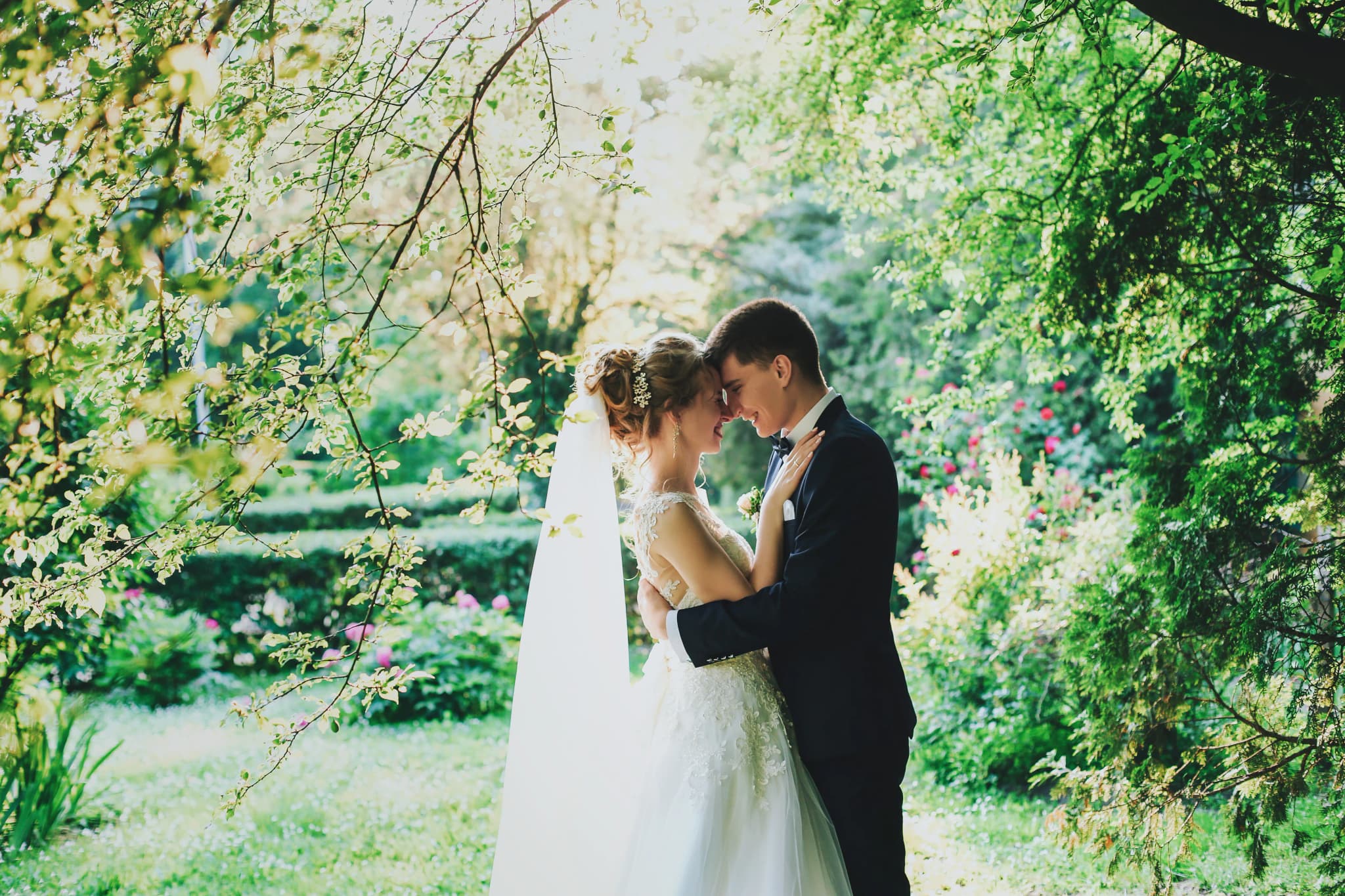
Bokeh is the specific character and quality of the out-of-focus areas in a photograph, not simply the fact that something is blurred. Any lens set to a wide aperture will blur a background to some degree, but not all blur looks the same. Good bokeh has a smoothness to it — out-of-focus highlights render as soft, evenly lit circles or discs rather than hard-edged shapes, and the transition from sharp subject to soft background happens gradually rather than in a way that looks artificial or cut-out. Poor bokeh, by contrast, can look busy, harsh, or oddly geometric, with distracting hard-edged highlights or a background that competes with the subject instead of supporting them.
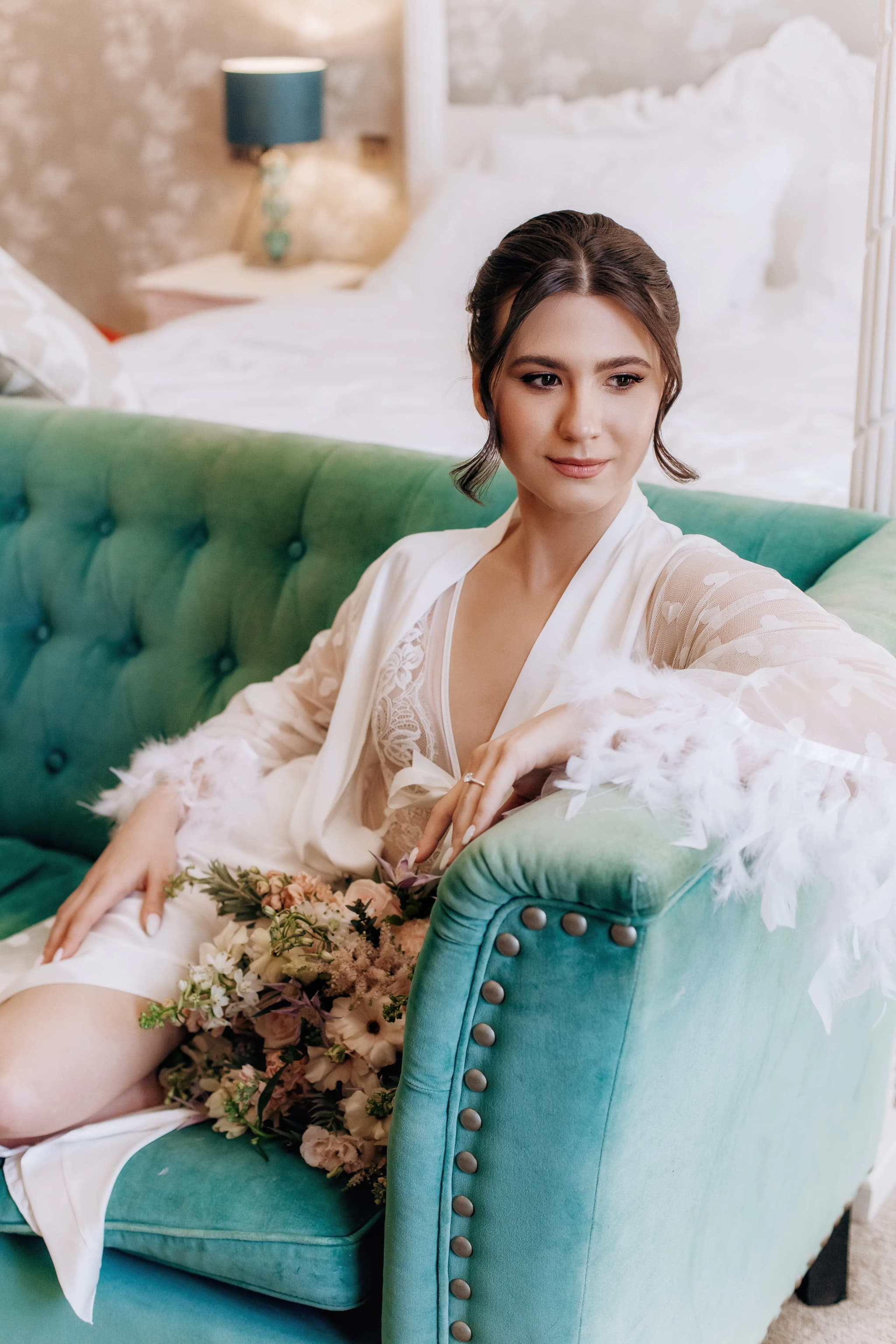
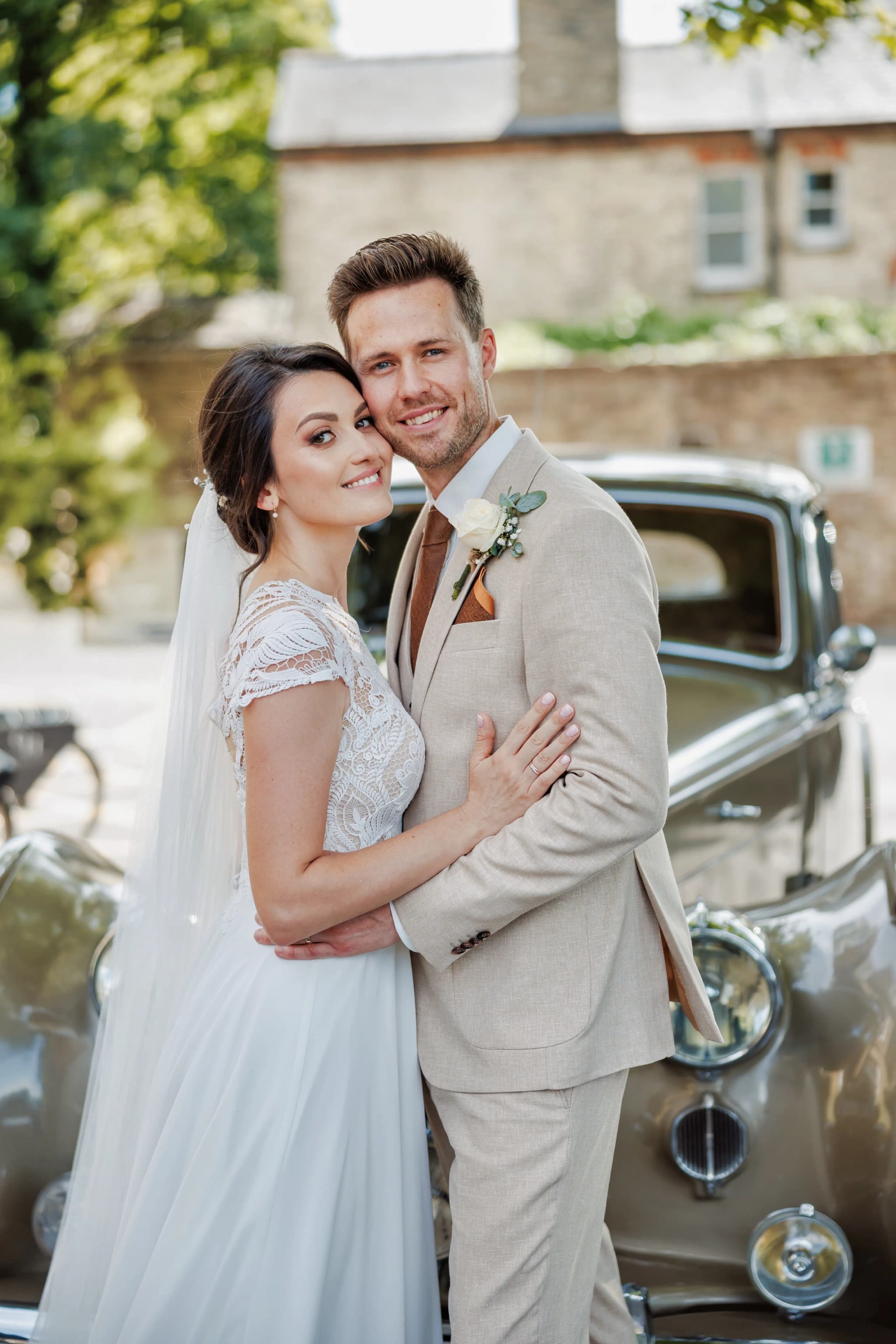
Several things influence how pleasing bokeh looks: the shape and number of aperture blades inside the lens (rounder blades, and more of them, tend to produce rounder, softer out-of-focus highlights), the specific optical formula of the lens, and simply how wide the aperture can physically open. This is where prime lenses have such a consistent advantage. A lens that can open to f/1.4 is working with a genuinely different physics of light than one capped at f/4, and the quality of blur it produces at its widest settings tends to be smoother and more three-dimensional. When I photograph a couple with string lights or evening candles behind them on a lens capable of f/1.4 or f/1.8, those points of light melt into soft, glowing orbs that add atmosphere rather than clutter. The same scene shot on a kit zoom at f/5.6 would render those lights as small, sharp, distracting points that fight for attention with the couple's faces.
Why This Matters So Much for Wedding Photography Specifically
Weddings happen in venues that were designed to be lived in and celebrated in, not photographed in. Function rooms have fire exit signs and stacked chairs against the walls. Marquees have guy ropes and catering tables. Even the loveliest country house drawing rooms have radiators, extension leads, and other guests milling in the background during the parts of the day I am not directly staging. A wide aperture on a prime lens is one of the most effective tools I have for managing all of that visual noise without ever needing to ask a venue to change anything or ask guests to move.
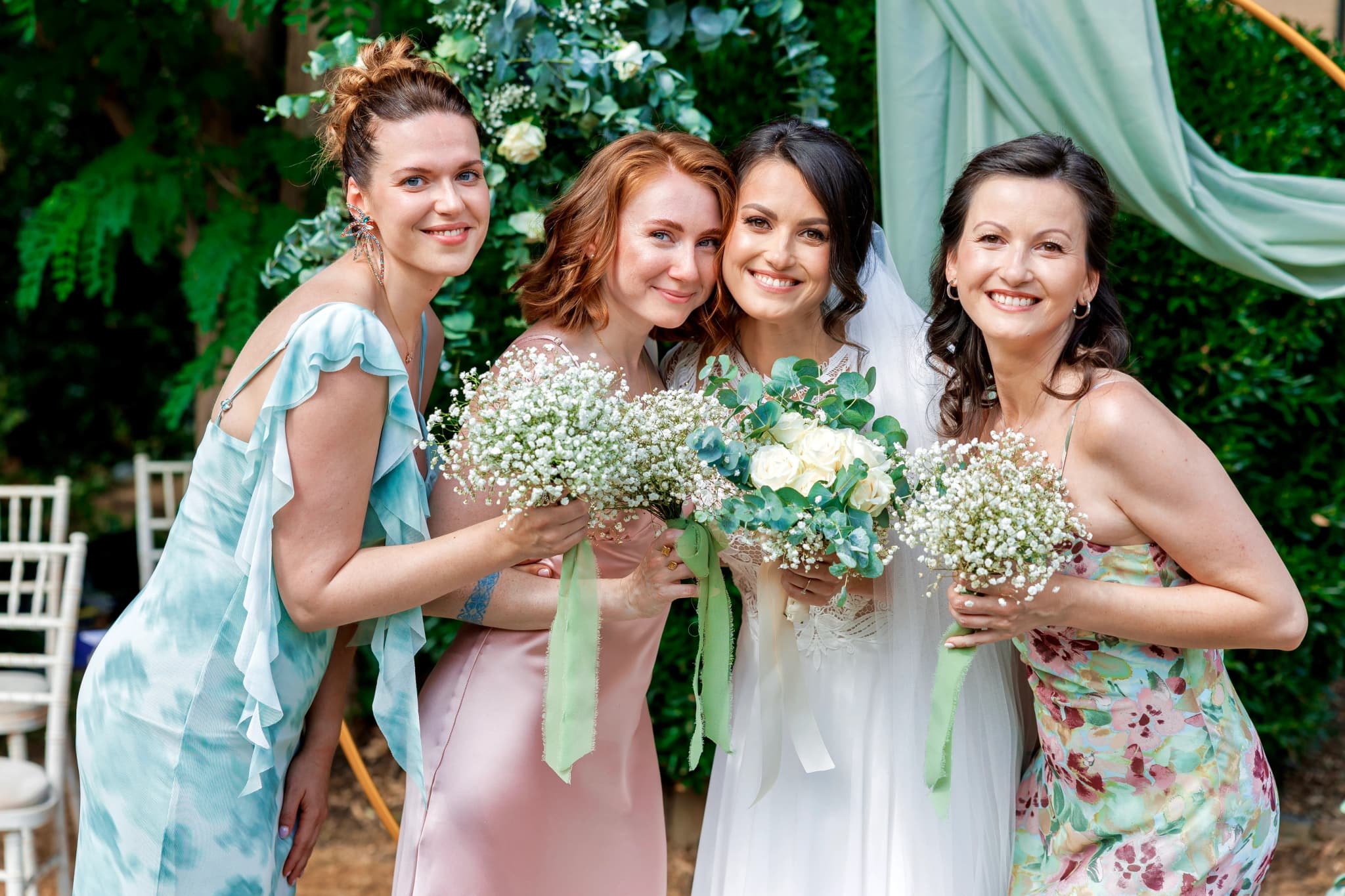
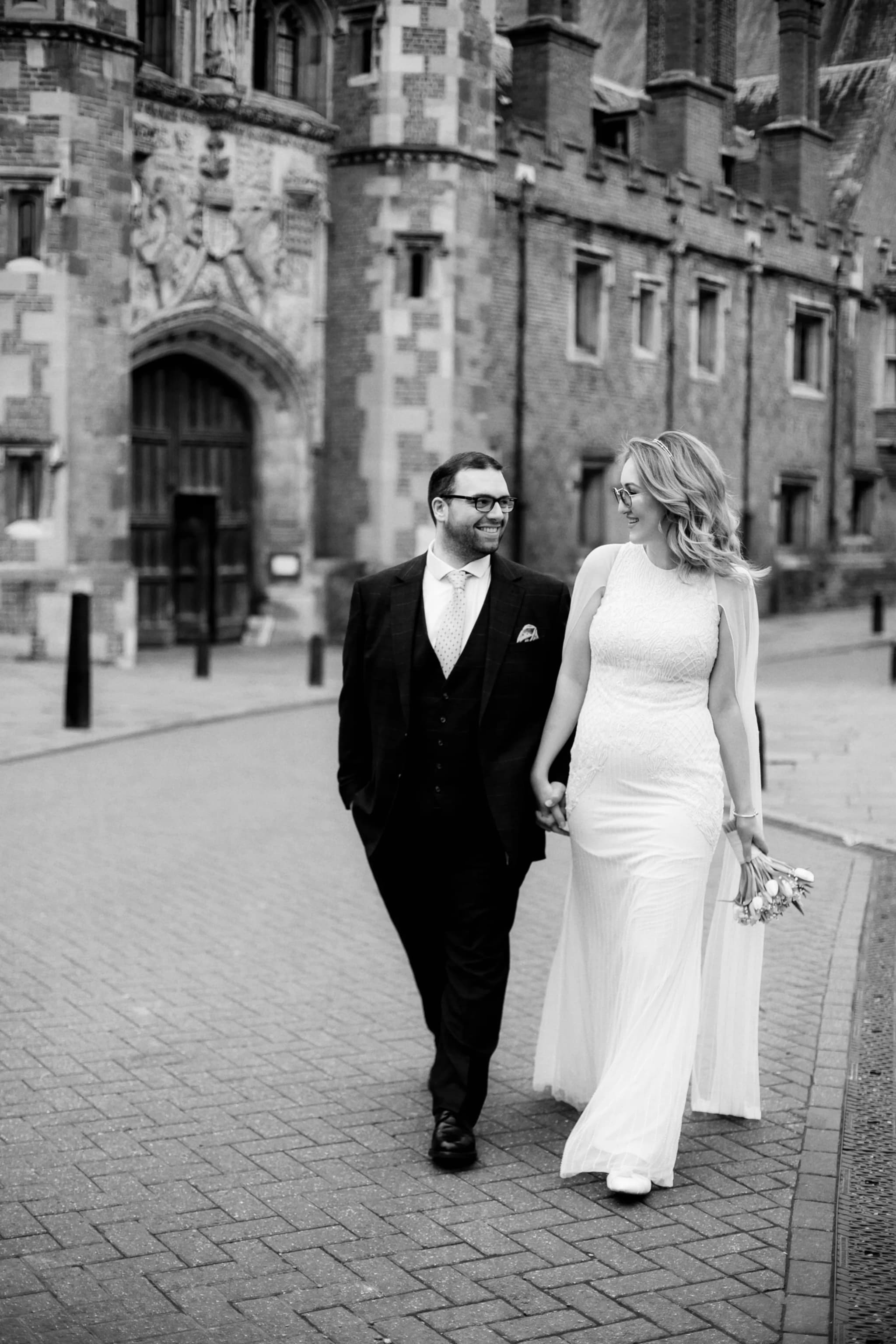
When I shoot a couple's portraits at f/1.4 or f/1.8, the background behind them — whether it is a walled garden, a row of parked cars, or a slightly cluttered corner of a marquee — softens into gentle colour and shape rather than sharp, identifiable detail. The eye goes straight to the couple because there is genuinely nothing else in the frame competing for attention. This is not a trick or an editing choice made afterwards; it is a decision made the moment I choose the lens and set the aperture, and it means the couple looks like the clear, unmistakable subject of the photograph rather than two people standing in front of a slightly busy background.
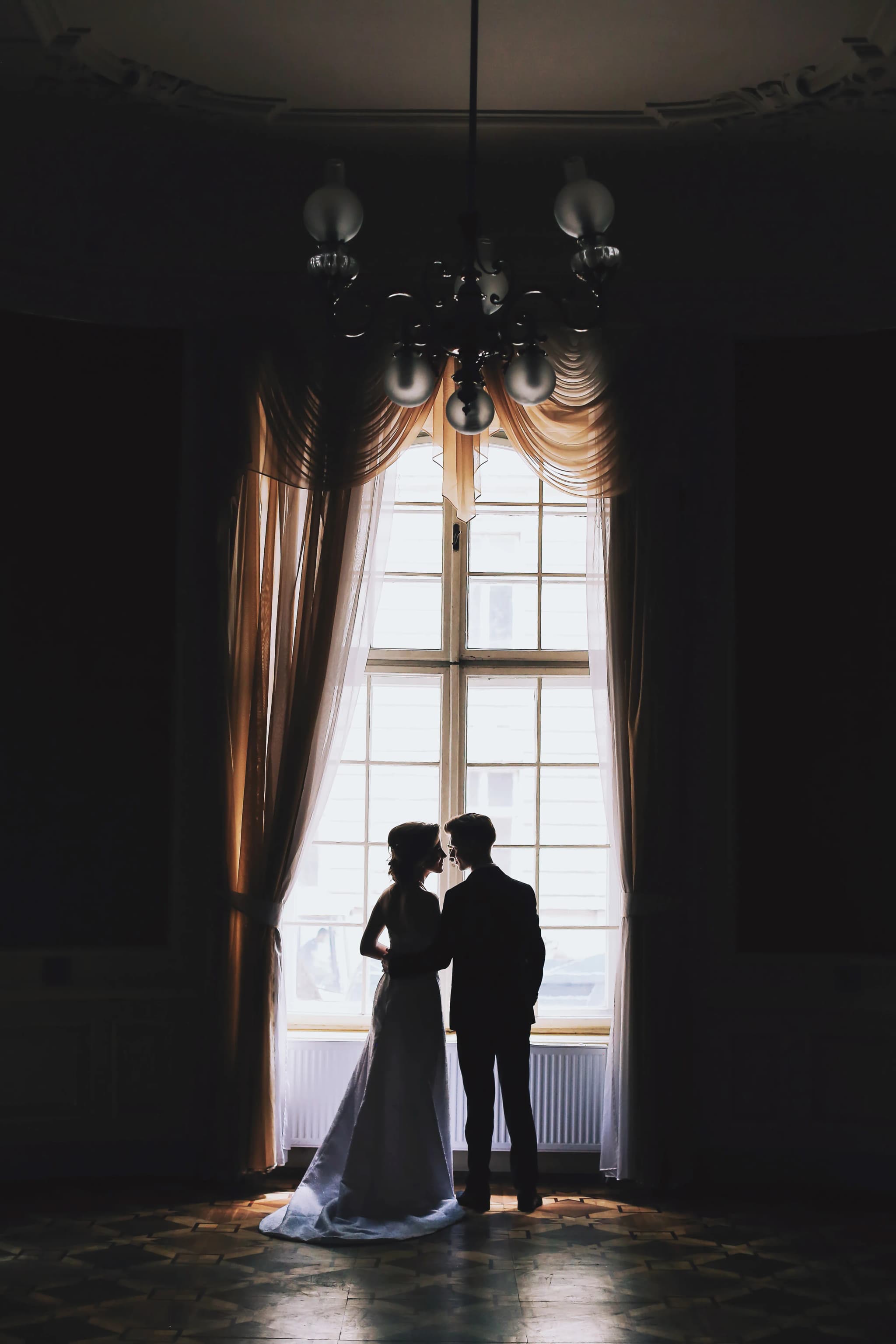
There is also a more emotional dimension to this. Weddings are full of genuinely tender, fleeting moments — a father seeing his daughter for the first time that day, a best man's hand on a groom's shoulder just before the ceremony starts, a private exchange of vows whispered so quietly that only the couple can hear it. Shallow depth of field lets me isolate that moment visually the same way it feels emotionally isolated in the room — everything else falls away, and the connection between the people involved becomes the entire photograph. A background rendered sharp and busy pulls the viewer's eye away from that connection; a background rendered soft and quiet lets the viewer stay with the feeling.
The Focal Lengths I Actually Reach For, and Why
I carry a small collection of prime lenses rather than one or two zooms, and each one earns its place in my bag for a specific reason. A 35mm prime is my workhorse for documentary moments — getting ready, the ceremony itself, the room during speeches — because it is wide enough to include context and environment without distorting faces the way an ultra-wide lens can. An 85mm prime is my portrait lens of choice; that focal length compresses features flatteringly, keeps a comfortable working distance from the couple so they are not being crowded by a camera, and at its widest apertures produces some of the creamiest background separation I own. A 50mm prime sits between the two and often becomes the lens I use for the bulk of a reception, versatile enough for both closer portraits and slightly wider storytelling shots.
The reason I do not simply carry one 24-70mm zoom and call it a day, as many photographers reasonably do, comes down to exactly this conversation about light and background rendering. A 24-70mm zoom at f/2.8 is a genuinely excellent, professional piece of equipment, and there are moments during a wedding day where its flexibility is worth more than anything else — documentary coverage of a fast-moving ceremony, for instance, where changing lenses would mean missing shots entirely. But when it comes to the portrait segment of the day, the couple's portraits, the confetti exit, the quiet details around the tables in low evening light, switching to a prime lens changes the character of those images noticeably. I move between the two deliberately through the day, using zooms for coverage and speed, and reaching for primes whenever the priority shifts to image quality and background separation.
Curious how this looks in your own venue
Every venue has different light and different backdrops, and I am always happy to talk through how I would approach yours before the day itself. Get in touch to chat about your wedding
Where Prime Lenses Genuinely Struggle, and How I Work Around It
I want to be honest here rather than present prime lenses as some kind of unqualified magic solution, because they do come with real trade-offs. The most obvious one is speed of working. If a moment happens tighter or wider than the fixed focal length I currently have mounted, I cannot zoom to reframe — I have to physically move, or accept the frame I have, or occasionally miss the shot altogether while changing lenses. On a wedding day, where some moments genuinely happen once and never again, that is a real cost, and it is exactly why I always carry a fast zoom alongside my primes for the parts of the day that move unpredictably and quickly, particularly the ceremony processional and any speeches where I cannot ask anyone to pause or repeat themselves.
There is also a technical consideration with very wide apertures: depth of field becomes so shallow at f/1.4 that focus has to be genuinely precise, often down to a matter of centimetres on a couple's faces. Shooting a couple side by side at f/1.4 can occasionally mean one partner is tack sharp while the other, standing only slightly further from the lens, is starting to soften. I manage this by understanding exactly how each lens behaves at each aperture, by not being afraid to shoot at f/2 or f/2.2 rather than the absolute widest setting when I need a slightly larger margin for error, and by paying very close attention to where I place focus on the eyes closest to camera. Beautiful bokeh is only beautiful if the subject themselves is crisp and clear in front of it — a soft background behind a soft subject is simply a mistake, not an artistic choice.
Practical Things Worth Knowing If You Are Curious About This Yourself
If you are reading this as a couple rather than a fellow photographer, you do not need to understand any of the optics to benefit from it — that is my job, not yours. But a few things are worth knowing when you are choosing a wedding photographer and looking through their portfolio. Ask to see full, unedited galleries rather than just a highlight reel, because consistent, flattering background blur across a whole day of varied light and locations says far more about a photographer's equipment and skill than a handful of perfect hero shots. Notice whether the blur in the backgrounds looks smooth and gentle or slightly harsh and doubled — that difference is often the clearest visual signature of prime glass versus a slower zoom or an older, less refined lens design.
It is also worth knowing that this look works best, and looks most natural, when it is not overused. Not every photograph from a wedding day should have a completely dissolved background — some images genuinely benefit from context, from seeing the whole room, the whole garden, the whole scale of a marquee full of guests. Part of my job is knowing when to shoot wide open for that soft, romantic isolation and when to stop down and let the environment tell part of the story too. A gallery that is bokeh from cover to cover starts to feel one-note; the skill is in the balance, using shallow depth of field with intention at the moments that call for it — a couple's first look, a quiet exchange during the vows, a detail shot of rings on a table — rather than as a default setting applied indiscriminately to everything.
The blur behind a couple in a favourite wedding photograph is never really about the blur itself. It is about what that softness does — it quiets the room down, removes the visual noise of fire exits and stacked chairs and other people's coats, and leaves nothing in the frame except the two people who matter most in that moment. Prime lenses are simply the tool that makes that quieting-down possible in a way that is optically clean, consistently beautiful, and true to how the moment actually felt rather than manufactured afterwards at a desk. If you are planning a wedding and would like to talk through how I would photograph your particular venue and day, get in touch and I would be glad to walk you through it.

Yana Skakun
Photographer · England
Professional wedding, family and portrait photographer based in England. Passionate about capturing authentic emotions and timeless moments.
About Yana →bokeh wedding photography lensesprime lens wedding photographywedding photography backgroundsshallow depth of field weddingsUK wedding photographer equipment
Wedding Tips — Wedding Photography in Cambridge & England
Yana Skakun is a professional wedding photographer based in Cambridge, covering weddings across England — from intimate elopements to full-day ceremonies at country houses, barns, and city venues. Every couple receives a relaxed, documentary approach that captures the day as it truly unfolds. This guide — Why Prime Lenses Are the Secret to Beautiful Blurry Backgrounds (Bokeh) — is part of the photography journal: practical, experience-based advice drawn from real sessions across England. Whether you arrived searching for bokeh wedding photography lenses or prime lens wedding photography, the same care and attention shapes every session Yana photographs.
Wedding Photography sessions are available year-round, with bookings open across Cambridge, Ely, Huntingdon, Peterborough, and further afield — East England, London, the Midlands, and beyond. If you have specific questions about wedding photography backgrounds, mention it in your enquiry. Get in touch through the contact form above to check availability and discuss your session. Enquiries are welcomed from anywhere in the UK.
Frequently Asked Questions
How much does a wedding photographer cost in England?+
Wedding photography in England typically ranges from £1,500 to £4,000+ for a full day. Price depends on experience, coverage hours, and whether albums or engagement shoots are included. Most photographers charge between £2,000–£3,000 for 8–10 hours of coverage.
How early should you book a wedding photographer?+
For peak season (May–September), book 12–18 months in advance. For autumn and winter weddings, 9–12 months is usually sufficient. Popular photographers at popular venues fill up fast — as soon as you have a date and venue confirmed, start reaching out.
How many photos do you get from a wedding photographer?+
Most professional wedding photographers deliver 400–800 edited images for a full-day wedding. The exact number depends on coverage hours, how many guests there are, and the photographer's editing style. Quality matters more than quantity — a curated gallery of 500 images tells the story better than 1,500 unedited files.
Do you need a second photographer at your wedding?+
A second photographer is helpful if you want simultaneous coverage of getting-ready moments in different locations, multiple angles during the ceremony, or more candid coverage during the reception. It adds cost but significantly increases the variety and completeness of your gallery.
What is the difference between documentary and editorial wedding photography?+
Documentary (reportage) wedding photography captures moments as they happen — the photographer observes and doesn't intervene. Editorial photography involves deliberate direction: placing you in good light, shaping compositions, creating intentional portraits. Most photographers blend both styles throughout the day.
Continue Reading
Related Articles

Wedding Tips
Sustainable Eco-Friendly Wedding Guide — Planning a Green Celebration
15 min read · Read Article
Wedding Tips
Trash the Dress Session — Complete Planning and Photography Guide
14 min read · Read Article
Wedding Tips
Client Communication for Photographers — From Enquiry to Gallery Delivery
15 min read · Read Article
Get in Touch
Ready to Book Your Session?
Get in touch to discuss your vision — I'll reply within 24 hours.