Yana Skakun
Winter Wedding Photography in England: Candlelight, Frost & Festive Romance
By Yana Skakun·18 March 2026·6 min read
Winter weddings in England have their own particular magic — one that is genuinely different from any other season. Candlelight and firelight as the primary visual notes. The intimacy that comes from gathering indoors against the cold. The drama of bare trees against a low winter sky. The possibility, just the possibility, of frost or even snow on the morning of the day. And a quality of romance that owes something to the darkness and to the season's pared-back beauty, where there is less to look at and so more attention falls on the two people at the centre of it. I photograph weddings across all four seasons, but winter dates hold a particular place for me. They ask for more planning, they reward that planning generously, and the resulting images look like nothing else in a couple's album.
What Makes Winter Wedding Photography Special
Winter changes the technical and aesthetic conditions of wedding photography in ways that produce some of the most distinctive images I take all year. Candlelit venues are the obvious starting point — a room lit primarily by candles, with perhaps one or two warm lamps in the background, produces photographs with a depth and atmosphere that no amount of styled artificial lighting quite replicates. The light falls off quickly, faces are lit from below and the side rather than flatly from above, and every frame has a warmth that reads as genuinely romantic rather than staged.
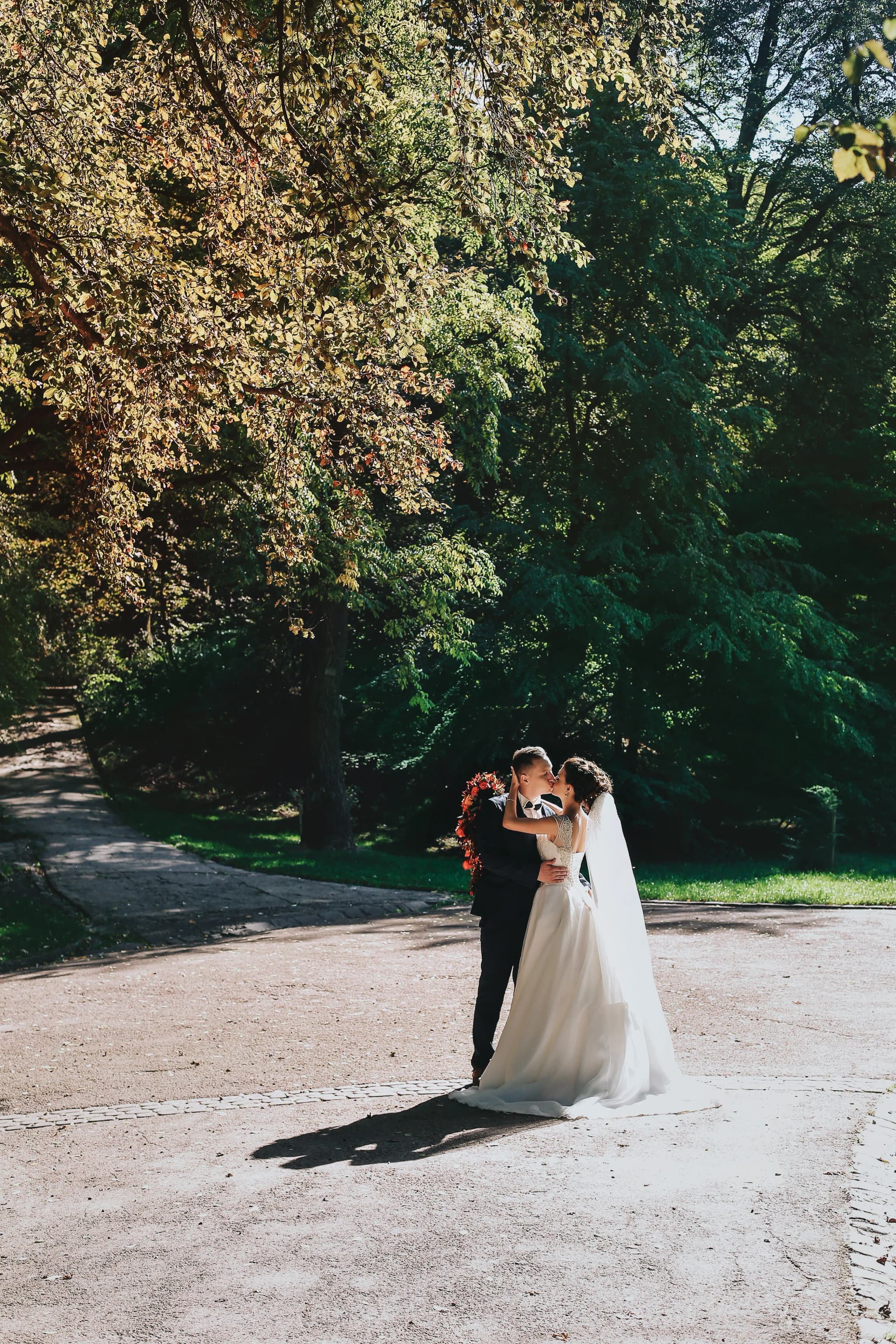
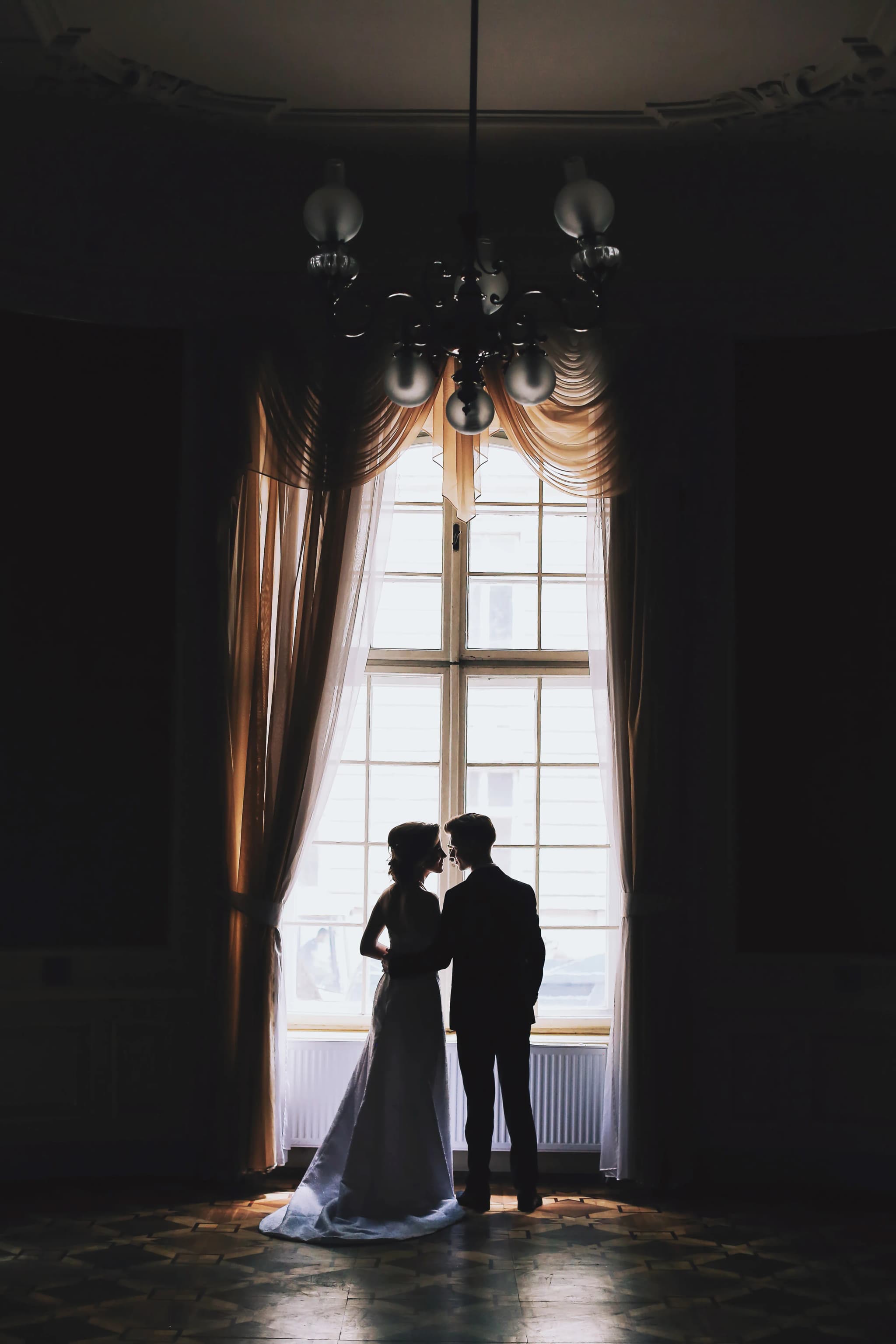
Winter sun, on the days it appears, behaves very differently from summer sun. It never climbs high in the sky, even at midday, which means the low, raking, directional quality that photographers spend all June chasing in the final hour before sunset is simply the ambient light for most of a December afternoon. A portrait taken in front of a tall, south-facing window on a clear winter day has a softness and a directionality that is very hard to achieve at any other time of year. Bare trees add something too — the skeletal structure of oaks and beeches against a pale winter sky creates architectural, graphic outdoor compositions that a full canopy of summer leaves makes impossible. And on the right morning, frost on grass and hedgerows, ice skinning over a puddle, or breath visible in cold air gives couples physical, tactile textures in their photographs that no other season can offer, no matter how carefully it is planned for.
Darkness itself becomes a creative tool. By early-to-mid afternoon in December, the light is already starting to fade, and blue hour — that deep, saturated period after sunset when the sky holds colour and venue lighting starts to glow against it — arrives during the reception rather than at eleven o'clock at night when everyone has gone home. This is one of my favourite things about winter weddings: the most cinematic exterior shot of the whole day, with the venue lit up and the sky a deep indigo behind it, happens while the party is still in full swing, and I can step outside for ten minutes with the couple to capture it without anyone missing anything.
Planning Around a Short Winter Day
The single biggest difference in planning a winter wedding, compared with a June or July date, is the length of usable daylight. In high summer I have a working day that runs from sunrise before five in the morning to sunset gone nine at night — effectively as much daylight as anyone could need. In December, sunrise is closer to eight and sunset falls around half past three or four. That is a window of perhaps seven or eight hours of daylight in total, and it needs to be planned for deliberately rather than assumed.
In practice, this means winter wedding timelines are built around protecting two things: a window for portraits in good outdoor light, usually somewhere in the middle of the day when the sun is at its highest and shadows are longest and most flattering, and a window around sunset for the blue hour shots, which typically falls mid-afternoon rather than in the evening. If a couple wants outdoor couple portraits at all, I will usually recommend building in fifteen or twenty minutes around early afternoon, when the low sun is at its most workable, rather than leaving portraits until after the meal as sometimes happens with summer weddings, by which point in winter it will already be fully dark.
None of this needs to feel restrictive. Because darkness falls early, the reception genuinely gets its full run of candlelit, fairy-lit, warmly lit photography for several hours, which is often the material couples love most from their winter day. The key is simply knowing in advance that the outdoor portrait window is short and precious, and building the day's schedule with that in mind rather than discovering it on the afternoon itself.
Venues That Suit Winter Particularly Well
Not every venue comes into its own in winter, but a good number of them come into their own more in winter than in any other season. Country house hotels with open fires, wood panelling, and high ceilings hung with chandeliers are the classic winter wedding interior — the kind of room that looks slightly ordinary in July sunlight and genuinely magical once the fires are lit and the light has gone outside. Historic stone churches carry a particular gravity in winter too, especially around the Christmas season when many are already dressed with candles and greenery for the liturgical calendar; the interplay of cold stone and warm candlelight is one of the most atmospheric combinations available to a wedding photographer anywhere in England.
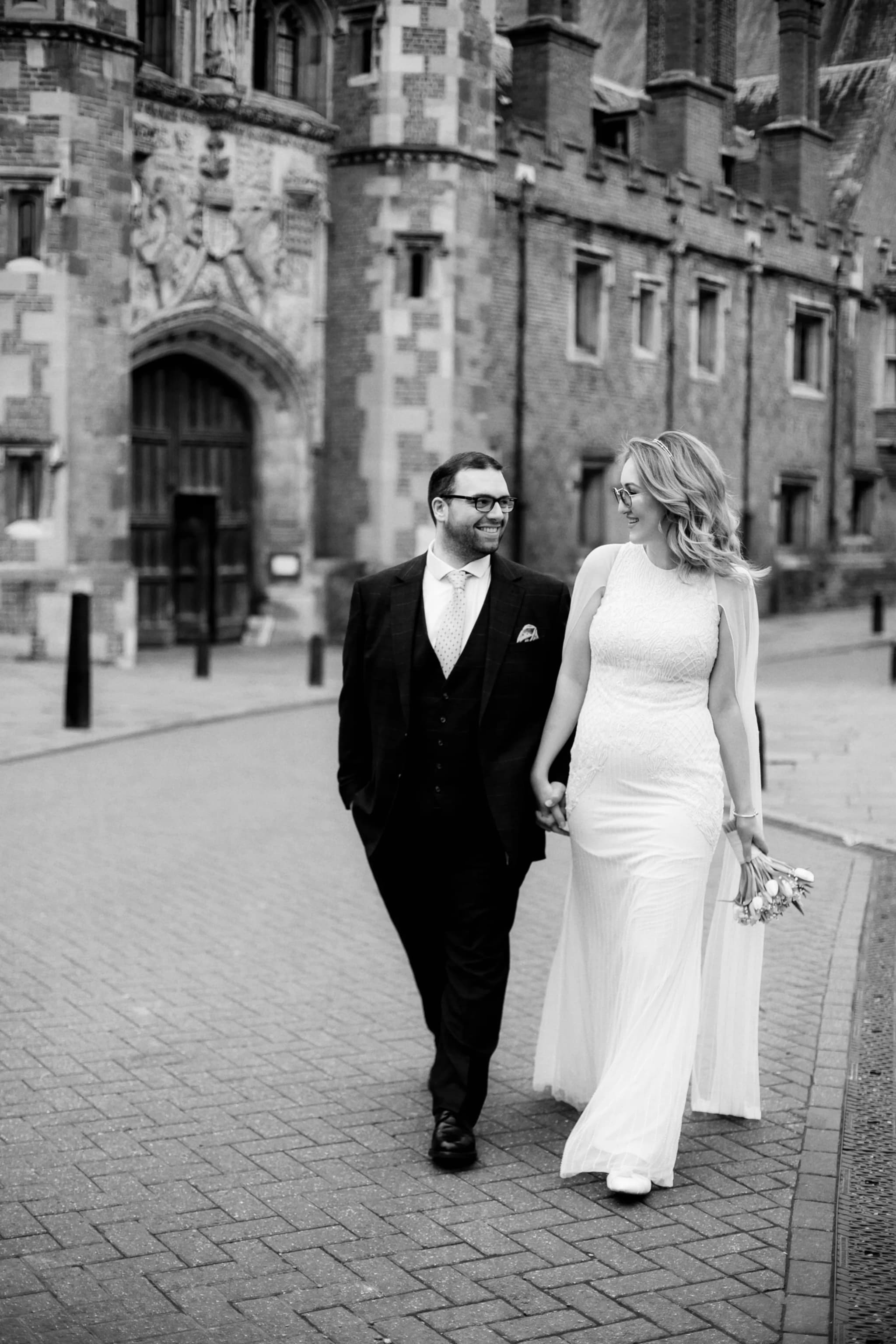
Converted barns, which can sometimes feel a little bare in summer without much greenery to soften them, tend to suit winter extremely well — exposed beams strung with fairy lights, the warmth of timber and stone against the cold outside, and the sense of having created shelter and warmth deliberately against the season. City and town venues offer a different but equally strong set of images: wet pavements reflecting streetlights, illuminated skylines, the particular energy of a December evening in a market town or city centre with shopfronts lit and people wrapped up against the cold. Cambridge itself, with its stone colleges, courts, and riverside walks, photographs beautifully in winter light — there is a stillness to the Backs on a cold, clear afternoon that summer's crowds and full foliage simply do not allow for.
Whatever the venue, I always visit or at minimum discuss it in detail beforehand specifically with winter light in mind — where the windows face, which rooms will catch what is left of the afternoon sun, where the candles or fairy lights will be concentrated in the evening, and where outside the venue offers a usable backdrop for a short blue hour session without needing to travel anywhere in the cold and dark.
Winter wedding planned?
I love the intimacy and drama of winter weddings and I plan every one of them around the specifics of the venue's light, not just a generic template. If you have a date booked between November and February, I would love to talk through what your day could look like.
Check availability for your dateWhat to Wear and Bring for Warmth Without Losing the Look
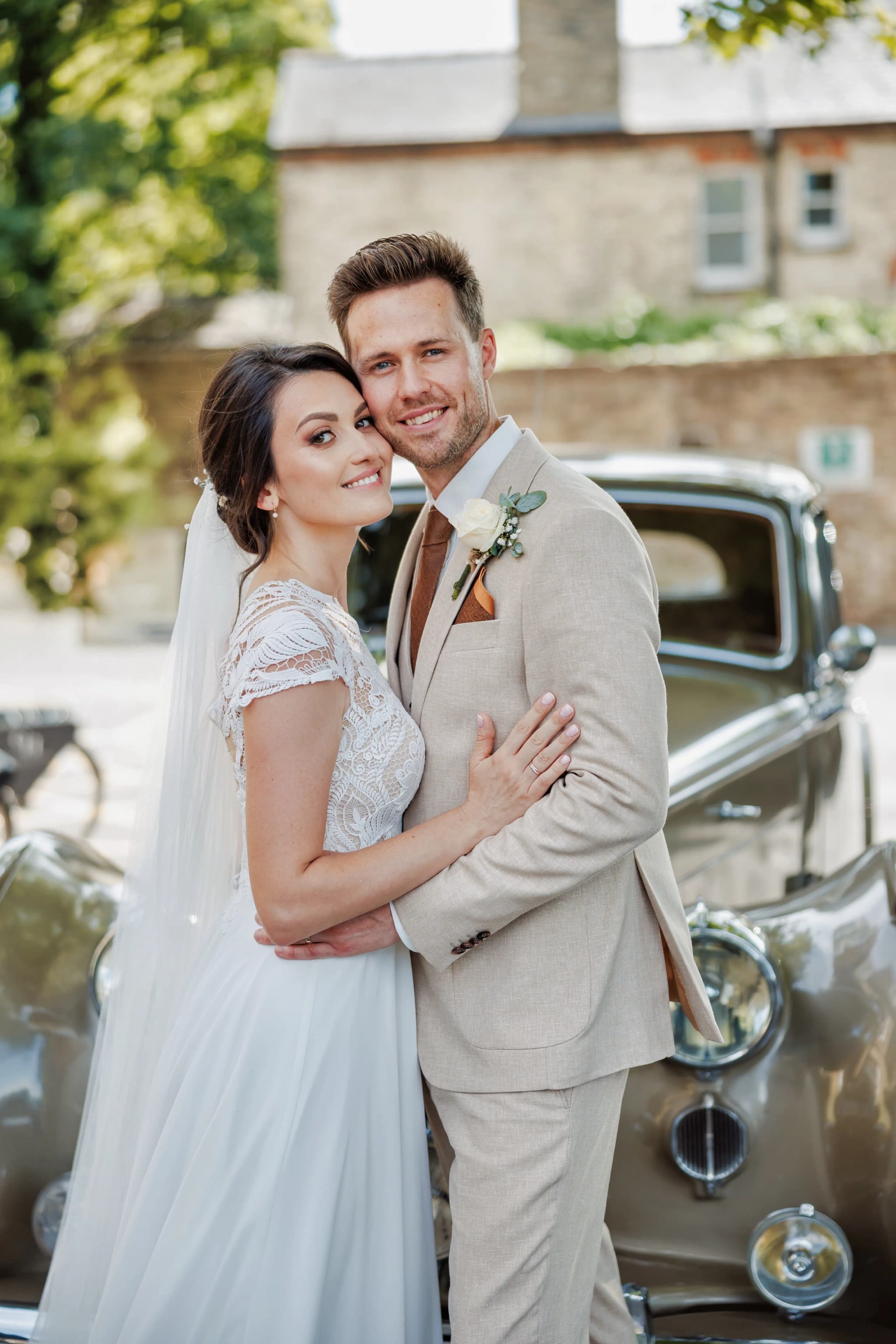
Practical warmth is a real consideration for winter weddings, and it is entirely possible to stay comfortable without compromising the photographs. For the couple, a well-cut coat over the dress or suit for any time spent outdoors photographs beautifully in its own right — think of it less as something to hide and more as an additional layer of styling, particularly in classic wool or tweed tones that suit a winter palette. Brides often ask about a faux-fur stole or wrap, which works well for short outdoor bursts and can simply be handed off between shots. Sturdy, weather-appropriate footwear for the walk to and from any outdoor portrait location matters more than it does in summer — heels sink into frozen or muddy ground, and a pair of wellies or flat boots carried along for the walk itself, swapped for the proper shoes just before the photograph, solves this without anyone noticing in the final image.
For guests and wedding parties, hand warmers tucked into pockets and a hot drink available during any outdoor group photographs make a noticeable difference to genuine smiles versus gritted-teeth ones. I keep outdoor group and portrait sessions in winter deliberately brief and efficient for exactly this reason — long, drawn-out sessions in the cold produce visibly uncomfortable people, whereas a well-planned five or ten minutes outside, timed for the best light, produces images where everyone looks genuinely present rather than simply enduring the weather.
Working With Candlelight and Low Indoor Light
A significant part of winter wedding photography happens indoors, in rooms lit by candles, fairy lights, table lamps, and open fires rather than daylight, and this requires a genuinely different technical approach from a bright marquee in June. I work with fast lenses that let in a great deal of light, and I choose camera settings deliberately to preserve the warmth and mood of a candlelit room rather than brightening it artificially with flash, which tends to flatten exactly the atmosphere that makes winter receptions so photogenic in the first place. Used sparingly and bounced off ceilings or walls rather than fired directly, flash can fill in shadow on faces without destroying the ambient warmth around them, and I use it selectively during the parts of the evening — speeches, first dance, cutting the cake — where a clean, well-exposed image matters more than atmosphere alone.
The result of working this way is that the reception photographs from a winter wedding tend to look distinctly different from the reception photographs of a summer one, even taken at the same venue. There is a glow to them, a sense of gathering and warmth held against the cold and dark outside, that is genuinely part of what makes winter weddings so loved by the couples who choose them.
Booking a Winter Date
Winter dates, broadly November through February, tend to have more availability in a photographer's diary than the busiest summer Saturdays, which is worth knowing if you are choosing a date partly around securing your preferred photographer. It also often means more flexibility in venue availability and sometimes in overall costs across the day, since demand across the wedding industry as a whole is lower outside the peak season. None of that comes at the expense of the photography itself — if anything, the quieter season means more time can be given to planning the specifics of light and timeline for your particular venue and date, rather than working from a template built for a warm-weather wedding.
My approach to any winter booking starts with a conversation about the venue's specific character in low light — where the windows are, what the evening lighting plan looks like, whether there is a realistic outdoor portrait opportunity nearby, and what time the light will actually be gone. From there we build a timeline that protects the moments that matter most to you, whether that is confetti in the cold outside a church, a blue hour portrait against a lit-up venue, or simply making sure there is time set aside during the reception for a few quiet, candlelit portraits of the two of you away from the noise of the room.
Winter weddings ask for a different kind of attention than summer ones — shorter days, lower light, and weather that cannot be relied upon — but the images that come out of them have a depth, an intimacy, and a romance that I find genuinely unmatched at any other time of year. If you have a winter date on the calendar, or you are considering one and want to know what it would actually look like at your chosen venue, get in touch and we can talk through the light, the timeline, and everything else that goes into making the most of a short, beautiful winter day.

Yana Skakun
Photographer · England
Professional wedding, family and portrait photographer based in England. Passionate about capturing authentic emotions and timeless moments.
About Yana →winter wedding photography Englandwinter wedding photographer UKcandlelight winter wedding photos
Wedding Tips — Wedding Photography in Cambridge & England
Yana Skakun is a professional wedding photographer based in Cambridge, covering weddings across England — from intimate elopements to full-day ceremonies at country houses, barns, and city venues. Every couple receives a relaxed, documentary approach that captures the day as it truly unfolds. This guide — Winter Wedding Photography in England: Candlelight, Frost & Festive Romance — is part of the photography journal: practical, experience-based advice drawn from real sessions across England. Whether you arrived searching for winter wedding photography england or winter wedding photographer uk, the same care and attention shapes every session Yana photographs.
Wedding Photography sessions are available year-round, with bookings open across Cambridge, Ely, Huntingdon, Peterborough, and further afield — East England, London, the Midlands, and beyond. If you have specific questions about candlelight winter wedding photos, mention it in your enquiry. Get in touch through the contact form above to check availability and discuss your session. Enquiries are welcomed from anywhere in the UK.
Frequently Asked Questions
How much does a wedding photographer cost in England?+
Wedding photography in England typically ranges from £1,500 to £4,000+ for a full day. Price depends on experience, coverage hours, and whether albums or engagement shoots are included. Most photographers charge between £2,000–£3,000 for 8–10 hours of coverage.
How early should you book a wedding photographer?+
For peak season (May–September), book 12–18 months in advance. For autumn and winter weddings, 9–12 months is usually sufficient. Popular photographers at popular venues fill up fast — as soon as you have a date and venue confirmed, start reaching out.
How many photos do you get from a wedding photographer?+
Most professional wedding photographers deliver 400–800 edited images for a full-day wedding. The exact number depends on coverage hours, how many guests there are, and the photographer's editing style. Quality matters more than quantity — a curated gallery of 500 images tells the story better than 1,500 unedited files.
Do you need a second photographer at your wedding?+
A second photographer is helpful if you want simultaneous coverage of getting-ready moments in different locations, multiple angles during the ceremony, or more candid coverage during the reception. It adds cost but significantly increases the variety and completeness of your gallery.
What is the difference between documentary and editorial wedding photography?+
Documentary (reportage) wedding photography captures moments as they happen — the photographer observes and doesn't intervene. Editorial photography involves deliberate direction: placing you in good light, shaping compositions, creating intentional portraits. Most photographers blend both styles throughout the day.
Continue Reading
Related Articles

Wedding Tips
Sustainable Eco-Friendly Wedding Guide — Planning a Green Celebration
15 min read · Read Article
Wedding Tips
Trash the Dress Session — Complete Planning and Photography Guide
14 min read · Read Article
Wedding Tips
Client Communication for Photographers — From Enquiry to Gallery Delivery
15 min read · Read Article
Get in Touch
Ready to Book Your Session?
Get in touch to discuss your vision — I'll reply within 24 hours.