Yana Skakun
Winter wedding photography in England: Everything you need to know
By Yana Skakun·28 April 2026·10 min read
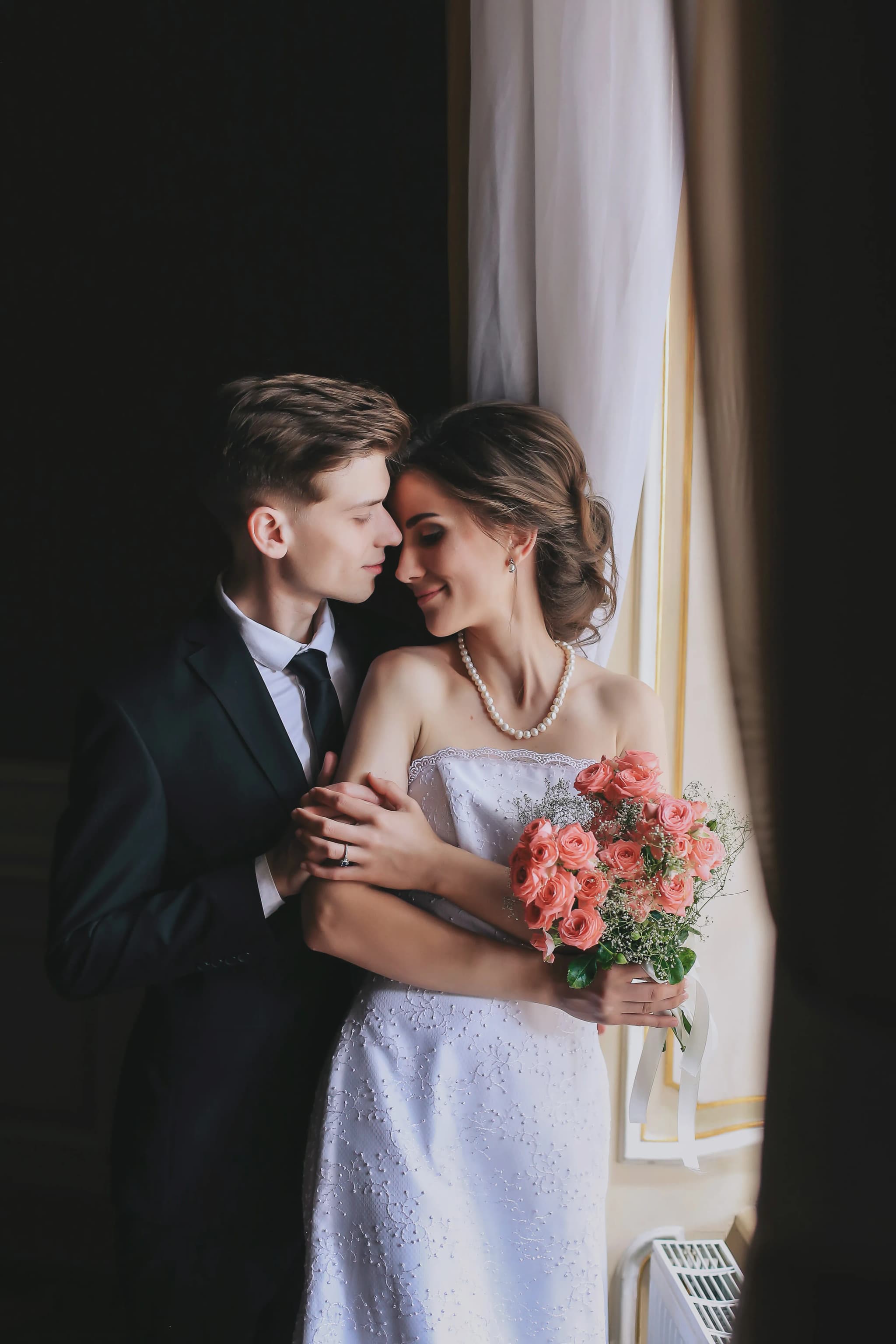
Winter weddings are dramatically underrated, photographically speaking. There is a persistent assumption among couples planning a wedding that the "best" photographs come from long summer evenings and gardens in full bloom, and that a December or January date is something to be worked around rather than worked with. In my experience it is almost the opposite. Bare trees, low golden light that lasts for hours rather than minutes, open fires, candlelit interiors, frost on the grass, breath visible in the cold air — the ingredients for genuinely extraordinary wedding photographs are present in abundance in winter, and in some respects more abundant than in high summer. This guide is about how to plan a winter wedding so that the photography works with the season rather than fighting it.
The Photography Case for Winter
December and January weddings happen in some of the most distinctive natural light of the entire year. The sun in a British winter never climbs particularly high in the sky, even at midday, which means the raking, low-angle side-light that summer photographers have to wait until seven or eight in the evening to access is available for most of the day in winter. A portrait taken at half past one on a clear January afternoon can have a warmth and directional quality to it that a July afternoon portrait, taken under a high overhead sun, simply cannot match without waiting for evening.
Bare trees are not the absence of beauty — they are a different kind of beauty. The architectural structure of deciduous woodland and parkland in winter, backlit by low sun, is genuinely striking in a way that is easy to underestimate until you see it. Estate parkland, avenues of mature trees, and formal gardens all look completely different in winter compared with summer: more sculptural, more dramatic, with sightlines opened up that are hidden behind foliage for the other nine months of the year. Frost adds another layer entirely — a cold, clear morning with frost still on the ground by mid-morning produces a sparkle and crispness in images that no amount of post-processing can replicate.
Golden Hour in Winter
In December, sunset in England falls around half past three or a quarter to four. To a couple planning their day this can sound like an alarming constraint, but it is genuinely an opportunity if the timeline is built around it properly. If portrait time is scheduled for somewhere between half past one and half past three, the light available for the entire portrait session is the soft, warm, low-angle light that photographers spend all summer chasing for a narrow window before sunset. A winter wedding can have its outdoor couple portraits completed in beautiful light well before the wedding breakfast, with no need to steal the couple away after dinner or interrupt the evening reception to catch a fleeting sunset, which is often exactly what happens at summer weddings scheduled without the light in mind.
The other advantage of winter golden hour is its duration. A midsummer golden hour might last thirty or forty minutes before the light becomes too dim to be usable outdoors without flash. A winter golden hour, because the sun's arc is so much lower and flatter, can produce genuinely warm, flattering light for well over an hour, sometimes close to two. That gives far more flexibility in scheduling portraits than most couples expect, and it takes the pressure off getting everyone outside at one precise minute.
Building a Timeline Around Short Days
A winter wedding day requires a somewhat different timeline to a summer one, and this is the single most important planning conversation to have early. Ceremony start time, the length of the drinks reception, and when portraits happen all need to be coordinated around a light window that closes far earlier than most people instinctively assume. Starting a ceremony at two o'clock in December, for instance, can leave almost no useable daylight afterwards once confetti, mingling, and travel between venues are accounted for — by the time everyone is ready for portraits, the light may already be gone.
I always ask couples to share their planned running order as early as possible so that I can flag any point where the timeline and the light window are working against each other. A ceremony at midday or half past twelve, followed by a shorter drinks reception, generally gives the most breathing room for a proper outdoor portrait session in good light before the light fades. If the ceremony has to be later in the day for practical reasons, we can still make excellent images — but it is far better to know that in advance and plan an indoor or blue-hour approach deliberately, rather than discover the daylight has gone while everyone is still queuing for canapés.
Sunrise is also later than most people expect — often not until close to eight in the morning in the depths of winter — which affects bridal preparation photography too. Rooms that feel bright and airy for a June morning shoot may need supplementary lighting for a December equivalent, another reason to discuss the full day's timeline rather than just the ceremony and portrait slots in isolation.
Planning a winter wedding?
I can look over your draft timeline and flag anything that might squeeze your portrait window before you finalise the running order with your venue.
Get in touch about your datePhotographing Indoors: Candlelight, Fires and Fairy Lights
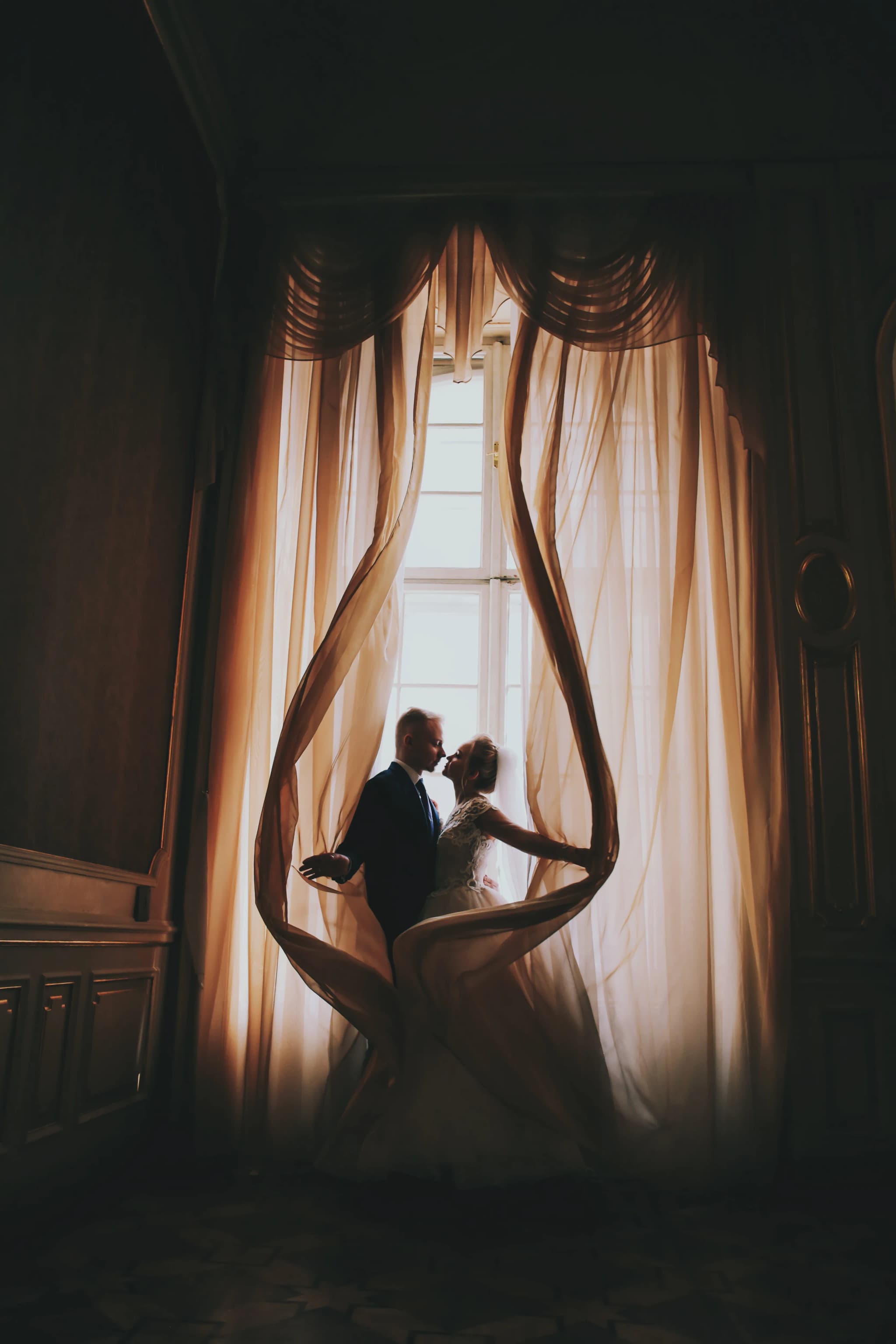
Winter weddings tend to spend a much larger proportion of the day indoors than summer weddings do, and this is exactly where a photographer's comfort with mixed and low light becomes crucial. Candlelight along a long reception table, an open fire in a barn or manor house, strings of fairy lights woven through beams or draped across a marquee ceiling — these create some of the most atmospheric conditions of the entire wedding, but they are technically demanding to photograph well. Mixed colour temperatures, low overall light levels, and high-contrast pools of candlelight surrounded by darkness all require deliberate technique rather than simply pointing a camera and hoping.
When meeting prospective photographers for a winter wedding, it is worth asking specifically to see real examples from other winter wedding receptions, not simply their portfolio of summer marquee or garden work. The skills involved in shooting a softly lit barn interior at nine in the evening are genuinely different from the skills involved in an outdoor June ceremony, and a portfolio that is entirely daylight and summer-based will not tell you much about how someone handles candlelit speeches or a first dance under fairy lights.
Winter also tends to bring cosier, more intimate reception styles — roaring fires, mulled wine, guests in coats and scarves gathered close together — and these details are worth protecting in the photography rather than treating as things to work around. A fire crackling in the background of a candid guest shot, or steam rising from mulled wine glasses caught against low light, are the kind of small seasonal details that make winter wedding albums feel distinctly different from their summer counterparts.
Staying Warm Without Losing the Look
Everyone involved in outdoor portraits needs to be warm enough to comfortably spend twenty to thirty minutes outside, and this is worth planning for rather than hoping for the best on the day. A good fur stole, a longline wool coat, or a tailored cape over a wedding dress is worth more consideration than it might initially seem — not only for comfort but because these pieces often photograph beautifully, adding texture and a sense of occasion that a bare-shouldered dress in December cold simply cannot deliver, however striking it might look at the ceremony itself.
For the wedding party and close family joining group portraits outdoors, a stash of matching or neutral-toned blankets or coats kept ready by a bridesmaid or usher makes a real difference to how relaxed and genuine everyone looks in the images. Cold, uncomfortable people photograph as cold, uncomfortable people — tension shows in shoulders and expressions in a way that is hard to hide. A few minutes of comfort planning at the brief pays for itself many times over in the final gallery.
It is also worth having a clear logistical plan for moving between the ceremony venue, any outdoor photography spots, and the reception space, particularly where older or less mobile guests are involved. Icy paths, gravel drives, and uneven parkland tracks are more of a consideration in December than in June, and a venue coordinator or usher briefed on the plan in advance avoids awkward delays while everyone works out where to go next.
What to Ask a Photographer About a Winter Date
Beyond seeing genuine winter reception examples, it is worth asking a prospective photographer a few direct questions before booking a winter date. How do they plan to handle the transition between bright outdoor light and dim indoor spaces within the same hour? What is their approach if the weather turns wet or the ground is too muddy for the originally planned portrait location — do they have an alternative in mind, whether a covered walkway, an orangery, or a sheltered courtyard? And how do they typically structure a winter day's timeline to make sure the couple portraits happen inside the golden hour window rather than after it has closed?
A photographer who has shot a genuine spread of winter weddings will usually have ready answers to all of this, because they will have faced exactly these questions on real wedding days rather than in the abstract. It is one of the more reliable ways to distinguish someone who is comfortable working through a British winter from someone whose experience and confidence is really built around long, forgiving summer evenings.
Winter in England is not a compromise season for wedding photography — it is simply a different one, with its own particular light, its own atmosphere, and its own set of considerations that reward a little extra planning. Get the timeline right, dress for comfort as well as style, and choose a photographer who is genuinely at home working in low light and short days, and a December or January wedding can produce images with a warmth, drama and intimacy that are very hard to replicate at any other time of year. If you are planning a winter wedding and would like to talk through dates, light, and timeline, get in touch and we can start putting the day together.


Yana Skakun
Photographer · England
Professional wedding, family and portrait photographer based in England. Passionate about capturing authentic emotions and timeless moments.
About Yana →winter wedding photographywinter wedding Englandwinter wedding photographer UKDecember wedding photographyJanuary wedding photography
Wedding Tips — Wedding Photography in Cambridge & England
Yana Skakun is a professional wedding photographer based in Cambridge, covering weddings across England — from intimate elopements to full-day ceremonies at country houses, barns, and city venues. Every couple receives a relaxed, documentary approach that captures the day as it truly unfolds. This guide — Winter wedding photography in England: Everything you need to know — is part of the photography journal: practical, experience-based advice drawn from real sessions across England. Whether you arrived searching for winter wedding photography or winter wedding england, the same care and attention shapes every session Yana photographs.
Wedding Photography sessions are available year-round, with bookings open across Cambridge, Ely, Huntingdon, Peterborough, and further afield — East England, London, the Midlands, and beyond. If you have specific questions about winter wedding photographer uk, mention it in your enquiry. Get in touch through the contact form above to check availability and discuss your session. Enquiries are welcomed from anywhere in the UK.
Frequently Asked Questions
How much does a wedding photographer cost in England?+
Wedding photography in England typically ranges from £1,500 to £4,000+ for a full day. Price depends on experience, coverage hours, and whether albums or engagement shoots are included. Most photographers charge between £2,000–£3,000 for 8–10 hours of coverage.
How early should you book a wedding photographer?+
For peak season (May–September), book 12–18 months in advance. For autumn and winter weddings, 9–12 months is usually sufficient. Popular photographers at popular venues fill up fast — as soon as you have a date and venue confirmed, start reaching out.
How many photos do you get from a wedding photographer?+
Most professional wedding photographers deliver 400–800 edited images for a full-day wedding. The exact number depends on coverage hours, how many guests there are, and the photographer's editing style. Quality matters more than quantity — a curated gallery of 500 images tells the story better than 1,500 unedited files.
Do you need a second photographer at your wedding?+
A second photographer is helpful if you want simultaneous coverage of getting-ready moments in different locations, multiple angles during the ceremony, or more candid coverage during the reception. It adds cost but significantly increases the variety and completeness of your gallery.
What is the difference between documentary and editorial wedding photography?+
Documentary (reportage) wedding photography captures moments as they happen — the photographer observes and doesn't intervene. Editorial photography involves deliberate direction: placing you in good light, shaping compositions, creating intentional portraits. Most photographers blend both styles throughout the day.
Continue Reading
Related Articles

Wedding Tips
Sustainable Eco-Friendly Wedding Guide — Planning a Green Celebration
15 min read · Read Article
Wedding Tips
Trash the Dress Session — Complete Planning and Photography Guide
14 min read · Read Article
Wedding Tips
Client Communication for Photographers — From Enquiry to Gallery Delivery
15 min read · Read Article
Get in Touch
Ready to Book Your Session?
Get in touch to discuss your vision — I'll reply within 24 hours.