Yana Skakun
What to Wear for a Winter Wedding Photoshoot: Staying Warm & Looking Fabulous
By Yana Skakun·18 March 2026·6 min read
One of the most common concerns I hear from couples planning a winter wedding is some version of the same worry: "I want proper outdoor portraits, but I don't want to look cold, and I definitely don't want to be shivering through the whole thing." It is a completely fair concern — nobody wants photographs where the discomfort is written all over their face — but it is also a concern that is entirely solvable with the right planning. I have photographed winter weddings across Cambridgeshire in genuine frost, in soft grey drizzle, and in the rare gift of a crisp, bright December afternoon, and in every case the couples who came prepared were the ones who came away with portraits they loved. Winter wedding photography, done properly, is not something to be endured. It is one of the most beautiful settings a wedding can have, and what you wear underneath and over your wedding outfit is the difference between gritted teeth and genuine warmth in every image.
Why Winter Portraits Are Worth the Effort
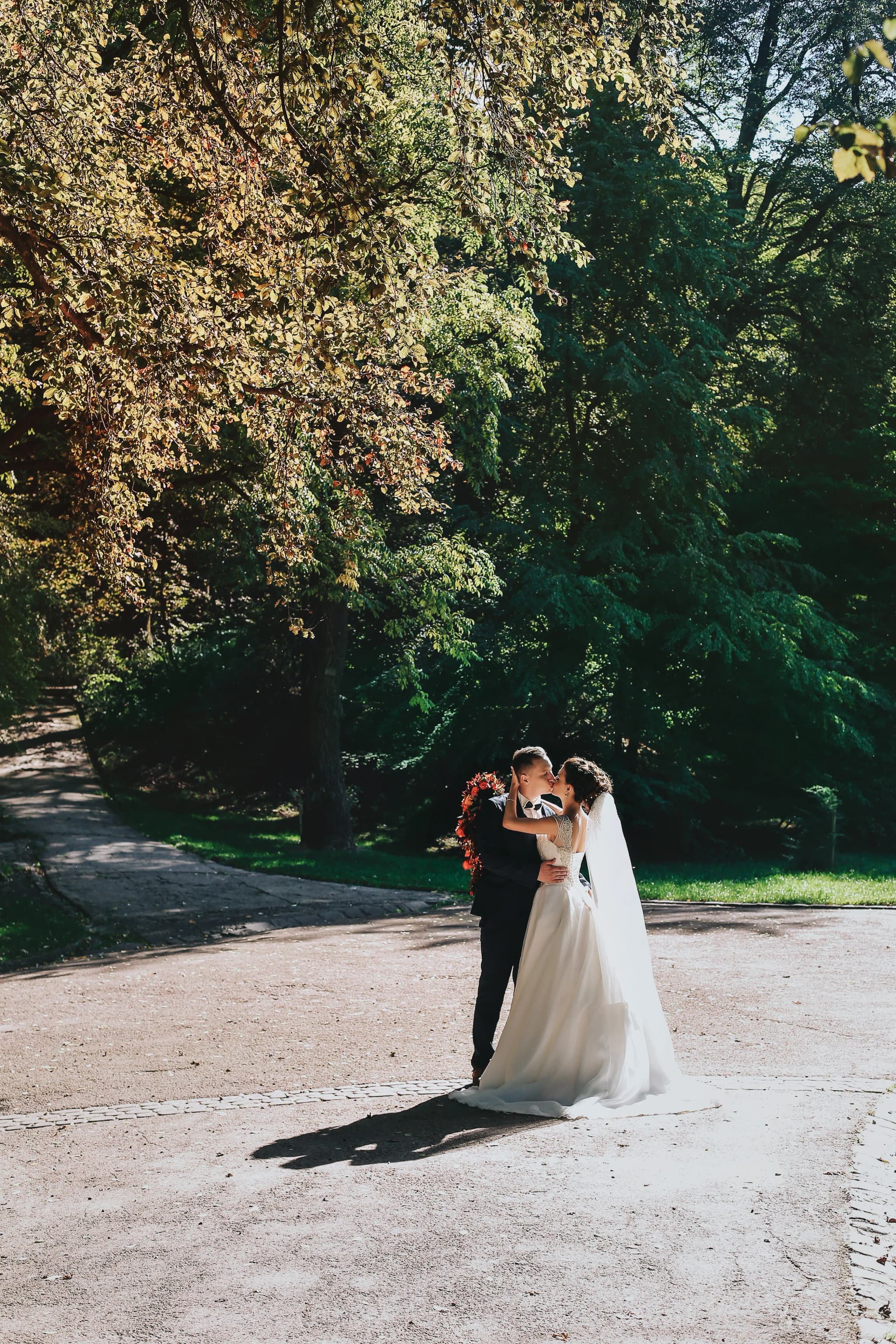
Before getting into the practical layering advice, it is worth saying why outdoor winter portraits are worth planning for at all, rather than simply staying indoors for everything. Winter light in England has a quality that summer light simply does not: it is low, soft, and often has an almost silvery clarity to it, particularly on a clear, cold afternoon. Bare trees against a pale sky create a completely different mood to the lush green of a summer wedding — more atmospheric, more timeless, and in my experience, more striking in a printed album ten years on precisely because it looks so different to the wedding photographs most people are used to seeing. Frost on a lawn, breath visible in the cold air, a bride's wrap catching the wind — these are the details that make winter wedding portraits distinctive rather than a compromise.
The trade-off, of course, is genuine cold, and that is exactly what proper preparation is for. The goal is never to pretend it is not winter. It is to be warm enough underneath that the cold becomes something the photographs can use rather than something the couple has to fight through.
The Layering Approach
The secret to comfortable outdoor winter wedding photography is layers worn underneath the visible outfit, so that what shows in the photographs is exactly what you chose, while what is underneath is doing the work of keeping you warm. For a focused twenty-to-thirty-minute portrait session outdoors in winter, the right inner layers make an enormous difference to how the whole thing feels, and it is worth sorting this out weeks in advance rather than as an afterthought on the morning itself.
For brides, I generally recommend:
- A thin thermal underlayer beneath the dress — particularly worthwhile for full-skirted dresses, where there is room underneath for a proper thermal layer without it showing or altering the silhouette
- Warming leggings or skin-toned thermal tights under the dress, especially if there is any leg visible at all
- A genuinely warm outer layer for the walk to and from the portrait location and for the moments between shots — faux fur stoles, cashmere wraps, and velvet capes all photograph beautifully and are properly warm in practice, not just decorative
- Warm gloves and hand warmers, kept with a bridesmaid or the best man and handed over between portrait setups, removed only in the seconds before the shutter goes
- A second pair of comfortable, warm-soled shoes for the walk itself, saving the wedding shoes for the final few steps and the actual photographs
For grooms, the same principle applies:
- A merino or thermal base layer under the shirt — thin enough not to bulk out the fit of the suit, warm enough to make a genuine difference
- A well-cut overcoat for anything other than the final portrait moment — a good overcoat adds to winter wedding photographs rather than detracting from them, and there is no reason to be without one between setups
- Proper warm socks, since cold feet affect posture and expression more than people expect
- Gloves kept on between portrait positions and removed only for the shot itself
For the wider wedding party, the same logic scales down easily: a thermal layer under a bridesmaid's dress, a flask of something warm held out of shot, coats draped over shoulders the moment a group photograph is captured. Nobody needs to be visibly bundled up in the final images, but everybody benefits from being properly warm in the minutes surrounding them.
What to Wear That Photographs Well in Winter
Beyond simply staying warm, certain fabric and colour choices photograph particularly well against a winter backdrop, and it is worth bearing these in mind when choosing accessories, outerwear, and wedding party outfits.
- Rich, deep colours: Burgundy, navy, forest green, and charcoal all photograph with real depth against bare trees, grey skies, and stone buildings. These tones read as intentional and seasonal rather than simply dark.
- Cream and ivory against frost: A dress or shirt in cream or ivory reads exceptionally clean and pure against a genuinely frosted lawn or a light dusting of snow — a combination that is difficult to achieve at any other time of year.
- Velvet and wool textures: Winter fabrics have a visible texture in photographs that summer silks and cottons simply do not. Velvet in particular catches low winter light beautifully.
- Faux fur accents: A fur bolero, fur-trimmed hood, or fur muff adds visual interest to a portrait and genuine warmth to the hands at the same time — a rare case where the practical choice and the beautiful choice are the same thing.
- Boots: In a winter, woodland, or rural setting, a beautiful pair of boots is entirely appropriate for portraits, far more practical on cold or muddy ground than heels, and generally reads as intentional rather than a compromise once it is part of the overall styling.
Managing the Timing Outdoors
The single most important practical decision in winter wedding photography is keeping outdoor portrait time short and purposeful rather than open-ended. In summer I might plan for thirty to forty-five minutes of relaxed outdoor portraits, moving between several spots and letting things unfold gradually. In winter, I plan for a tighter twenty to twenty-five minutes of dedicated outdoor time, which means the planning happens before anyone steps outside rather than during.
In practice, that means I already know, before the couple sets foot outdoors, exactly where we are going, in what order, and roughly how long each spot will take. We move efficiently between locations rather than wandering, and we come back inside to the warmth while everyone still looks genuinely comfortable rather than after they have started to visibly suffer. A coat or wrap goes back on the instant a sequence of shots is finished, not after a minute of standing around discussing the next spot. This is a small logistical discipline, but it is the difference between portraits where a couple looks radiant and portraits where you can see, even faintly, that they are counting down the seconds until they can go back inside.
The rest of the day's photography — getting ready, the ceremony itself if it is indoors, the reception, the details, the dancing — happens in the warm interior of the venue, which in winter often has its own considerable charm: candlelight, fires, fairy lights, and the particular cosiness of a room lit for a winter evening. Outdoor portraits are a deliberate, time-boxed excursion into the beautiful cold, not the default backdrop for the whole day.
Choosing the Right Winter Location
Not every outdoor location works equally well for a short winter portrait session, and part of my planning with couples ahead of a winter wedding is finding somewhere that gives us a strong image quickly rather than somewhere that needs a long walk before it delivers anything. A venue's own grounds are often the best starting point — a walled garden, an avenue of bare trees, a stone archway, or simply a stretch of frosted lawn close to the building, so that the walk out and back is short and nobody is properly cold before we have even started. Cambridgeshire has no shortage of venues with exactly this kind of feature close to the main house, which is one of the reasons I always ask to see the grounds in daylight during the planning stage, regardless of the season the wedding will actually take place in.
If a couple wants something more atmospheric than the immediate grounds — a woodland path, an open field, the edge of a lake — that is entirely achievable in winter too, but it changes the timing conversation. A five-minute walk each way to a more dramatic spot is worth it for many couples; a twenty-minute walk each way, in genuine winter cold, usually is not, unless the couple is particularly keen on that specific look and has planned their layering accordingly.
Planning a winter wedding?
With the right layering, timing, and location planning, winter portraits can be some of the most striking images from your whole day. I am happy to talk through outfit choices, timing, and locations well ahead of your date.
Let's talk through your winter wedding plansA Few Practical Extras Worth Packing
A handful of small, unglamorous items make a genuine difference to how a winter wedding portrait session feels, and I always mention them to couples in the run-up to the day. A flask of something warm, held by a member of the wedding party and handed round during any gaps, keeps morale and body temperature up in equal measure. Disposable hand and foot warmers, tucked into gloves and boots ahead of time, last for hours and are cheap enough to hand out generously to the whole wedding party, not just the couple. A spare pair of plain, warm socks for the bride, worn under a coat hem or simply changed into for the walk outside and swapped back afterwards, protects against one of the most common sources of genuine discomfort on a winter wedding day. None of these things need to appear in a single photograph. Their entire purpose is to make sure that what does appear in the photographs is warmth, ease, and genuine happiness, rather than the specific, recognisable tension of someone trying not to shiver.
Winter weddings ask a little more of the planning than summer ones do, but they give back a kind of atmosphere and distinctiveness that is very hard to manufacture at any other time of year — bare branches, low golden light, breath in the cold air, the particular cosiness of coming back indoors to candlelight after twenty minutes outside. None of it depends on the weather being kind, and none of it requires anyone to actually be cold in the finished photographs. It simply requires thinking about layers, timing, and location a little earlier than you might for a June wedding. If you are planning a winter wedding and want to talk through what to wear, where to go, and how the day's photography timeline should work around the shorter daylight hours, get in touch and we can plan it properly together, well ahead of your date.

Yana Skakun
Photographer · England
Professional wedding, family and portrait photographer based in England. Passionate about capturing authentic emotions and timeless moments.
About Yana →what to wear winter wedding UKwinter wedding outfit photoswinter engagement shoot clothing
Wedding Tips — Wedding Photography in Cambridge & England
Yana Skakun is a professional wedding photographer based in Cambridge, covering weddings across England — from intimate elopements to full-day ceremonies at country houses, barns, and city venues. Every couple receives a relaxed, documentary approach that captures the day as it truly unfolds. This guide — What to Wear for a Winter Wedding Photoshoot: Staying Warm & Looking Fabulous — is part of the photography journal: practical, experience-based advice drawn from real sessions across England. Whether you arrived searching for what to wear winter wedding uk or winter wedding outfit photos, the same care and attention shapes every session Yana photographs.
Wedding Photography sessions are available year-round, with bookings open across Cambridge, Ely, Huntingdon, Peterborough, and further afield — East England, London, the Midlands, and beyond. If you have specific questions about winter engagement shoot clothing, mention it in your enquiry. Get in touch through the contact form above to check availability and discuss your session. Enquiries are welcomed from anywhere in the UK.
Frequently Asked Questions
How much does a wedding photographer cost in England?+
Wedding photography in England typically ranges from £1,500 to £4,000+ for a full day. Price depends on experience, coverage hours, and whether albums or engagement shoots are included. Most photographers charge between £2,000–£3,000 for 8–10 hours of coverage.
How early should you book a wedding photographer?+
For peak season (May–September), book 12–18 months in advance. For autumn and winter weddings, 9–12 months is usually sufficient. Popular photographers at popular venues fill up fast — as soon as you have a date and venue confirmed, start reaching out.
How many photos do you get from a wedding photographer?+
Most professional wedding photographers deliver 400–800 edited images for a full-day wedding. The exact number depends on coverage hours, how many guests there are, and the photographer's editing style. Quality matters more than quantity — a curated gallery of 500 images tells the story better than 1,500 unedited files.
Do you need a second photographer at your wedding?+
A second photographer is helpful if you want simultaneous coverage of getting-ready moments in different locations, multiple angles during the ceremony, or more candid coverage during the reception. It adds cost but significantly increases the variety and completeness of your gallery.
What is the difference between documentary and editorial wedding photography?+
Documentary (reportage) wedding photography captures moments as they happen — the photographer observes and doesn't intervene. Editorial photography involves deliberate direction: placing you in good light, shaping compositions, creating intentional portraits. Most photographers blend both styles throughout the day.
Continue Reading
Related Articles

Wedding Tips
Sustainable Eco-Friendly Wedding Guide — Planning a Green Celebration
15 min read · Read Article
Wedding Tips
Trash the Dress Session — Complete Planning and Photography Guide
14 min read · Read Article
Wedding Tips
Client Communication for Photographers — From Enquiry to Gallery Delivery
15 min read · Read Article
Get in Touch
Ready to Book Your Session?
Get in touch to discuss your vision — I'll reply within 24 hours.