Yana Skakun

The Most Common Dress Regrets and How They Affect Your Photos
By Yana Skakun·10 June 2026·5 min read
After photographing weddings across Cambridge, the Cotswolds, and London, I've noticed a quiet pattern: the dress choices brides regret most are almost always the ones that looked stunning in the boutique mirror but created real challenges once the ceremony began. This isn't about judging taste — it's about giving you the honest, practical perspective that most wedding photographers keep to themselves.
Why Certain Fabrics Become a Photographer's Nightmare
Fabric is probably the single most underestimated factor in wedding photography. In a bridal boutique under warm, flattering lighting, a heavily beaded or embellished gown catches the light beautifully. Outside on an overcast English afternoon — which, let's be honest, describes most UK wedding days — that same dress can appear flat, heavy, or so reflective that the camera struggles to expose it correctly alongside your skin tone.
Satin is a particular challenge. It picks up every crease from the car journey, every gentle brush against a pew, and — crucially — it creates hotspots where light reflects directly back to camera. In candid moments, you might be laughing with your maid of honour, looking genuinely joyful, and the image is technically compromised because the front panel of your skirt is blown out to pure white.
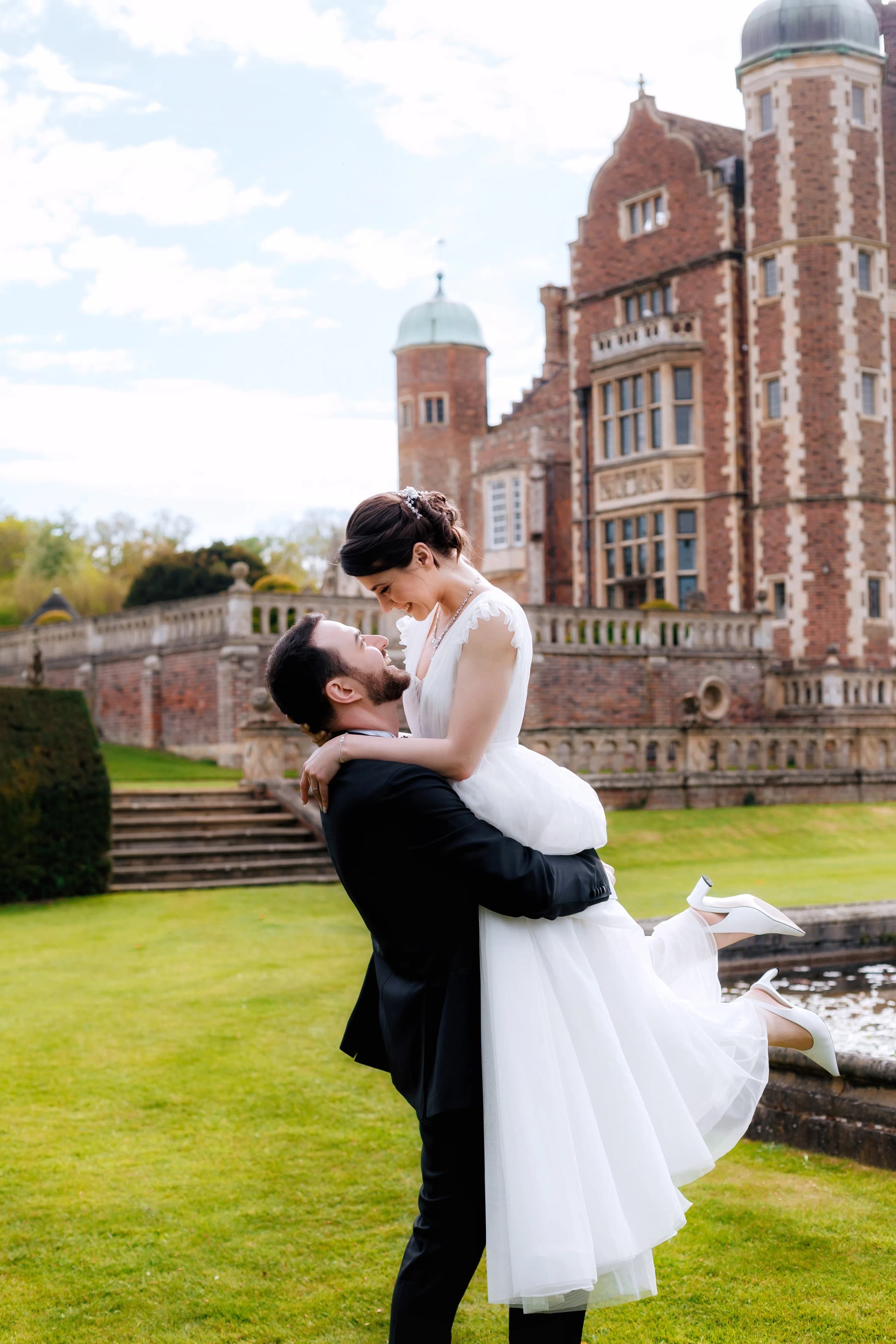
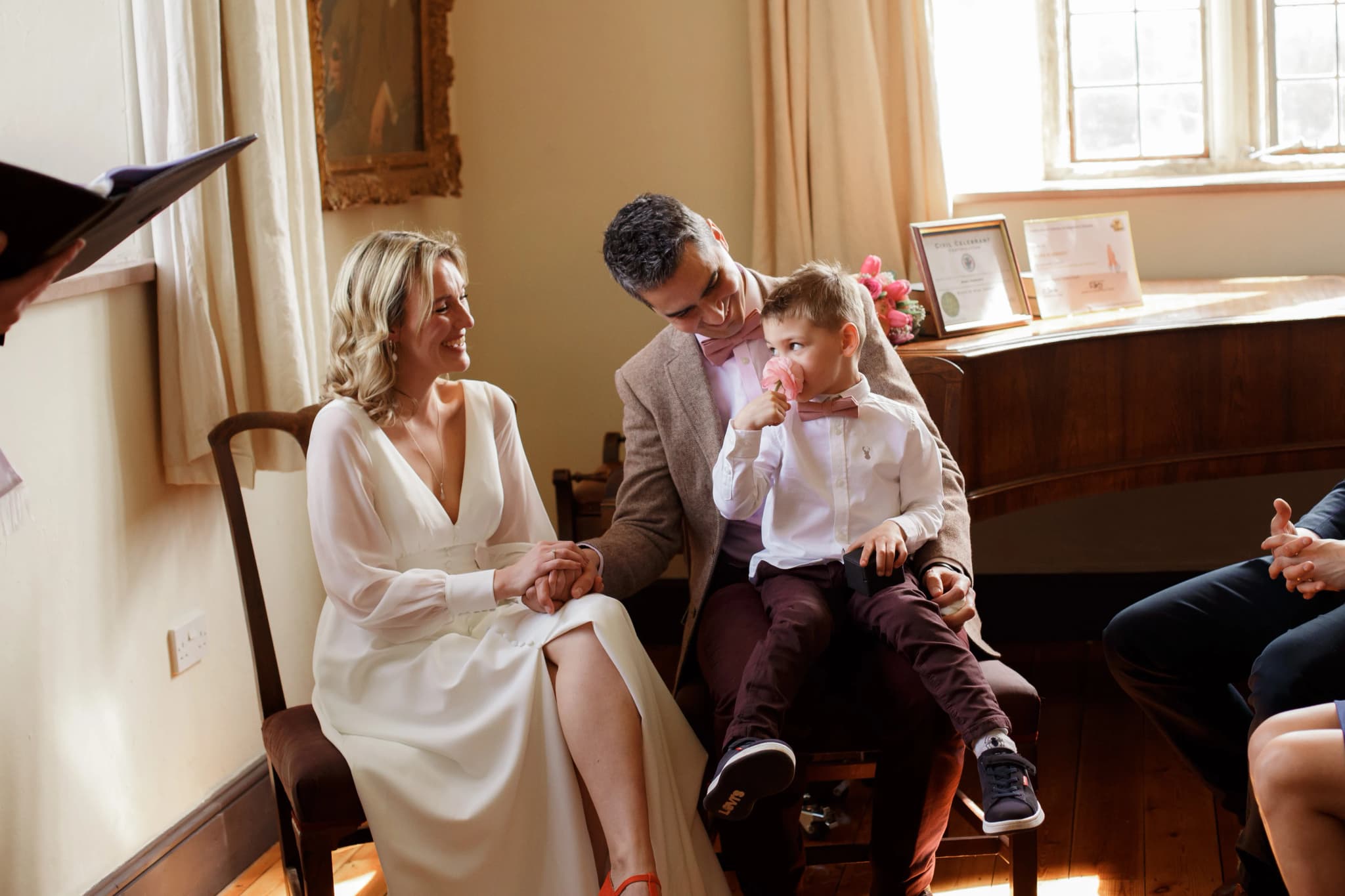
Crepe, chiffon, and soft tulle are consistently the easiest fabrics to photograph. They move naturally, they don't retain creases in the same way, and they respond well to both bright outdoor light and the dim interiors of older English churches and manor houses. Lace, when it's not overloaded with sequins, also photographs beautifully — the texture reads well at a distance and adds visual interest without creating exposure problems.
Silhouettes That Limit Your Movement (and Your Photos)
Some of the most striking wedding images happen in unplanned moments — a sudden run across a field, a spontaneous twirl, a group hug that turns into something genuinely funny. A narrow mermaid or trumpet silhouette with minimal stretch can quietly close off those possibilities. I've worked with brides who could only take very small steps by the afternoon and were understandably reluctant to move freely during portraits.
- ◆Mermaid skirts with no give: Beautiful in static portraits but restrict walking and movement significantly by late in the day as the fabric warms and tightens. Consider a mermaid with a godot or hidden stretch panel.
- ◆Extremely long trains outdoors: A cathedral train on a country estate sounds romantic, but it picks up grass stains, mud, and debris quickly. The first outdoor portrait session after the ceremony often shows a visibly marked hem.
- ◆Strapless bodices on longer wedding days: By hour six or seven, the involuntary posture adjustment — shoulders forward, arms slightly in — is visible in photos. Brides often aren't aware they're doing it, but it changes the line of the body.
- ◆Very structured cage or hoop skirts: In a grand venue these can be spectacular. In the back of a car, in a cottage getting-ready room, or navigating a narrow church aisle, they create real logistical challenges that show in the documentary record.
- ◆Off-the-shoulder sleeves with rigid boning: These tend to migrate upward throughout the day. The repeated readjustment becomes a subconscious habit, and in candid photos — the most honest ones — it can look like discomfort.
Colour Choices in the British Light
The UK's soft, diffused light is genuinely wonderful for wedding photography — it's one of the reasons editorial photographers travel here specifically for portrait work. But it does interact with white and ivory in ways that vary considerably. Stark, bright white gowns can read as very cold in overcast natural light, especially against the warm stone of a Cotswold church or the amber brickwork of a Cambridge college.
Ivory, champagne, and blush tones tend to photograph more warmly and blend more naturally with the architectural palette of English wedding venues. This doesn't mean you should avoid white — it simply means it's worth being deliberate. If you love a bright white gown, we can plan your portrait timing to include moments of golden-hour or window light that will lift the warmth of the image and balance the fabric tone.
The regret I hear most often in post-wedding conversations isn't about the white-versus-ivory choice itself — it's about not knowing this variable existed. Having that conversation with your photographer before you finalise your dress choice takes about ten minutes and can meaningfully shape which images become your favourites.
What the Camera Actually Sees Versus the Mirror
There's an important distinction between how a dress looks when you're standing still, facing forward, in a well-lit boutique — and how it looks in motion, at an angle, in varying light conditions over ten hours. Most brides make their dress decision based on the first scenario and are photographed almost entirely in the second.
Deep V-necklines, for instance, look elegant face-on in the mirror. In photographs taken from a slightly elevated angle — which is standard for many ceremony shots — the perspective shifts considerably. This isn't a reason to avoid them; it's a reason to tell your photographer in advance so they can be intentional about angles during the ceremony.
Heavily corseted backs are almost universally beautiful in photographs — the structure, the detail, and the lacing create strong visual interest. But if the corset is laced too tightly and restricts breathing, the effect on posture and comfort becomes visible across a full day of images. Fit the corset so you can breathe comfortably through a full sentence, not just while standing still.
When to Have This Conversation
The best time to factor photography into your dress decision is before you say yes to the gown — ideally at the same point you're considering the venue, the season, and the time of day. These choices interact with each other in ways that matter. A slim, minimalist silk bias-cut dress at a modern London warehouse wedding in November is a completely different proposition from the same dress at a garden ceremony in Suffolk in July.
If you've already bought your dress, that's absolutely fine — the conversation still has value. Understanding your fabric, silhouette, and any practical constraints means I can build a shot list and a lighting plan that works with what you have, rather than finding out the challenges for the first time on the day. Most "problem" dresses have solutions; they just require knowing about them in advance.
The brides who have the fewest dress regrets in their photos aren't necessarily those who chose the most photogenic gown — they're the ones who went into their wedding day with a clear-eyed understanding of what their dress would do in different conditions, and a photographer who had the same information.
Let's talk about your dress before the day arrives
I include a pre-wedding consultation with every booking specifically so we can cover questions like these — your dress, your venue lighting, your timeline, and anything else that affects how your photographs will look. Check whether your date is still available and we can start that conversation.
Check Your Date →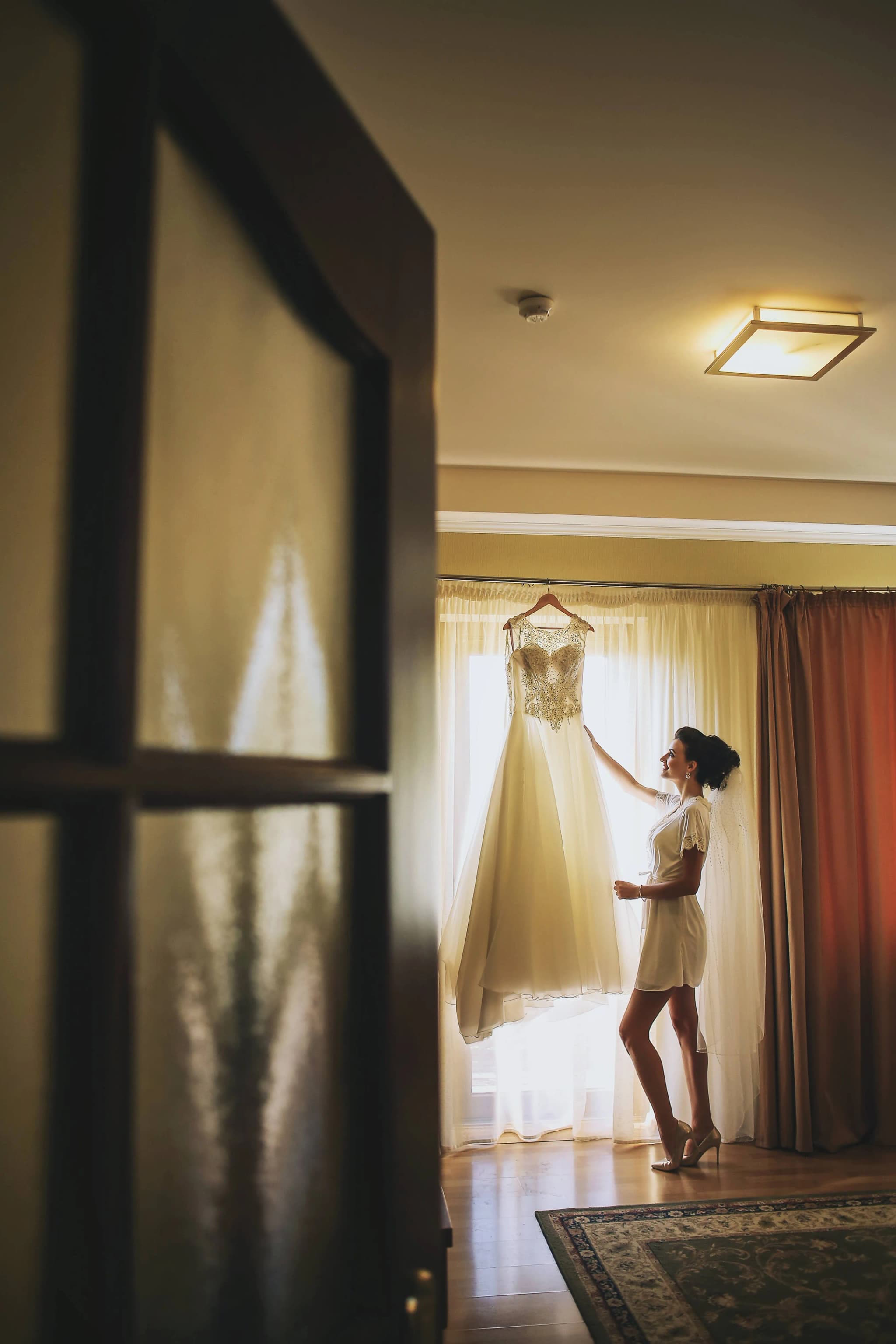

Yana Skakun
Photographer · England
Professional wedding, family and portrait photographer based in England. Passionate about capturing authentic emotions and timeless moments.
About Yana →worstdressregretswedding
Wedding Tips — Wedding Photography in Cambridge & England
Yana Skakun is a professional wedding photographer based in Cambridge, covering weddings across England — from intimate elopements to full-day ceremonies at country houses, barns, and city venues. Every couple receives a relaxed, documentary approach that captures the day as it truly unfolds. This guide — The Most Common Dress Regrets and How They Affect Your Photos — is part of the photography journal: practical, experience-based advice drawn from real sessions across England. Whether you arrived searching for worst or dress, the same care and attention shapes every session Yana photographs.
Wedding Photography sessions are available year-round, with bookings open across Cambridge, Ely, Huntingdon, Peterborough, and further afield — East England, London, the Midlands, and beyond. If you have specific questions about regrets, mention it in your enquiry. Get in touch through the contact form above to check availability and discuss your session. Enquiries are welcomed from anywhere in the UK.
Frequently Asked Questions
How much does a wedding photographer cost in England?+
Wedding photography in England typically ranges from £1,500 to £4,000+ for a full day. Price depends on experience, coverage hours, and whether albums or engagement shoots are included. Most photographers charge between £2,000–£3,000 for 8–10 hours of coverage.
How early should you book a wedding photographer?+
For peak season (May–September), book 12–18 months in advance. For autumn and winter weddings, 9–12 months is usually sufficient. Popular photographers at popular venues fill up fast — as soon as you have a date and venue confirmed, start reaching out.
How many photos do you get from a wedding photographer?+
Most professional wedding photographers deliver 400–800 edited images for a full-day wedding. The exact number depends on coverage hours, how many guests there are, and the photographer's editing style. Quality matters more than quantity — a curated gallery of 500 images tells the story better than 1,500 unedited files.
Do you need a second photographer at your wedding?+
A second photographer is helpful if you want simultaneous coverage of getting-ready moments in different locations, multiple angles during the ceremony, or more candid coverage during the reception. It adds cost but significantly increases the variety and completeness of your gallery.
What is the difference between documentary and editorial wedding photography?+
Documentary (reportage) wedding photography captures moments as they happen — the photographer observes and doesn't intervene. Editorial photography involves deliberate direction: placing you in good light, shaping compositions, creating intentional portraits. Most photographers blend both styles throughout the day.
Continue Reading
Related Articles

Wedding Tips
Sustainable Eco-Friendly Wedding Guide — Planning a Green Celebration
15 min read · Read Article
Wedding Tips
Trash the Dress Session — Complete Planning and Photography Guide
14 min read · Read Article
Wedding Tips
Client Communication for Photographers — From Enquiry to Gallery Delivery
15 min read · Read Article
Get in Touch
Ready to Book Your Session?
Get in touch to discuss your vision — I'll reply within 24 hours.