Yana Skakun

How to Plan a Destination Photoshoot: Couples & Families Abroad
By Yana Skakun·10 July 2026·8 min read
A destination photoshoot sounds glamorous in the abstract — golden light on a foreign coastline, a family or a couple wandering through streets they have never walked before, images that look nothing like the ones taken at home. The reality is a little more logistical than that, and the shoots that actually produce those images are the ones where someone has thought carefully about timing, location, and the practical details that make or break a session on unfamiliar ground. I have travelled for couples' sessions, family trips, and small destination weddings, and the planning conversation is almost always the same one, regardless of whether the destination is two hours away or twelve.
This guide is written for anyone considering booking a photographer to travel with them, or to meet them somewhere abroad — couples planning an anniversary trip, families combining a holiday with proper portraits, or anyone weighing up whether a destination wedding or elopement is the right shape for their day. The questions are broadly the same whichever category you fall into.
Why Travel for a Photoshoot at All
The honest answer is that location changes what a photograph can be. A couple photographed against a Cambridgeshire hedgerow and the same couple photographed on a Cornish clifftop or a Lisbon side street are, in a real sense, telling different stories, even if the two people and their relationship are identical. Travel adds a backdrop that cannot be recreated at home, and it usually adds something else too — a shift in mood. People on holiday, away from routine and the low background hum of everyday obligations, tend to be more relaxed in front of a camera than people photographed on an ordinary Tuesday near where they live.
For families, a destination session is often bundled into a trip that is happening anyway — a summer holiday, a milestone birthday abroad, a trip to see grandparents living overseas. Rather than treating the photography as a separate expense and a separate occasion, it becomes an hour or two carved out of a holiday that was already planned, producing images from a place and a time that genuinely mattered to the family, not a generic studio backdrop.
For couples, destination shoots often sit alongside a proposal trip, an anniversary, or a honeymoon, and increasingly alongside a genuine destination wedding or elopement. If you are still deciding whether to marry abroad at all, it is worth reading through what a destination wedding photographer actually does differently from a photographer working a single UK venue, since the planning overlaps considerably with what follows here.
Choosing a Location That Will Actually Work
The instinct is to choose a destination based on how it looks in other people's photographs — a famous coastline, a well-known old town, a beach that shows up constantly on social media. That is not a bad starting point, but it is worth going one step further and asking what that location will be like at the specific time of year you are travelling, and, crucially, how crowded it gets. A location that photographs beautifully in a magazine spread taken at six in the morning in April can be a wall of tourists with selfie sticks at midday in August. I always ask clients for their travel dates before recommending specific spots, because the same destination can behave completely differently depending on season.
It also matters whether the location is easy to reach with the group you are bringing. A clifftop with a stunning view but a forty-minute uneven walk from the nearest parking is a wonderful spot for two adults and a much harder proposition for a family with a toddler, a pushchair, and grandparents who are not up for a scramble. I try to build in at least one easily accessible location alongside anything more adventurous, so the session is not entirely dependent on everyone managing a difficult walk in wedding shoes or holiday sandals.
Light matters more than the postcard version of a place. A famous square that looks stunning in tourist photography at sunset can be flat and unremarkable at eleven in the morning, while a completely unglamorous side street two minutes away might catch beautiful late afternoon light through a gap between buildings. Part of what a photographer who has either visited or properly researched the destination brings to a session is knowing where the light will actually be good at the time you can realistically be there.
Timing the Trip Around the Right Light and the Right Season
Golden hour exists everywhere, but its timing and character shift enormously by latitude and season. In southern Europe in high summer, the useful golden light in the evening does not really begin until close to eight or half past, which means a family with young children may be photographing well past a normal bedtime. In the same location in spring or autumn, golden hour arrives two or three hours earlier and the temperature is far more comfortable for everyone, including the photographer carrying equipment through narrow streets in the heat.
Shoulder season — late spring and early autumn in most popular destinations — is usually the sweet spot for destination photography. Crowds are thinner, temperatures are kinder to formal clothing and to children, and the light tends to sit lower in the sky for longer stretches of the day rather than being harsh and overhead for most of daylight hours. I generally steer clients away from the absolute peak of summer in Mediterranean destinations unless there is a strong reason to be there then, simply because midday light in July is difficult to work with and heat makes everyone, adults and children alike, considerably less patient.
It is also worth checking local sunrise and sunset times properly rather than assuming they match home. A location three or four hours' flight south of the UK can have sunset an hour or more later in summer, which changes the whole shape of an evening session and the dinner plans built around it.
Planning a trip and want a photographer along
Whether you are thinking about a family holiday portrait session, a couples' anniversary shoot, or the early stages of planning a wedding or elopement abroad, it helps to talk through dates, light, and logistics before you book flights. I travel for sessions across the UK and abroad, and I am always happy to have that early conversation even before anything is confirmed.
Get in touchWhat to Pack for Clothing and Styling
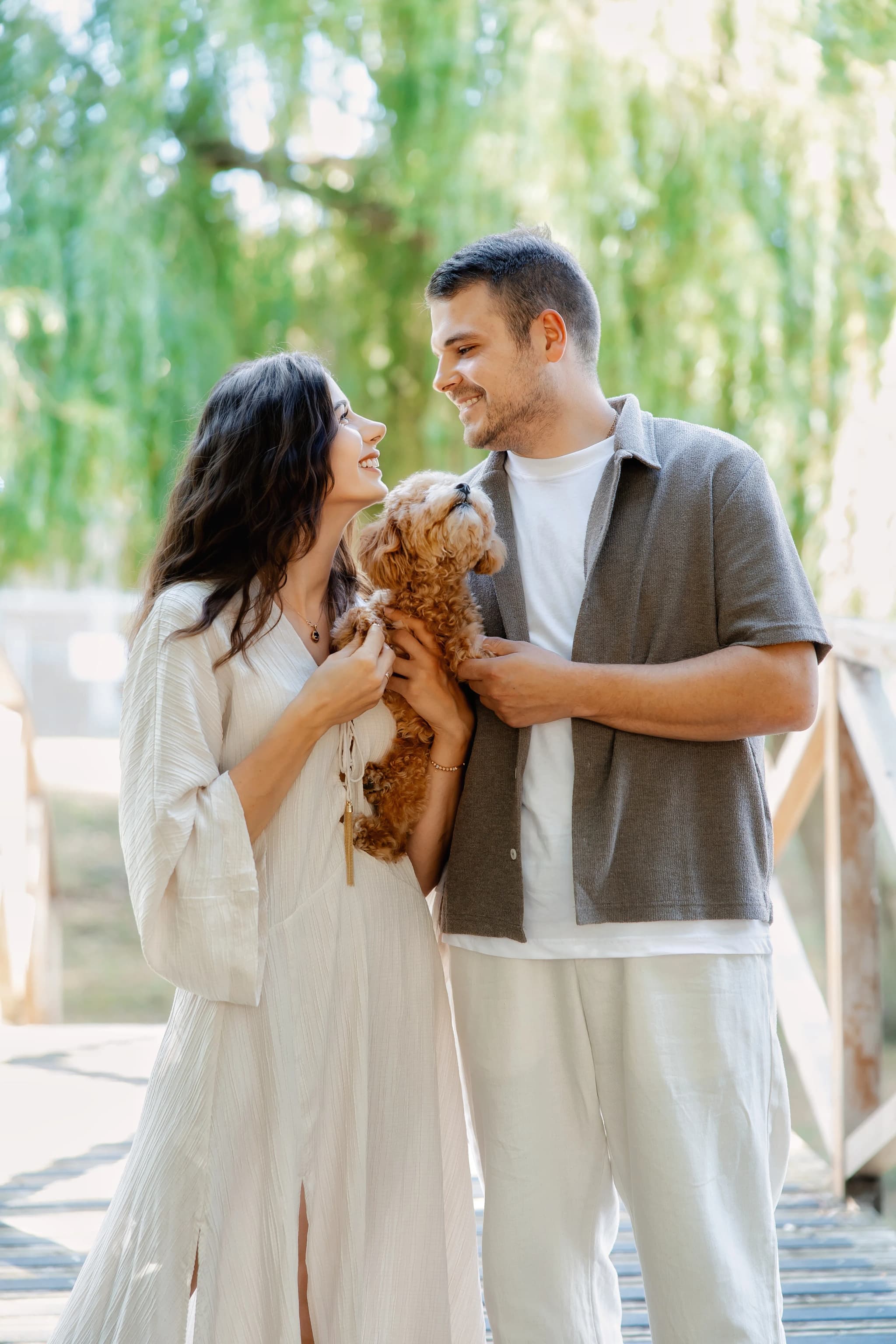
The single most common mistake I see on destination shoots is clothing packed for the holiday rather than for the photographs. Bright print swimwear and beach cover-ups look fine in person and often look chaotic in a photograph, especially in a group. I ask clients to pack one or two specific outfits for the session itself, chosen the way you would choose an outfit for a portrait session at home: coordinated tones rather than identical outfits, natural fabrics that move well and do not crease into a solid block after a long-haul flight, and at least one layer that works if the weather is cooler or windier than forecast.
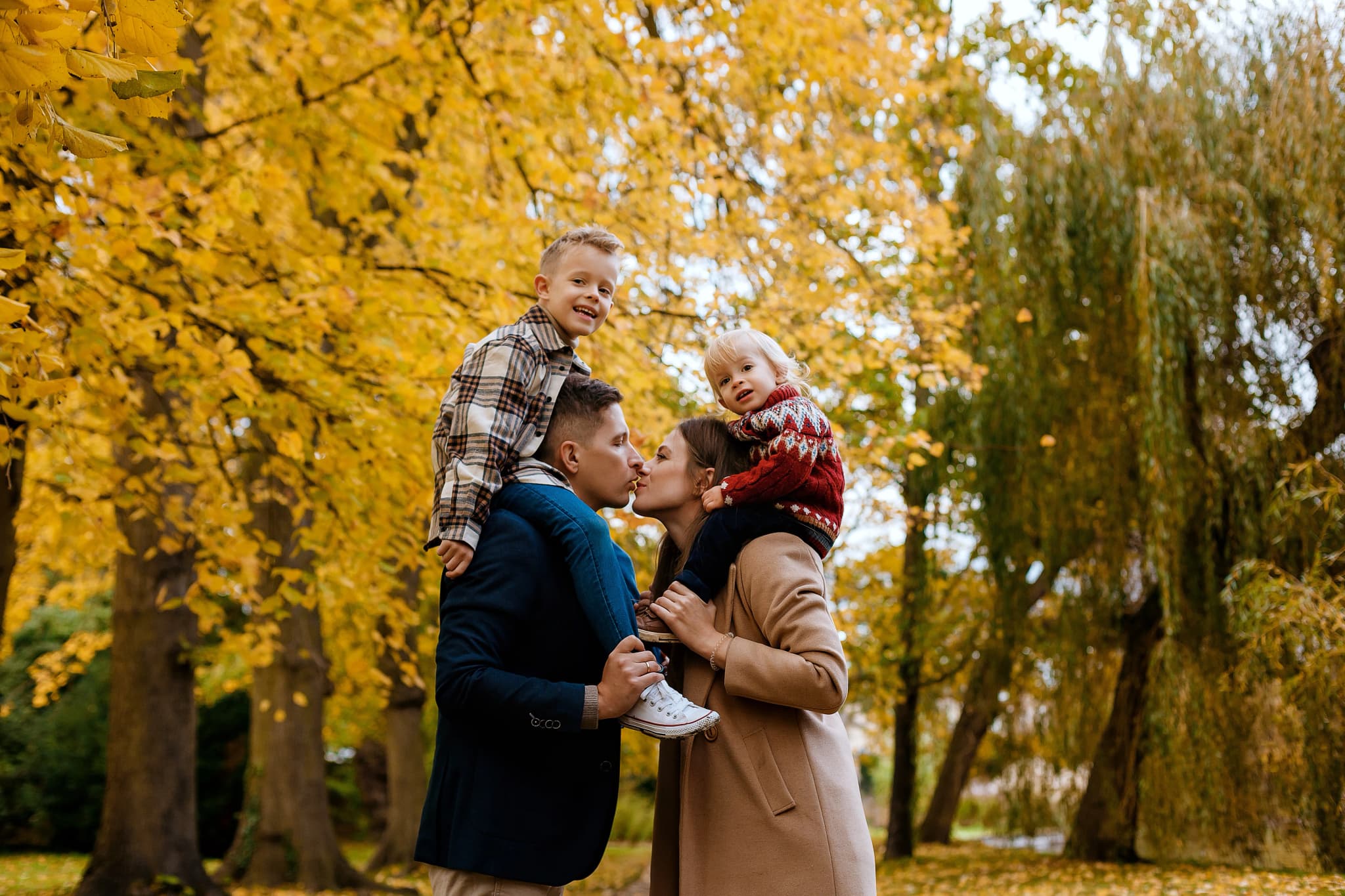
For families, I suggest choosing a loose colour palette — two or three complementary tones across everyone, rather than a strict matching uniform, which tends to look stiff in photographs and is also genuinely hard to pull off with children who may refuse to wear the planned outfit on the day. Packing a spare top or two for young children is sensible; ice cream, sand, and sun cream all have a habit of finding their way onto clothing shortly before a session.
For couples, it is worth packing shoes you can actually walk in, even if they are not the shoes you plan to wear for the whole day. Cobbled streets, sand, and uneven coastal paths are unforgiving on heels and smart shoes, and having a pair you can walk to the location in and swap into for the photographs themselves saves a lot of discomfort. A light bag for water, a hairbrush, and any last-minute styling items is worth having on hand throughout, since destination sessions often involve more walking between spots than a single-venue UK shoot.
Working with Language, Permits, and Local Logistics
Some destinations require a permit for professional photography in specific locations — certain historic sites, national parks, and some beaches restrict or charge for commercial shoots, and the rules are rarely obvious from a quick search. Part of the planning process for any destination session is checking whether the specific spot you have your heart set on needs advance permission, and building in an alternative if it turns out to be off limits or prohibitively expensive to access. This is something worth raising with your photographer early, since local researching takes time and is far easier to sort out weeks in advance than the morning of the shoot.
Language is rarely a barrier for the photography itself, since directing a session relies more on gesture, tone, and demonstration than on complex verbal instruction, but it does matter for the practical side — booking access to a location, arranging transport, or dealing with anyone who challenges you for photographing somewhere you assumed was open to the public. Having a rough sense of the relevant local etiquette, and travelling with a translation app or a few useful phrases, smooths over more friction than people expect.
Weather contingency is worth agreeing in advance too. Coastal and mountain destinations in particular can have weather that shifts fast, and having a backup plan — an alternative time of day, a covered or sheltered alternative location, or simply the flexibility to move the session to a different day within the trip — removes a huge amount of stress if the forecast does not cooperate.
Building the Shoot into the Rest of Your Trip
A destination photoshoot works best as one component of a trip rather than the entire point of it, unless it genuinely is a dedicated shoot trip. For families combining a session with a holiday, I generally recommend scheduling the shoot in the first half of the stay rather than the last day, partly because everyone looks and feels fresher earlier in a trip, and partly because it leaves room to reschedule if the weather is against you on the planned day without losing the whole trip to it.
For couples on a honeymoon, anniversary trip, or as part of a destination wedding or elopement, I would say the same applies for the portrait or engagement-style element of the trip specifically — if you are also being photographed on your wedding day itself, that is obviously fixed, but any additional couples' session benefits from being planned around a day when you are not also jet-lagged or recovering from a long transfer.
A session length of sixty to ninety minutes is usually enough to cover two or three locations without the day feeling consumed by photography, though extended-family or multigenerational trips sometimes benefit from a slightly longer, more relaxed structure with breaks built in. If you are travelling with a wider family group, it is worth looking at how a session for an extended or multigenerational family is typically structured, since the pacing and group-management considerations are broadly similar whether the trip is at home or abroad.
Booking, Travel Costs, and What to Expect from Delivery
Booking a photographer to travel involves a different cost structure to a local session, since travel time, flights or transport, and accommodation for the photographer typically sit alongside the session fee itself. Costs vary widely by destination and distance — a shoot within the UK involving a few hours' drive is a very different proposition to one requiring international flights — so it is worth asking for a clear breakdown before committing, and checking my current pricing as a starting point for what a session itself typically costs before travel is added.
Editing and delivery timelines for destination shoots are broadly the same as for local sessions, though I am upfront with clients that a trip involving a lot of travel on my end may push delivery slightly later than a same-week local session, simply because of the volume of images and the logistics of getting home before editing begins in earnest. I always agree a realistic delivery window before the trip so there is no ambiguity afterwards.
It is also worth deciding in advance how many locations or looks you actually want, rather than trying to fit in everything the destination offers. Two well-chosen locations with proper time at each nearly always produce a stronger, more coherent set of images than four rushed stops where nobody has time to settle in.
Destination sessions, done properly, produce some of the most personal photography a family or couple can end up with — not because the location is exotic, but because everyone involved is genuinely present in a place and a moment that mattered to them. If you are weighing up a family trip, a couples' session abroad, or the early stages of planning a destination wedding, I am Yana Skakun, based in Cambridge and available to travel across the UK and further afield, and I would be glad to talk through what a session at your chosen destination might look like. You can find more about how I work on the about page, or simply get in touch to start the conversation.

Yana Skakun
Photographer · England
Professional wedding, family and portrait photographer based in England. Passionate about capturing authentic emotions and timeless moments.
About Yana →destination photoshoot planning guidedestination photographerfamily photoshoot abroadcouples photoshoot travel tipsdestination wedding photography planningCambridge photographer travel
Photography Tips — Professional Photography in Cambridge & England
Yana Skakun is a professional photographer based in Cambridge, specialising in wedding, family, and portrait photography across England. Every session is personal — planned around your story, your people, and the moments that matter most. This guide — How to Plan a Destination Photoshoot: Couples & Families Abroad — is part of the photography journal: practical, experience-based advice drawn from real sessions across England. Whether you arrived searching for destination photoshoot planning guide or destination photographer, the same care and attention shapes every session Yana photographs.
Professional Photography sessions are available year-round, with bookings open across Cambridge, Ely, Huntingdon, Peterborough, and further afield — East England, London, the Midlands, and beyond. If you have specific questions about family photoshoot abroad, mention it in your enquiry. Get in touch through the contact form above to check availability and discuss your session. Enquiries are welcomed from anywhere in the UK.
Frequently Asked Questions
What camera settings should I use for outdoor portraits?+
For outdoor portraits, shoot in aperture priority mode. Use a wide aperture (f/1.8–f/2.8) to blur the background and isolate your subject. Keep ISO as low as possible in good light. In bright conditions, use a neutral density filter or switch to manual to avoid overexposure at wide apertures.
What is the golden hour in photography?+
Golden hour is the period roughly 30–60 minutes after sunrise and before sunset. The sun is low in the sky, producing warm, soft, directional light that flatters skin tones and creates beautiful long shadows. It's widely considered the best natural light for portrait and outdoor photography.
How do you get sharp photos in low light?+
In low light, increase your ISO (accepting some grain), use the widest aperture your lens allows, and slow your shutter speed to the slowest you can hand-hold without camera shake (roughly 1/focal length as a guide). Use image stabilisation if available, and consider a tripod for static subjects.
What is the rule of thirds in photography?+
The rule of thirds divides the frame into a 3×3 grid. Placing your subject on one of the four intersection points — rather than dead centre — creates a more dynamic, visually interesting composition. It's a guideline, not a rule: some of the most powerful images break it deliberately.
How do you edit photos to look professional?+
Professional editing starts with shooting in RAW format. In Lightroom or similar software, correct exposure, white balance, and contrast first. Recover shadow and highlight detail. Apply gentle colour grading for mood. Be conservative with skin retouching — the goal is natural enhancement, not transformation. Consistency across a set of images is what separates professional from amateur editing.
Continue Reading
Related Articles

Photography Tips
Photography Gift Vouchers: The Most Personal Present You Can Give
5 min read · Read Article
Photography Tips
Photo Books vs Photo Albums: What Is the Difference and Which Is Better?
5 min read · Read Article
Photography Tips
Photo Gift Ideas: Turning Professional Images into Meaningful Presents
5 min read · Read Article
Get in Touch
Ready to Book Your Session?
Get in touch to discuss your vision — I'll reply within 24 hours.