Yana Skakun
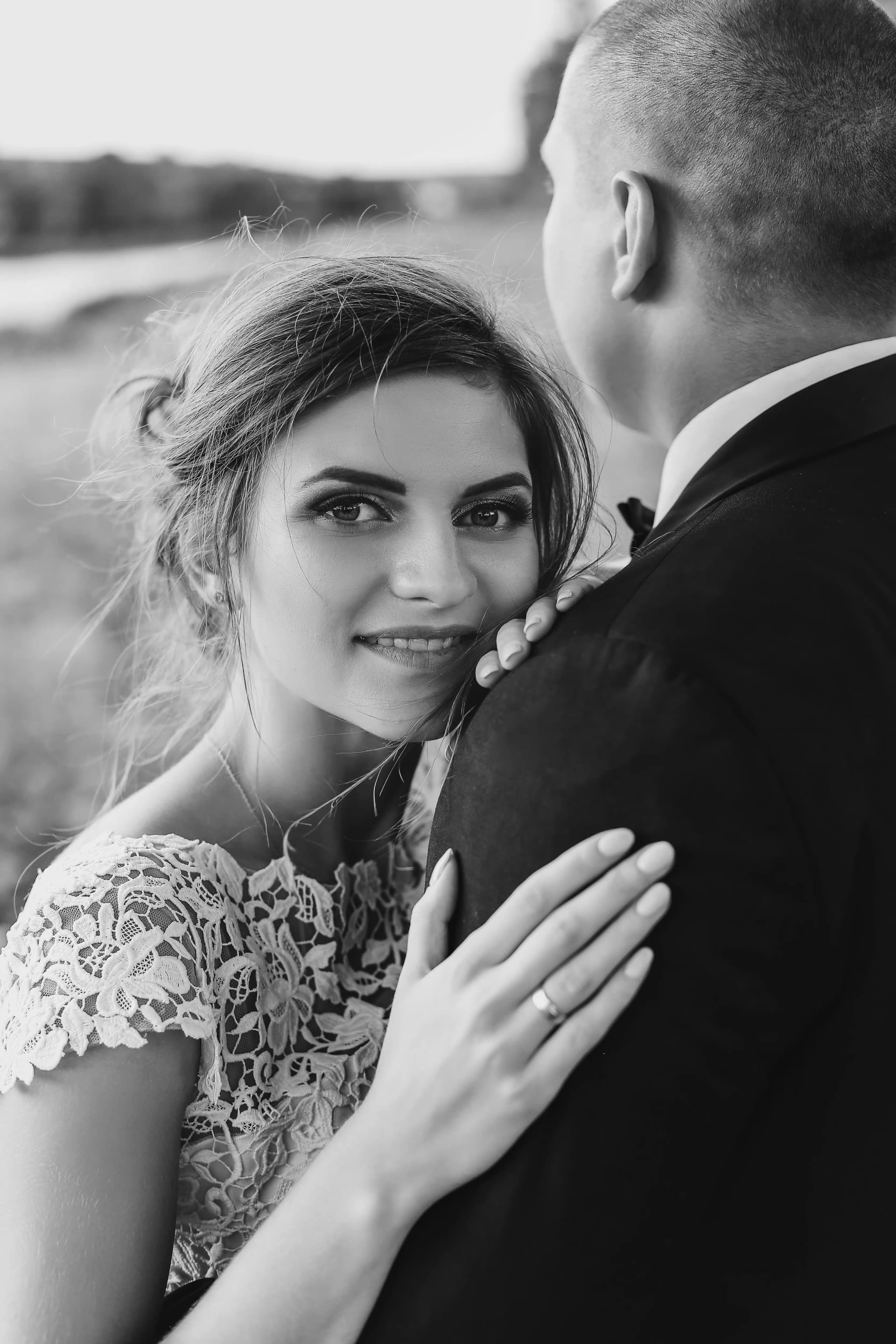
Rooftop Wedding Venues in London: Sky High Romance
By Yana Skakun·15 May 2026·6 min read
There is a particular kind of photograph that only exists in London: the couple silhouetted against a skyline that everyone in the world recognises, the Shard or St Paul's dome catching the last of the light behind them, the city glittering into evening beneath their feet. Rooftop venues give couples something that no country house or barn wedding ever quite manages — a backdrop that says, unmistakably, this happened in London, on this exact evening, at this exact height above the city. I have photographed weddings and engagement sessions at rooftop venues across the capital, and they remain some of the most visually rewarding days I work — and also some of the days that reward the most careful planning, because height, wind, and light all behave differently up there than they do at ground level.
Choosing the Right Rooftop for Your Day
Rooftop venues in London fall into a few distinct categories, and each suits a different kind of wedding. Hotel rooftop bars — the kind found at properties along the Strand, in Shoreditch, and around the City — tend to offer polished, contemporary spaces with reliable indoor fallback if the weather turns, and they work well for receptions of moderate size where the view is one feature among several rather than the entire point of the evening. Restaurant rooftops, often set on the tenth or twelfth floor of newer buildings around Southwark and the City fringe, tend to have more intimate terraces attached to a dining room, which suits smaller wedding breakfasts or drinks receptions before couples move elsewhere for the main celebration.
Then there are the genuine sky-bars and observation-style venues — the ones thirty or forty storeys up, with 360-degree views across the whole city rather than a view in one direction. These are dramatic but come with real practical constraints: strict capacity limits, security and lift logistics for large guest numbers, and often a narrower window of exclusive access before the venue reopens to the public. And finally there is the more relaxed end of the spectrum — East London rooftop bars with a looser, more informal feel, views toward the Olympic Park or Canary Wharf rather than the postcard West End skyline, and a lower cost of entry that suits couples who want the rooftop atmosphere without the premium price tag of a City sky-bar.
When couples ask me which to choose, I generally ask what matters more: the specific landmarks in the background, or the general feeling of height and skyline. If you want St Paul's dome or the Shard recognisably in your photographs, venue and vantage point matter enormously and are worth visiting in person before booking. If you simply want the feeling of the city glittering beneath you, there is far more flexibility, and East London and South Bank venues often deliver that atmosphere at a friendlier price.
Timing the Light: Golden Hour, Blue Hour, and the Gap Between
Rooftop photography lives and dies by timing, more than almost any other wedding venue type. Midday sun on an open rooftop is unflattering and flat — it throws hard shadows under eyes and chins and bleaches out the subtlety in a skyline that looks so much better with some depth and colour in the sky behind it. The window that actually delivers the photographs couples picture when they book a rooftop venue is narrower than people expect: the last hour of proper daylight, through golden hour, and into the ten or fifteen minutes of blue hour immediately after sunset, when the sky holds a deep, saturated blue and the city's lights have just come on.
That blue hour window is genuinely short — often less than twenty minutes before the sky goes fully dark and loses the colour that makes rooftop photographs so striking. I plan the timeline of a rooftop wedding day around that window deliberately, working backwards from sunset to schedule speeches, first dance, or a dedicated portrait slot so that couples are actually available and photograph-ready at the moment the light is doing something extraordinary, rather than still finishing dinner while the best light of the evening passes by unused.
Because sunset time shifts by hours across the year, this planning looks completely different in June than in December. A June wedding might not see proper blue hour until gone nine at night, meaning the reception needs a natural pause built in around that time. A December rooftop wedding might hit golden hour at half past three in the afternoon, which suits an earlier ceremony and a longer, more lit-city evening afterwards. I always ask couples for their venue and date early specifically so I can calculate this window in advance and build it into the day's running order with the wedding planner or venue coordinator.
Wind, Weather, and Practical Realities of Height
Rooftops introduce a variable that ground-level venues simply don't have: wind. Even on a still day at street level, thirty or forty storeys up there is nearly always noticeable air movement, and it affects everything from veils and loose hair to table settings and any styled decor on an open terrace. I don't treat wind as a problem to eliminate — it is usually not eliminable — but as something to work with. A veil caught mid-movement, hair lifted by a gust at the right moment, can add genuine energy and drama to a photograph that a perfectly still, wind-free frame would lack. Where wind becomes a genuine practical issue is with very long veils, delicate florals, or anything that needs to sit precisely for a formal group shot; for those moments I work quickly and use natural windbreaks — a glass balustrade, a corner of the terrace, an internal doorway — to create a few seconds of calm.
Weather contingency matters more at rooftop venues than almost anywhere else, because so much of the appeal is the open-air view. Before any rooftop wedding I check with the venue exactly what the covered or indoor fallback looks like — whether there is a canopy over part of the terrace, whether the indoor bar or restaurant has floor-to-ceiling windows that still deliver a skyline view even if guests can't step outside, and what the realistic capacity is under cover if rain sets in during the key hour. Most established rooftop venues in London have a sensible answer to this, but it is worth confirming rather than assuming, particularly for venues that only recently opened their outdoor space.
Planning a rooftop wedding day
If you are considering a London rooftop venue, I am happy to talk through timings, light, and how your specific venue's view works across the seasons before you book your date.
Get in touch about your rooftop weddingPairing the Rooftop with Ground-Level London
Some of the most satisfying rooftop wedding galleries I have delivered combine the sky-high view with a shorter portrait session at street level, before or after the reception itself. A City rooftop pairs naturally with a walk along the Thames Embankment, across one of the bridges near St Paul's, or through the narrow lanes around the old City where the architecture is centuries older than the tower you have just come down from. A South Bank or Southwark rooftop suits portraits along the river path itself, with the City skyline as a distant backdrop rather than the immediate one. An East London rooftop near Hackney Wick or Victoria Park often benefits from a short session in the park itself, trading the skyline for greenery and quieter, warmer light.
The contrast between the two settings — sky and street, wide skyline and intimate lane — tends to make for a gallery that feels complete rather than one-note. It also gives couples options: the dramatic skyline shot for the wall art or album opener, and the quieter street-level portraits for the everyday, more personal images that sit alongside it. I usually suggest allowing thirty to forty-five minutes for this kind of combined session, timed so the ground-level portraits happen either as guests are arriving for drinks or during a natural lull before speeches, with the rooftop itself reserved for the golden hour and blue hour window.
How the Seasons Change a Rooftop Wedding
Summer rooftop weddings, roughly June through September, offer the longest daylight and the warmest, most extended golden hour, along with the highest likelihood of a clear, dry evening. This is when the sky-bar venues are busiest and booked furthest in advance, so early planning matters if you have a specific venue and month in mind. Spring and early autumn often deliver some of the clearest air of the year, which means sharper, more distinct skyline views in photographs, sometimes with a warmth to the light that high summer haze can actually soften.
Winter rooftop weddings have a different but genuine appeal. Sunset comes early, which suits an earlier ceremony and means guests experience the full lit-up night skyline for most of the evening rather than just the final hour. Cold, clear winter evenings often produce the crispest, most dramatic city-light photographs of the year, though they do require guests and the wedding party to be genuinely prepared for the cold at height, where wind chill is more noticeable than at street level. A hot drink station or a warm indoor space guests can step into between outdoor moments makes a meaningful difference to comfort without taking anything away from the photographs.
Practical Notes on Access, Numbers, and Logistics
Because most rooftop venues sit within working hotels, restaurants, or office towers, access is rarely as simple as walking straight in. Lifts have capacity limits that matter when sixty or eighty guests need to move up in a short window, and some venues require guest lists to be submitted in advance for building security. I always ask couples to find out early how guests will be brought up, whether there is a dedicated lift or entrance for the wedding party, and how long that process realistically takes, because it affects how tightly the rest of the day's timeline can run. It is also worth asking directly about maximum outdoor terrace capacity versus total venue capacity — some venues can host a large guest list indoors but only a fraction of that number on the terrace itself at any one time, which matters if the terrace and its view are a central part of why you chose the venue.
London's rooftops give couples a genuinely unrepeatable kind of wedding photograph, but they reward exactly the sort of planning that a country garden or a marquee simply doesn't demand — watching the light, respecting the wind, and building the day's timeline around a window that might last less than half an hour. When it comes together, though, there is nothing quite like it: the two of you against a skyline that took centuries to build, on one evening that belongs entirely to you. If you are weighing up a rooftop venue for your own wedding, or want a second opinion on timings and light for somewhere you already have in mind, get in touch and I would be glad to help you plan it properly.


Yana Skakun
Photographer · England
Professional wedding, family and portrait photographer based in England. Passionate about capturing authentic emotions and timeless moments.
About Yana →rooftop wedding LondonLondon skyline wedding venuerooftop ceremony Londonsky high wedding venue London
Photography Tips — Professional Photography in Cambridge & England
Yana Skakun is a professional photographer based in Cambridge, specialising in wedding, family, and portrait photography across England. Every session is personal — planned around your story, your people, and the moments that matter most. This guide — Rooftop Wedding Venues in London: Sky High Romance — is part of the photography journal: practical, experience-based advice drawn from real sessions across England. Whether you arrived searching for rooftop wedding london or london skyline wedding venue, the same care and attention shapes every session Yana photographs.
Professional Photography sessions are available year-round, with bookings open across Cambridge, Ely, Huntingdon, Peterborough, and further afield — East England, London, the Midlands, and beyond. If you have specific questions about rooftop ceremony london, mention it in your enquiry. Get in touch through the contact form above to check availability and discuss your session. Enquiries are welcomed from anywhere in the UK.
Frequently Asked Questions
What camera settings should I use for outdoor portraits?+
For outdoor portraits, shoot in aperture priority mode. Use a wide aperture (f/1.8–f/2.8) to blur the background and isolate your subject. Keep ISO as low as possible in good light. In bright conditions, use a neutral density filter or switch to manual to avoid overexposure at wide apertures.
What is the golden hour in photography?+
Golden hour is the period roughly 30–60 minutes after sunrise and before sunset. The sun is low in the sky, producing warm, soft, directional light that flatters skin tones and creates beautiful long shadows. It's widely considered the best natural light for portrait and outdoor photography.
How do you get sharp photos in low light?+
In low light, increase your ISO (accepting some grain), use the widest aperture your lens allows, and slow your shutter speed to the slowest you can hand-hold without camera shake (roughly 1/focal length as a guide). Use image stabilisation if available, and consider a tripod for static subjects.
What is the rule of thirds in photography?+
The rule of thirds divides the frame into a 3×3 grid. Placing your subject on one of the four intersection points — rather than dead centre — creates a more dynamic, visually interesting composition. It's a guideline, not a rule: some of the most powerful images break it deliberately.
How do you edit photos to look professional?+
Professional editing starts with shooting in RAW format. In Lightroom or similar software, correct exposure, white balance, and contrast first. Recover shadow and highlight detail. Apply gentle colour grading for mood. Be conservative with skin retouching — the goal is natural enhancement, not transformation. Consistency across a set of images is what separates professional from amateur editing.
Continue Reading
Related Articles

Photography Tips
Photography Gift Vouchers: The Most Personal Present You Can Give
5 min read · Read Article
Photography Tips
Photo Books vs Photo Albums: What Is the Difference and Which Is Better?
5 min read · Read Article
Photography Tips
Photo Gift Ideas: Turning Professional Images into Meaningful Presents
5 min read · Read Article
Get in Touch
Ready to Book Your Session?
Get in touch to discuss your vision — I'll reply within 24 hours.