Yana Skakun

Singer-Songwriter Photography: Intimate Portraits for Independent Artists
By Yana Skakun·10 July 2026·8 min read
Singer-songwriters have a peculiar problem when it comes to promotional photography. A full band can lean on group dynamics, on-stage energy, and the visual shorthand of instruments and amps. A solo artist has only themselves, their voice, and whatever story their songs are telling — and the photography needs to communicate all of that with a single face, a single gaze, a single quiet moment. That is a much harder brief than it sounds, and it is why singer-songwriter photography tends to work best when it moves away from the generic “musician holding a guitar in a park” shot and towards something more considered, more intimate, and more specific to the artist in front of the camera.
I shoot promo and press photography for solo musicians alongside my work in wedding photography and personal branding, and the two disciplines overlap more than you might expect. Both are ultimately about photographing real emotion in real time rather than manufacturing a pose, and both depend on the subject feeling comfortable enough to stop performing for the camera and just exist in front of it.
Why Intimate Photography Suits Solo Artists
Singer-songwriter music is, almost by definition, personal. The songs tend to come from lived experience — a relationship, a loss, a place, a specific year of someone's life — and the audience's connection to that music is built on a sense of proximity to the artist's inner world. Photography that supports that connection needs to feel similarly close. A stadium-lit hero shot with dramatic side lighting and a wide stance can work brilliantly for a rock frontperson, but it tends to work against a singer-songwriter, because it introduces a theatricality that the music itself doesn't have.
What tends to work instead is photography that feels observed rather than staged: a hand resting on a guitar neck without playing, eyes closed mid-thought, natural light falling across a face at a window, the artist looking slightly away from the lens rather than straight into it. These images give a listener the sense of having been let into a private moment, which mirrors exactly what the songs themselves are doing. The intimacy is the brand, in other words — not an accessory to it.
This doesn't mean every image has to be moody or downbeat. Plenty of singer-songwriters write with humour, warmth, or defiance, and the photography should reflect that range. The point isn't a fixed aesthetic of sadness and soft light; it's a commitment to photographing the artist as a specific person rather than as a genre archetype.
What to Expect During a Session
A typical singer-songwriter session runs somewhere between ninety minutes and three hours, depending on how many locations or setups we're covering and how much of a full press kit is needed. I usually start with a conversation before any camera comes out — not a formal briefing, just talking about the music, what the next release is about, who the intended audience is, and whether there's a particular visual reference or mood the artist has in mind. This matters more for solo artists than for almost any other kind of session I shoot, because the images have to represent a body of work that only the artist truly understands.
From there, the session usually moves through a few different registers: some portraits with the instrument, some without it, some in motion (walking, tuning up, adjusting a strap), and some genuinely still. I find that alternating between directed moments and quiet, unprompted ones produces the best range of usable images, because the directed shots give you the confident, purposeful frames a press kit needs, while the quiet ones give you the emotionally honest frames that tend to get used for single covers and more personal content.
If the artist plays an instrument, I'll usually ask them to actually play for stretches of the session rather than just hold the instrument for the camera. Genuine playing produces genuine expressions — concentration, the small physical adjustments a musician makes without thinking about it, a moment of connection with the instrument that is very hard to fake convincingly. Those unguarded expressions are almost always the standout images from the set.
Preparing for Your Session
The single most useful thing an artist can bring to a session is clarity about what the images are for. A single release, an album campaign, a Spotify artist profile refresh, a press kit for venue bookings, and a general brand refresh are all slightly different briefs, even though they all involve the same person in front of the same camera. Knowing the destination helps shape everything from wardrobe to location to the ratio of close portraits versus wider environmental shots.
On wardrobe, I generally advise bringing two or three options rather than committing to one outfit in advance, because lighting and location can change what reads well on camera. Textured fabrics, layers, and pieces with some history to them (a well-worn jacket, a specific piece of jewellery that means something) tend to photograph with more character than anything too new or too styled. Avoid busy patterns and anything with visible logos, which date images and distract from the face. If there is a visual identity already established for the artist — a colour palette from album art, a particular era or influence the music draws on — it is worth mentioning before the session so it can inform choices without being forced.
It also helps enormously to bring the instrument in its actual gigging condition rather than freshly cleaned and pristine, if that is relevant. A guitar with stickers, a worn finish, or visible signs of use tells a more honest story than one that looks untouched, and for singer-songwriter photography specifically, honesty is usually the thing that makes an image land.
Building a full press kit in one session
Most artists need more than one image out of a session — a single cover, a wide environmental shot for a press release, a square crop for streaming platforms, and a few close portraits for interviews and features. I plan sessions with that variety in mind from the start, so you leave with a genuinely usable set rather than fifty versions of the same frame. If you're working towards a release date or venue booking deadline, it's worth booking a few weeks ahead to allow time for editing and delivery.
Get in touchChoosing Locations That Support the Story
Location choice for singer-songwriter photography benefits from restraint. A cluttered or overly dramatic backdrop competes with the artist rather than supporting them, and because so much of this genre's visual language depends on intimacy, simpler settings usually outperform elaborate ones. Some of the strongest sessions I've shot have used nothing more than a quiet room with good window light, a doorway, or a patch of overgrown garden.
That said, location can also do real narrative work when it's chosen deliberately rather than defaulted to. A kitchen table for an artist whose songs are about home and family. A stretch of open fenland for an artist whose music has a wide, unhurried quality to it. A studio or rehearsal space for an artist whose brand is built around craft and process rather than mood. Cambridge and the surrounding countryside offer a genuinely useful range for this — historic interiors, open skies, quiet riverside paths, and characterful urban corners all within a short drive of each other — which is one of the reasons I enjoy shooting this kind of work locally as much as I do wedding photography across the same area.
I usually recommend one primary location and, time allowing, a second contrasting one, rather than trying to cover four or five different settings in a single session. Moving between too many locations eats into shooting time and tends to produce a scattered set of images rather than a coherent visual story.
Working with Light for a More Personal Feel
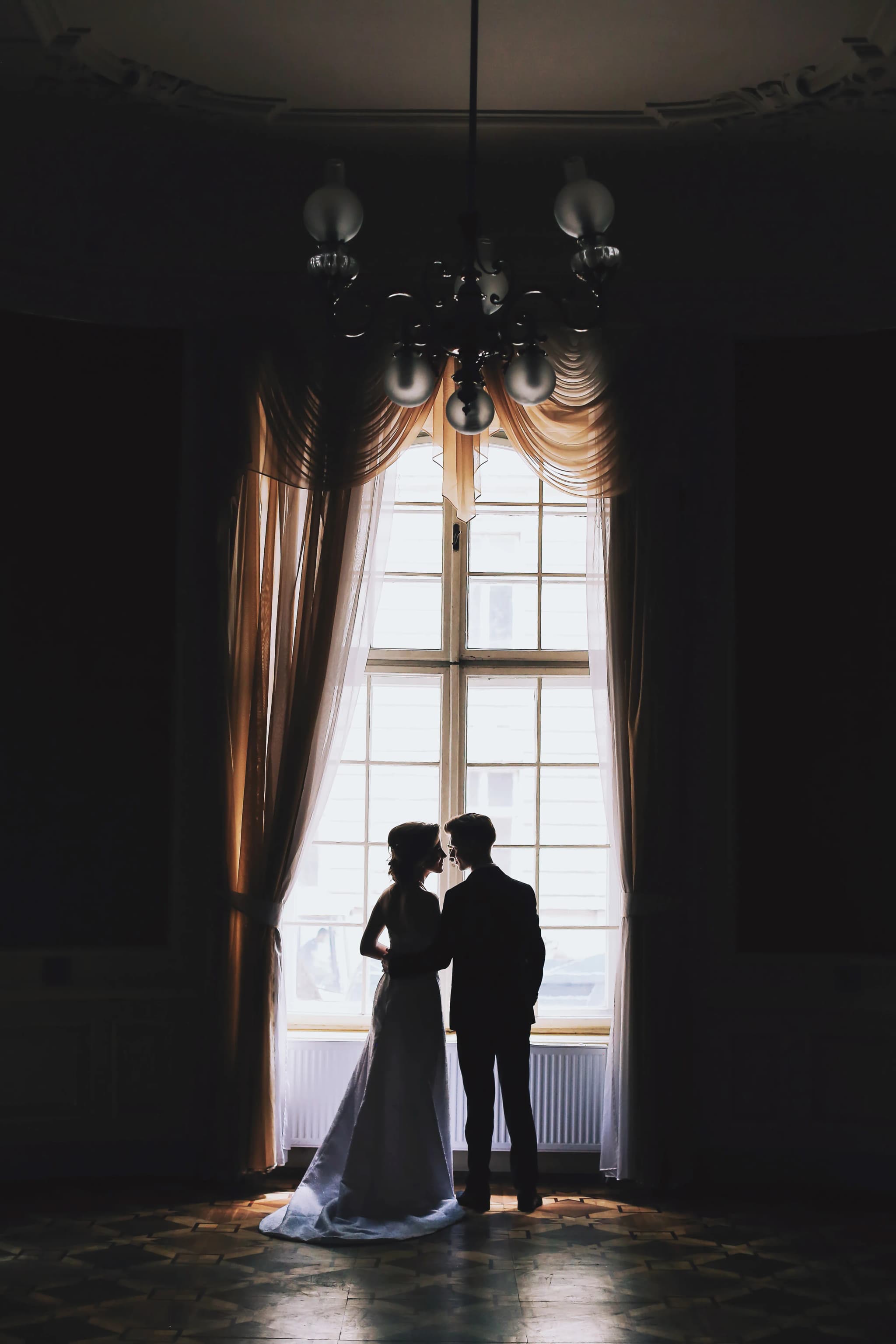
Natural light, particularly soft directional light through a window or under open shade outdoors, is generally the most flattering and the most emotionally honest option for this kind of portraiture. It avoids the polished, slightly synthetic look that heavy studio lighting can introduce, which matters for a genre where authenticity is part of the appeal. I do use off-camera flash and reflectors where a session calls for it — an evening shoot, a darker interior, or a specific dramatic look the artist wants — but even then I aim for lighting that reads as motivated by the scene rather than obviously constructed.
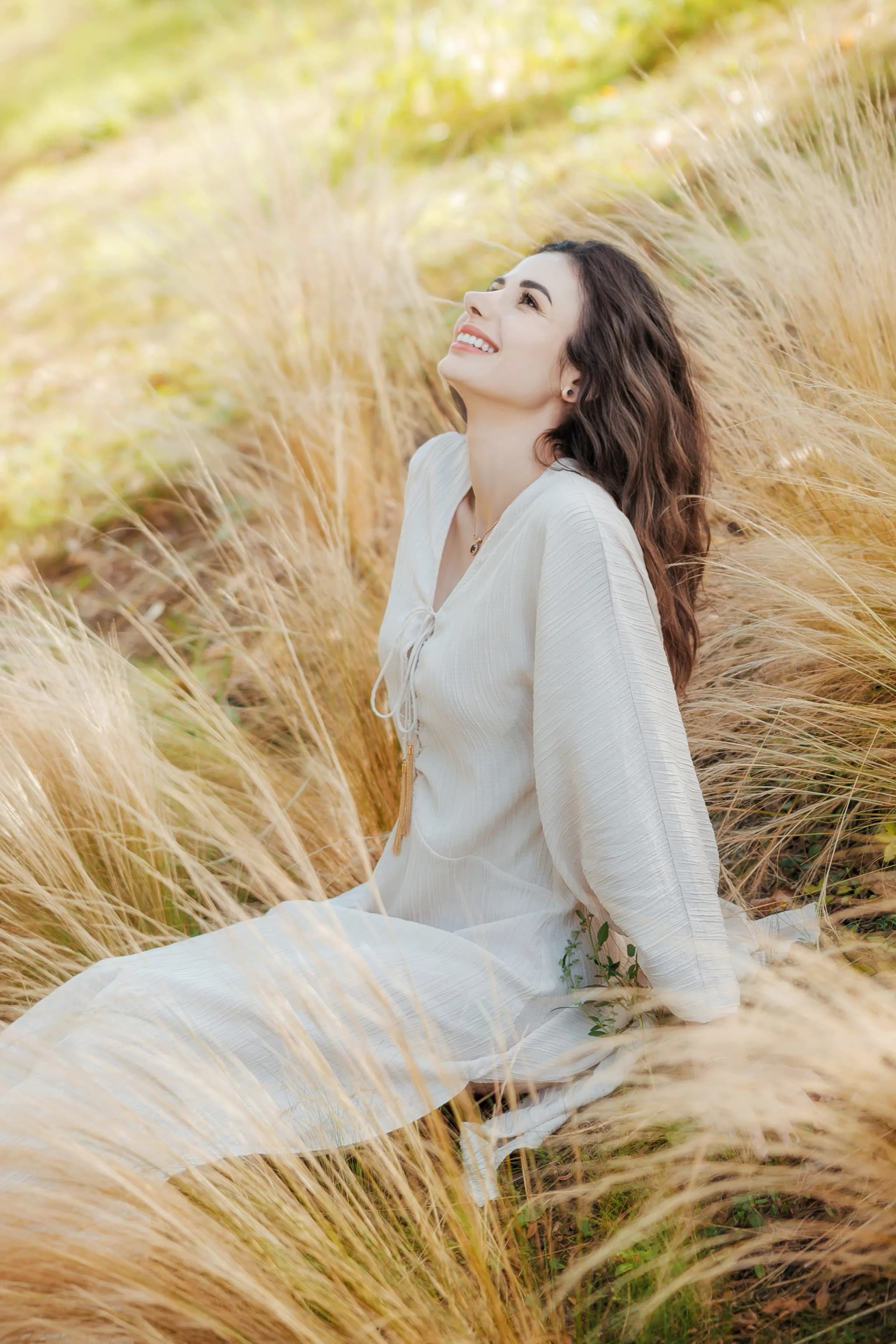
Golden hour, the hour or so before sunset, is a genuinely useful tool here because the low, warm light does a lot of the emotional work on its own. But I'd push back gently on the assumption that every singer-songwriter session needs to be shot at golden hour. Overcast days produce beautifully even, soft light that suits close, contemplative portraits extremely well, and some of my favourite sessions have happened on grey afternoons that a less experienced eye might have written off as bad shooting conditions.
Getting Comfortable in Front of the Camera
Almost every solo artist I've photographed has told me, at some point before the session, that they are far more comfortable performing on stage than being photographed. That makes sense — performing gives you a role to inhabit and an audience to respond to, whereas a photo session can feel exposing in a completely different way. The best antidote I've found is to give the artist something to actually do rather than asking them to simply stand and look natural, which is a nearly impossible instruction to follow convincingly.
Playing the instrument, writing in a notebook, walking somewhere with a purpose, talking to me about the record between frames — all of these give the body something genuine to be occupied with, and the resulting images read as far more authentic than anything achieved by direct posing. If nerves are a real concern, it also helps to shoot the first few minutes of a session somewhere low-stakes, before moving to the setups that matter most, simply so the artist has time to settle before the images that will actually be used are taken.
Frequently Asked Questions
Do I need professional hair and makeup? It depends entirely on the intended use and the artist's own aesthetic. Some singer-songwriter branding leans into a deliberately undone, natural look, in which case minimal or no makeup is exactly right. For a more polished campaign, professional hair and makeup can be worth the investment, but it is never a requirement, and I've shot plenty of strong, widely used press images with no styling team involved at all.
Can we include band members or collaborators even though I perform solo? Absolutely, and it's worth planning for in advance so we allocate time for both individual and group images within the same session.
How many final images should I expect? This varies with session length, but a half-day session typically yields a well-edited set of twenty-five to forty images, covering the different crops, orientations, and moods a press kit and streaming presence require.
Do you also shoot live performances? Live and studio-style promo photography are genuinely different skills, and I focus my musician work on the planned, portrait-led side of things rather than pit photography at gigs, so we can talk through what best suits your release if live coverage is something you also need.
Good singer-songwriter photography doesn't try to compete with the music — it tries to sit alongside it, telling a compatible, honest visual story that makes a listener feel like they already know something about the person behind the songs before they've heard a note. If that's the kind of photography you're looking for, take a look at more of my work on the about page, and get in touch to talk through your session. I'm based in Cambridge and shoot musician and portrait sessions across the UK.

Yana Skakun
Photographer · England
Professional wedding, family and portrait photographer based in England. Passionate about capturing authentic emotions and timeless moments.
About Yana →singer songwriter photographymusician promo photosartist press kit photographyacoustic musician portraitsindependent artist brandingCambridge music photographer
Photography Tips — Professional Photography in Cambridge & England
Yana Skakun is a professional photographer based in Cambridge, specialising in wedding, family, and portrait photography across England. Every session is personal — planned around your story, your people, and the moments that matter most. This guide — Singer-Songwriter Photography: Intimate Portraits for Independent Artists — is part of the photography journal: practical, experience-based advice drawn from real sessions across England. Whether you arrived searching for singer songwriter photography or musician promo photos, the same care and attention shapes every session Yana photographs.
Professional Photography sessions are available year-round, with bookings open across Cambridge, Ely, Huntingdon, Peterborough, and further afield — East England, London, the Midlands, and beyond. If you have specific questions about artist press kit photography, mention it in your enquiry. Get in touch through the contact form above to check availability and discuss your session. Enquiries are welcomed from anywhere in the UK.
Frequently Asked Questions
What camera settings should I use for outdoor portraits?+
For outdoor portraits, shoot in aperture priority mode. Use a wide aperture (f/1.8–f/2.8) to blur the background and isolate your subject. Keep ISO as low as possible in good light. In bright conditions, use a neutral density filter or switch to manual to avoid overexposure at wide apertures.
What is the golden hour in photography?+
Golden hour is the period roughly 30–60 minutes after sunrise and before sunset. The sun is low in the sky, producing warm, soft, directional light that flatters skin tones and creates beautiful long shadows. It's widely considered the best natural light for portrait and outdoor photography.
How do you get sharp photos in low light?+
In low light, increase your ISO (accepting some grain), use the widest aperture your lens allows, and slow your shutter speed to the slowest you can hand-hold without camera shake (roughly 1/focal length as a guide). Use image stabilisation if available, and consider a tripod for static subjects.
What is the rule of thirds in photography?+
The rule of thirds divides the frame into a 3×3 grid. Placing your subject on one of the four intersection points — rather than dead centre — creates a more dynamic, visually interesting composition. It's a guideline, not a rule: some of the most powerful images break it deliberately.
How do you edit photos to look professional?+
Professional editing starts with shooting in RAW format. In Lightroom or similar software, correct exposure, white balance, and contrast first. Recover shadow and highlight detail. Apply gentle colour grading for mood. Be conservative with skin retouching — the goal is natural enhancement, not transformation. Consistency across a set of images is what separates professional from amateur editing.
Continue Reading
Related Articles

Photography Tips
Photography Gift Vouchers: The Most Personal Present You Can Give
5 min read · Read Article
Photography Tips
Photo Books vs Photo Albums: What Is the Difference and Which Is Better?
5 min read · Read Article
Photography Tips
Photo Gift Ideas: Turning Professional Images into Meaningful Presents
5 min read · Read Article
Get in Touch
Ready to Book Your Session?
Get in touch to discuss your vision — I'll reply within 24 hours.