Yana Skakun
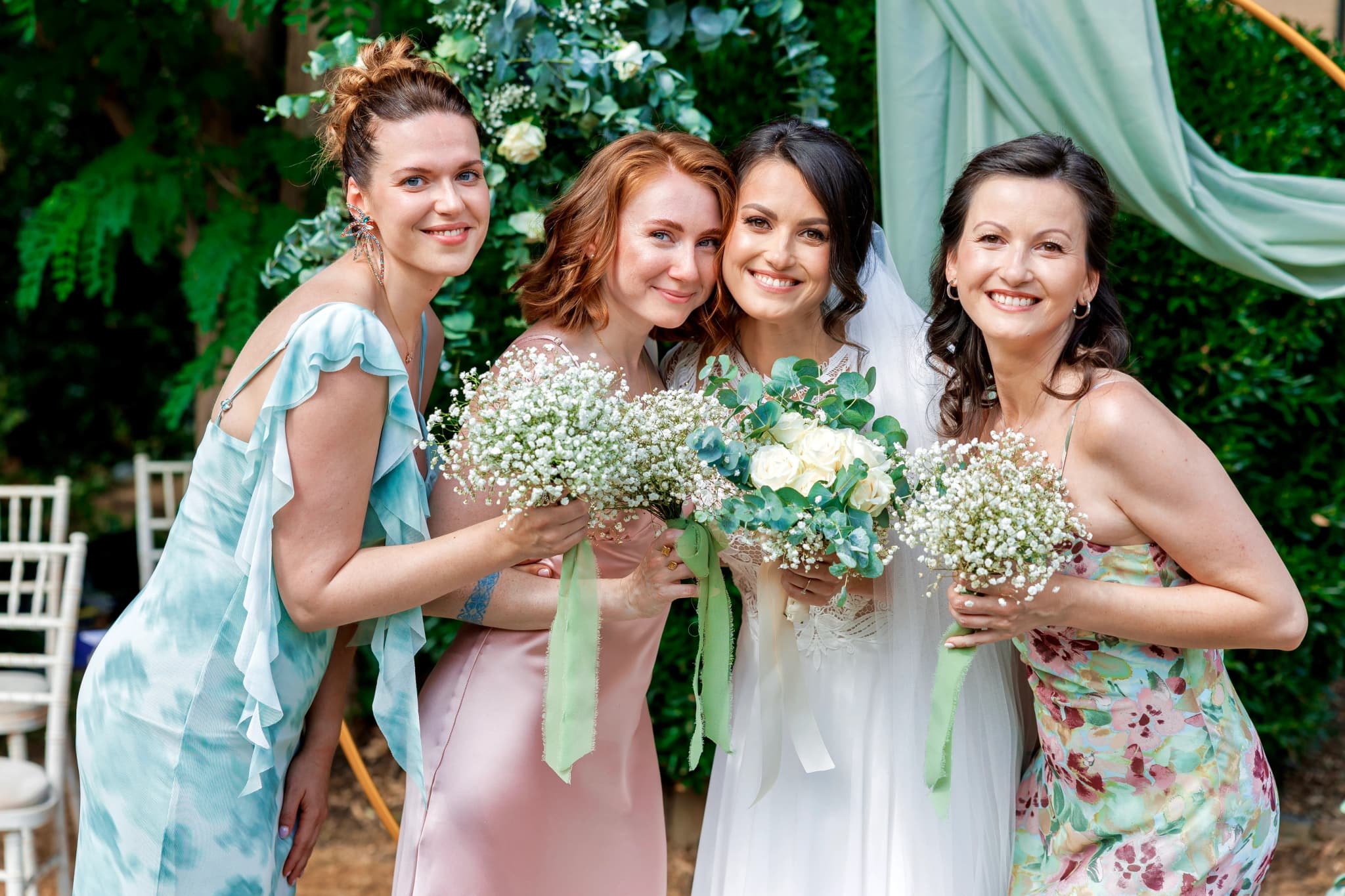
Why professional photography is worth the investment
By Yana Skakun·20 July 2026·6 min read
There is a question I hear often, usually phrased apologetically, as though the person asking already suspects the answer but wants to be sure: "With phone cameras being so good now, is a professional photographer really worth it?" It is a completely reasonable thing to wonder. Smartphone photography has genuinely improved. And yet, every week I see couples at Cambridge colleges, families in the Cotswolds, and newly engaged pairs beside the river who are glad they did not leave their most significant moments to an app. The difference between a professional photograph and a very good phone snapshot is not always obvious on a four-inch screen. It becomes obvious when you print it, when you look at it ten years later, or simply when you want to feel something each time you glance at it on the wall.
The Gap Between a Good Camera and a Good Photographer
The most common misconception in photography is that equipment is the deciding factor. It is not. Equipment matters, but it is a distant third behind skill and vision. A professional photographer spends years learning how light behaves at different times of day, how it wraps around a face, how a single repositioning of a subject by three feet can transform a flat, harsh image into something warm and dimensional. That knowledge exists in the hands and the eyes long before it gets anywhere near a camera.
Modern phone cameras are remarkable at computational photography: they merge multiple exposures, apply portrait modes, and produce technically acceptable results in a wide range of conditions. What they cannot do is see. They cannot recognise that the light through the tall windows of Ely Cathedral at three in the afternoon is doing something extraordinary and that moving two feet to the left will use it rather than fight it. I always arrive at a venue before my clients for exactly this reason — to read the light before I am directing anyone through it.
Professional camera systems also offer something phones simply cannot match in physically demanding conditions: full-frame sensors that gather light from a large surface area, fast prime lenses that open wide in low light without introducing noise, and the mechanical precision to freeze motion at a hundredth of a second without blur. At an evening reception in a candle-lit barn in Suffolk, the difference is not subtle.
Direction and Presence: The Human Element
Almost nobody looks naturally comfortable in front of a camera. Even people who appear completely at ease in photographs have usually been gently guided there by a photographer who knows how to dissolve self-consciousness. This is a skill that takes far longer to develop than any technical competency, and it is the thing that separates a portrait you love from one that you find merely tolerable.
In my experience, the first ten minutes of any portrait session are the hardest. People are aware of being watched, aware of the lens, and slightly unsure what to do with their hands. A good photographer has a repertoire of techniques for moving through that initial stiffness — conversation, movement, small tasks that give the subject something to do — until the real person begins to emerge. By the time we reach the images a client will want on their wall, they are usually surprised to find they forgot we were shooting.
For weddings, this is even more important. There are moments — the first look, the moment during the vows when someone's composure starts to break — that happen once and briefly. Anticipating them, being in position before they arrive, and having the presence of mind to capture rather than intrude is not instinct. It is trained attention. A guest with a phone, however well-intentioned, is rarely in position, rarely pre-focused, and often visible in the professional images at exactly the wrong moment.
Consistency Across Every Condition
One of the things clients notice when they receive their gallery is not just the quality of individual photographs but the consistency across all of them. A professional edit brings coherence of tone, colour, and mood to images shot across very different conditions — bright outdoor light in the afternoon, soft window light in the morning, a flash-lit dance floor at night. The images read as a set. They tell a story with a visual language that is consistent throughout.
Phone photography does not produce this. The automatic processing that makes phone cameras so convenient also makes them variable. Different scenes trigger different processing profiles, different white balance readings, different sharpening algorithms. A collection of phone images from a single event will often feel inconsistent in ways that are hard to articulate but immediately noticeable when placed side by side.
When I edit a wedding gallery, I am not simply applying a filter. I am making decisions about each image — which moments deserve a tighter crop, where the skin tones need warming, which images benefit from a slightly lifted shadow to open the faces — and I am making those decisions with the final printed product in mind, not the social media thumbnail. That editorial process, applied consistently across several hundred images, is itself a significant part of what you are commissioning.
A note on what you actually receive
A professional photographer does not deliver every frame taken. A full-day wedding involves several thousand exposures. What you receive is a curated gallery of the strongest two to three hundred — the moments with emotional weight, the portraits where the light and expression aligned, the details that capture the atmosphere of the day. Curation is itself a creative act, and it is one of the things that distinguishes a professional from someone simply pressing a button throughout the day.
Enquire about availability →Equipment Redundancy and Professional Insurance
This is a practical argument rather than a creative one, but it matters considerably. A professional photographer arrives at every job with two camera bodies, multiple lenses covering every focal length they might need, spare batteries, multiple memory cards, and usually at least one portable lighting system. If a card corrupts, there is a backup. If a camera body fails, there is a second one around their neck. The job gets done.
Beyond equipment, a professional carries public liability insurance and, importantly, professional indemnity insurance. If something goes wrong — if images are lost, if a piece of equipment causes damage — there is cover. This is not a hypothetical concern. I know of cases where a friend photographing a wedding on their phone dropped it into a river during the reception. There is no recourse. With a professional, there is always recourse.
Many UK wedding venues, particularly the historic houses and manor hotels across East Anglia and the Home Counties, now require photographers to show proof of public liability cover before allowing access. A professional has this as a matter of course. A well-meaning friend or family member, however talented, typically does not.
The True Cost of Not Having Professional Photographs
The cost of professional photography is visible at the time of booking. The cost of not having it only becomes visible later, and by then it cannot be fixed. A wedding happens once. A newborn session needs to happen within the first two weeks of a baby's life, when certain poses and expressions are still possible. A family portrait with four generations present requires that all four generations be alive and together, which may not happen again. These are moments with narrow windows, and photography is how you hold them.
I have heard, more than once, from people who spent years regretting the photographs from their own wedding — a well-meaning relative had offered to photograph it as a gift, and the results were what you would expect. The light was wrong, the moments were missed, the editing was inconsistent. There were good snapshots, but no photographs in the sense that matters. By the time they realised this, there was nothing to be done. The day had passed.
Across Cambridge and the surrounding counties — at venues like Ely Cathedral, Fitzwilliam College, Chilford Hall, and the many beautiful barns and country houses in between — I see couples making careful choices about every element of their day. The flowers, the food, the music. Professional photography is the only element that produces something you will still have and still value in fifty years. It deserves to be treated accordingly.
What to Look For When Choosing a Photographer
When you are evaluating professional photographers, the most important thing is not the equipment list on their website or the number of awards they cite. It is the consistency of their portfolio across full galleries, not just the curated highlights reel. Ask to see a complete wedding gallery from an overcast day in November as well as the beautiful summer wedding in golden hour. The measure of a professional is what they produce when conditions are not ideal.
Consider also whether their photographic style matches what you actually want to live with. Heavily edited, high-contrast imagery can look dramatic in a portfolio but dated in five years. Timeless, naturally lit photography tends to age better and feel more personal. Ask yourself whether the images feel like documents of real moments or styled productions.
Finally, pay attention to how a photographer communicates before you book. Do they ask you questions? Do they seem genuinely interested in understanding what matters to you about the day? The working relationship you build before the event directly affects the photographs you get from it. I spend time with every couple before their wedding — understanding the timeline, walking the venue, learning what they are anxious about and what they most want captured — because that preparation is what allows the day itself to feel relaxed and the images to reflect that.
Professional photography is not a luxury add-on. It is a considered investment in the only lasting record of moments that define your life. The question is not whether it is worth it in the abstract — it almost always is — but whether the specific photographer you choose has the skill, the experience, and the approach to do those moments justice. When you find someone whose work genuinely moves you, whose communication makes you feel understood, and whose experience reassures you that the day is in capable hands, the investment becomes straightforward.
View pricing
Transparent, straightforward pricing across all session types. No hidden fees, no awkward upselling. Take a look at what's included.
View Pricing →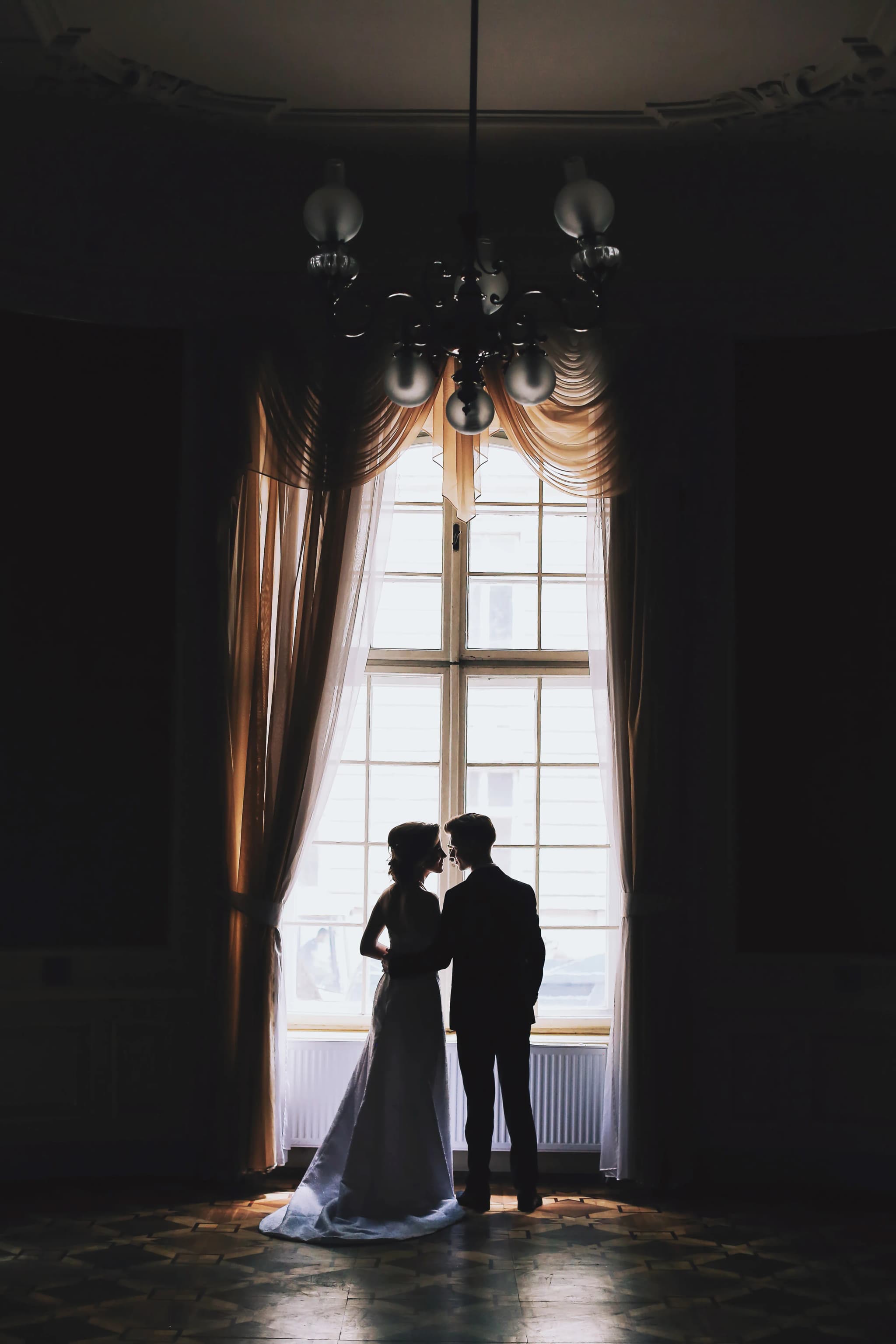

Yana Skakun
Photographer · England
Professional wedding, family and portrait photographer based in England. Passionate about capturing authentic emotions and timeless moments.
About Yana →professional photographer worth it UKwhy hire professional photographer Englandvalue of professional photographyphotography investment UK
Photography Tips — Professional Photography in Cambridge & England
Yana Skakun is a professional photographer based in Cambridge, specialising in wedding, family, and portrait photography across England. Every session is personal — planned around your story, your people, and the moments that matter most. This guide — Why professional photography is worth the investment — is part of the photography journal: practical, experience-based advice drawn from real sessions across England. Whether you arrived searching for professional photographer worth it uk or why hire professional photographer england, the same care and attention shapes every session Yana photographs.
Professional Photography sessions are available year-round, with bookings open across Cambridge, Ely, Huntingdon, Peterborough, and further afield — East England, London, the Midlands, and beyond. If you have specific questions about value of professional photography, mention it in your enquiry. Get in touch through the contact form above to check availability and discuss your session. Enquiries are welcomed from anywhere in the UK.
Frequently Asked Questions
What camera settings should I use for outdoor portraits?+
For outdoor portraits, shoot in aperture priority mode. Use a wide aperture (f/1.8–f/2.8) to blur the background and isolate your subject. Keep ISO as low as possible in good light. In bright conditions, use a neutral density filter or switch to manual to avoid overexposure at wide apertures.
What is the golden hour in photography?+
Golden hour is the period roughly 30–60 minutes after sunrise and before sunset. The sun is low in the sky, producing warm, soft, directional light that flatters skin tones and creates beautiful long shadows. It's widely considered the best natural light for portrait and outdoor photography.
How do you get sharp photos in low light?+
In low light, increase your ISO (accepting some grain), use the widest aperture your lens allows, and slow your shutter speed to the slowest you can hand-hold without camera shake (roughly 1/focal length as a guide). Use image stabilisation if available, and consider a tripod for static subjects.
What is the rule of thirds in photography?+
The rule of thirds divides the frame into a 3×3 grid. Placing your subject on one of the four intersection points — rather than dead centre — creates a more dynamic, visually interesting composition. It's a guideline, not a rule: some of the most powerful images break it deliberately.
How do you edit photos to look professional?+
Professional editing starts with shooting in RAW format. In Lightroom or similar software, correct exposure, white balance, and contrast first. Recover shadow and highlight detail. Apply gentle colour grading for mood. Be conservative with skin retouching — the goal is natural enhancement, not transformation. Consistency across a set of images is what separates professional from amateur editing.
Continue Reading
Related Articles

Photography Tips
Photography Gift Vouchers: The Most Personal Present You Can Give
5 min read · Read Article
Photography Tips
Photo Books vs Photo Albums: What Is the Difference and Which Is Better?
5 min read · Read Article
Photography Tips
Photo Gift Ideas: Turning Professional Images into Meaningful Presents
5 min read · Read Article
Get in Touch
Ready to Book Your Session?
Get in touch to discuss your vision — I'll reply within 24 hours.