The Short Answer
To elope in the UK, give notice of marriage at your local register office at least 29 days in advance, then marry with an authorised officiant and two witnesses present. Handle the legal ceremony at a register office or a licensed venue, then celebrate wherever feels right to you — a quiet coastline, a Lake District fell, or a favourite city street. It is simpler than most couples expect, and far more intimate than a big wedding.
Step One: Give Notice of Marriage
Before you can legally marry, both of you must give notice of marriage in person at the register office for your local district. You usually need to have lived in that district for at least seven days first. Notice must be given at least 29 days before the ceremony, and once given it is valid for 12 months, so there is no rush to marry immediately. Bring proof of identity, address and, if relevant, proof of nationality or previous divorce. Staff will confirm exactly what they need when you book your appointment.
You Still Need Two Witnesses
Every legal marriage in the UK requires two witnesses who watch you sign and can confirm the marriage took place. For an elopement this often feels like the only sticking point — but it is easily solved. You can bring two close friends or family members, or, if it is truly just the two of you, your registrar or celebrant can often help arrange witnesses. Some couples ask their photographer or a member of venue staff to step in. It does not change how private the day feels.
Choosing Where to Hold the Legal Ceremony
The legally binding part of your marriage must happen at a register office or at a venue that holds a marriage licence, with an authorised officiant present. That can be a register office room, a licensed barn, a hotel, or a registered place of worship. Outdoor ceremony rules have relaxed in England and Wales, so licensed venues can now hold the legal vows in their approved grounds — but the spot still has to be licensed. Once the paperwork is done, you are free to celebrate absolutely anywhere.
Celebrate Anywhere You Like
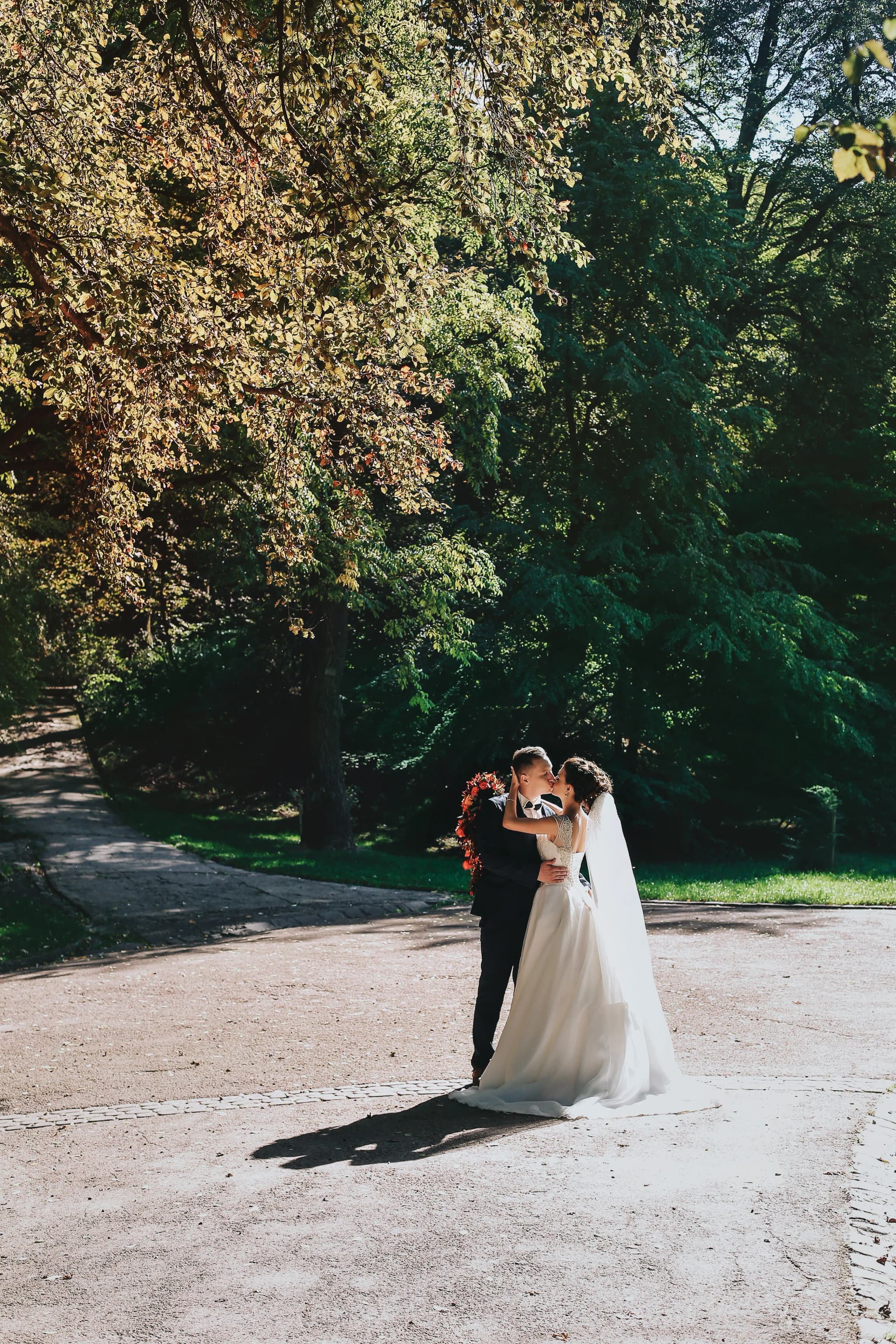
This is the joy of eloping: after the legal formalities, the rest of the day is entirely yours. Couples I photograph have read personal vows on a Cornish clifftop, toasted with a flask of tea in the Cambridgeshire countryside, walked through Cambridge at golden hour, or driven up to a remote Scottish glen. You can keep it to just the two of you or invite a small handful of people. There are no rules about a meal, speeches or timings — only what matters to you.
What It Typically Costs
Eloping is usually far cheaper than a traditional wedding because you remove the big guest list, catering and large venue. You will pay statutory fees for giving notice and for the registrar or ceremony, which vary by council and are typically modest. Beyond that, costs depend on your choices — travel, somewhere to stay, a celebrant if you want a more personal ceremony, and a photographer to document it. Many couples redirect the budget they would have spent on a large reception into experiences and imagery instead.
Scotland and Northern Ireland Are a Little Different
The notice process described here applies to England and Wales. Scotland has long been popular for elopements because the rules can be more flexible — civil and religious or belief ceremonies can take place almost anywhere, and you submit notice forms to the local registrar rather than attending in person. Northern Ireland has its own marriage notice system too. Wherever in the UK you plan to marry, always confirm the current requirements directly with the relevant registration service before booking anything.
Why Document Your Elopement
When the day is small and quiet, photographs become the way you share it — with the people who could not be there, and with your future selves. As a documentary photographer based in Cambridge, I travel across the whole UK to capture elopements honestly: the nervous laughter before the vows, the walk afterwards, the unguarded quiet moments. There is no posing for hours and no crowd to manage, just the two of you and a record of exactly how it felt.