Yana Skakun

Best Country House Wedding Venues in South East England
By Yana Skakun·10 July 2026·8 min read
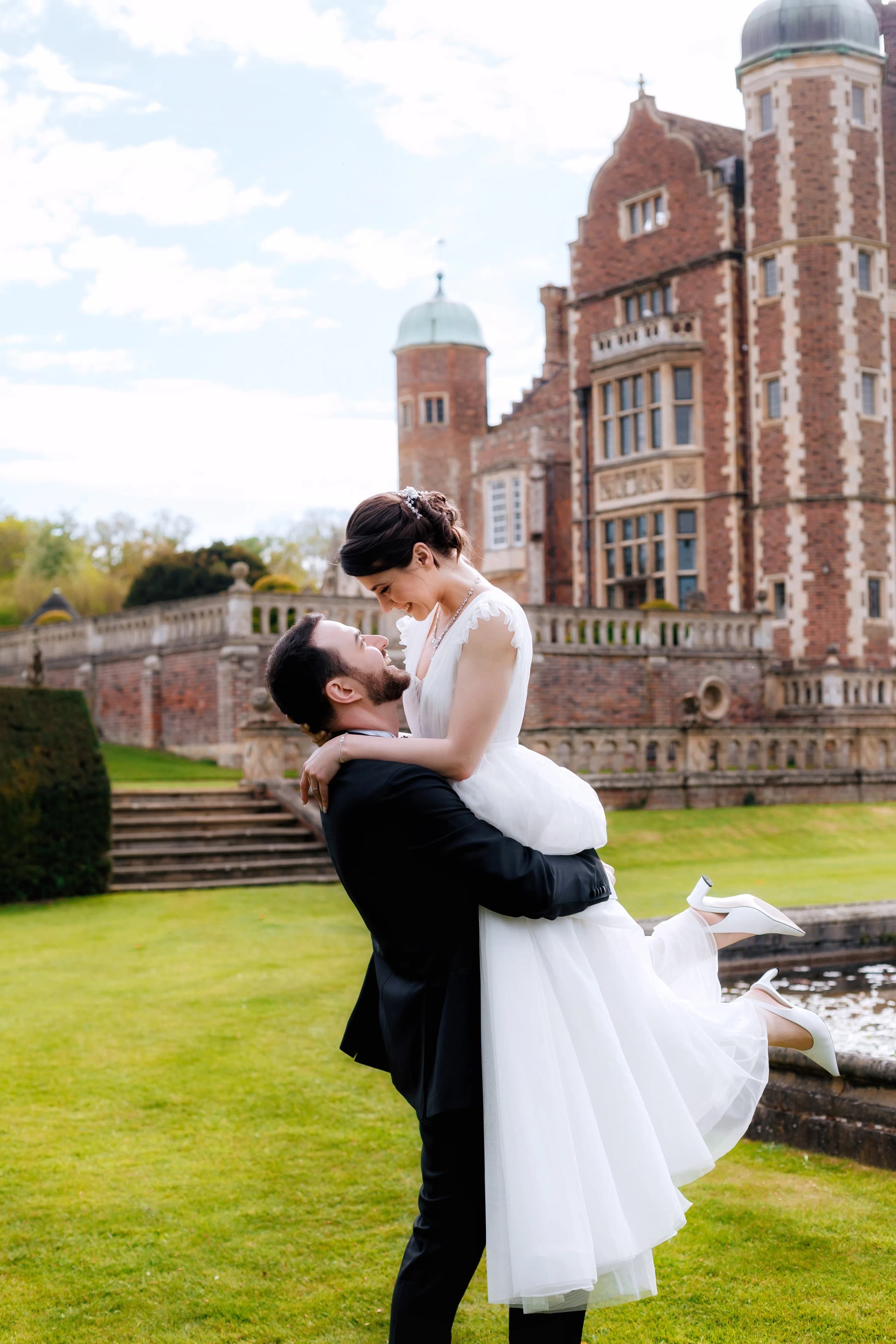
The South East has one of the richest concentrations of country house wedding venues anywhere in England. Within a couple of hours of London and Cambridge you can find Jacobean manors, Georgian estates, and moated medieval houses, most of them set in acres of parkland, walled gardens, or ancient woodland that photographs beautifully in every season. As a wedding photographer who works across this region regularly, I am asked constantly which country houses actually deliver on the promise of their brochure photos once you are standing there on the day with real light, real weather, and a real timeline to manage. This guide brings together some of the best country house wedding venues in the South East, with an honest photographer's perspective on what makes each one work.
Country house weddings tend to share a few qualities that make them a joy to photograph: generous grounds that give you somewhere to go for portraits away from the main party, a mix of formal and informal spaces so the day does not feel like it happens in a single room, and enough architectural character that the building itself becomes part of the story rather than just a backdrop. If you are choosing a venue and want it to serve your photographs well, look for exactly those three things alongside the practical questions of capacity and catering.
Hever Castle, Kent
Hever Castle is one of the most historically loaded venues in the country — the childhood home of Anne Boleyn, with a double moat, a Tudor village recreated by the Astor family, and an Italian garden that runs for a third of a mile. For photography, the combination of water, stone, and formal planting gives an enormous range of backdrops within a short walk, which matters enormously on a day when time is tight. I have written a full venue guide to weddings at Hever Castle covering the best light and locations there in more detail.
Great Fosters, Surrey
Great Fosters near Egham is a genuinely stunning Grade I listed Tudor manor with formal knot gardens, a moat walk, and interiors that include original tapestries and oak panelling. It sits close enough to London and Heathrow to be a realistic choice for couples with international guests, while still feeling entirely rural once you are inside the grounds. The gardens are the standout for photography — structured, mature, and varied enough that a first-look or couple portrait session there rarely repeats the same background twice. My Great Fosters wedding photography guide goes into the specific spots I return to.
Loseley Park, Surrey
Loseley Park, just outside Guildford, is an Elizabethan manor that has stayed in the same family since it was built in the 1560s, and that continuity shows in the character of the place. It has none of the polish of a purpose-run wedding venue and all of the charm of a house that is still genuinely lived in. The walled garden alone is worth the visit, and the surrounding parkland with grazing deer gives a sense of scale that larger, more formal estates sometimes lack. See my Loseley Park venue guide for a closer look at how the light works there through the day.
Penshurst Place, Kent
Penshurst Place is one of the best-preserved medieval manor houses in England, with a Baron's Hall dating to the fourteenth century and gardens that have been continuously cultivated since Tudor times. The scale here is impressive without feeling cold — the walled rose garden in particular is a favourite for confetti shots and couple portraits in summer. I cover the venue in detail in my Penshurst Place wedding photography guide.
Cliveden House, Berkshire
Cliveden sits above the Thames with formal parterre gardens designed in the grand Italianate style and views over the river valley that are hard to match anywhere else in the South East. It has a genuinely dramatic history, having been the setting for significant moments in twentieth-century political and social life, and that sense of occasion carries through into how a wedding there feels. The terrace overlooking the parterre is one of the finest formal photography settings I have worked with in the region, particularly in the soft light of early evening.
Ashridge House, Hertfordshire
Ashridge is a Gothic Revival mansion set within a vast estate that borders National Trust woodland, giving couples access to formal gardens immediately around the house and much wilder, more atmospheric woodland a short walk beyond it. The interiors are genuinely grand — a cathedral-like staircase hall and a chapel-style room that both photograph superbly in low light without needing much artificial lighting at all. My Ashridge House venue guide has more detail on timing a day here around the light.
The Vyne, Hampshire
The Vyne is a National Trust property near Basingstoke with a Tudor and Georgian core, an Ionic portico, and gardens that run down to a lake with a summerhouse at its edge. It has a quieter, less polished feel than some of the bigger commercial estate venues, which some couples actively prefer — there is a sense of history rather than staging. The lake and the walled garden both give strong, varied options for portraits, and I have written more on the specifics in my guide to weddings at The Vyne.
Choosing between country houses
If you are still deciding between two or three shortlisted venues, it is worth visiting at roughly the time of day your ceremony or reception will actually take place, not just during a daytime open house. Light behaves very differently at 4pm in October than it does at midday in June, and the venue that photographs best in one season may not be the strongest choice in another. I am always happy to talk through a shortlist with couples before they book, drawing on venues I have already photographed across the South East.
Get in touchWhat Makes a Country House Venue Work for Photography
Beyond the individual venues above, there are a handful of qualities I would encourage any couple to look for when weighing up a country house wedding. First, ask how much of the grounds are actually available to you for the day, rather than just visible from the windows — some estates restrict access to formal gardens during opening hours or reserve certain areas for other events running in parallel. Second, ask about a backup plan for rain that does not simply mean "move everything indoors and lose the atmosphere" — the best country houses have covered walkways, orangeries, or marquee options that keep some connection to the grounds even in bad weather. Third, think about how far the getting-ready rooms are from the ceremony space and the gardens, because long walks in wedding shoes eat into the time you actually have for portraits.
It is also worth asking whether the venue has exclusive use on your date, or whether other private tours, corporate events, or separate weddings might be running on the same grounds. Many of the National Trust and Historic Houses Association properties in this list operate as working heritage sites alongside their wedding hire, and knowing what else is happening on your day helps set realistic expectations for how private your portrait time in the gardens will actually feel.
Planning Your Day Around the Venue
Once a country house venue is booked, the single biggest factor in how the photographs turn out is how the timeline is built around it. Country houses reward a slightly later ceremony time where possible, because it pushes portraits and the drinks reception into the warmer, more flattering light of late afternoon rather than the flat light of midday. If you are set on a specific formal garden or an avenue of trees for your couple portraits, it is worth checking which direction it faces so we can plan for it to be in shade or in golden light, rather than harsh, unflattering overhead sun. I discuss timeline planning in more depth with every couple I work with, and you can see examples of how these days come together across a range of estates in my wedding portfolio.
For couples still comparing venues by region rather than by property, my guides to being a wedding photographer in Kent and a wedding photographer in Surrey cover the wider landscape of options in those counties, including smaller estates and barns alongside the grand country houses featured here.
Booking and Budgeting Realistically
Country house venues in the South East span a wide range of hire costs, and it is worth being honest with yourself early about where your priorities sit within your overall budget. A venue with exclusive use, in-house catering, and accommodation on site will typically command a premium over a venue that simply provides the space and expects you to bring in everything else. Neither approach is right or wrong — it depends on how much you want to manage yourselves versus hand over to a single point of contact. Whichever route you take, my wedding photography pricing page sets out how coverage is structured so you can plan the photography line of your budget alongside the venue hire with a clear picture of both.
It is also worth remembering that many of these country houses book eighteen months to two years ahead for peak summer Saturdays, particularly the better-known National Trust and Historic Houses Association properties. If a specific venue on this list has caught your eye, enquiring early is genuinely the difference between getting your preferred date and being offered a midweek alternative.
Every one of the venues above has its own character, and the right choice depends on the atmosphere you want for your day as much as on capacity or catering. As Yana Skakun Photography, I have photographed weddings across many of these South East country houses and I am always glad to share honest, specific advice on light, timing, and logistics for a venue you are considering. If you would like to talk through your shortlist or ask about availability, get in touch and I will help however I can.

Yana Skakun
Photographer · England
Professional wedding, family and portrait photographer based in England. Passionate about capturing authentic emotions and timeless moments.
About Yana →country house wedding venuesSouth East England wedding venuesKent country house weddingSurrey wedding venueshistoric wedding venue photographerestate wedding venues UK
Venue Guides — Wedding Photography in Cambridge & England
Yana Skakun photographs weddings across England, with particular expertise in regional venues and the distinct lighting and architectural challenges each space presents. Coverage areas include Cambridgeshire, East England, London, and the Midlands. This guide — Best Country House Wedding Venues in South East England — is part of the photography journal: practical, experience-based advice drawn from real sessions across England. Whether you arrived searching for country house wedding venues or south east england wedding venues, the same care and attention shapes every session Yana photographs.
Wedding Photography sessions are available year-round, with bookings open across Cambridge, Ely, Huntingdon, Peterborough, and further afield — East England, London, the Midlands, and beyond. If you have specific questions about kent country house wedding, mention it in your enquiry. Get in touch through the contact form above to check availability and discuss your session. Enquiries are welcomed from anywhere in the UK.
Frequently Asked Questions
What are the best wedding venues in Cambridgeshire?+
Cambridgeshire has excellent options across every budget and style. King's College Chapel and Trinity Hall offer iconic Cambridge settings. Anstey Hall and Ely Cathedral provide classic country house and cathedral drama. Granchester Meadows and various farm venues suit couples wanting a relaxed outdoor feel. The region's historic colleges, riverside venues, and country estates make it one of England's finest wedding destinations.
How do I find a hidden gem wedding venue?+
Look beyond the first page of Google results. Talk to your photographer and caterer — suppliers who work at venues regularly know which ones are genuinely beautiful to work in versus just well-photographed. Visit venues in person rather than relying on Instagram. Historic house venues, working farms, and privately-owned estates sometimes offer exceptional beauty without the premium price of established commercial venues.
What is the average cost of a wedding venue in England?+
Venue hire in England typically ranges from £2,000 to £15,000+ depending on region, exclusivity, catering arrangements, and guest numbers. London and the Home Counties tend to be at the higher end. East Anglia and the Midlands offer excellent venues at more accessible price points. Some venues quote a total minimum spend including catering, so always understand what's included.
Can you get married outside in England?+
Since 2022, couples in England and Wales can legally marry in a wider variety of outdoor settings, though regulations are still evolving. Many licensed venues now offer outdoor civil ceremonies. Check with your local Register Office for current rules and licensing requirements if you want a legal outdoor ceremony.
What is a dry hire wedding venue?+
A dry hire venue provides the space only — you arrange all your own suppliers (caterers, bar, furniture, decorations, entertainment). It gives maximum flexibility and can be more cost-effective than all-inclusive venues, but requires more coordination. Make sure you understand what's included: some 'dry hire' venues include tables and chairs, others are literally just a shell space.

Get in Touch
Ready to Book Your Session?
Get in touch to discuss your vision — I'll reply within 24 hours.