Yana Skakun
Professional headshots for Cambridge Science Park & tech professionals
By Yana Skakun·8 August 2026·5 min read
Cambridge has one of the highest concentrations of technology, life sciences, and research professionals anywhere in Europe. Within a few square miles you have the Science Park, the Biomedical Campus, ARM's headquarters, Frontier IP, and a dense cluster of spin-outs and start-ups that have grown out of the university's research departments. That concentration has created a distinctive kind of photography demand — people who need a genuinely good headshot but do not want it to look like the beige, over-lit corporate photography that dominated the 2000s. They want something that looks like them, on a good day, doing the work they actually do.
Cambridge's Distinctive Headshot Market
What makes Cambridge different from a generic UK city when it comes to professional photography is the sheer range of contexts a headshot needs to work in. A researcher at the MRC Laboratory of Molecular Biology needs a photograph that will sit comfortably next to a grant application and a conference programme. A founder at a Science Park start-up needs an image that works on a pitch deck, a company "About" page, and LinkedIn, often on the same day it's delivered. A postdoc moving between Cambridge University departments and a spin-out company needs a headshot flexible enough to serve both academic and commercial contexts without looking mismatched in either.
This is quite different from, say, headshot photography for a single large corporate client with one brand guideline and one use case. Cambridge's professional population is unusually mobile between academia, start-up culture, and established industry, and the headshots that work best here tend to be ones that don't commit too hard to any single visual convention. A photograph that looks convincingly professional without looking like it belongs exclusively in one context is, in my experience, the single most useful thing a Cambridge headshot can achieve.
I've photographed people across this entire spectrum — from early-stage founders working out of a single Science Park office, through university research groups needing consistent departmental photography, to established biomedical companies needing headshots for dozens of staff across multiple sites. The brief changes each time, but the underlying goal doesn't: a photograph that represents someone accurately and puts them at ease rather than one that performs professionalism at the expense of looking like an actual human being.
What Makes a Strong Tech or Research Headshot
The conventions for tech and research headshots have shifted noticeably over the last decade, and Cambridge tends to sit slightly ahead of the curve given how many of its companies are venture-backed and internationally facing. A few principles consistently produce headshots that people are actually pleased with rather than merely tolerate.
Approachability matters more than formality. A relaxed expression and open body language photographs better, and reads as more trustworthy, than a rigid, arms-crossed corporate pose. Clean, uncluttered backgrounds also matter enormously — a neutral backdrop or a softly blurred office or lab environment keeps attention on the face rather than pulling the eye toward a messy desk or a distracting window view. Natural light, wherever the location allows it, tends to outperform harsh studio strobes for this kind of work; hard flash lighting reads as dated in almost every modern tech and research context, whereas soft, directional daylight looks contemporary and flattering without looking artificially retouched.
Authenticity is the principle that gets talked about the least and matters the most. The LinkedIn photograph that gets the best response, in my experience, is very rarely the most polished or heavily edited one — it's the one that looks most like the person actually looks when they're having a good conversation. And for anyone who needs headshots as part of a wider set for a company team page, consistency across the group — similar crop, similar lighting quality, similar background tone — matters more than any individual person's stylistic preference, because inconsistent team photography looks unintentionally chaotic no matter how good each individual photograph is.
On Location at Your Office vs a Studio Session
For clients based at the Science Park, the Biomedical Campus, or one of the other Cambridge business clusters, an on-location session at your own office is usually the most practical option. There's no travel time for your team, everyone is already comfortable in a familiar environment, and it becomes possible to photograph several team members in a single visit without anyone needing to block out significant time away from their desk. I bring portable lighting and a choice of background options so an on-site session doesn't depend on your office having a conveniently plain wall or good natural light in the right spot — I can create that wherever there's enough space to work.
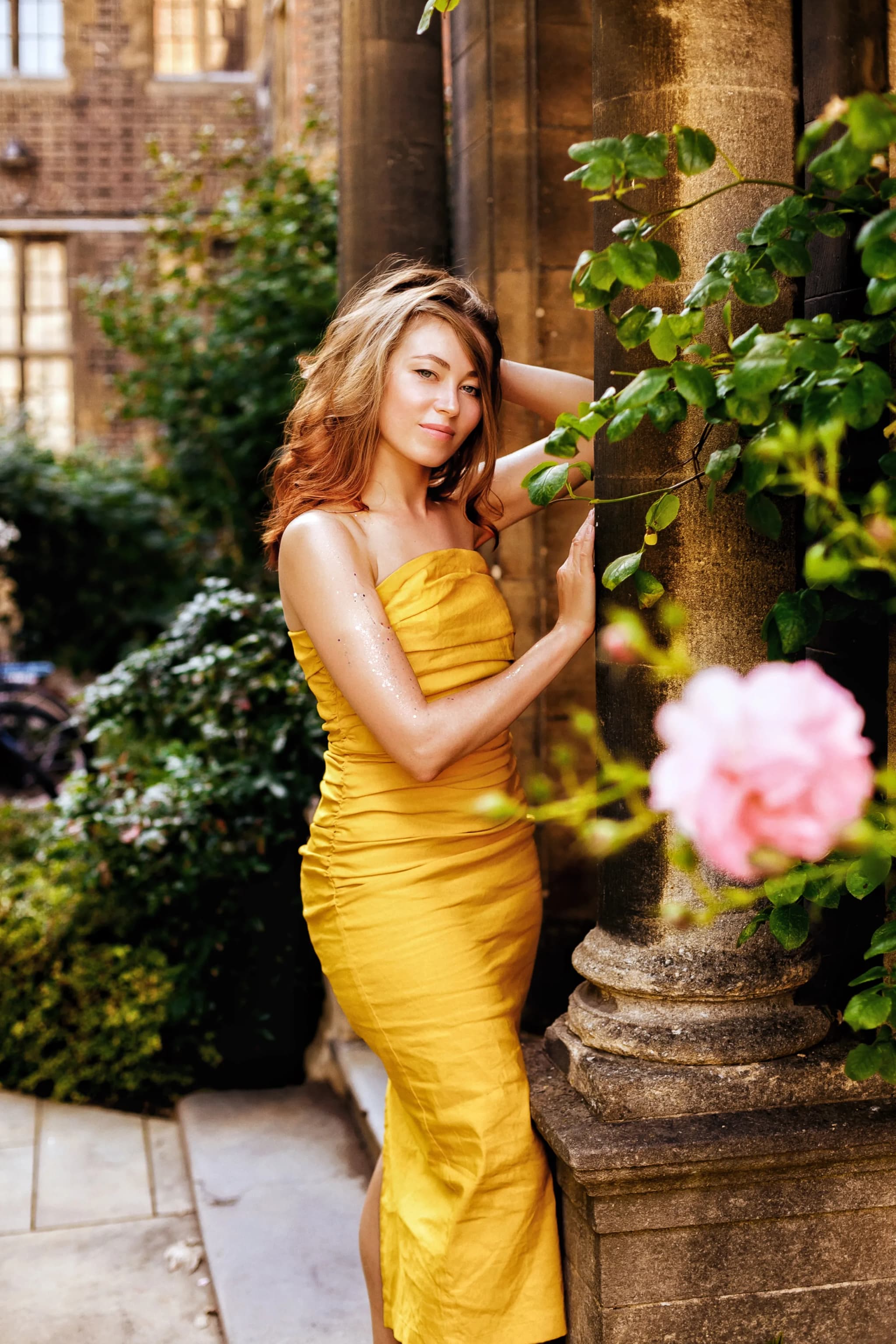
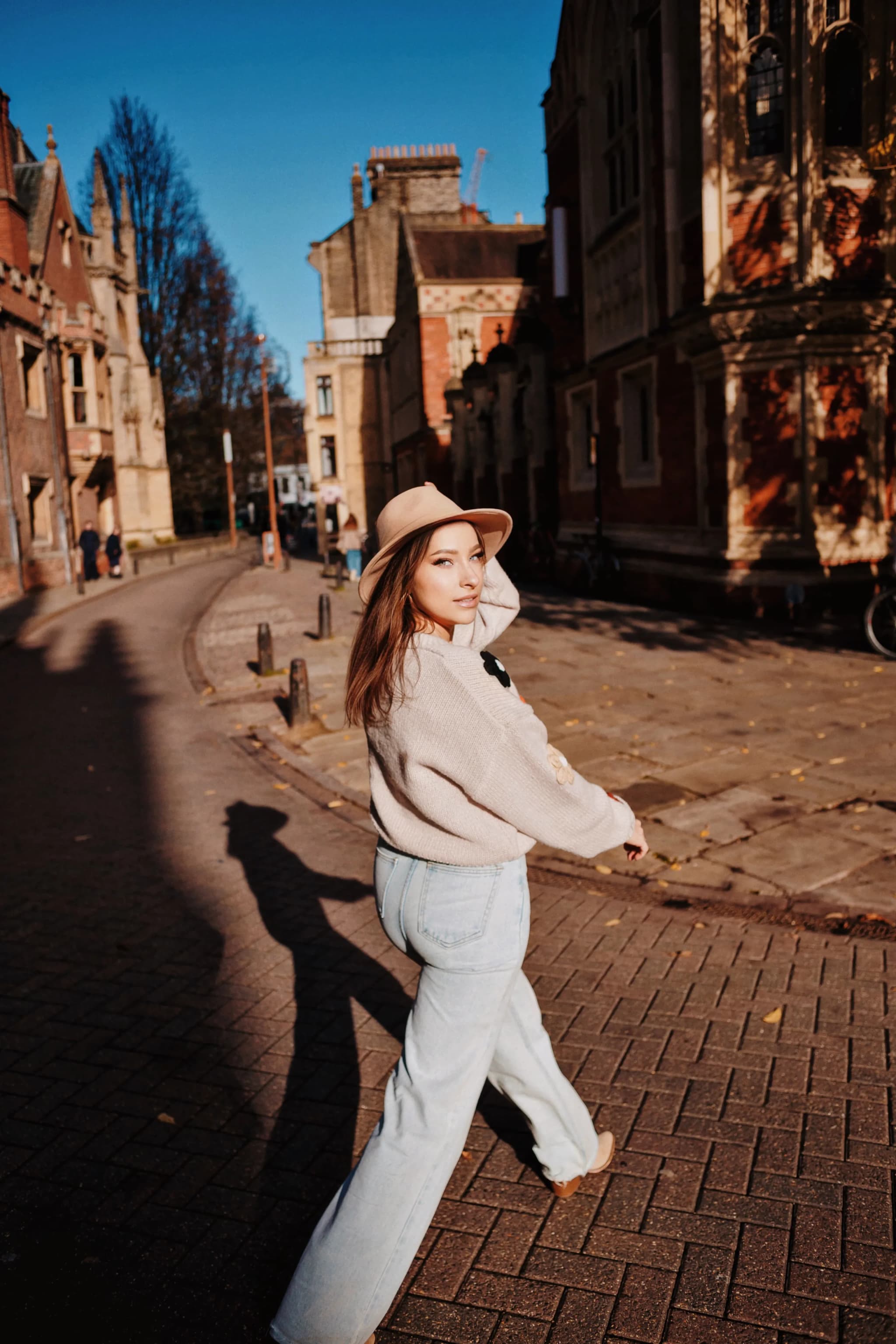
The alternative is an outdoor location session somewhere in central Cambridge, using the riverside, college architecture, or a quiet courtyard as a backdrop. This produces a noticeably different result — more distinctive, more shareable, and often more memorable than a standard white-backdrop headshot, particularly for founders or academics who want their profile photograph to say something about where they're based rather than reading as generic. The trade-off is logistics: outdoor sessions depend on weather and are harder to schedule for a large group in a single afternoon, so they tend to suit individuals or small teams rather than a full company roster.
Some clients choose to combine both approaches — a batch of consistent on-location headshots for the team page, plus one or two outdoor portraits for founders or senior figures who need a photograph with more personality for press use, speaker profiles, or a personal website. I'm happy to plan a session that mixes formats like this if it suits what you actually need the images for.
A note on academic and research headshots
Cambridge University departments, the MRC, Wellcome-funded groups, and the Babraham Institute all have slightly different conventions for what a departmental or grant-application headshot should look like — some more formal than others, some with specific background or framing requirements for institutional websites. I'm familiar with these environments from working across a number of them and can advise on what will work for your specific context before we even get to the session itself.
Get in touch about headshotsAcademic and Research Headshots
University and research institution headshots carry their own set of requirements that differ from a typical start-up brief. These images tend to end up in places where they'll be viewed alongside a lot of other academic photography — conference speaker profiles, university department directories, grant application cover sheets, group websites — and there's often an unspoken expectation of a slightly more formal register than a founder headshot destined purely for LinkedIn. That said, the same underlying principle holds: a headshot that looks stiff or overly posed reads worse in an academic context too, not better, so the aim is formality without rigidity.
Grant applications in particular are worth thinking about separately, since a researcher's photograph sometimes appears on a document that a funding panel will study closely. A clear, well-lit, current photograph that represents the applicant accurately is a small but genuine part of how that application is received. I try to make sure academic clients leave a session with at least one image that works comfortably in that more formal register, alongside options with a bit more warmth for less formal use.
Team Headshots and Consistency
When a company or research group needs headshots for multiple people, consistency becomes the priority in a way it isn't for an individual booking. I plan team sessions around a fixed setup — same background, same lighting position, same rough framing — so that when the images sit together on a team page or a departmental site, they read as a coherent set rather than a patchwork of different styles collected over several years. This matters more than most people expect: a team page with five different headshot styles looks unintentionally disorganised even when every individual photograph is good.
For larger groups, I schedule short, efficient slots per person — typically five to ten minutes each once the setup is in place — so a team of a dozen or more people can be photographed in a single afternoon without the day dragging on for anyone. I also keep a record of the lighting and background setup used, so that new starters can be added to the same set months or years later without the new headshot looking obviously different from the rest of the team page.
Preparing for Your Session
The most useful preparation for a headshot session is fairly simple. Wear something you'd genuinely wear to a normal working day in your role — overly formal clothing that doesn't match how you actually dress at work tends to look slightly false in the final image, and the goal is a photograph that represents you accurately rather than a costume version of you. Solid colours generally photograph better than busy patterns, and it's worth avoiding anything with a large logo or text that will date the photograph quickly.
Timing is worth thinking about too. If natural light is important for your session, late morning or mid-afternoon tends to give the most flattering, even light, particularly for an outdoor Cambridge location session where harsh midday sun or heavy overcast can both work against you. For office sessions I can work around whatever natural light your space has, but knowing in advance which direction your windows face helps me plan the setup before I arrive, which keeps the session efficient and minimises disruption to your working day.


Yana Skakun
Photographer · England
Professional wedding, family and portrait photographer based in England. Passionate about capturing authentic emotions and timeless moments.
About Yana →headshots Cambridge Science Parkprofessional headshots Cambridge techLinkedIn headshots Cambridgetech professional headshots UKcorporate headshots Cambridge
Headshot Tips — Professional Headshot Photography in Cambridge & England
Professional headshot sessions with Yana Skakun are clean, efficient, and designed to produce images that represent you authentically across every professional context — LinkedIn, company websites, speaker profiles, and press. Sessions available in Cambridge and across England. This guide — Professional headshots for Cambridge Science Park & tech professionals — is part of the photography journal: practical, experience-based advice drawn from real sessions across England. Whether you arrived searching for headshots cambridge science park or professional headshots cambridge tech, the same care and attention shapes every session Yana photographs.
Professional Headshot Photography sessions are available year-round, with bookings open across Cambridge, Ely, Huntingdon, Peterborough, and further afield — East England, London, the Midlands, and beyond. If you have specific questions about linkedin headshots cambridge, mention it in your enquiry. Get in touch through the contact form above to check availability and discuss your session. Enquiries are welcomed from anywhere in the UK.
Frequently Asked Questions
What should I wear for a professional headshot?+
Solid colours photograph better than patterns. Navy, grey, charcoal, and burgundy are universally flattering. Avoid white (creates exposure issues), black (can look flat), and bright neons. Make sure your clothing fits well and is freshly pressed. Bring 2–3 outfit options to give yourself variety.
How do I prepare for a headshot session?+
Get a good night's sleep. Stay hydrated in the days before. If you're having hair and makeup done, schedule it for the morning of the shoot. Bring the clothes you plan to wear on a hanger. Arrive 10 minutes early to settle in before the camera comes out. Most importantly — don't stress. A good photographer will guide you.
How long does a professional headshot session take?+
A standard headshot session takes 30–60 minutes. This covers 2–3 outfits and multiple expressions and angles. Corporate team headshots at a single location can be scheduled at 15–20 minutes per person.
How often should you update your professional headshot?+
Every 2–3 years, or whenever your appearance changes significantly — new hairstyle, weight change, or notable ageing. Your headshot should look like you when you walk into a meeting, not like you five years ago. Outdated headshots undermine trust, particularly in client-facing roles.
What is the difference between a headshot and a business portrait?+
A headshot is a tight crop of the face and upper chest, focused entirely on professional presence and approachability. A business portrait typically includes more of the body and often incorporates environment or context — an office setting, equipment, or a workspace that communicates your profession.
Continue Reading
Related Articles

Headshot Tips
LinkedIn Headshots for Cambridge Graduates: Start Your Career With the Right First Impression
7 min read · Read Article
Headshot Tips
Professional Photography for Small Businesses: The Complete Guide
12 min read · Read Article
Headshot Tips
Corporate Team Photography: Professional Headshots for Your Entire Organisation
9 min read · Read Article
Get in Touch
Ready to Book Your Session?
Get in touch to discuss your vision — I'll reply within 24 hours.