Yana Skakun

Career Change Photography: New Job, New Look, New Confidence
By Yana Skakun·10 July 2026·8 min read
There is a particular kind of client who books a headshot session and, halfway through the phone call, mentions almost apologetically that they are "not really sure what they need yet" because they are between jobs, changing industries, or stepping into a role that looks nothing like the one they have just left. I love this brief. A career change is one of the few moments in adult life when you are genuinely allowed to redefine how you present yourself, and a new photograph is one of the simplest, fastest ways to make that redefinition visible before you have proven anything else. Your CV can say you are moving from operations into design, or from teaching into consultancy, or from employed to self-employed, but your photograph is what people actually look at first on LinkedIn, on a new company's About page, or on the email signature you are about to send to a hundred new contacts.
Why a New Job Deserves a New Photograph
Most people's existing headshot was taken for a specific context that no longer applies. It might have been shot by a well-meaning colleague on a phone in a stairwell for a company intranet, or commissioned years ago for a role in a completely different sector, with clothing and styling chosen to fit that old context. When the context changes, the photograph often stops working even if nothing is technically wrong with it. A headshot taken in scrubs for a clinical role does not transfer well to a corporate leadership page. A photograph styled for a creative agency, all relaxed collar and soft light, can undersell someone moving into a more formal financial or legal environment.
There is also a psychological dimension that is easy to underestimate. Walking into a new role, a new client meeting, or a new networking event with a photograph that genuinely reflects who you are now — not who you were three roles ago — changes how you carry yourself. I hear this from clients regularly: they did not book the session because their old photo was bad, they booked it because it no longer felt like them. If you are curious about the difference between the two categories entirely, our guide on the difference between a headshot and a portrait is a useful starting point before you decide exactly what you need.
What to Expect During a Career Change Session
A career change headshot session runs much like any other professional headshot session in its basic structure, but the conversation beforehand is different, and it matters more. Before we shoot, I ask what the new role actually involves, who the audience is, and what the photograph needs to do. A photograph for a LinkedIn profile aimed at recruiters in a new sector needs a different energy from one destined for a client-facing consultancy website, and both are different again from a photograph that will sit on a personal website you are launching as you go freelance.
The session itself typically lasts between thirty and sixty minutes depending on how many looks or backdrops you want to cover, which is enough time to warm up in front of the camera, work through a handful of expressions and postures, and try more than one outfit if the new role calls for a different register of formality than your current wardrobe reflects. If you have never had a professional session before, our guide on how to prepare for a headshot session covers the practical groundwork, from what to bring to how to sleep well beforehand.
For people transitioning into people-facing or leadership roles for the first time, I also spend more time than usual on posture and expression coaching during the session itself, since confident, natural body language in front of a camera is a skill most people have not had reason to practise. It becomes noticeably easier within the first ten minutes of most sessions, once the initial self-consciousness passes.
Dressing for the Job You're Moving Into, Not the One You're Leaving
Clothing does a lot of quiet work in a career-change photograph. If you are moving from a casual creative environment into something more formal — finance, law, consultancy — a structured blazer or tailored shirt in the new session signals that shift immediately, even before anyone reads your new job title. If you are moving in the opposite direction, from a corporate environment into something more independent or creative, softening the styling with fewer formal signifiers (an open collar, a simpler palette, less obvious tailoring) does the same work in reverse.
A genuinely useful exercise before your session is to look at three or four people already working in the role or sector you are moving into and notice, honestly, what they wear in their own professional photographs. You are not copying them, but calibrating: the goal is to look like you belong in that context on day one, not like you are still dressed for the job you have just left. Our detailed guide on what to wear for a professional headshot goes through colour, pattern, and fit in more depth, and it is worth reading properly rather than deciding on an outfit the morning of the shoot.
One thing I always tell career-change clients specifically: bring two options if you are genuinely unsure, even if one feels slightly bolder than you would normally choose. It is far easier to rule an outfit out after seeing a few test frames on the back of the camera than to regret not having tried it. A session gives you room to experiment in a way a single, high-stakes real-world first impression does not.
Starting something new?
Whether you are stepping into a new role, launching a business, or simply ready for a photograph that reflects where you are now rather than where you were, I would love to help. Sessions are available in Cambridge and across the UK, with flexible timing to suit interview and start-date deadlines.
Get in touchChoosing a Setting and Backdrop That Matches Your New Direction
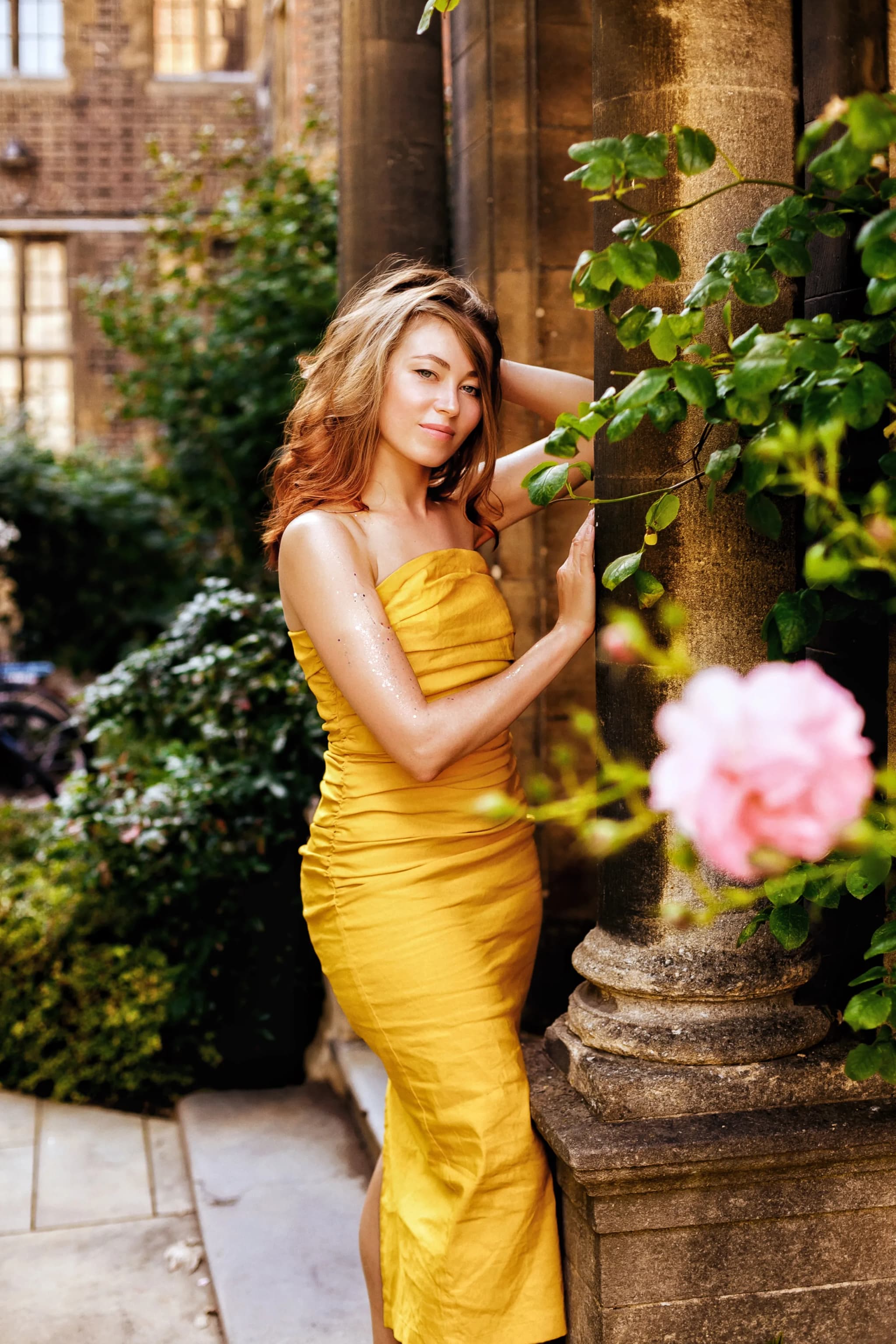
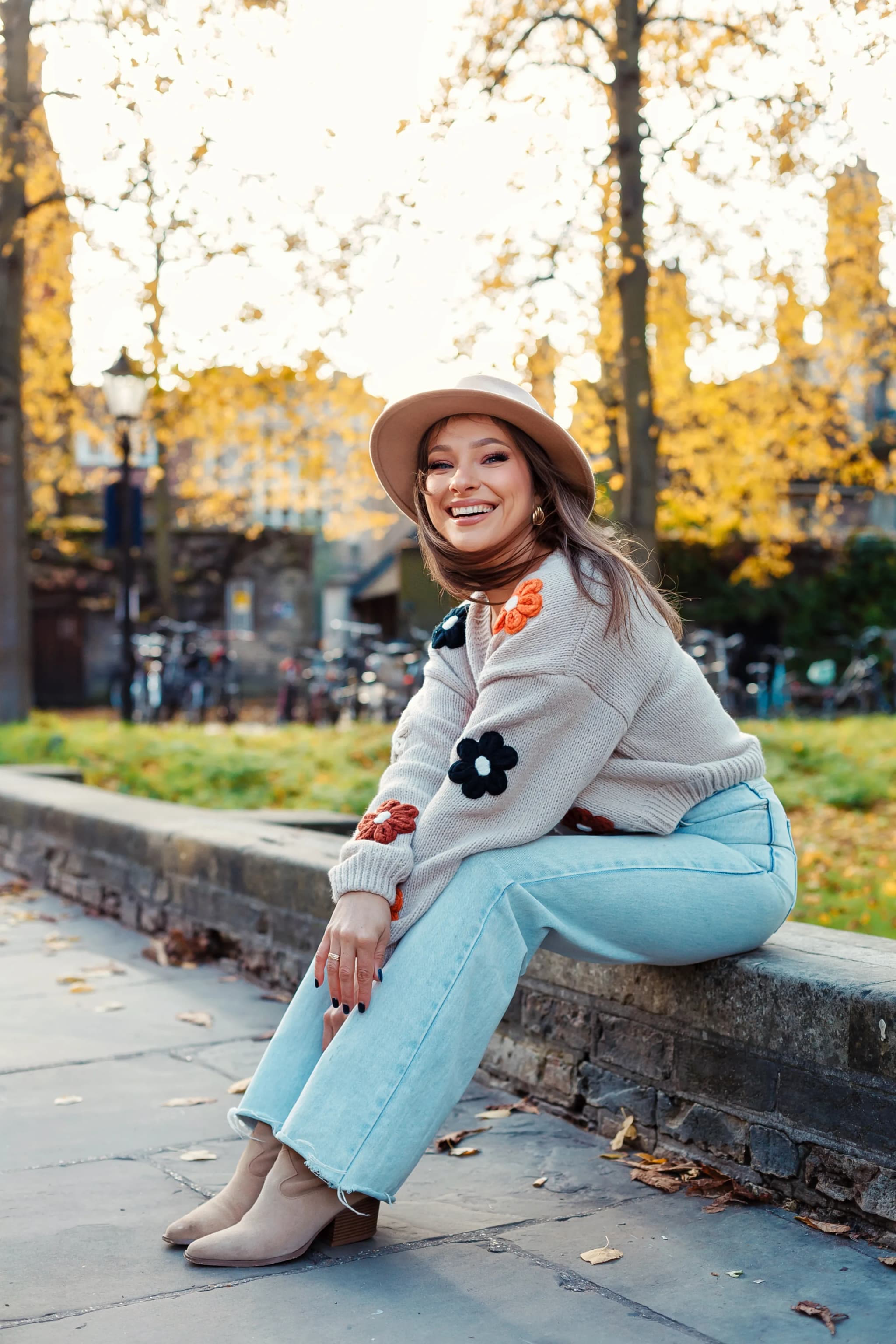
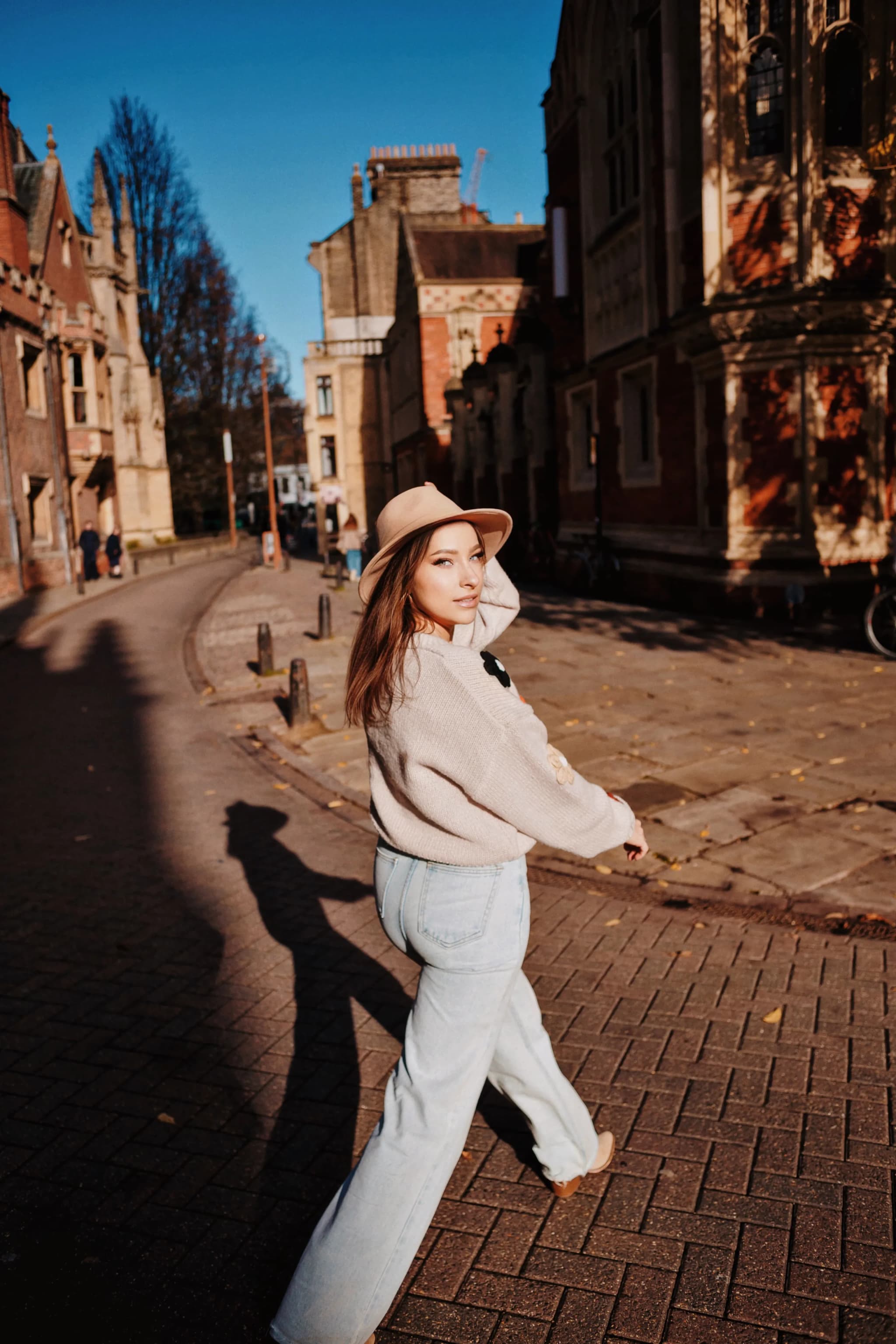
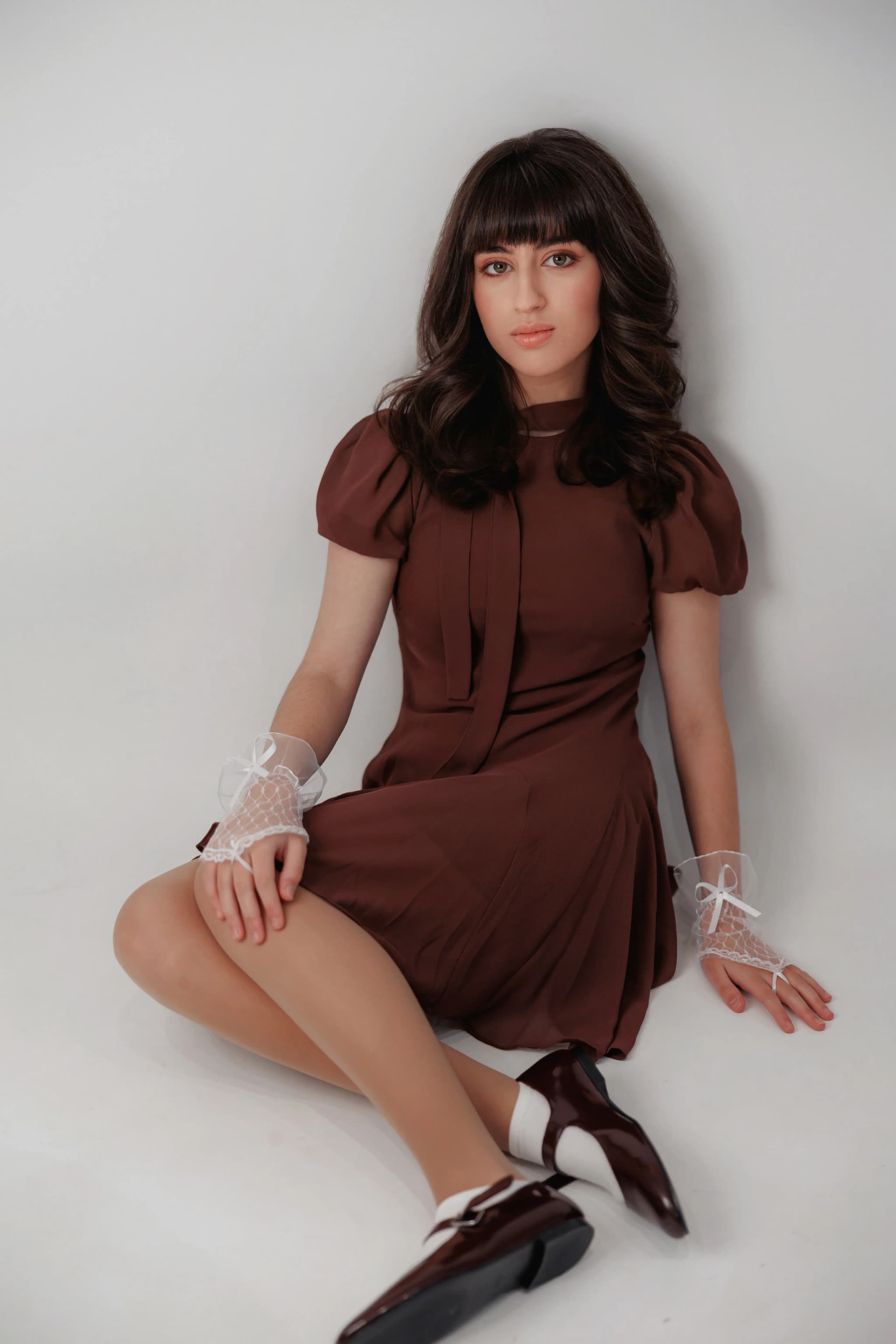
Background choice carries more weight for a career-change photograph than people generally expect. A plain neutral studio backdrop is the safest, most versatile option and works well across almost any industry, which is exactly why it remains the most requested choice for LinkedIn and corporate use. But for some transitions — particularly a move into a creative field, into self-employment, or into a role where your workspace or personality is part of the story you are telling — an environmental setting can say more than a plain backdrop ever could. A photograph taken in a bright, considered office space, a design studio, or even outdoors with natural light can signal the informality or creativity of a new venture far more effectively than a grey studio wall.
If you are unsure which direction suits your situation, it is worth reading about what background is best for a headshot before the session, and mentioning your thinking when we speak beforehand so we can plan locations and lighting accordingly. For those moving specifically into building a personal brand or independent consultancy, a broader session that includes some environmental and lifestyle-style images alongside a traditional headshot — the kind of work covered in our personal branding photography page — is often more useful than a single static headshot alone, since you will likely need images for a website, social content, and marketing materials as well as your profile photo.
Practical Tips for Getting the Most From Your Session
Book the session with enough lead time before your actual start date or launch that you are not photographing yourself in a state of last-minute stress. Two to three weeks ahead is generally comfortable: it gives you time to receive and review your images, choose final crops or retouching preferences, and have everything ready for your first day, rather than turning up to a new job with an old photograph because there was no time to arrange anything better.
Think about hair and skin in the days beforehand rather than the morning of. A haircut a week or two before the session, rather than the day before, tends to look more settled and natural on camera. If you wear glasses, bring them along even if you also want some frames-off images, since anti-reflective coating and lens choice can make a meaningful difference to how the final photograph reads, and I can advise on positioning to avoid glare during the session itself.
Finally, think beyond the single hero image. Most career transitions benefit from having a small set of usable photographs rather than one perfect frame: a formal headshot for LinkedIn and official documents, a slightly warmer variant for an email signature or internal team page, and if relevant, a couple of environmental or three-quarter length images for a personal website or portfolio. Planning this variety into the session brief from the outset, rather than trying to extract it all from a single pose, makes the whole session more efficient and the final gallery considerably more useful. If cost is a factor in this planning, our breakdown of how much professional headshots cost in the UK gives a realistic sense of typical pricing so you can budget accordingly.
Common Questions About Career Change Headshots
Do I need to wait until I have officially started the new role? No — in fact, having a ready photograph before your first day means you can update LinkedIn, your email signature, and any internal profile the moment you start, rather than scrambling for something usable in your first week when you are already stretched thin with onboarding.
What if I do not know exactly what industry norms look like yet? This is genuinely common, and it is one of the reasons the pre-session conversation matters so much. Describing the role, the company culture, and even sharing a link to the company's existing team page gives me enough to guide styling and posing decisions even if you are not yet fully confident in the details yourself.
Should I get headshots done again if I already had professional ones a couple of years ago? If your role, industry, or appearance has changed meaningfully since then, yes. Our piece on how often you should update your headshot goes into this in more detail, but a career change is one of the clearest, most legitimate reasons to refresh a photograph regardless of how recently the last one was taken.
Can one session cover both formal headshots and more relaxed, personal images? Yes, and for career-change clients I often recommend exactly this combination, particularly if you are moving towards self-employment or a role with a public-facing or entrepreneurial element. We can plan a session that moves from a clean, formal setup through to more relaxed, environmental frames within the same appointment.
Changing careers is one of the more vulnerable, exciting things a person does in their working life, and it deserves a photograph that meets it with the same energy rather than one left over from a chapter that has already closed. Yana Skakun Photography is based in Cambridge and works with clients across the UK on exactly this kind of session, from first-time job seekers to senior professionals moving into entirely new fields. If you are starting something new and want a photograph that genuinely looks like the next version of you, get in touch and we will find a session that fits your timeline.



Yana Skakun
Photographer · England
Professional wedding, family and portrait photographer based in England. Passionate about capturing authentic emotions and timeless moments.
About Yana →career change photographycareer change headshotnew job headshotprofessional headshot Cambridgepersonal rebranding photographyLinkedIn photo new job
Headshot Tips — Professional Headshot Photography in Cambridge & England
Professional headshot sessions with Yana Skakun are clean, efficient, and designed to produce images that represent you authentically across every professional context — LinkedIn, company websites, speaker profiles, and press. Sessions available in Cambridge and across England. This guide — Career Change Photography: New Job, New Look, New Confidence — is part of the photography journal: practical, experience-based advice drawn from real sessions across England. Whether you arrived searching for career change photography or career change headshot, the same care and attention shapes every session Yana photographs.
Professional Headshot Photography sessions are available year-round, with bookings open across Cambridge, Ely, Huntingdon, Peterborough, and further afield — East England, London, the Midlands, and beyond. If you have specific questions about new job headshot, mention it in your enquiry. Get in touch through the contact form above to check availability and discuss your session. Enquiries are welcomed from anywhere in the UK.
Frequently Asked Questions
What should I wear for a professional headshot?+
Solid colours photograph better than patterns. Navy, grey, charcoal, and burgundy are universally flattering. Avoid white (creates exposure issues), black (can look flat), and bright neons. Make sure your clothing fits well and is freshly pressed. Bring 2–3 outfit options to give yourself variety.
How do I prepare for a headshot session?+
Get a good night's sleep. Stay hydrated in the days before. If you're having hair and makeup done, schedule it for the morning of the shoot. Bring the clothes you plan to wear on a hanger. Arrive 10 minutes early to settle in before the camera comes out. Most importantly — don't stress. A good photographer will guide you.
How long does a professional headshot session take?+
A standard headshot session takes 30–60 minutes. This covers 2–3 outfits and multiple expressions and angles. Corporate team headshots at a single location can be scheduled at 15–20 minutes per person.
How often should you update your professional headshot?+
Every 2–3 years, or whenever your appearance changes significantly — new hairstyle, weight change, or notable ageing. Your headshot should look like you when you walk into a meeting, not like you five years ago. Outdated headshots undermine trust, particularly in client-facing roles.
What is the difference between a headshot and a business portrait?+
A headshot is a tight crop of the face and upper chest, focused entirely on professional presence and approachability. A business portrait typically includes more of the body and often incorporates environment or context — an office setting, equipment, or a workspace that communicates your profession.
Continue Reading
Related Articles

Headshot Tips
LinkedIn Headshots for Cambridge Graduates: Start Your Career With the Right First Impression
7 min read · Read Article
Headshot Tips
Professional Photography for Small Businesses: The Complete Guide
12 min read · Read Article
Headshot Tips
Corporate Team Photography: Professional Headshots for Your Entire Organisation
9 min read · Read Article
Get in Touch
Ready to Book Your Session?
Get in touch to discuss your vision — I'll reply within 24 hours.