Yana Skakun
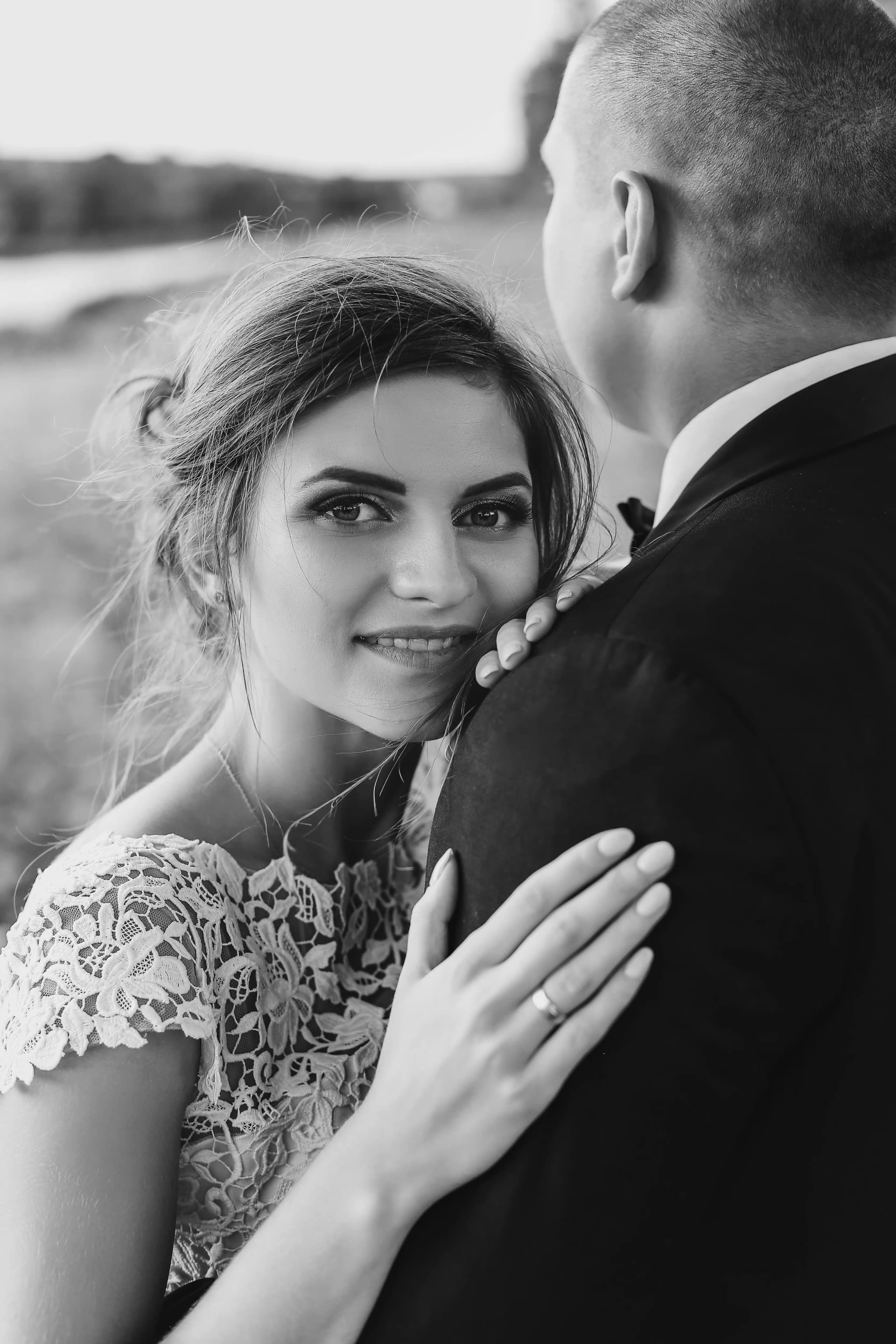
Partner Maternity Photos: Including Your Partner in the Session
By Yana Skakun·22 March 2026·5 min read
Including your partner in maternity photography transforms the session from a solo portrait into a document of a relationship at one of its most meaningful moments. A couple on the edge of becoming parents, or adding to their family, is a subject worth photographing deliberately rather than leaving to whatever gets captured on a phone in passing. The bump itself is temporary, but the version of the two of you waiting for this particular arrival is something that deserves its own proper record.
Why Couples Maternity Photography Works
Pregnancy is a shared experience even when only one person is visibly pregnant. The partner's role in it — the anticipation, the tenderness, the protective instinct that has often already arrived well before the baby does — is documented in couples images in ways that solo bump portraits simply cannot capture. A hand resting on a bump means something different when it belongs to the person who has been through every scan appointment and sleepless worry alongside the pregnancy, rather than reaching into frame for a single photograph.
The images also become part of a visual story that the child will eventually see for themselves: their parents before they arrived, connected and waiting, in a version of the relationship that existed only briefly and never again in quite the same form. I find couples often underestimate how much they will want these images later, assuming the newborn photographs will cover the story adequately on their own — but the maternity images capture something the newborn photographs cannot, which is the anticipation itself.
There is also a practical benefit that is easy to overlook: a maternity session with your partner is usually calmer and less physically demanding than photography sessions later will be, once there is a newborn to manage around feeding and sleep schedules. It is a genuine window of relative ease worth using well.
Poses and Approaches That Work Best
A handful of poses have proven themselves repeatedly across many couples maternity sessions, not because they are formulaic but because they consistently produce genuinely warm, natural-feeling images. Both hands on the bump, the partner's hands joining the mother's, is a classic for a reason — the simple warmth of the gesture photographs beautifully and needs almost no direction beyond suggesting it. The partner standing behind, arms wrapped around the bump from that angle, creates a wraparound, protective composition with the bump naturally at the centre of the frame.
Some of the strongest images come from moments where neither partner is looking at the camera at all — looking at each other instead, candid eye contact mid-conversation or mid-laugh, or a quiet forehead-to-forehead moment with both partners leaning in, heads touching. These work particularly well outdoors in soft light, where the setting adds gentleness without competing for attention. A partner's gaze tilted down toward the bump in side profile creates a natural directional story within a single still image, and simple candid walking shots, holding hands and talking as you move through a location, capture an ease that posed images rarely achieve on their own.
What to Wear as a Couple
Coordinating without matching is generally the best approach for a couples maternity session. Sticking to a shared colour palette, neutrals, earthy tones, or a single accent colour that appears in both outfits, keeps the images visually cohesive without looking like a deliberately staged pair of matching outfits. Avoiding large logos, slogans, or very busy patterns keeps the focus on the two of you rather than on the clothing itself.
Comfort matters more than people expect, particularly for the pregnant partner — uncomfortable clothing affects posture and expression in ways that show up clearly in photographs, however good the outfit looks in principle. Simple, relatively timeless choices tend to age better in years to come than highly trend-driven outfits that will look dated the moment you look back at the images in a decade. Some couples like to plan an outfit change partway through the session, moving from something more formal for an initial set of images to something relaxed and casual for the second half, which also gives the finished gallery useful variety.
A note for hesitant partners
Partners who are camera-shy often relax within the first fifteen or twenty minutes of a session once they realise there is no expectation to perform. I give a simple, clear brief on the day — hold her, look at her, forget about the camera — and create the conditions for genuine interaction rather than asking anyone to pose artificially.
Get in touch about a maternity sessionIf Your Partner Is Hesitant
It is genuinely common for one partner to be far more comfortable in front of a camera than the other, and a reluctant partner should not be a reason to skip a couples session altogether. Most people who say they hate being photographed relax considerably once they realise the session is not about performing for the camera but simply being present with their partner while I photograph what naturally happens between them.
If your partner is hesitant, it is worth reminding them gently that these images are ultimately for the child who will one day look at them, wanting to see what their parents were like in this particular chapter before they arrived. That perspective shift — from “I don't like being photographed” to “this is something my child will want to see” — tends to move people past their initial reluctance more effectively than any amount of reassurance about camera technique.
Timing Your Session
Most couples maternity sessions work best somewhere between twenty-eight and thirty-six weeks, when the bump is clearly visible and well-defined but the pregnant partner is still generally comfortable moving around a location for an hour or so without significant discomfort. Booking a little earlier than you think you need to leaves flexibility if the pregnancy brings any complications or simply if energy levels dip unexpectedly in the final weeks.
Outdoor locations with soft, even light tend to be the most forgiving for maternity sessions specifically, and I generally suggest scheduling for a time of day when the light is gentle rather than harsh, giving the whole session a naturally warm, unforced quality that suits the subject matter well.
Choosing a Location Together
Location choice for a couples maternity session works best as a genuine conversation between the two of you rather than a decision made by only one partner. Some couples want somewhere with personal meaning — where you first met, where you got engaged, a park you walk in regularly. Others prefer a location chosen purely for its light and setting, without any attached backstory, which is equally valid and often produces images with a timeless, uncomplicated quality.
Open, soft-light locations tend to be the most forgiving for maternity photography specifically — a woodland edge, an open field at golden hour, or a garden with diffused light all work well. Indoor home sessions are a lovely alternative for couples who want something quieter and more private, using window light and the familiar setting of your own space to create a gentler, more intimate set of images than an outdoor location can offer.
Including Older Children in a Couples Maternity Session
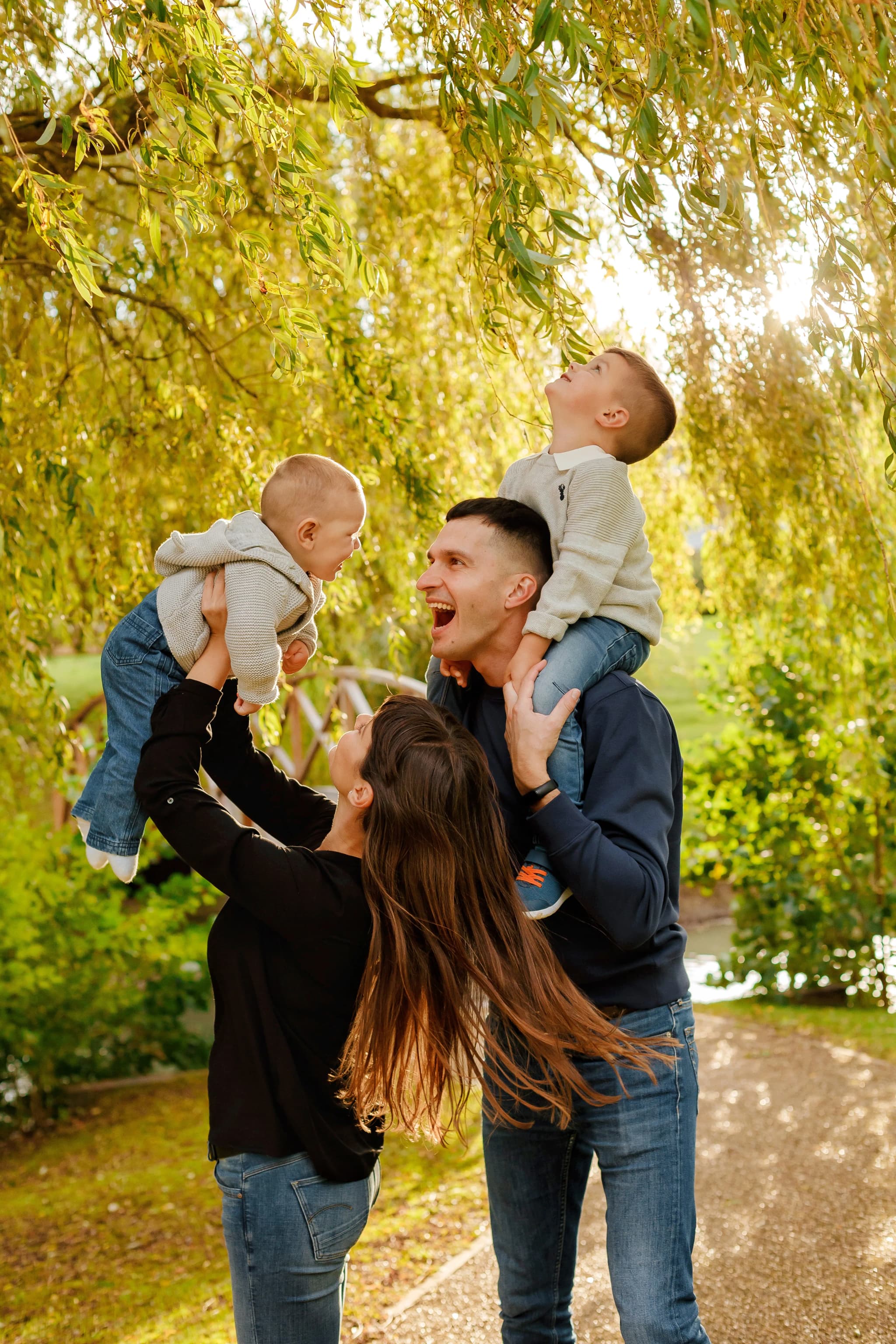
Many couples expecting a second or subsequent child like to include older siblings in at least part of the maternity session, and this adds a lovely extra dimension without needing to be the entire focus. A short segment of the session with the whole family together, perhaps ten or fifteen minutes, gives images of the sibling-to-be interacting with the bump — a hand resting there, a whispered conversation, a kiss — before returning to the core couples portraits for the remainder of the time.
I generally suggest scheduling the family segment early in the session, while an older child's patience and cooperation are at their best, and letting it run at whatever pace the child sets rather than trying to direct too precisely. The most genuine images from these family segments tend to come from moments where the child is simply allowed to be curious about the bump in their own way, rather than being posed into a particular gesture.
It is worth preparing an older child gently for what a maternity session actually involves, particularly if they have not been photographed professionally before. Framing it as a fun outing with mum and dad, rather than a formal appointment, tends to produce a far more relaxed and willing participant than building it up as something significant they need to perform well for.
If you are expecting and would like your partner included properly in your maternity photographs, get in touch and we can talk through timing and location together.

Yana Skakun
Photographer · England
Professional wedding, family and portrait photographer based in England. Passionate about capturing authentic emotions and timeless moments.
About Yana →couples maternity photospartner maternity photographybump photos with partnermaternity couples session uk
Maternity — Professional Photography in Cambridge & England
Yana Skakun is a professional photographer based in Cambridge, covering weddings, families, and portraits across England. Every session is personal — planned around your story, your people, and the moments that matter most. This guide — Partner Maternity Photos: Including Your Partner in the Session — is part of the photography journal: practical, experience-based advice drawn from real sessions across England. Whether you arrived searching for couples maternity photos or partner maternity photography, the same care and attention shapes every session Yana photographs.
Professional Photography sessions are available year-round, with bookings open across Cambridge, Ely, Huntingdon, Peterborough, and further afield — East England, London, the Midlands, and beyond. If you have specific questions about bump photos with partner, mention it in your enquiry. Get in touch through the contact form above to check availability and discuss your session. Enquiries are welcomed from anywhere in the UK.
Frequently Asked Questions
What camera settings should I use for outdoor portraits?+
For outdoor portraits, shoot in aperture priority mode. Use a wide aperture (f/1.8–f/2.8) to blur the background and isolate your subject. Keep ISO as low as possible in good light. In bright conditions, use a neutral density filter or switch to manual to avoid overexposure at wide apertures.
What is the golden hour in photography?+
Golden hour is the period roughly 30–60 minutes after sunrise and before sunset. The sun is low in the sky, producing warm, soft, directional light that flatters skin tones and creates beautiful long shadows. It's widely considered the best natural light for portrait and outdoor photography.
How do you get sharp photos in low light?+
In low light, increase your ISO (accepting some grain), use the widest aperture your lens allows, and slow your shutter speed to the slowest you can hand-hold without camera shake (roughly 1/focal length as a guide). Use image stabilisation if available, and consider a tripod for static subjects.
What is the rule of thirds in photography?+
The rule of thirds divides the frame into a 3×3 grid. Placing your subject on one of the four intersection points — rather than dead centre — creates a more dynamic, visually interesting composition. It's a guideline, not a rule: some of the most powerful images break it deliberately.
How do you edit photos to look professional?+
Professional editing starts with shooting in RAW format. In Lightroom or similar software, correct exposure, white balance, and contrast first. Recover shadow and highlight detail. Apply gentle colour grading for mood. Be conservative with skin retouching — the goal is natural enhancement, not transformation. Consistency across a set of images is what separates professional from amateur editing.
Get in Touch
Ready to Book Your Session?
Get in touch to discuss your vision — I'll reply within 24 hours.