Yana Skakun

How Many Hours of Wedding Photography Do You Actually Need?
By Yana Skakun·10 July 2026·8 min read
It is one of the first practical questions every couple asks once the venue is booked and the reality of planning sets in: how many hours of wedding photography do we actually need? Packages are usually sold in blocks — six hours, eight hours, ten hours, full day — and without a clear sense of what each block actually buys you, it is very easy to either overspend on coverage you will not use or underbook and end up with gaps in the story of your day. The honest answer depends on your timeline, your venue, and what you actually want documented, but there are some reliable patterns from UK wedding practice that make the decision much easier.
The Short Answer: Most UK Weddings Need Eight to Ten Hours
For a fairly typical UK wedding — ceremony at 1 or 2pm, wedding breakfast, speeches, cutting of the cake, first dance, and an evening reception with band or DJ — eight hours of coverage is usually the minimum that captures the day properly without leaving obvious gaps. Ten hours is the more comfortable, commonly booked option, because it allows coverage to start earlier in the morning during getting-ready and run later into the evening, past the first dance and into some of the party atmosphere that couples often say afterwards they wish they had more of.
Six-hour packages exist and are genuinely appropriate for some weddings — smaller ceremonies, registry office weddings, elopements, or days where the couple has deliberately decided they do not want getting-ready coverage or do not need the evening reception documented. But six hours on a full traditional wedding day, from bridal prep through to first dance, is tight enough that something usually gets compressed or missed, most often either the earlier prep shots or the last hour of dancing.
Working Backwards From Your Actual Timeline
Rather than picking a number of hours in the abstract, the more reliable method is to build a rough hour-by-hour timeline of your day first, then see how many hours of coverage that timeline actually spans. Start with your ceremony time, since that is usually the fixed point everything else is built around. Work backwards to estimate when hair and makeup will realistically finish (add thirty minutes of buffer to whatever your hair and makeup artist tells you — it almost always runs over), and work forwards through the wedding breakfast, speeches, and into the evening.
A typical structure looks something like this: bridal prep coverage begins around ninety minutes before the ceremony, groom prep is often a shorter block covered separately or combined into the same window, the ceremony itself runs thirty minutes to an hour depending on whether it is civil or religious, confetti and family formals take another thirty to forty-five minutes, drinks reception and canapes run for an hour to ninety minutes while formal group photographs and some couple portraits happen, the wedding breakfast and speeches take up two to three hours, and then there is room dressing, cutting the cake, first dance, and the opening of the evening reception. Add that up from a 10am hair and makeup start and you are very often at eight to nine hours before the evening reception has properly got going.
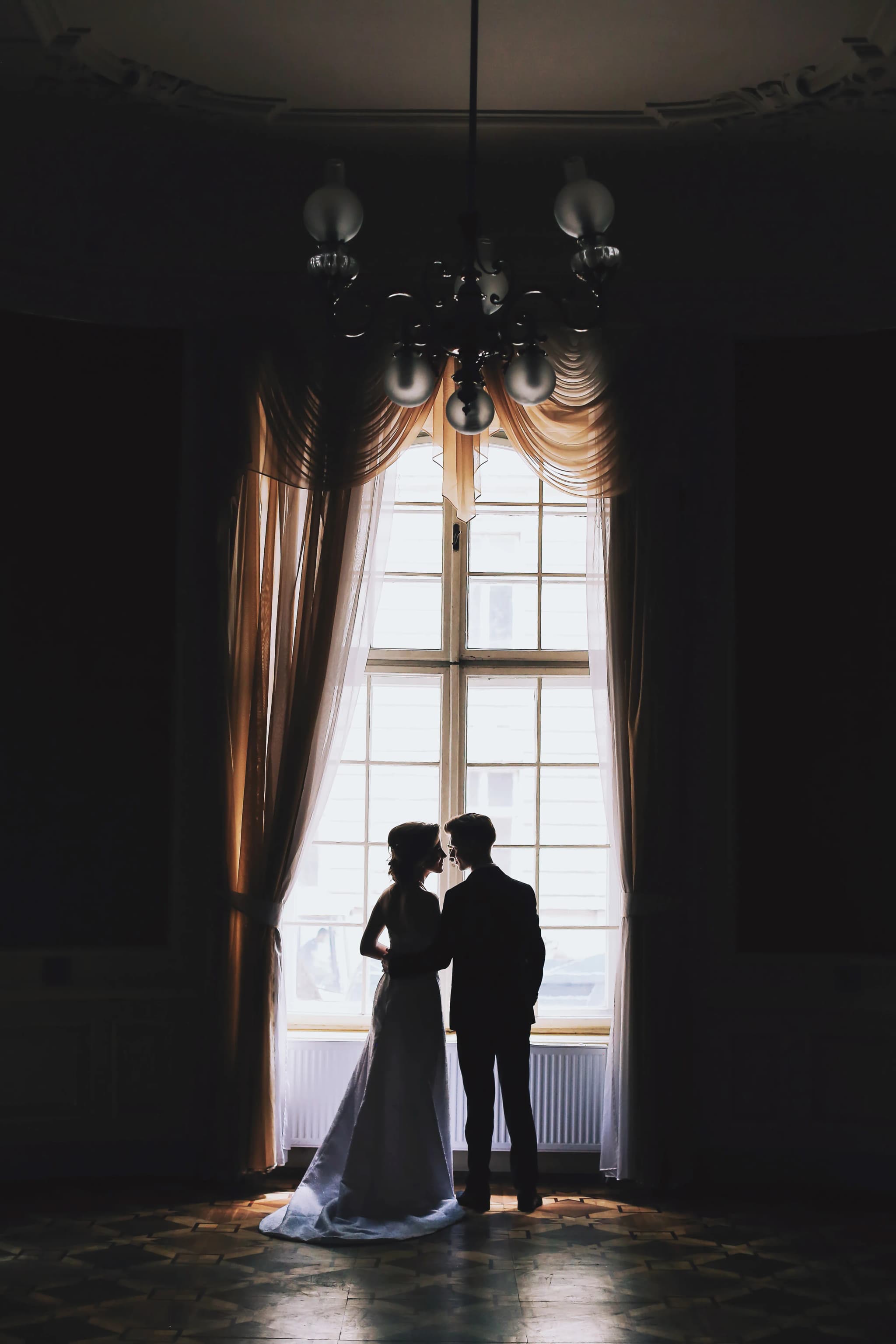
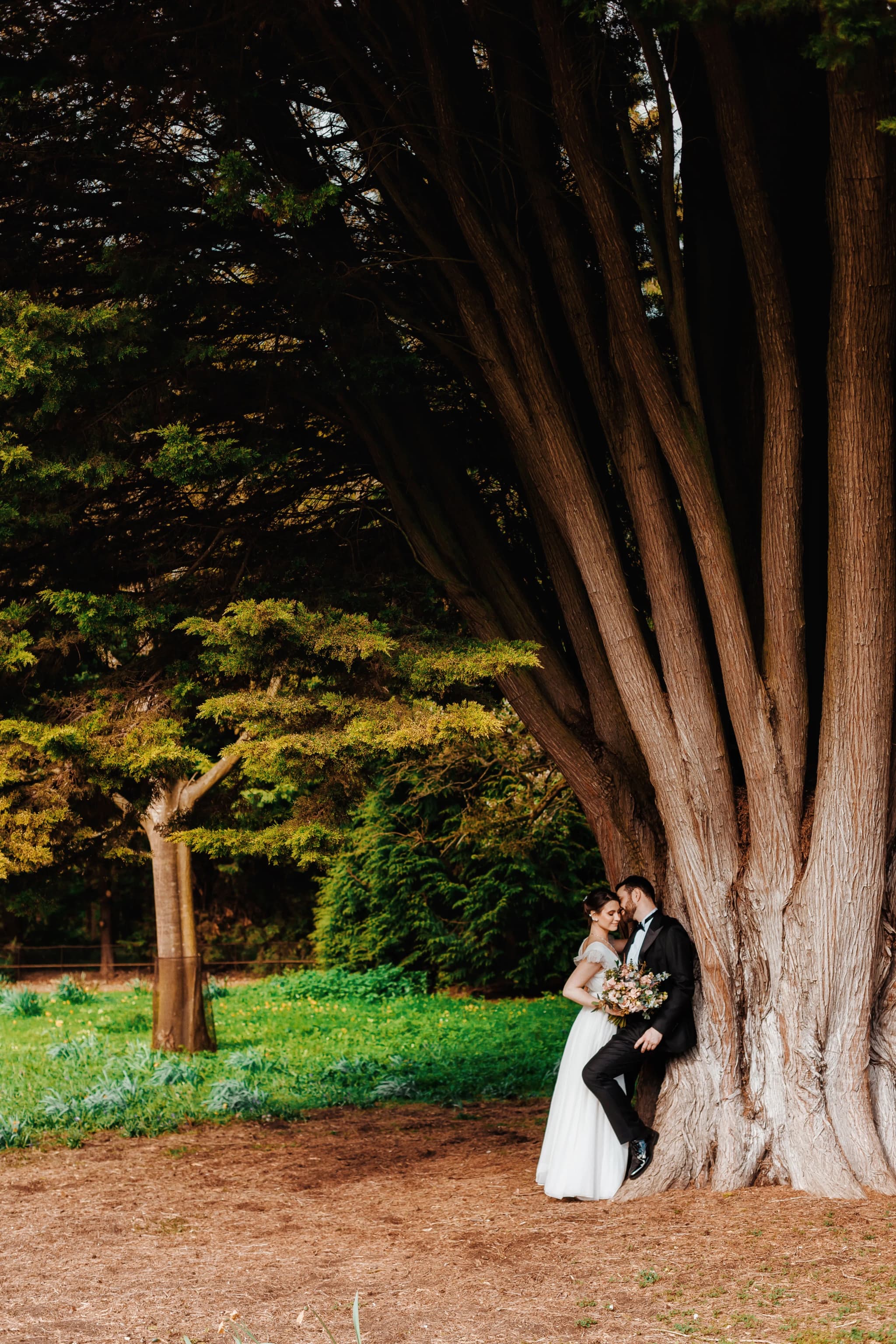
This is exactly why couples planning their day benefit from thinking about timeline and coverage together rather than as two separate decisions. If you are still working out ceremony timing, venue changeover, and when the light will be best for portraits, it is worth looking at how a realistic wedding photographer's coverage maps onto a day like yours before committing to a package length.
What You Lose With Shorter Coverage
The two things couples most commonly regret cutting to save on hours are the getting-ready coverage at the start of the day and the party atmosphere at the end. Getting-ready photographs matter more than most couples expect going in — the quiet, candid moments of a parent doing up buttons, friends laughing over prosecco, the specific nervous energy of the morning before, tend to become some of the most looked-at images in the whole gallery precisely because they cannot be recreated or staged later. If your photographer arrives only once you are dressed, that whole chapter of the day simply does not exist in your gallery.
At the other end of the day, the evening reception is where the more relaxed, unguarded, joyful images tend to happen — people dancing badly, the first dance itself, guests who have had a couple of drinks and are genuinely enjoying themselves rather than posing. A package that ends at the first dance, or worse, before it, misses the point at which many wedding days actually peak emotionally. If evening party photographs matter to you, and for most couples they do once they actually see other people's galleries, it is worth building coverage that runs at least an hour into the evening reception rather than stopping the moment cake is cut.
Travel time between venues is the other place shorter packages get squeezed unexpectedly. If your ceremony and reception are at different locations, or if you are planning a portrait session at a separate scenic spot, that travel time comes directly out of your coverage hours unless you have specifically planned for it. A photographer who is contracted for six hours and spends forty-five minutes of that driving between venues has, in practice, delivered five hours and fifteen minutes of actual photography.
Not sure what your day needs?
Every wedding timeline is different, and the right amount of coverage depends on your ceremony time, venue layout, and what matters most to you. I am always happy to talk through a rough timeline before you book and help you work out whether six, eight, or ten hours makes sense for your specific day — no pressure to book more than you need.
Get in touchWhen Full-Day Coverage Genuinely Makes Sense
Full-day coverage, typically running ten to twelve hours from early morning prep through to the end of the evening or the first hour of dancing at a full reception, tends to make the most sense for larger, more traditional weddings with a long guest list, a big age range at the party, and a day that is genuinely structured to run from breakfast to midnight. It also makes sense for weddings with a lot of moving parts — multiple locations, a religious ceremony followed by a separate civil element, a significant cultural component with its own traditions and timings that need to be documented in full.
It is worth being honest with yourself about whether a long day actually needs full-day coverage or whether it needs well-placed coverage. A ten-hour wedding day does not necessarily need ten hours of photography if there are long, low-interest gaps in the middle — a two-hour break between the wedding breakfast finishing and the evening guests arriving, for instance, where genuinely very little happens that needs documenting. Some photographers offer split coverage for exactly this reason: photography during the ceremony and daytime portion, a gap, then a return for the evening reception and first dance. This can be a more cost-effective way to get coverage of both ends of the day without paying for hours in the middle where nothing much is happening.
Second Photographers and Overlapping Coverage
A related question to hours is whether you need a second photographer, and it is worth addressing here because the two decisions interact. A second shooter does not extend your coverage hours, but it does mean two things can be documented at once — bride and groom prep happening simultaneously in different rooms, for example, or one photographer capturing the ceremony from the front while another captures guest reactions from the back. For weddings where both partners are getting ready separately at different locations, a second photographer is often more valuable than an extra hour of single-photographer coverage, because it solves a genuine coverage gap rather than simply extending the day.
If budget is tight and you have to choose between a longer single-photographer day and a shorter day with a second shooter, think about where the gap actually is. If the issue is that your day runs long and you need coverage from 9am to 11pm, more hours solve that. If the issue is that things are happening in two places at once for a portion of the morning, a second photographer solves that more directly than extra hours would.
How Coverage Length Affects the Final Gallery and Album
It is worth understanding that hours of coverage translate fairly directly into the volume and variety of images in your final gallery, which in turn affects what you have available if you are planning a wedding album afterwards. A six-hour day produces a tighter, more concentrated set of images focused on the ceremony and daytime reception. A ten-hour day produces a broader story arc, from quiet morning moments through to a properly documented evening party, which gives an album designer significantly more range to work with when building a narrative that flows from morning to night. If a printed wedding album is something you know you want, it is worth factoring that into your hours decision now rather than realising afterwards that you have plenty of ceremony images but nothing from the party that made the day feel complete.
This is also where package structure and pricing intersect in a way that is worth understanding clearly before you book. Most photographers price coverage in hourly tiers precisely because the value delivered scales with time on the day, and it is worth reviewing exactly what is included at each tier — number of edited images, turnaround time, whether an engagement shoot or album is bundled in — rather than comparing packages purely on hours and price. A detailed look at wedding photography pricing structures will usually make clear that the jump from six to eight hours, or eight to ten, is rarely a simple linear cost, and the extra value at the top end often comes from more than just additional time behind the camera.
A Practical Way to Decide
If you are still unsure, a useful exercise is to write out your day hour by hour from the moment you want photography to start to the moment you want it to stop, being honest about what genuinely matters to you rather than what you feel you should include. If getting ready with your closest friends is important to you, coverage needs to start before you are dressed. If you know you and your partner are not going to want a long, elaborate first dance and evening party photographed because you are planning a quieter, earlier finish, six or seven hours may genuinely be enough and there is no reason to pay for more. The right number of hours is the one that matches your actual day, not a default package size chosen because it seemed like the safe option.
As a general rule of thumb worth keeping in mind: eight hours covers a standard day from midday ceremony through to the start of evening dancing; ten hours adds proper morning prep coverage and a solid chunk of the evening party; anything beyond that is generally about very large weddings, multiple venues, or cultural celebrations with several distinct ceremonial elements across a long day.
If you are planning a wedding and trying to work out exactly how many hours your day will need, I am always glad to talk it through properly rather than simply sell you the biggest package available. Every couple I work with gets a timeline conversation before anything is booked, so the hours you pay for actually match the day you are planning. Yana Skakun Photography covers weddings across Cambridge and the wider region, and if you would like to talk through your timeline, get in touch and we can work out together what your day genuinely needs.

Yana Skakun
Photographer · England
Professional wedding, family and portrait photographer based in England. Passionate about capturing authentic emotions and timeless moments.
About Yana →how many hours wedding photographywedding photography coveragewedding photographer hoursUK wedding timelinewedding photography packageswedding photographer Cambridge
Photography Tips — Professional Photography in Cambridge & England
Yana Skakun is a professional photographer based in Cambridge, specialising in wedding, family, and portrait photography across England. Every session is personal — planned around your story, your people, and the moments that matter most. This guide — How Many Hours of Wedding Photography Do You Actually Need? — is part of the photography journal: practical, experience-based advice drawn from real sessions across England. Whether you arrived searching for how many hours wedding photography or wedding photography coverage, the same care and attention shapes every session Yana photographs.
Professional Photography sessions are available year-round, with bookings open across Cambridge, Ely, Huntingdon, Peterborough, and further afield — East England, London, the Midlands, and beyond. If you have specific questions about wedding photographer hours, mention it in your enquiry. Get in touch through the contact form above to check availability and discuss your session. Enquiries are welcomed from anywhere in the UK.
Frequently Asked Questions
What camera settings should I use for outdoor portraits?+
For outdoor portraits, shoot in aperture priority mode. Use a wide aperture (f/1.8–f/2.8) to blur the background and isolate your subject. Keep ISO as low as possible in good light. In bright conditions, use a neutral density filter or switch to manual to avoid overexposure at wide apertures.
What is the golden hour in photography?+
Golden hour is the period roughly 30–60 minutes after sunrise and before sunset. The sun is low in the sky, producing warm, soft, directional light that flatters skin tones and creates beautiful long shadows. It's widely considered the best natural light for portrait and outdoor photography.
How do you get sharp photos in low light?+
In low light, increase your ISO (accepting some grain), use the widest aperture your lens allows, and slow your shutter speed to the slowest you can hand-hold without camera shake (roughly 1/focal length as a guide). Use image stabilisation if available, and consider a tripod for static subjects.
What is the rule of thirds in photography?+
The rule of thirds divides the frame into a 3×3 grid. Placing your subject on one of the four intersection points — rather than dead centre — creates a more dynamic, visually interesting composition. It's a guideline, not a rule: some of the most powerful images break it deliberately.
How do you edit photos to look professional?+
Professional editing starts with shooting in RAW format. In Lightroom or similar software, correct exposure, white balance, and contrast first. Recover shadow and highlight detail. Apply gentle colour grading for mood. Be conservative with skin retouching — the goal is natural enhancement, not transformation. Consistency across a set of images is what separates professional from amateur editing.
Continue Reading
Related Articles

Photography Tips
Photography Gift Vouchers: The Most Personal Present You Can Give
5 min read · Read Article
Photography Tips
Photo Books vs Photo Albums: What Is the Difference and Which Is Better?
5 min read · Read Article
Photography Tips
Photo Gift Ideas: Turning Professional Images into Meaningful Presents
5 min read · Read Article
Get in Touch
Ready to Book Your Session?
Get in touch to discuss your vision — I'll reply within 24 hours.