Yana Skakun
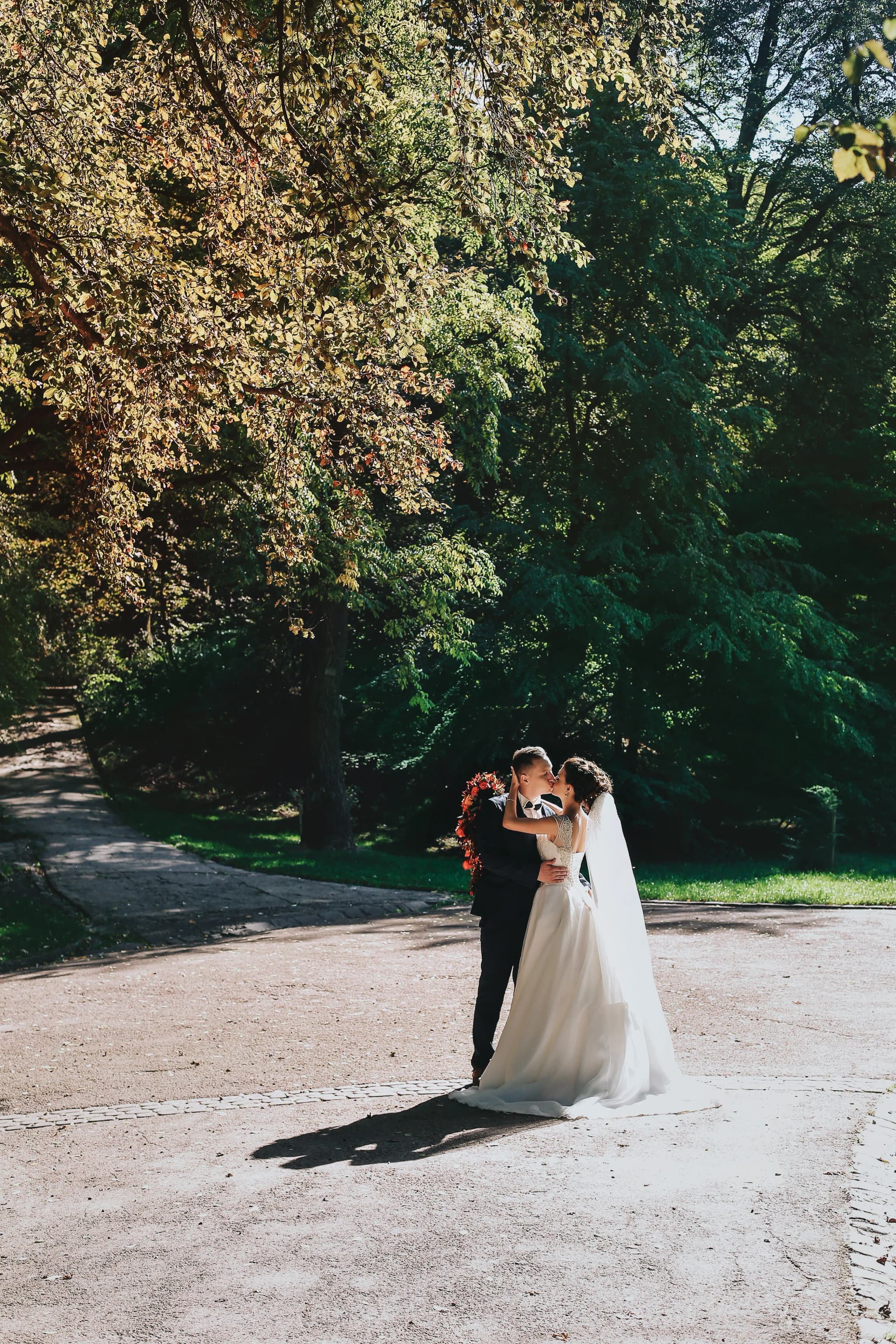
Mallorca Wedding Photography: Finca Estates, Ancient Olive Trees and the Tramuntana Mountains
By Yana Skakun·27 April 2026·7 min read
Mallorca is one of the leading destination wedding locations for British couples — accessible (2 hour 30 minute flights from most UK airports), warm from April through October, and possessed of extraordinary landscape variety: the dramatic Serra de Tramuntana mountains descending to the western coast, the ancient stone finca estates of the interior, the crystal Mediterranean coves (calas), and the sophistication of Palma with its Gothic cathedral and Arab baths. The island has a well-established wedding industry and an enormous range of venues.
The Finca Estate Wedding
The defining Mallorcan wedding setting is the finca — a traditional stone country estate, usually with olive groves, almond orchards, a terracotta-roofed farmhouse, a swimming pool, and gardens. There are hundreds of finca wedding venues on Mallorca, ranging from intimate properties for 20–30 guests to large estates accommodating 200+. The finca aesthetic — dry stone walls, ancient olive trees with gnarled trunks spanning multiple metres, the warm honey-coloured Mallorcan sandstone, and the scent of wild rosemary and thyme — is distinctive and immediately evocative.
For photography, the most valuable finca elements are the ancient olive trees (some on Mallorca are over 1,000 years old, with extraordinary sculptural trunks); the drystone walls as compositional lead-in lines; the warm stone architecture in golden hour light; and the informal, natural character of the landscape — very different from the formal European garden aesthetics of France or England.
Key Photography Locations Across Mallorca
- ◆Serra de Tramuntana: The UNESCO World Heritage mountain range running along the north-west coast of Mallorca — steep limestone escarpments dropping to the sea, terraced olive groves, and medieval hill villages (Deià, Valldemossa, Sóller). Deià in particular, with its stone houses on the hillside, the sea visible below, and the mountains above, is one of the most beautiful villages in Spain and an exceptional elopement location.
- ◆Cap de Formentor: The narrow rocky peninsula at the island's north-eastern tip — a dramatic cliff road, lighthouse, and views across to Cap de Pera and the open sea. Particularly beautiful at sunrise from the Mirador des Colomer (accessible only before tourist coach arrival, from 8am).
- ◆Sa Dragonera Natural Park: A wild uninhabited island off the south-west coast, reached by a 30-minute boat from Sant Elm. Dramatic walking trails above the cliffs with no vehicles or permanent human presence — entirely wild and extraordinary.
- ◆Palma Cathedral (La Seu): The Gothic Cathedral of Santa Maria in Palma — one of the largest Gothic cathedrals in the world, built on the old Arab fortress site directly above the sea — is a massive architectural backdrop for photography. The Parc de la Mar below it, with the reflecting pool and the Cathedral facade, is an iconic Palma composition.
- ◆Mediterranean coves (calas): Mallorca's eastern coast is cut by dozens of sandy coves accessed by footpaths through pine forest. Caló des Moro, Cala S'Almunia, and Cala Varques are among the most beautiful — turquoise water, white sand, pine-shaded cliffs — for swimming and beach portrait sessions.
Best season: May, June, and September are ideal for Mallorca weddings and photography. The wildflower and almond blossom season (February–March) is underrated for portrait photography — the island is almost empty of tourists and covered in pink and white almond blossom. July and August are very crowded and very hot. October sees the harvest of olives and the beginning of autumn light.
Mallorca Wedding and Elopement Photography
Mallorca's finca estates, ancient olive groves, and extraordinary mountain-to-sea landscape make it one of the most compelling destination wedding locations available for UK couples. I travel to Mallorca for destination weddings and elopement sessions.
Enquire About Mallorca Wedding Photography

Yana Skakun
Photographer · England
Professional wedding, family and portrait photographer based in England. Passionate about capturing authentic emotions and timeless moments.
About Yana →Mallorca wedding photographerfinca wedding MallorcaTramuntana wedding photographydestination wedding Mallorca SpainDeià elopement photographer
Destination Weddings — Professional Photography in Cambridge & England
Yana Skakun is a professional photographer based in Cambridge, covering weddings, families, and portraits across England. Every session is personal — planned around your story, your people, and the moments that matter most. This guide — Mallorca Wedding Photography: Finca Estates, Ancient Olive Trees and the Tramuntana Mountains — is part of the photography journal: practical, experience-based advice drawn from real sessions across England. Whether you arrived searching for mallorca wedding photographer or finca wedding mallorca, the same care and attention shapes every session Yana photographs.
Professional Photography sessions are available year-round, with bookings open across Cambridge, Ely, Huntingdon, Peterborough, and further afield — East England, London, the Midlands, and beyond. If you have specific questions about tramuntana wedding photography, mention it in your enquiry. Get in touch through the contact form above to check availability and discuss your session. Enquiries are welcomed from anywhere in the UK.
Frequently Asked Questions
What camera settings should I use for outdoor portraits?+
For outdoor portraits, shoot in aperture priority mode. Use a wide aperture (f/1.8–f/2.8) to blur the background and isolate your subject. Keep ISO as low as possible in good light. In bright conditions, use a neutral density filter or switch to manual to avoid overexposure at wide apertures.
What is the golden hour in photography?+
Golden hour is the period roughly 30–60 minutes after sunrise and before sunset. The sun is low in the sky, producing warm, soft, directional light that flatters skin tones and creates beautiful long shadows. It's widely considered the best natural light for portrait and outdoor photography.
How do you get sharp photos in low light?+
In low light, increase your ISO (accepting some grain), use the widest aperture your lens allows, and slow your shutter speed to the slowest you can hand-hold without camera shake (roughly 1/focal length as a guide). Use image stabilisation if available, and consider a tripod for static subjects.
What is the rule of thirds in photography?+
The rule of thirds divides the frame into a 3×3 grid. Placing your subject on one of the four intersection points — rather than dead centre — creates a more dynamic, visually interesting composition. It's a guideline, not a rule: some of the most powerful images break it deliberately.
How do you edit photos to look professional?+
Professional editing starts with shooting in RAW format. In Lightroom or similar software, correct exposure, white balance, and contrast first. Recover shadow and highlight detail. Apply gentle colour grading for mood. Be conservative with skin retouching — the goal is natural enhancement, not transformation. Consistency across a set of images is what separates professional from amateur editing.
Continue Reading
Related Articles
Destination Weddings
Ireland Wedding Photography Guide: Wild Atlantic Way, Castles and the Emerald Landscape
9 min read · Read Article
Destination Weddings
Loch Lomond Wedding Photography: Scotland's Most Accessible Highland Landscape
7 min read · Read Article
Destination Weddings
Gretna Green Elopement Photography: Scotland's Famous Blacksmith and the Border Village
7 min read · Read Article
Get in Touch
Ready to Book Your Session?
Get in touch to discuss your vision — I'll reply within 24 hours.