Yana Skakun
Maternity Photoshoot Ideas for Every Season
By Yana Skakun·22 March 2026·6 min read
One of the questions I am asked most often by expectant parents is whether there is a "best" time of year to have maternity photographs taken. The honest answer is that every season in England has something to offer, and the season you happen to be pregnant in is rarely something you can plan around anyway. What matters far more than the calendar is the stage of pregnancy you are at, the light you are working with, and choosing locations and styling that suit both the weather and your own comfort. Over the years I have photographed bumps in blossom-filled gardens in April, in golden barley fields in August, in the amber woodland of Anglesey Abbey in October, and by a warm window at home in the depths of January — and every one of those sessions has produced images the family has loved. This guide walks through what I think about for each season, along with the timing question that actually matters more than any of them: when in your pregnancy to book.
Why the 28–34 Week Window Matters More Than the Season
Before we get to seasonal ideas, it is worth being clear about timing, because this is the detail that most affects how your session actually feels. Most photographers, myself included, recommend scheduling the session itself somewhere between 28 and 34 weeks. By 28 weeks the bump is usually well-defined and photographs beautifully — there is a clear, rounded shape to work with rather than the more ambiguous silhouette of earlier pregnancy. By 34 weeks that shape is at its fullest and most pronounced, which is often exactly the look parents have in mind when they picture maternity photographs.
Push much beyond 36 weeks and practical difficulties tend to creep in. Standing for a full session, walking to a location, holding a pose for more than a few seconds, or getting up and down from sitting positions can all become genuinely uncomfortable in the final weeks, and there is always the possibility that baby arrives early and the window closes altogether. I generally suggest booking the date itself around 20 weeks, well before you need to commit to an exact day, so the slot is secured and we can then agree the precise date closer to the time based on how you are feeling and what the weather is doing.
Within that 28–34 week window, the specific week matters less than people expect. What matters more is choosing a time of day when you have energy — for most people that is mid-morning or late afternoon rather than immediately after a long day at work — and being realistic about how long you want to be on your feet. A session does not need to be long to produce a full and varied set of images; comfort produces far better photographs than endurance.
Spring Maternity Sessions (March–May)
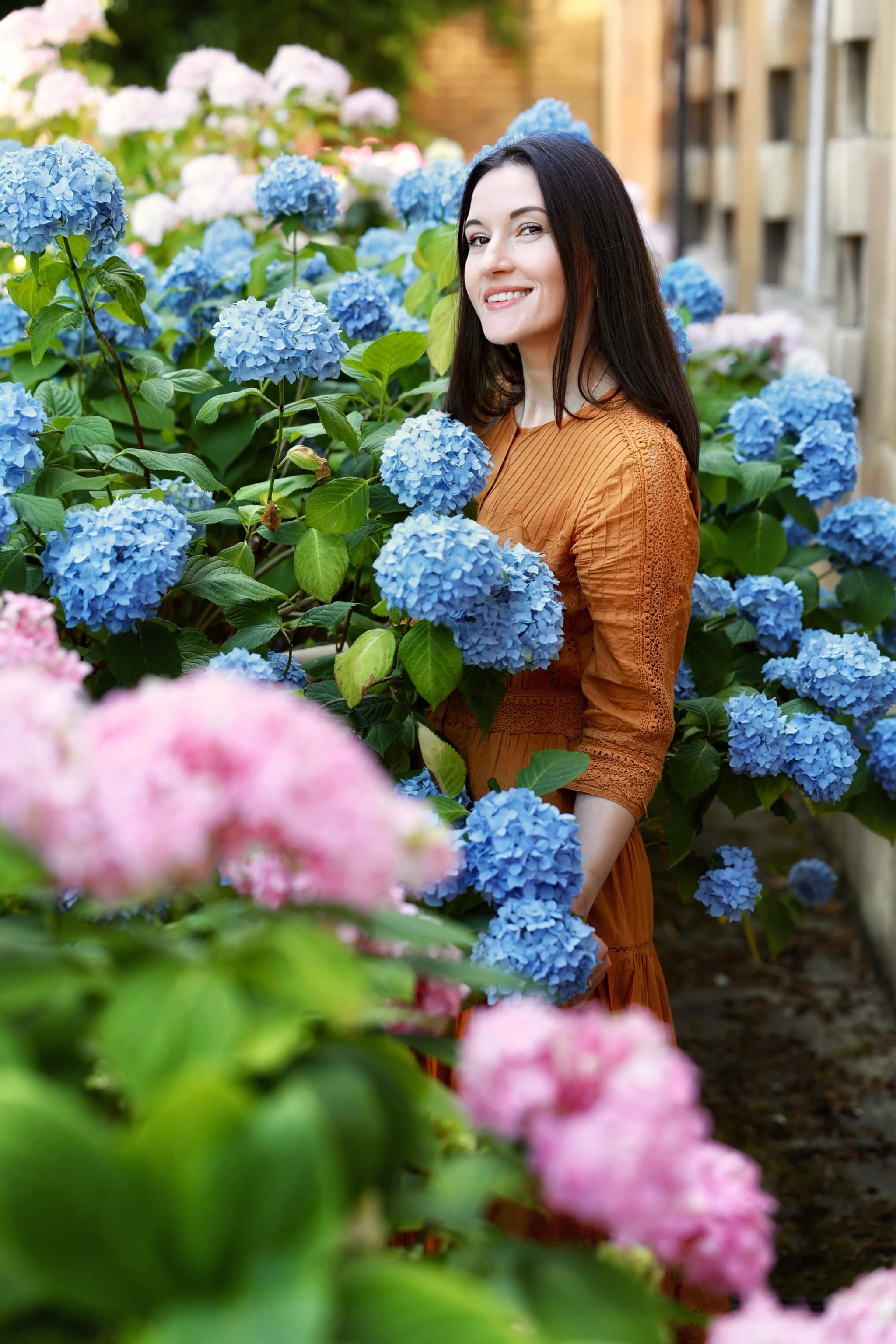
Spring is a wonderful season for maternity photography because the landscape is doing so much of the work for you. Blossom trees, fresh green foliage, and the particular softness of spring light all photograph beautifully alongside a bump, and there is a natural symbolism in new growth that many parents find meaningful without it ever needing to be stated outright. Cambridge Botanic Garden has a strong collection of flowering magnolia and cherry trees that peak in late March and April, and Christ's Pieces in the city centre often has blossom avenues that work well for shorter sessions if travelling further afield is not practical.
Bluebell woods are the other great spring option, though the window is narrow — usually the last week of April into the first week or so of May, depending on the year's weather. The canopy of bluebells creates a soft blue-violet carpet with dappled overhead light that is genuinely one of the most flattering natural backdrops available at any time of year. Because the peak is short and weather-dependent, I keep a close eye on several woodland locations from mid-April onwards and will suggest a date once the bluebells are close to their best.
For styling, spring favours soft pastels, florals, and light fabrics that move gently in the breeze without feeling too heavy against the fresh green backdrop. A flowing dress in a pale blush, sage, or dusty blue tends to sit beautifully against blossom or bluebells without competing with it. Spring afternoons can still carry a chill, particularly in the shade of a woodland, so a light cardigan or wrap to put on between shots is worth bringing even on a day that looks warm from indoors.
Summer Maternity Sessions (June–August)
Summer offers the longest days and the greatest flexibility of timing, but it also brings the strongest and least forgiving light of the year, so a little more planning goes into a summer session than any other. Midday sun in July is harsh and creates hard shadows that flatter almost nobody, so I generally avoid scheduling summer sessions between roughly eleven and four unless we have deep shade available. Early morning, before the heat builds, or the golden hour from around seven to nine in the evening are both far more flattering and far more comfortable, especially in the later stages of pregnancy when overheating is a real concern.
Open countryside comes into its own in summer — wildflower meadows, fields of ripening wheat or barley, and hedgerow-lined footpaths around the villages outside Cambridge all offer a sense of space and abundance that suits the season. For families who want to combine the session with a short trip, the Norfolk and Suffolk coastlines are within reasonable reach and give a completely different feel: driftwood, dunes, and soft evening light over the sea.
Lightweight, flowing fabrics work best in summer heat, both for comfort and for how they move in photographs. White and cream dresses photograph beautifully against green summer landscapes, and warm terracotta or dusty pink tones sit well against a wheat field or golden hour light. Whatever is chosen, comfort has to come first — a session where you are visibly too hot rarely produces the relaxed, natural expressions that make the best maternity images.
Autumn Maternity Sessions (September–November)
Autumn is consistently the most requested season for maternity photography in England, and it is easy to see why. The warm palette of turning leaves — amber, rust, deep gold — provides a naturally beautiful backdrop that needs almost no additional styling to look considered and cohesive. Anglesey Abbey and Wimpole Estate are both excellent choices within easy reach of Cambridge, with mature woodland and long avenues that reach striking colour through October, and the lower autumn sun produces the kind of warm, flattering light that photographers spend the rest of the year chasing.
Wrap colours in amber, rust, burgundy, and warm caramel tones sit naturally within an autumn woodland and photograph with real richness against the turning leaves. Knitted wraps and cosy layers also suit the season practically as well as visually — October mornings can be genuinely cold, and a soft knit layer keeps you comfortable while adding texture to the images. Misty autumn mornings, when they occur, add a further layer of atmosphere that is difficult to recreate at any other time of year, though I always build flexibility into autumn bookings since fog is not something anyone can schedule with certainty.
Because autumn is so popular, and because the best colour window at any given location tends to last only two or three weeks, I recommend booking earlier than you might for other seasons if autumn woodland is the look you have in mind. Dates around the peak colour weekends in mid to late October are usually the first to be taken.
Planning your session
Whatever season you are due to be in the 28–34 week window, I am happy to talk through location and styling options that suit both the time of year and how you are feeling. Sessions are relaxed, unhurried, and built around your comfort first.
Enquire about a maternity sessionWinter Maternity Sessions (December–February)
Winter is the season people most often assume is off the table for maternity photography, but it is one of my favourites to work with precisely because it forces a different approach. With short days, low light levels, and genuinely cold temperatures, outdoor sessions need to be well planned around the brief window of usable daylight, generally mid-morning to early afternoon, and I always build in flexibility to move a date if conditions turn genuinely unpleasant rather than just cold.
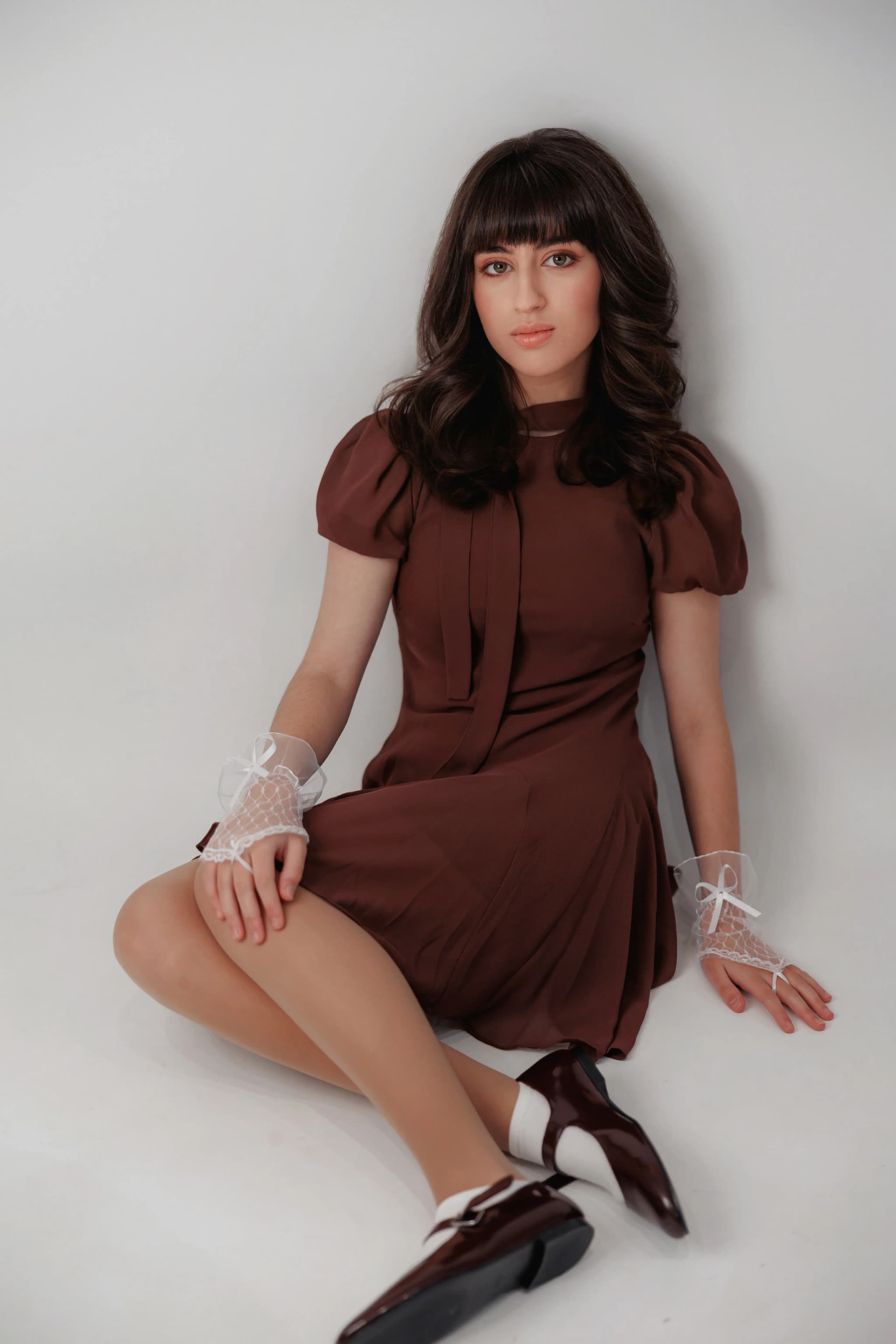
Indoor lifestyle sessions come into their own in winter and are, for many families, actually the preferred option regardless of the time of year. Photographing at home by a large window with soft natural light produces warm, intimate images of the nursery being prepared, quiet moments on the sofa, and the everyday textures of the space baby will actually come home to — something that is much harder to capture convincingly on location. A minimalist indoor studio setting with warm, neutral tones is another strong winter option when outdoor light is unreliable.
On the rare occasions when frost or a dusting of snow does appear, it creates a genuinely striking, high-contrast backdrop unlike anything available at other times of year, and I keep an eye on the forecast for any families who would like to take the opportunity if conditions allow. For styling, winter suits deep jewel tones — burgundy, forest green, midnight blue — which photograph beautifully both against a stark winter landscape and against the warm indoor light of a lifestyle session. Whatever the setting, warm layers between shots are essential; nobody looks relaxed in photographs while visibly cold.
Choosing What Actually Suits You
With all of that said, I want to be honest that the "right" season is ultimately the one you happen to be in, and every one of the approaches above can be adapted to work regardless of exactly when your due date falls. If you are due in the depths of winter but have your heart set on a woodland feel, an indoor session with autumnal styling and warm tones can achieve much of that atmosphere. If you are heavily pregnant through a heatwave, an early morning session before the heat builds can still deliver the soft, glowing light that makes summer maternity photographs so appealing. The season shapes the options available, but it does not have to dictate the outcome.
What I care about most in any maternity session, whatever the time of year, is that you leave feeling like the images genuinely reflect this particular stage of your life — a little tired, perhaps, but glowing, anticipating, and surrounded by whoever you want to share the moment with. Locations and colour palettes are the framework, but the actual photographs come from you feeling comfortable enough to relax into the session rather than perform for it. If you would like to talk through timing, location, or styling for your own maternity session, get in touch and we can find an approach that suits your due date, whichever season it happens to fall in.

Yana Skakun
Photographer · England
Professional wedding, family and portrait photographer based in England. Passionate about capturing authentic emotions and timeless moments.
About Yana →maternity photography ideasseasonal maternity photoshootoutdoor maternity photos ukmaternity session ideas spring summer autumn winter
Maternity — Professional Photography in Cambridge & England
Yana Skakun is a professional photographer based in Cambridge, covering weddings, families, and portraits across England. Every session is personal — planned around your story, your people, and the moments that matter most. This guide — Maternity Photoshoot Ideas for Every Season — is part of the photography journal: practical, experience-based advice drawn from real sessions across England. Whether you arrived searching for maternity photography ideas or seasonal maternity photoshoot, the same care and attention shapes every session Yana photographs.
Professional Photography sessions are available year-round, with bookings open across Cambridge, Ely, Huntingdon, Peterborough, and further afield — East England, London, the Midlands, and beyond. If you have specific questions about outdoor maternity photos uk, mention it in your enquiry. Get in touch through the contact form above to check availability and discuss your session. Enquiries are welcomed from anywhere in the UK.
Frequently Asked Questions
What camera settings should I use for outdoor portraits?+
For outdoor portraits, shoot in aperture priority mode. Use a wide aperture (f/1.8–f/2.8) to blur the background and isolate your subject. Keep ISO as low as possible in good light. In bright conditions, use a neutral density filter or switch to manual to avoid overexposure at wide apertures.
What is the golden hour in photography?+
Golden hour is the period roughly 30–60 minutes after sunrise and before sunset. The sun is low in the sky, producing warm, soft, directional light that flatters skin tones and creates beautiful long shadows. It's widely considered the best natural light for portrait and outdoor photography.
How do you get sharp photos in low light?+
In low light, increase your ISO (accepting some grain), use the widest aperture your lens allows, and slow your shutter speed to the slowest you can hand-hold without camera shake (roughly 1/focal length as a guide). Use image stabilisation if available, and consider a tripod for static subjects.
What is the rule of thirds in photography?+
The rule of thirds divides the frame into a 3×3 grid. Placing your subject on one of the four intersection points — rather than dead centre — creates a more dynamic, visually interesting composition. It's a guideline, not a rule: some of the most powerful images break it deliberately.
How do you edit photos to look professional?+
Professional editing starts with shooting in RAW format. In Lightroom or similar software, correct exposure, white balance, and contrast first. Recover shadow and highlight detail. Apply gentle colour grading for mood. Be conservative with skin retouching — the goal is natural enhancement, not transformation. Consistency across a set of images is what separates professional from amateur editing.
Get in Touch
Ready to Book Your Session?
Get in touch to discuss your vision — I'll reply within 24 hours.