Yana Skakun
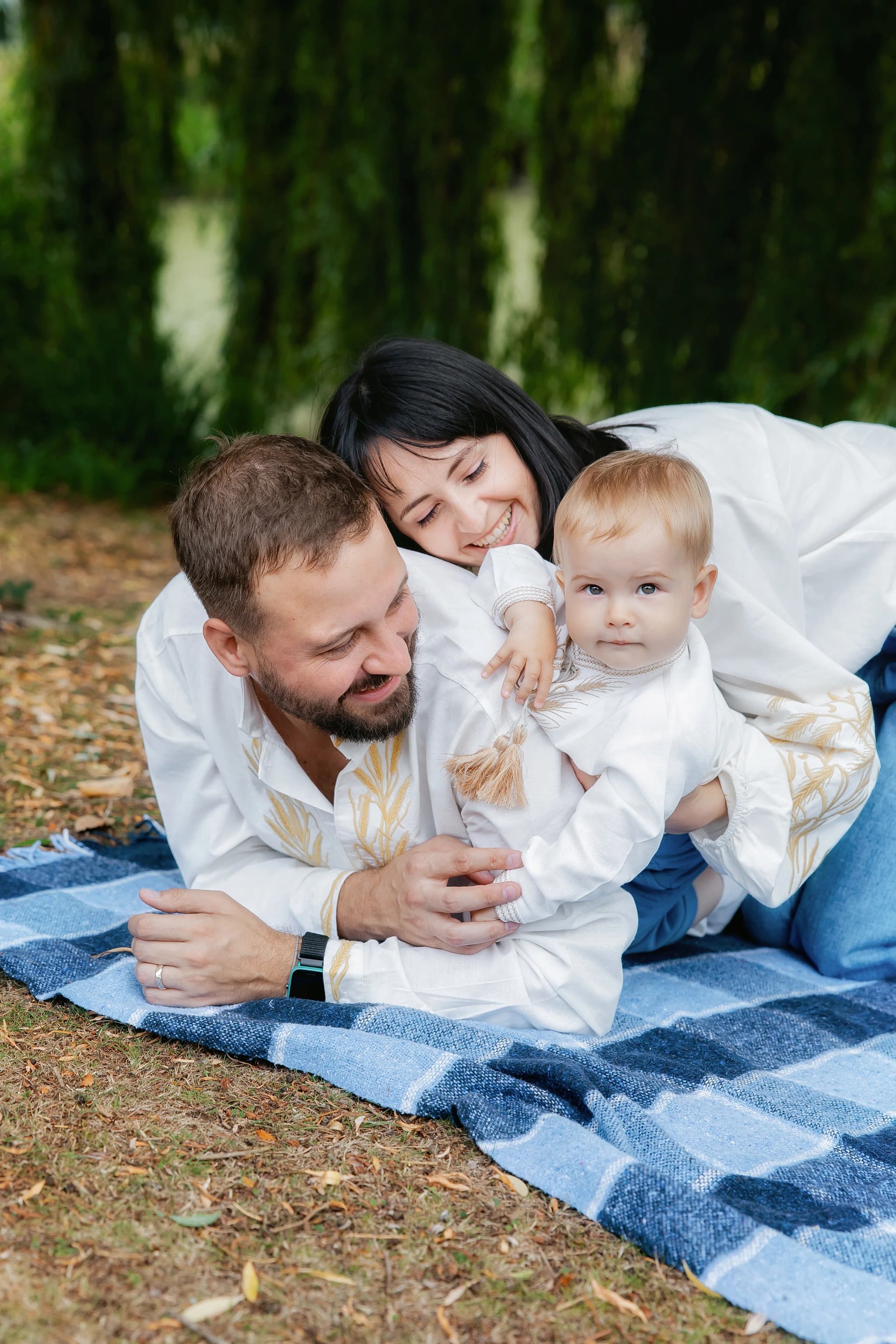
The best portrait photography locations in Nottingham
By Yana Skakun·1 June 2027·6 min read
Nottingham is not a city I am based in, but it is one I travel to often, and over a number of portrait sessions there I have come to genuinely love how much variety it offers within a fairly compact area. Most cities of a similar size give you one or two decent portrait locations and a lot of compromise in between. Nottingham gives you an Elizabethan prodigy house with a working deer park, the remnant of England's most famous royal forest, a Victorian arboretum with genuinely exceptional specimen trees, and a riverside embankment that would not look out of place in a much larger European city — all within a twenty-minute drive of each other. For anyone planning a portrait, family, or couples session in or around Nottingham, this guide covers the locations I use most, what each one is actually like to shoot in, and how to think about timing, light, and clothing so the session works in your favour rather than against it.
Wollaton Park & Hall
Wollaton Hall is, without much competition, the single best portrait backdrop in Nottingham. It is a 1588 prodigy house designed by Robert Smythson, the same architect behind Hardwick Hall and Longleat, and it sits deliberately raised on a sandstone ridge so that it announces itself from every approach across the park. The building now houses a natural history museum, but for portrait purposes what matters is the 300 hectares of parkland around it, which carries genuine herds of red and fallow deer grazing freely across open grassland with the Hall visible behind them. That combination — deer, parkland, and an unmistakably grand house in the background — is the image most people picture when they think of a Nottingham portrait, and for good reason.
The park is not one uniform landscape, which is part of why I keep returning to it. South of the Hall there are formal gardens with clipped structure and more architectural framing. To the north there is a lake bordered by mature willows, which gives soft, low, waterside light in the early morning and a completely different mood from the open grassland. Scattered through the wider parkland are veteran oaks old enough to have real character in their trunks and canopy, useful for couples or family portraits where you want texture behind the subjects rather than open sky. Evening golden hour on the open grassland, with the deer moving in loose groups and their silhouettes catching the low sun, is the single most requested look I get asked to recreate from this location, and it genuinely does deliver.
Practically speaking, Wollaton is a working public park with a fairly steady flow of visitors, so weekday mornings or the last hour or two before closing tend to be calmer than a weekend afternoon. The deer are wild animals rather than tame attractions, so I never plan a session around getting close to them — any interaction is a bonus, not something to build the whole shoot on.
Sherwood Forest & the Country Park
Sherwood Forest once covered roughly a fifth of Nottinghamshire as a royal hunting ground; what survives today at Edwinstowe is a country park built around one of the most famous trees in England, the Major Oak, thought to be somewhere between eight hundred and a thousand years old. What draws me back to Sherwood for portraits is not really the Major Oak itself, which has a fenced perimeter to protect its roots and is more a landmark to visit than a backdrop to shoot against, but the wider stretch of ancient oak and birch woodland around it. These are old-growth pollard oaks with huge, hollowed, twisted trunks and hanging ivy, and the atmosphere they create is genuinely different from managed or planted woodland — moodier, more textured, and increasingly rare to find intact in lowland England.
I favour early morning at Sherwood, ideally before the visitor centre opens and the car parks fill, because the ancient woodland at that hour is quiet and the light comes through the oak and birch canopy in a way that feels genuinely undisturbed. Autumn is the standout season here: the bracken underfoot turns a deep gold-copper, the birch canopy goes yellow, and the old oaks take on an almost theatrical, brooding presence that suits couples' portraits and more atmospheric family sessions particularly well. It is a location that rewards patience rather than a tight schedule — walking the woodland paths and working with whatever pocket of light or interesting tree presents itself tends to produce better images than trying to hit a single fixed spot at a fixed time.
The Arboretum & Central Parks
Nottingham Arboretum, opened in 1852 and designed by Samuel Curtis, is one of the oldest public parks in England, and its seventeen acres pack in a remarkable density of mature specimen trees for somewhere so close to the city centre. There is a substantial weeping ash, several towering Wellingtonias, a pagoda tree, and generous plantings of mature limes and chestnuts, all set within a formal Victorian layout of curving paths, a central lake, and terraced banks. For portraits, the Arboretum offers something the larger parks around Nottingham cannot: a sense of intimacy and architectural formality alongside genuine botanical interest, which makes it particularly well suited to smaller, more contained sessions where you want detail and structure in the background rather than sweeping open landscape.
A short distance from the city there are two further options worth knowing about. Colwick Country Park, on the Trent, gives riverside and lake portrait settings with open, eastward light and much less sense of the city pressing in around you, which suits couples wanting a quieter, more rural feel without leaving Nottingham entirely. Newstead Abbey, the Byron family seat, offers formal gardens, genuine medieval ruins, and parkland at a slightly greater distance, and is worth the drive for portrait sessions where a more dramatic, storied backdrop is the priority.
The Trent Embankment
The Victoria Embankment follows the north bank of the River Trent through the south of the city — a mile-and-a-bit riverside walk of formal gardens, mature plane trees, war memorials, and boating facilities that gives Nottingham something genuinely rare among East Midlands cities: a proper urban river portrait setting, closer in feeling to a continental boulevard than a typical English park. It works best in early morning or late evening, when the light runs low and directional along the water rather than flat overhead, and the combination of reflective river, hard paving, and mature tree canopy gives a tonal range you simply do not get in the parkland locations. Trent Bridge itself, a Grade II* listed structure dating to 1871, adds a strong architectural anchor if you want a backdrop with a clear sense of place rather than pure greenery.
This location suits couples and individual portrait sessions particularly well — it photographs as distinctly Nottingham in a way that woodland or parkland locations, which could technically be almost anywhere in the Midlands, do not. If a session is partly about capturing a sense of the city itself rather than just a flattering backdrop, the Embankment is usually where I steer people.
Planning a Nottingham portrait session
Each of these locations suits a different mood and a different kind of light, and I am happy to talk through which one fits your session before any booking is confirmed.
Get in touch about Nottingham datesTiming, Light, and What to Wear
As with almost any outdoor portrait work, timing matters more than most people expect. The hour after sunrise and the two hours before sunset give the lowest, warmest, most flattering light across all four of these locations, and I plan sessions around those windows wherever a family or couple's schedule allows it. Wollaton and the Embankment both benefit enormously from golden hour specifically — the deer-and-Hall shot at Wollaton and the riverside light on the Embankment both depend on the sun sitting low rather than high overhead. Sherwood and the Arboretum are more forgiving through the middle of the day because the woodland canopy filters and softens direct light naturally, though early morning is still my preference there for the quiet as much as the light.
On clothing, the same general principle applies across all four locations: mid-tones and natural colours photograph better than very bright or very dark clothing against greenery, sandstone, or water. Camel, olive, rust, deep teal, and soft neutrals all sit comfortably against Nottingham's parkland and woodland backdrops without fighting the background for attention. Wollaton's open grassland and Sherwood's woodland paths can both be genuinely muddy after rain, so footwear worth thinking about in advance — wellies for children, flat boots for adults — makes a real difference to how relaxed everyone is during the session rather than how carefully they are tiptoeing around puddles.
Nottingham rewards a bit of planning more than most cities I shoot in, simply because the four locations above are different enough from each other that the right choice genuinely depends on what you are after — grandeur and wildlife at Wollaton, atmosphere and ancient woodland at Sherwood, intimate Victorian formality at the Arboretum, or a proper sense of the city itself along the Trent. I am always glad to talk through which setting suits your family, your couple, or your individual portrait session before anything is booked, so if you are considering a session in or around Nottingham, get in touch and we can work out the location and timing together.







Yana Skakun
Photographer · England
Professional wedding, family and portrait photographer based in England. Passionate about capturing authentic emotions and timeless moments.
About Yana →Nottingham portrait locationsWollaton Hall photographySherwood Forest portraitsportrait photographer Nottingham outdoorNottingham Arboretum photography
Tips & Advice — Professional Photography in Cambridge & England
Yana Skakun is a professional photographer based in Cambridge, covering weddings, families, and portraits across England. Every session is personal — planned around your story, your people, and the moments that matter most. This guide — The best portrait photography locations in Nottingham — is part of the photography journal: practical, experience-based advice drawn from real sessions across England. Whether you arrived searching for nottingham portrait locations or wollaton hall photography, the same care and attention shapes every session Yana photographs.
Professional Photography sessions are available year-round, with bookings open across Cambridge, Ely, Huntingdon, Peterborough, and further afield — East England, London, the Midlands, and beyond. If you have specific questions about sherwood forest portraits, mention it in your enquiry. Get in touch through the contact form above to check availability and discuss your session. Enquiries are welcomed from anywhere in the UK.
Frequently Asked Questions
What camera settings should I use for outdoor portraits?+
For outdoor portraits, shoot in aperture priority mode. Use a wide aperture (f/1.8–f/2.8) to blur the background and isolate your subject. Keep ISO as low as possible in good light. In bright conditions, use a neutral density filter or switch to manual to avoid overexposure at wide apertures.
What is the golden hour in photography?+
Golden hour is the period roughly 30–60 minutes after sunrise and before sunset. The sun is low in the sky, producing warm, soft, directional light that flatters skin tones and creates beautiful long shadows. It's widely considered the best natural light for portrait and outdoor photography.
How do you get sharp photos in low light?+
In low light, increase your ISO (accepting some grain), use the widest aperture your lens allows, and slow your shutter speed to the slowest you can hand-hold without camera shake (roughly 1/focal length as a guide). Use image stabilisation if available, and consider a tripod for static subjects.
What is the rule of thirds in photography?+
The rule of thirds divides the frame into a 3×3 grid. Placing your subject on one of the four intersection points — rather than dead centre — creates a more dynamic, visually interesting composition. It's a guideline, not a rule: some of the most powerful images break it deliberately.
How do you edit photos to look professional?+
Professional editing starts with shooting in RAW format. In Lightroom or similar software, correct exposure, white balance, and contrast first. Recover shadow and highlight detail. Apply gentle colour grading for mood. Be conservative with skin retouching — the goal is natural enhancement, not transformation. Consistency across a set of images is what separates professional from amateur editing.

Get in Touch
Ready to Book Your Session?
Get in touch to discuss your vision — I'll reply within 24 hours.