Yana Skakun
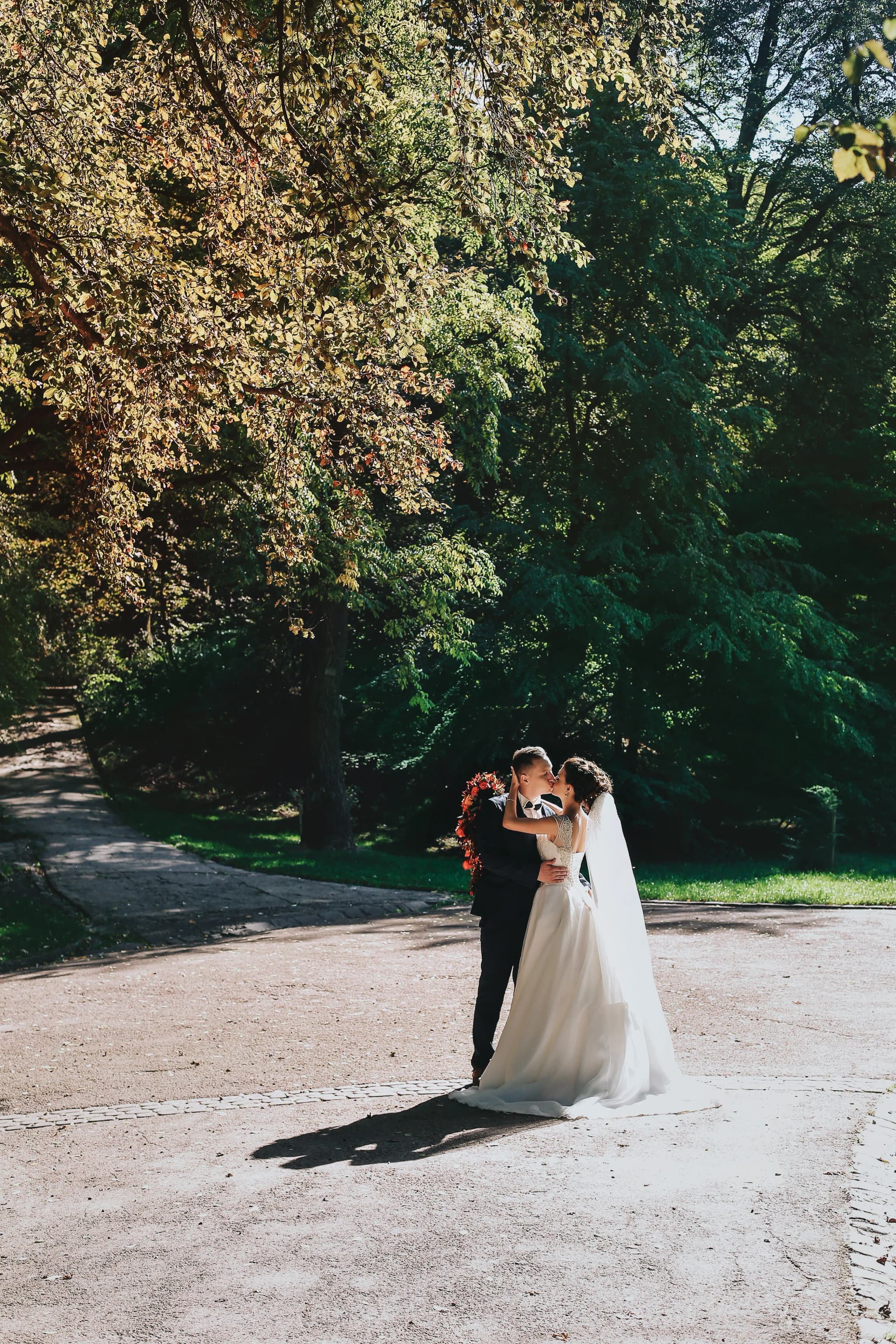
Tuscany Wedding Photography: Vineyards, Cypress Trees & Golden Italian Light
By Yana Skakun·11 March 2026·8 min read
Tuscany is Italy at its most romantic — rolling hills striped with vineyards and cypress avenues, honey-coloured hilltop towns, Renaissance cities, and a quality of warm golden light that is unlike anywhere else in Europe. For UK couples dreaming of a Tuscan wedding, the region offers an extraordinary canvas: from intimate vineyard ceremonies to grand villa celebrations, with photography that is rich, warm, and full of Italian character.
Tuscany's Most Beautiful Wedding Destinations
- ◆Chianti: The wine-producing heartland of Tuscany — rolling hills covered in vines and olive groves, medieval hilltop villages, and agriturismo estates that host wonderful rustic weddings. San Gimignano, Greve, and Radda are all beautiful.
- ◆Val d'Orcia: UNESCO World Heritage landscape — the iconic photographs of cypress-lined hilltop roads and golden harvest fields are here. Pienza and Montepulciano are extraordinary.
- ◆Florence: The Renaissance jewel of Tuscany — the Duomo, Ponte Vecchio, Boboli Gardens, and extraordinary light reflecting off ancient stone. For couples who want a cultural and architectural backdrop.
- ◆Siena: Dramatic medieval city with a spectacular central piazza (the Campo) and beautifully preserved Gothic architecture. A different aesthetic from the soft countryside.
- ◆Lucca: A perfectly preserved walled Renaissance city surrounded by gardens and countryside. More intimate and less visited than Florence, with wonderful narrow streets.
- ◆The Maremma coast: Southern Tuscany's wild coastline — Etruscan heritage, pine forests, and a more rugged and authentic feeling than the tourist-heavy north.
The Tuscan Light
One of the reasons Tuscany produces such extraordinary photographs is the quality of its light. The combination of warm Mediterranean sun, golden sandstone architecture, and the dust stirred by harvest creates a luminous, amber-gold quality to the afternoon light — particularly in late summer and early autumn — that is simply magical for portrait and wedding photography.
The best light is typically from 4pm onwards — warm, directional, and very photogenic. I always plan for a golden hour session, even if it means a slightly unconventional ceremony timing.
💡 Best season: September and early October are my recommendation for Tuscany. The harvest is underway (beautiful golden light and activity in the vineyards), temperatures are cooler than August, and the tourist crowds have thinned. The combination of harvested fields, cypress trees, and warm evening light is the classic Tuscan wedding image.
Tuscan Vineyard Weddings
Getting married at a Tuscan vineyard — at an agriturismo or wine estate — is the dream for many UK couples. The stone farmhouses draped in roses, the vine-covered pergolas, the cantina where wine is stored in enormous barrels, the terrace looking out over rolling hills: these create a very specific warmth and authenticity that you cannot replicate anywhere else.
Vineyards in the Chianti Classico zone between Florence and Siena are particularly popular. Look for estates around Greve in Chianti, Panzano, and Gaiole for the most photogenic settings.
Planning a Tuscan Wedding from the UK
I recommend working with a local Italian wedding planner who speaks both English and Italian and understands the legal and logistical requirements. UK couples marrying legally in Italy need to allow 6–12 months planning time for documentation. Many couples opt for a symbolic ceremony in Tuscany, with the legal ceremony at their local UK register office before or after.
Tuscany wedding photography
Planning a Tuscan wedding, elopement, or engagement session? I travel to Italy for destination weddings. Get in touch to discuss your plans.
Destination Wedding Photography →

Yana Skakun
Photographer · England
Professional wedding, family and portrait photographer based in England. Passionate about capturing authentic emotions and timeless moments.
About Yana →Tuscany wedding photographerwedding photography Tuscany UKTuscan vineyard weddingChianti wedding photographyVal d'Orcia wedding elopement
Destination Weddings — Professional Photography in Cambridge & England
Yana Skakun is a professional photographer based in Cambridge, covering weddings, families, and portraits across England. Every session is personal — planned around your story, your people, and the moments that matter most. This guide — Tuscany Wedding Photography: Vineyards, Cypress Trees & Golden Italian Light — is part of the photography journal: practical, experience-based advice drawn from real sessions across England. Whether you arrived searching for tuscany wedding photographer or wedding photography tuscany uk, the same care and attention shapes every session Yana photographs.
Professional Photography sessions are available year-round, with bookings open across Cambridge, Ely, Huntingdon, Peterborough, and further afield — East England, London, the Midlands, and beyond. If you have specific questions about tuscan vineyard wedding, mention it in your enquiry. Get in touch through the contact form above to check availability and discuss your session. Enquiries are welcomed from anywhere in the UK.
Frequently Asked Questions
What camera settings should I use for outdoor portraits?+
For outdoor portraits, shoot in aperture priority mode. Use a wide aperture (f/1.8–f/2.8) to blur the background and isolate your subject. Keep ISO as low as possible in good light. In bright conditions, use a neutral density filter or switch to manual to avoid overexposure at wide apertures.
What is the golden hour in photography?+
Golden hour is the period roughly 30–60 minutes after sunrise and before sunset. The sun is low in the sky, producing warm, soft, directional light that flatters skin tones and creates beautiful long shadows. It's widely considered the best natural light for portrait and outdoor photography.
How do you get sharp photos in low light?+
In low light, increase your ISO (accepting some grain), use the widest aperture your lens allows, and slow your shutter speed to the slowest you can hand-hold without camera shake (roughly 1/focal length as a guide). Use image stabilisation if available, and consider a tripod for static subjects.
What is the rule of thirds in photography?+
The rule of thirds divides the frame into a 3×3 grid. Placing your subject on one of the four intersection points — rather than dead centre — creates a more dynamic, visually interesting composition. It's a guideline, not a rule: some of the most powerful images break it deliberately.
How do you edit photos to look professional?+
Professional editing starts with shooting in RAW format. In Lightroom or similar software, correct exposure, white balance, and contrast first. Recover shadow and highlight detail. Apply gentle colour grading for mood. Be conservative with skin retouching — the goal is natural enhancement, not transformation. Consistency across a set of images is what separates professional from amateur editing.
Continue Reading
Related Articles
Destination Weddings
Ireland Wedding Photography Guide: Wild Atlantic Way, Castles and the Emerald Landscape
9 min read · Read Article
Destination Weddings
Loch Lomond Wedding Photography: Scotland's Most Accessible Highland Landscape
7 min read · Read Article
Destination Weddings
Gretna Green Elopement Photography: Scotland's Famous Blacksmith and the Border Village
7 min read · Read Article
Get in Touch
Ready to Book Your Session?
Get in touch to discuss your vision — I'll reply within 24 hours.