Yana Skakun
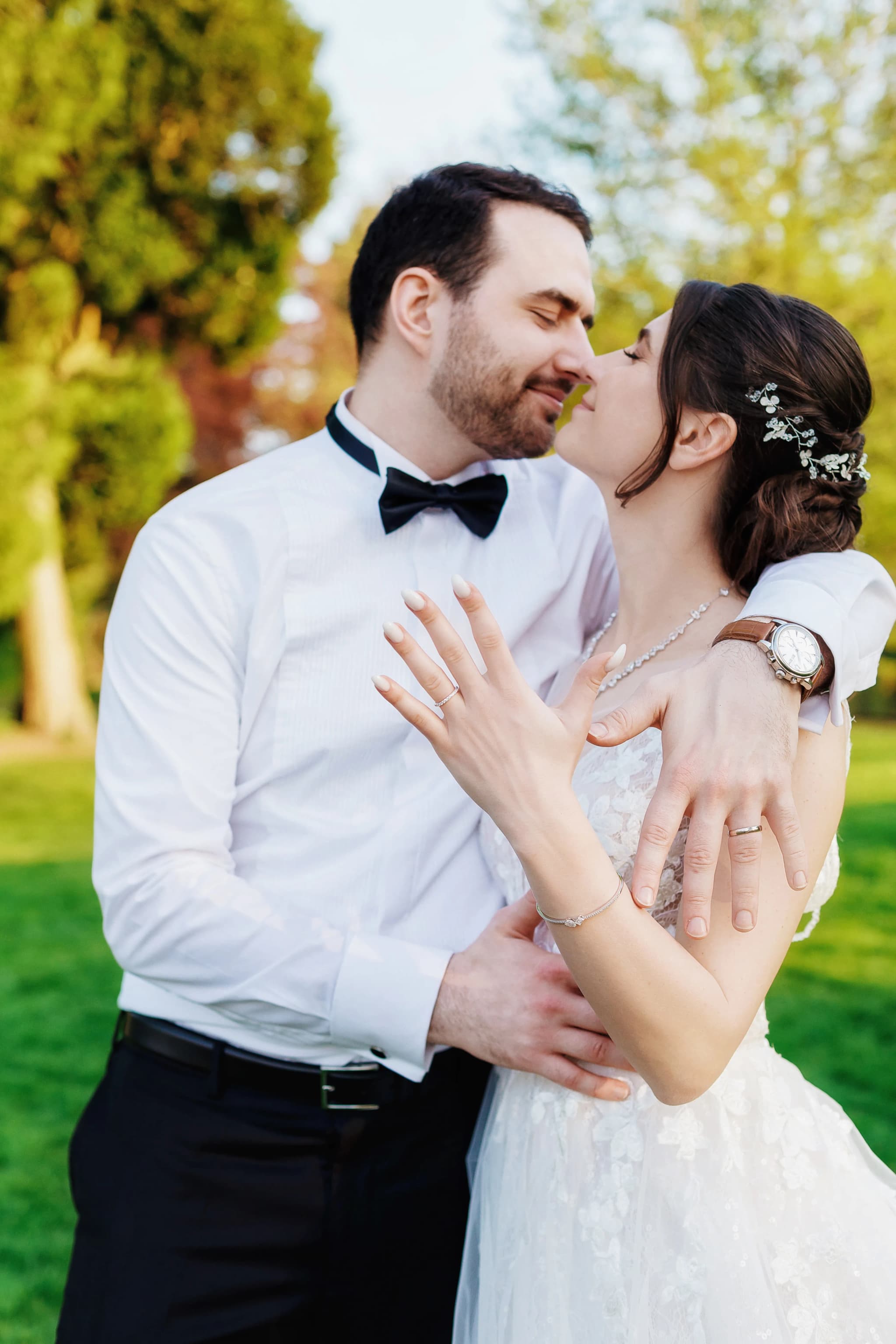
Yorkshire Dales elopement guide: Locations, planning & photography
By Yana Skakun·3 November 2026·11 min read
The Yorkshire Dales is one of England's most breathtaking backdrops for an elopement — a landscape shaped over millennia into something that feels both ancient and alive. Limestone pavements cracked by frost and rain, drystone walls tracing the curves of hillsides, waterfalls threading through narrow ravines, and the widest, most dramatic skies in northern England combine to make this national park a destination unlike anywhere else for couples seeking an intimate, unforgettable ceremony. I have photographed elopements here in every season and in every kind of weather, and I can say without hesitation that the Dales rewards the couples who come prepared and open to whatever the day brings.
Why the Yorkshire Dales Works So Well for Elopements
Elopements succeed when the setting carries emotional weight of its own, and the Dales does this effortlessly. There is a sense of permanence here — the field barns have stood for three hundred years, the limestone was laid down in warm shallow seas three hundred and fifty million years ago, and the becks and rivers have been carving their valleys since the last ice age. When you stand on the limestone pavement above Malham Cove or look out across Wensleydale from the high road between Hawes and Aysgarth, that perspective makes everything feel appropriately significant. A ceremony in this landscape is not dwarfed by its surroundings; it is given scale and meaning by them.
For couples who feel that a traditional wedding venue does not represent who they are, the Dales offers the opposite of a function room. There are no seating plans to agonise over, no catering minimums, no DJ, and no obligation to invite anyone you do not genuinely want there. It is just you, your partner, the landscape, and the light. That simplicity is exactly what makes elopement photographs from this part of England so powerful — every frame is authentic.
The national park draws visitors, so choosing less obvious spots matters. Aysgarth Falls near Hawes is stunning but can be busy on summer weekends. The upper reaches of Swaledale beyond Keld, the quiet limestone country above Arncliffe in Littondale, or the moorland approaches to Pen-y-ghent give you the grandeur without the crowds. I always scout locations with specific couples in mind, because the right spot for a dramatic, moody shoot in January is rarely the same as the right spot for soft evening light in late May.
The Best Specific Locations Across the Dales
Malham Cove is the location most people think of first, and with good reason. The curved limestone cliff face rises eighty metres above the valley floor, and the limestone pavement on top is one of the most distinctive natural surfaces in Britain — a cracked, fissured expanse that looks almost lunar in low winter light and turns silver-grey in overcast summer conditions. The walk from Malham village takes around forty minutes at a gentle pace, which gives elopement couples a chance to settle into the day before the ceremony spot arrives. Sunrise and early morning visits before nine o'clock usually mean near-solitude even in summer.
Bolton Abbey in Wharfedale is a different register entirely. The ruined Augustinian priory, founded in 1154 and dissolved under Henry VIII, sits on a bend of the River Wharfe surrounded by parkland and managed woodland. The combination of medieval stonework, moving water, and deciduous trees makes it genuinely versatile across all four seasons — the bluebells in the Valley of Desolation in May, the amber beech woodland in October, and the frost-covered ruins in winter are all exceptional. Note that the Bolton Abbey estate is private land managed by the Devonshire Estate and ceremonies on the grounds require prior arrangement and a fee.
For couples who want genuine remoteness, the upper valleys of Swaledale and Wharfedale above Buckden offer high moorland, gritstone outcrops, and a silence that is increasingly rare in England. The road over Fleet Moss between Hawes and Buckden reaches over five hundred metres and the views across the Dales from the top are extraordinary. In clear conditions you can see for forty miles. I have photographed elopements up here in February snowfall and in September evening light and it is difficult to choose which is more remarkable.
Understanding the Legalities Before You Plan
This is the most important practical matter to understand before booking anything. In England and Wales, an outdoor ceremony on open or private land cannot be legally recognised as a marriage. The law requires that the legal element of your marriage takes place at a licensed venue — typically a register office or a venue holding a wedding licence. The symbolic ceremony, the vows you say to each other in the landscape, can take place absolutely anywhere, but it carries no legal standing on its own. Most elopement couples handle this by completing the legal element at the local register office on the morning of or the day before, and then travelling to their chosen Dales location for the ceremony and photographs that matter to them emotionally.
For access to the land itself, the Countryside and Rights of Way Act 2000 grants open public access to mapped open access land across England, which includes most moorland and fell land in the Yorkshire Dales National Park. This means you can walk to and hold a ceremony on this land without requiring permission from the landowner. Scheduled monuments and Sites of Special Scientific Interest may have additional restrictions, and National Trust properties or managed estates like Bolton Abbey require their own arrangements. The national park authority has a helpful access team if you have questions about a specific location.
In practice, most of the locations I recommend for Dales elopements are fully accessible without any permits or fees. The complexity only arises when couples want to use specific managed estates or areas with conservation designations, and in those cases I can help navigate what is needed.
Planning Your Logistics: Getting There and Being Prepared
The Yorkshire Dales is well connected by road but not by rail to many of its best elopement locations. The nearest major stations are Skipton for the southern Dales and Garsdale (on the Settle-Carlisle line) for the northern valleys, but most couples arrive by car. If you are travelling from Cambridge, London, or the Midlands, an overnight stay in or near the Dales the night before makes the whole day far more relaxed. Grassington, Hawes, and Leyburn are all good bases with independent hotels and excellent accommodation.
The distance and terrain involved in reaching many of the best locations is worth taking seriously. Malham Cove involves a forty-five-minute walk on well-maintained paths but with some uneven limestone at the top. The moorland routes above Swaledale can involve longer approaches over rough ground. I always ask couples to describe their fitness level and mobility when we discuss locations, not to exclude anyone but to match the location to what is genuinely comfortable on a day that is already emotionally significant. Many couples choose to carry a change of shoes for the approach and arrive at the ceremony spot in their full wedding attire. Others wear practical footwear throughout and that is equally valid — the Dales does not require high heels.
Weather in the Dales is unpredictable year-round. I always build flexibility into the timeline and I carry weather-appropriate equipment including a large umbrella that can shelter two people. In my experience, some of the most beautiful photographs come from sessions where the weather was not what anyone planned — a passing squall that clears to reveal dramatic light across the valley, or a fine mist on the moors that turns everything soft and romantic. I encourage couples to embrace rather than fear the Dales weather. A clear blue sky in August is lovely; a dramatic cloudscape in October is extraordinary.
Choosing the Right Season for Your Dales Elopement
Each season in the Yorkshire Dales offers something genuinely different, and the best choice depends on the mood and atmosphere you are drawn to. Late April and May bring the wildflower season — wood anemones and bluebells in the valley woodlands, yellow globe flowers on the damp meadows near becks, and a vivid green on the hillsides that is only present for a few weeks before summer bleaches it out. The light at this time of year is clean and the evenings are lengthening rapidly, which means late afternoon sessions in May can run until eight or nine o'clock.
Summer in the Dales means long golden evenings but also the peak visitor season, particularly in August. If you choose a summer elopement, I recommend either a very early morning start (sunrise at this latitude in June is before five o'clock and the light is exceptional) or a late afternoon session planned to extend into the golden hour. September is arguably the most reliable month — the visitor numbers drop, the heather on the higher moorland turns purple and then bronze, the harvest light is warm and directional, and the weather is statistically more settled than August.
Winter elopements in the Dales are for the adventurous and I love them completely. The low sun angle between November and February means the light is golden from mid-morning until mid-afternoon, the landscape loses its summer green and becomes a study in greys, ochres, and blues, and snow coverage on the higher fells transforms the entire experience. I have photographed couples in light snow on the limestone above Malham and it is among the most beautiful work I have ever made. The practical requirements are more demanding — layers, warmth, shorter sessions — but the results are worth every degree of cold.
Planning a Yorkshire Dales Elopement?
I work with couples at every stage of elopement planning — from choosing the right location and season to navigating access and logistics on the day. Get in touch to talk through your vision for the Dales and I'll share specific recommendations based on what matters most to you.
Start the conversation →What to Expect on the Day Itself
An elopement day in the Yorkshire Dales has a different rhythm from a traditional wedding day, and that is one of its greatest pleasures. There is no schedule to keep, no guests to manage, and no anxiety about whether the venue is ready. What there is instead is time — time to walk slowly, to notice the landscape around you, to feel genuinely present at one of the most significant moments in your lives. I build sessions to allow for this. We are not rushing from shot to shot with a checklist; we are following the light and responding to what the landscape offers on that particular day.
I photograph elopements in a documentary style, which means I am working quietly in the background for much of the session, capturing the natural moments between you — the glance, the laugh, the moment after the vows when you both realise it is done. I will also take time for a small number of composed portraits, because those are the images couples often treasure most in the long run. The balance between the two comes naturally from the session and from how the couple feel in front of the camera. Most people who describe themselves as awkward about being photographed find that the Dales backdrop helps them forget I am there.
The Yorkshire Dales is a landscape that asks something of the people who come to it — a willingness to walk, to be exposed to the elements, and to trust that the imperfect and unplanned moments are often the most beautiful ones. Every elopement I have photographed here has produced images that the couple could not have anticipated when they arrived at the trailhead. That is exactly what the Dales does best.

Yana Skakun
Photographer · England
Professional wedding, family and portrait photographer based in England. Passionate about capturing authentic emotions and timeless moments.
About Yana →Yorkshire Dales elopementelope in YorkshireYorkshire elopement photographerintimate wedding Yorkshire DalesYorkshire Dales wedding locations
Venue Guides — Wedding Photography in Cambridge & England
Yana Skakun photographs weddings across England, with particular expertise in regional venues and the distinct lighting and architectural challenges each space presents. Coverage areas include Cambridgeshire, East England, London, and the Midlands. This guide — Yorkshire Dales elopement guide: Locations, planning & photography — is part of the photography journal: practical, experience-based advice drawn from real sessions across England. Whether you arrived searching for yorkshire dales elopement or elope in yorkshire, the same care and attention shapes every session Yana photographs.
Wedding Photography sessions are available year-round, with bookings open across Cambridge, Ely, Huntingdon, Peterborough, and further afield — East England, London, the Midlands, and beyond. If you have specific questions about yorkshire elopement photographer, mention it in your enquiry. Get in touch through the contact form above to check availability and discuss your session. Enquiries are welcomed from anywhere in the UK.
Frequently Asked Questions
What are the best wedding venues in Cambridgeshire?+
Cambridgeshire has excellent options across every budget and style. King's College Chapel and Trinity Hall offer iconic Cambridge settings. Anstey Hall and Ely Cathedral provide classic country house and cathedral drama. Granchester Meadows and various farm venues suit couples wanting a relaxed outdoor feel. The region's historic colleges, riverside venues, and country estates make it one of England's finest wedding destinations.
How do I find a hidden gem wedding venue?+
Look beyond the first page of Google results. Talk to your photographer and caterer — suppliers who work at venues regularly know which ones are genuinely beautiful to work in versus just well-photographed. Visit venues in person rather than relying on Instagram. Historic house venues, working farms, and privately-owned estates sometimes offer exceptional beauty without the premium price of established commercial venues.
What is the average cost of a wedding venue in England?+
Venue hire in England typically ranges from £2,000 to £15,000+ depending on region, exclusivity, catering arrangements, and guest numbers. London and the Home Counties tend to be at the higher end. East Anglia and the Midlands offer excellent venues at more accessible price points. Some venues quote a total minimum spend including catering, so always understand what's included.
Can you get married outside in England?+
Since 2022, couples in England and Wales can legally marry in a wider variety of outdoor settings, though regulations are still evolving. Many licensed venues now offer outdoor civil ceremonies. Check with your local Register Office for current rules and licensing requirements if you want a legal outdoor ceremony.
What is a dry hire wedding venue?+
A dry hire venue provides the space only — you arrange all your own suppliers (caterers, bar, furniture, decorations, entertainment). It gives maximum flexibility and can be more cost-effective than all-inclusive venues, but requires more coordination. Make sure you understand what's included: some 'dry hire' venues include tables and chairs, others are literally just a shell space.

Get in Touch
Ready to Book Your Session?
Get in touch to discuss your vision — I'll reply within 24 hours.