Yana Skakun

Author Headshots & Book Cover Photography: The Portrait Behind the Book
By Yana Skakun·4 August 2033·6 min read
Author photographs serve a function that is genuinely different from any other professional portrait I take. They appear not in a business context but in a literary one — on the back jacket of a book, on an author page, at the bottom of a review, and increasingly across the social platforms where authors now build their readership directly. They communicate something about voice, sensibility, and personality before a single page of the actual book has been read. A well-crafted author portrait makes a reader feel they know something genuine about the person whose words they are about to trust with their time.
This is a higher bar than the standard professional headshot, and it requires a different photographic approach from a corporate LinkedIn portrait. Author portraits should feel literary, personal, and specific rather than corporate — they should look like a person who thinks and writes for a living, not like someone who has simply had their photograph taken between meetings.
What to Think About Before Your Session
The most useful preparation for an author portrait session is spending some time looking at author photographs you genuinely admire. Not to copy them directly, but to notice what they tend to have in common: the settings are usually meaningful rather than generic — a home library, a garden, a location with some real connection to the writer — the expressions are engaged and thoughtful rather than performing a stock version of professional normality, and there is usually something small within the image that tells a story about who this person is and what kind of writing they actually produce.
It is also worth thinking in advance about what aspects of your literary identity you most want the photograph to communicate. A crime novelist, a children's author, and a memoirist will typically want quite different images from each other, even if all three sessions are equally well executed from a technical standpoint. The genre and tone of your work should be legible, even subtly, in the finished portrait — a slightly harder, more shadowed light for a thriller writer reads very differently from the warm, open light that suits a children's author.
I always spend time at the start of a session talking through these questions rather than launching straight into shooting, because the right location and lighting choice really does depend on the answers.
Book Cover Photography for Self-Publishers
For self-published authors, and those considering it, cover photography is a separate but related commission from the author portrait itself. Book covers require very specific technical specifications from platforms like Kindle Direct Publishing and IngramSpark — resolution, dimensions, and bleed all need to be right — and a cover photograph that looks beautiful printed large often works surprisingly poorly at the small thumbnail sizes at which most online book covers are actually seen and clicked on by browsing readers.
I work with authors on cover photography that is designed from the outset for digital retail use — composed and lit with that thumbnail context specifically in mind, rather than optimised purely for a large print that few readers will ever encounter. This is a genuinely niche area of photography, requiring both technical knowledge of cover design requirements and an understanding of how a cover needs to read instantly, at a small size, among dozens of competing thumbnails on a search results page.
Author portrait photography in Cambridge
Literary portrait sessions for authors, using Cambridge's beautiful settings to produce images that communicate character, intelligence, and the specific sensibility of your writing voice.
Book an author portrait sessionAuthor Portraits and the Cambridge Literary Scene
Cambridge has an unusually strong literary environment — the university itself, an active calendar of literary festivals and talks, a genuine concentration of academics who also write for general readerships, and a broader intellectual culture that runs through the city's cafés, bookshops, and college libraries all mean there is a significant community of working and aspiring authors in the area. This gives me, as a local photographer, an unusually deep well of settings and context to draw on for author sessions specifically.
The Cambridge built environment provides exceptional author portrait settings well beyond the obvious college courts — quiet library reading rooms, riverside paths, second-hand bookshops with genuine character, and the kind of quietly distinguished architecture found throughout the city that gives exactly the atmospheric backdrop author photographs benefit from without ever feeling like a cliché.
Working With Traditionally Published Authors
Authors working with a traditional publisher usually need to supply an author photograph that meets their publisher's own specifications — a particular resolution, sometimes a specific crop or orientation for the jacket design, and often a requirement that the image reads clearly in black and white as well as colour, since many jacket designs still use monochrome author photographs regardless of how the rest of the cover is treated. I always check these requirements with authors in advance of a session so the final images are genuinely usable by the publisher, rather than beautiful but technically unsuitable for the jacket layout.
It is also worth discussing with your editor or publicist, where you have one, roughly what tone they are expecting for your genre and imprint before the session, since publishing houses do have house preferences that are worth accommodating even within a personal, characterful portrait.
Updating Your Author Photograph Over Time
Many authors keep the same author photograph for years, sometimes across several books, and there is nothing wrong with that if the image still genuinely represents you. But a portrait taken a decade ago, for a debut novel in a very different genre from what you are writing now, often no longer serves the author or the work well. I would always encourage authors to think of their portrait as something to revisit every few years, or whenever their writing takes a meaningfully new direction, rather than a single fixed image chosen once and never reconsidered.
If you are preparing for a new release, working on a self-published cover, or simply feel your current author photograph no longer represents the writer you have become, I would be glad to talk through a session that fits your work.
Using Author Photography Across Your Platform
A modern author's photography needs extend well beyond the single jacket portrait. Author websites, newsletter headers, social media profiles, event listings, and press materials all draw on the same core set of images, often cropped and used in quite different ways. I usually recommend capturing a small range of images during a single session — a primary portrait, a couple of alternative crops and expressions, and perhaps a wider environmental shot — so you have genuine flexibility across all these different uses without needing to book a new session every time a different format is required.
This is particularly useful for authors who are actively building a public platform alongside their writing, where consistent, recognisable photography across every channel makes a real difference to how readers come to recognise and trust a name over time.
Working With First-Time and Debut Authors
For authors approaching their first author photograph, whether ahead of querying agents, preparing for a debut publication, or launching a self-published title, the whole process can feel unfamiliar and slightly exposing in a way that more experienced authors have usually made peace with. I try to make this first session as unhurried and low-pressure as possible, spending real time talking before any camera comes out, so the final images reflect genuine confidence rather than nerves. A debut author photograph carries a particular kind of significance — it is often the very first professional image the public ever sees of you, and it is worth taking the time to get it right rather than rushing it to meet a submission deadline.
Agents and editors, in my experience, rarely comment directly on an author photograph during acquisition, but a professional, well-considered image does quietly signal that you take the presentation of your work seriously, which is never a bad impression to make at any stage of the publishing process.
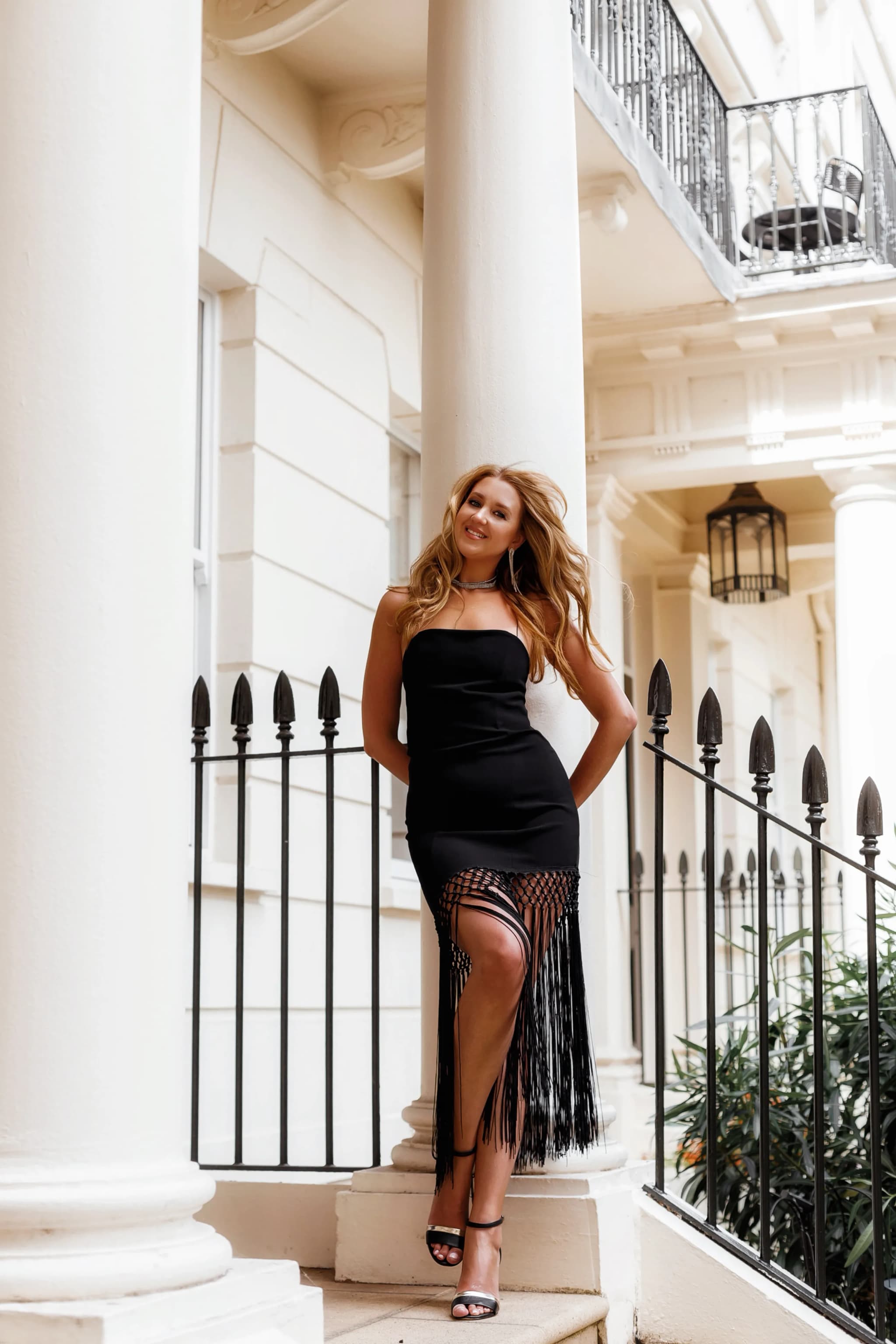


Yana Skakun
Photographer · England
Professional wedding, family and portrait photographer based in England. Passionate about capturing authentic emotions and timeless moments.
About Yana →author headshots UKbook cover photography UKauthor portraits Cambridgewriter portrait photography
Portrait Tips — Portrait Photography in Cambridge & England
Portrait sessions with Yana Skakun are unhurried and personal — designed to produce images that feel genuinely like you, not a performance. Sessions are available in Cambridge, across East England, and at locations throughout the UK. This guide — Author Headshots & Book Cover Photography: The Portrait Behind the Book — is part of the photography journal: practical, experience-based advice drawn from real sessions across England. Whether you arrived searching for author headshots uk or book cover photography uk, the same care and attention shapes every session Yana photographs.
Portrait Photography sessions are available year-round, with bookings open across Cambridge, Ely, Huntingdon, Peterborough, and further afield — East England, London, the Midlands, and beyond. If you have specific questions about author portraits cambridge, mention it in your enquiry. Get in touch through the contact form above to check availability and discuss your session. Enquiries are welcomed from anywhere in the UK.
Frequently Asked Questions
How do I look natural in portrait photos?+
The key is to keep moving — walking, talking, laughing. Still poses often look stiff. A good portrait photographer will direct you gently rather than just pointing and shooting. Take a breath, drop your shoulders, and try to focus on something that makes you happy rather than worrying about how you look.
What should I wear for a portrait session?+
Wear something you feel good in — not something borrowed or brand new that you haven't worn before. Solid colours photograph better than busy patterns. Bring a second outfit for variety. Think about the location: flowing fabrics work beautifully outdoors; tailored looks suit urban settings.
How long does a portrait session take?+
Standard portrait sessions last 60–75 minutes. This allows enough time to warm up, try different locations and poses, and explore a couple of looks without rushing. If you're very camera-shy, a longer session helps — the more relaxed you become, the better the final images.
What locations are best for outdoor portrait photography?+
Gardens, parks, riverside paths, woodland, and areas with interesting architecture all make great portrait backgrounds. The most important factor is light — a location with open shade or soft directional light will always photograph better than a technically beautiful spot in harsh midday sun.
What is the difference between a portrait session and a headshot session?+
Portrait sessions focus on you as a whole person — full-body, three-quarter, and close-up images in a relaxed, often outdoor setting. Headshot sessions focus specifically on professional or actor headshots: face and upper body, often in a controlled setting with consistent, professional lighting.
Continue Reading
Related Articles
Portrait Tips
Glasses and Glare in Photography: How to Get Great Results
6 min read · Read Article
Portrait Tips
Fake Tan Before a Photoshoot: Timing, Application, and What Can Go Wrong
6 min read · Read Article
Portrait Tips
Hair and Makeup for a Photoshoot: What Photographs Well
7 min read · Read Article
Get in Touch
Ready to Book Your Session?
Get in touch to discuss your vision — I'll reply within 24 hours.