Yana Skakun

Best Outdoor Wedding Venues in Cambridgeshire
By Yana Skakun·10 July 2026·8 min read
Cambridgeshire is one of the most generous counties in England for couples who want their wedding day to happen outdoors rather than under a hotel ceiling. The county is flat, which suits photography better than people expect — wide skies, long uninterrupted light in the evenings, and gardens and parkland that were laid out specifically to be walked through and admired. As a wedding photographer working across Cambridgeshire, I spend a lot of my year in walled gardens, orchards, riverside lawns and marquee fields, and I have a genuine sense of which outdoor venues photograph beautifully in different weather, at different times of year, and for different sizes of wedding. This guide covers the categories of outdoor venue worth considering if you want your ceremony, drinks reception or portraits to happen under open sky.
Country House Gardens and Walled Grounds
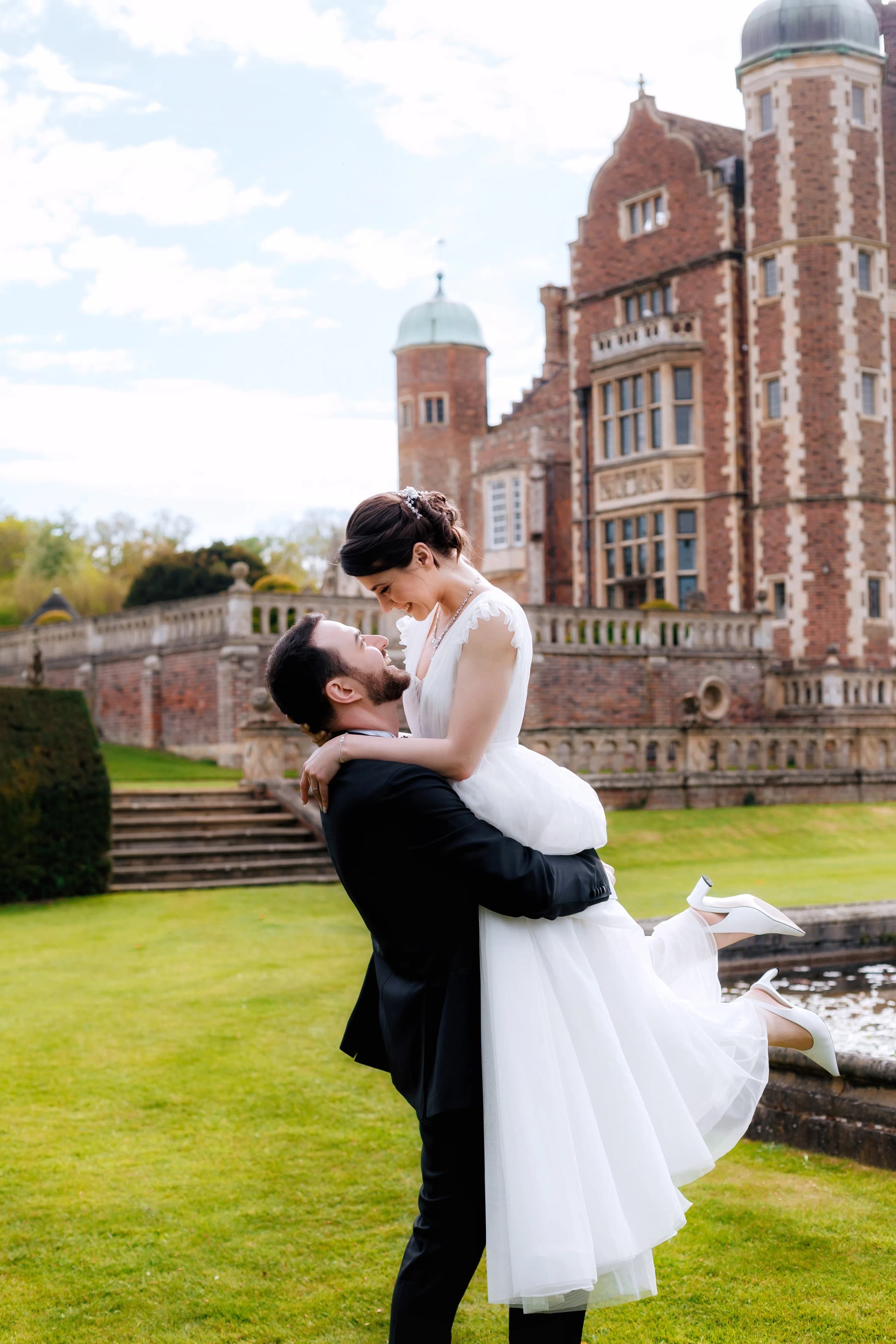
The county has a strong cluster of country house venues built around genuinely old, well-established gardens — the kind with mature yew hedging, walled kitchen gardens repurposed for ceremonies, and lawns large enough to host a marquee without feeling cramped. Places like Madingley Hall, just outside Cambridge, and Anstey Hall in Trumpington fall into this category: manor houses with formal grounds that were designed for exactly this kind of gathering long before weddings were the primary use. The advantage of a country house garden for photography is structure. Clipped hedges and avenues of trees give a sense of order and grandeur to portraits without needing much intervention from me, and walled gardens in particular create a kind of natural amphitheatre of golden brick or stone that flatters skin tones beautifully in the late afternoon.
These venues tend to have a formal garden area for ceremonies and photographs alongside a more relaxed lawn for drinks and dancing, which gives real variety across the day without any travel between locations. If you like the idea of a wedding that feels rooted in English garden tradition — roses, box hedging, gravel paths — this is the category to focus your search on.
Working Farms and Rural Estates
A different and increasingly popular strand of outdoor wedding in Cambridgeshire happens on working or former farmland — estates like South Farm near Royston, which combine open meadow, mature trees and a converted barn so the ceremony and reception can move outdoors and indoors as the day and weather require. These venues typically offer more land to work with than a country house garden, which means more variety in a single location: an orchard for the ceremony, a lake or pond for reflections, open meadow for group photographs where you are not fighting other guests for space. The character is generally more relaxed than a formal country house — less clipped hedge, more wildflower and long grass — which suits couples who want their outdoor wedding to feel unstyled and genuinely rural rather than manicured.
The trade-off with farm and estate venues is usually distance from good hard-standing paths, so it is worth thinking about footwear for older guests and anyone in heels, particularly if there has been recent rain. Most of these venues are used to this and have some kind of covered walkway or golf-buggy option, but it is a sensible question to ask at a viewing.
The Backs and Cambridge College Gardens
No guide to outdoor Cambridgeshire weddings can skip the colleges. Several Cambridge colleges host weddings in their own gardens and courts, and the combination of eight-hundred-year-old architecture with genuinely excellent horticulture is very hard to match anywhere else in England. King's College, Trinity College, Clare College and St John's College all have outdoor spaces — lawns, riverside gardens, and the famous Backs along the River Cam — that can be used for parts of a wedding day, subject to the college's own booking rules, which tend to be more particular than a commercial venue's.
The photography advantage of a college garden is the backdrop: honey-coloured stone, punts drifting past on the river, and lawns kept in genuinely immaculate condition. The practical reality is that access is often restricted to alumni, fellows, or their direct family, and the ceremony itself may need to happen in the college chapel with only the reception or photographs outdoors. If a Cambridge college wedding is the dream, it is worth starting that conversation with the college well over a year ahead, since dates and eligibility fill quickly.
Planning an outdoor wedding?
If you have a venue in mind, or you are still deciding between a handful of outdoor options in Cambridgeshire, I am always happy to talk through how a particular garden, farm or riverside spot photographs across the day, and where the light will be at your ceremony time. Have a look through some recent wedding galleries for a sense of how different outdoor venues come across, or get in touch directly to talk about your date.
Get in touchRiverside and Waterside Settings
The River Cam and the county's network of smaller waterways give Cambridgeshire a genuine advantage for couples who want water in their photographs without travelling to the coast. Beyond the college Backs, several venues around Ely, St Ives and the Fens make deliberate use of riverside or lakeside settings — reed beds, willow trees leaning over water, and the particular flat-horizon light the Fens are known for once you get outside the city. This kind of setting rewards photography in the early evening especially, when the water holds and reflects the last of the light in a way that is very difficult to recreate in a landscaped garden.
If a waterside ceremony is part of the plan, it is worth asking your venue directly about wind shelter. Open water in the Fens can mean a stiffer breeze than a walled garden a few miles away, which affects everything from hair and veils to whether an outdoor ceremony arch will stay upright. None of this rules a waterside venue out — it simply means having a sensible wet or windy-weather plan alongside the outdoor one, which any good venue coordinator will already have in place.
Orchards, Meadows and Marquee Fields
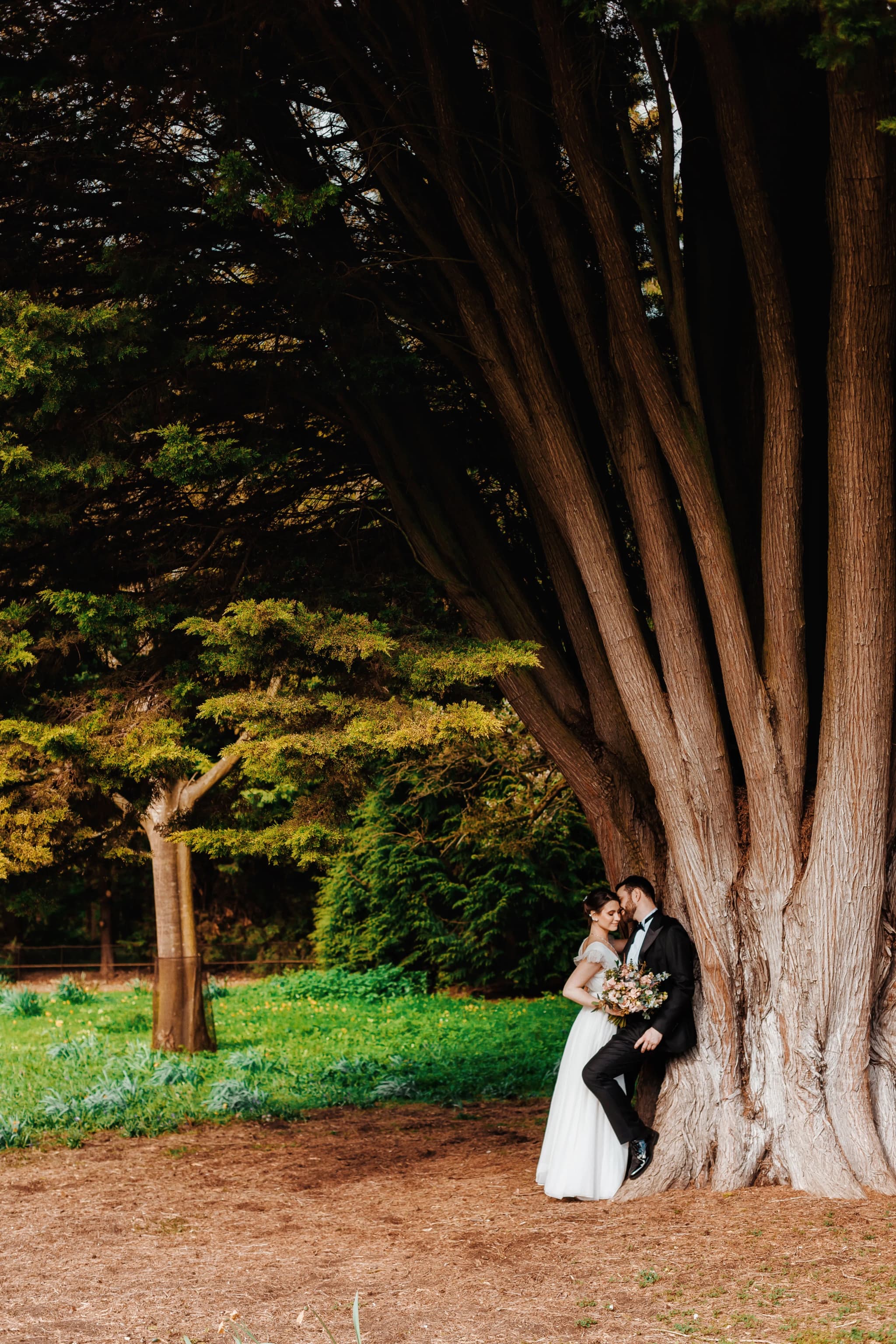
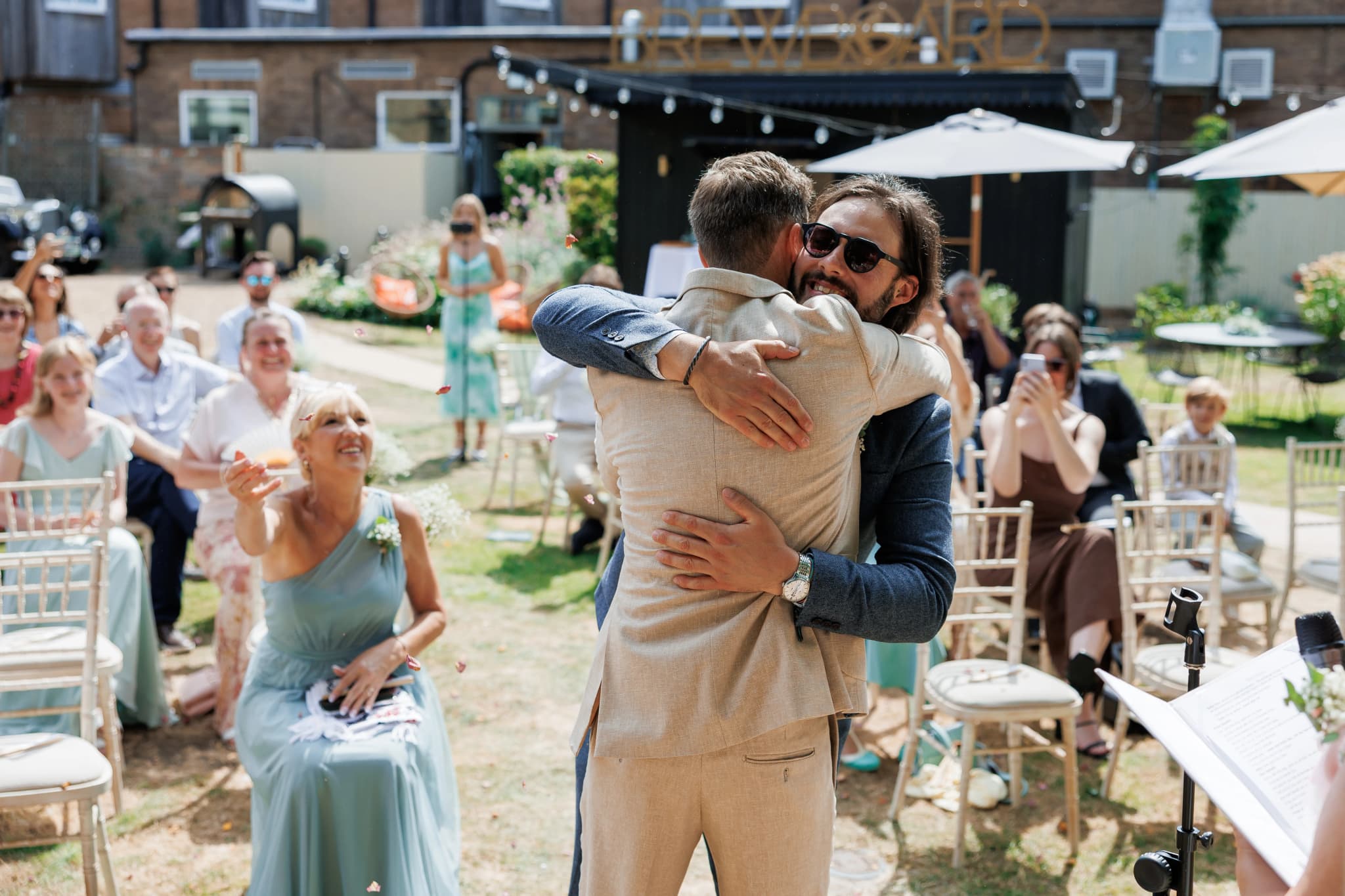
A growing number of Cambridgeshire weddings now happen entirely under canvas in a field or orchard, with a sailcloth or stretch tent as the only permanent structure and everything else — ceremony, drinks, dinner, dancing — happening outdoors around it. This style suits couples who want maximum control over how the space looks, since a bare field or orchard is essentially a blank canvas that stylists and florists can transform completely. Photographically, these settings are wonderful for wide, open shots with big skies and genuine countryside behind you, and an orchard in particular gives natural texture and dappled shade that a totally open field lacks.
The obvious consideration with a field or marquee-only wedding is the weather contingency, since there is no fallback indoor space built into the venue itself in the way a country house offers. Most couples going down this route budget for a marquee company with proper flooring and heating options from the outset, which removes most of the risk, but it is worth having that conversation early rather than assuming a fine forecast.
Botanic Gardens and Public Parkland
The Cambridge University Botanic Garden and a handful of other public or semi-public gardens across the county offer a different kind of outdoor setting again — not private grounds attached to a single venue, but curated, professionally maintained collections of trees, borders and glasshouses that change character completely through the seasons. These are generally used for portrait sessions and sometimes for smaller ceremonies with the right permissions, rather than full wedding receptions, since they remain open to the public. For couples wanting engagement photographs or a short portrait session somewhere with genuine horticultural interest — unusual specimen trees, a rock garden, a lake with waterfowl — they are an excellent option and one I use regularly outside of wedding days themselves.
Choosing the Right Outdoor Venue for Your Wedding
With this much choice, the decision usually comes down to three practical questions rather than aesthetics alone. First, how many guests, and does the venue have genuinely comfortable outdoor space for that number, plus a workable wet-weather alternative that is not simply "everyone in the marquee" if the marquee is already at capacity for dinner. Second, what time of year, since a garden that looks glorious in June can be quite bare in November, and a marquee field needs proper flooring and heating from October onwards. Third, how much travel is involved between the ceremony spot, the photograph locations and the reception space, since a beautiful setting a fifteen-minute walk from where guests are standing will eat into the time available for portraits and relaxed drinks.
My honest advice at a viewing is to ask to see the space at roughly the time of day your ceremony or drinks reception will actually happen, not simply whenever the venue can fit you in. A garden that looks flat and shadowless at midday can be transformed by five o'clock light, and knowing that in advance changes how you plan the whole day's timeline. For couples planning their wedding photography coverage, this is also exactly the kind of detail I go through during planning calls, matching the light at your venue to the timings on the day.
Making the Most of an Outdoor Venue on the Day
Whichever outdoor setting you choose, a little planning goes a long way toward genuinely beautiful photographs rather than just pleasant ones. Building in twenty to thirty minutes for portraits somewhere quiet on the grounds, ideally during the golden hour before or after the ceremony, makes a real difference. Confirming a covered or indoor fallback space with the venue well in advance, rather than assuming everyone will simply move under the marquee, avoids stress on the day itself if rain arrives. And trusting the venue's own knowledge of their grounds — where the light falls best, which corners get boggy after rain, which trees are at their best in which month — tends to produce better results than trying to recreate a photograph you saw somewhere else entirely.
Every outdoor venue in this guide has its own character, and the right one for your wedding depends on the scale of your guest list, the season, and the feeling you want the day to have — formal and gardened, relaxed and rural, or somewhere genuinely unique like a college garden or riverside meadow. Once you have chosen a venue, thinking early about your wedding album and how the day's images will be presented afterwards is worth doing alongside the venue decision, since the two shape each other more than couples often expect.
I am Yana Skakun, a Cambridge-based wedding photographer, and I photograph outdoor weddings across Cambridgeshire and the wider East of England throughout the year. If you would like to talk through venue options, light at a particular time of day, or wet-weather planning for an outdoor wedding, get in touch and I would be glad to help.

Yana Skakun
Photographer · England
Professional wedding, family and portrait photographer based in England. Passionate about capturing authentic emotions and timeless moments.
About Yana →outdoor wedding venues cambridgeshirecambridgeshire wedding venuesoutdoor wedding cambridgecountry garden wedding venuemarquee wedding cambridgeshireriverside wedding venue cambridge
Venue Guides — Wedding Photography in Cambridge & England
Yana Skakun photographs weddings across England, with particular expertise in regional venues and the distinct lighting and architectural challenges each space presents. Coverage areas include Cambridgeshire, East England, London, and the Midlands. This guide — Best Outdoor Wedding Venues in Cambridgeshire — is part of the photography journal: practical, experience-based advice drawn from real sessions across England. Whether you arrived searching for outdoor wedding venues cambridgeshire or cambridgeshire wedding venues, the same care and attention shapes every session Yana photographs.
Wedding Photography sessions are available year-round, with bookings open across Cambridge, Ely, Huntingdon, Peterborough, and further afield — East England, London, the Midlands, and beyond. If you have specific questions about outdoor wedding cambridge, mention it in your enquiry. Get in touch through the contact form above to check availability and discuss your session. Enquiries are welcomed from anywhere in the UK.
Frequently Asked Questions
What are the best wedding venues in Cambridgeshire?+
Cambridgeshire has excellent options across every budget and style. King's College Chapel and Trinity Hall offer iconic Cambridge settings. Anstey Hall and Ely Cathedral provide classic country house and cathedral drama. Granchester Meadows and various farm venues suit couples wanting a relaxed outdoor feel. The region's historic colleges, riverside venues, and country estates make it one of England's finest wedding destinations.
How do I find a hidden gem wedding venue?+
Look beyond the first page of Google results. Talk to your photographer and caterer — suppliers who work at venues regularly know which ones are genuinely beautiful to work in versus just well-photographed. Visit venues in person rather than relying on Instagram. Historic house venues, working farms, and privately-owned estates sometimes offer exceptional beauty without the premium price of established commercial venues.
What is the average cost of a wedding venue in England?+
Venue hire in England typically ranges from £2,000 to £15,000+ depending on region, exclusivity, catering arrangements, and guest numbers. London and the Home Counties tend to be at the higher end. East Anglia and the Midlands offer excellent venues at more accessible price points. Some venues quote a total minimum spend including catering, so always understand what's included.
Can you get married outside in England?+
Since 2022, couples in England and Wales can legally marry in a wider variety of outdoor settings, though regulations are still evolving. Many licensed venues now offer outdoor civil ceremonies. Check with your local Register Office for current rules and licensing requirements if you want a legal outdoor ceremony.
What is a dry hire wedding venue?+
A dry hire venue provides the space only — you arrange all your own suppliers (caterers, bar, furniture, decorations, entertainment). It gives maximum flexibility and can be more cost-effective than all-inclusive venues, but requires more coordination. Make sure you understand what's included: some 'dry hire' venues include tables and chairs, others are literally just a shell space.

Get in Touch
Ready to Book Your Session?
Get in touch to discuss your vision — I'll reply within 24 hours.