Yana Skakun

City Hall Elopement Guide: Best Town Halls in the UK for Weddings
By Yana Skakun·10 July 2026·8 min read
A city hall or register office wedding has quietly become one of the most popular ways for couples to marry in the UK, and I understand exactly why. There is something wonderful about stripping a wedding day back to its essence — the two of you, the words that make it legal, and a handful of people who matter most, all inside a beautiful civic building with none of the machinery of a large wedding around it. As a elopement photographer who has covered register office weddings across the UK, I want to walk through what actually makes a good city hall elopement, which town halls photograph beautifully, and the practical details that catch couples out if nobody warns them in advance.
What Counts as a City Hall Elopement in the UK
In the UK, "city hall elopement" is really shorthand for a legal civil ceremony at a register office or a licensed civic building, kept small and often decided upon quickly relative to a traditional wedding timeline. It is not always literally a city hall — it might be a Victorian town hall, a Georgian assembly room now used as a register office, or a purpose-built ceremony suite inside a council building. What unites them is that they are publicly owned, licensed for civil marriage, generally more affordable than a private wedding venue, and almost always architecturally interesting in a way that a generic hotel function room is not.
The appeal for couples tends to fall into a few categories. Some want a wedding day with almost no organisational overhead — book the room, turn up, sign the register, done. Others are planning a larger celebration later (a reception, a blessing abroad, a delayed party with extended family) and want the legal ceremony itself to be small and low-pressure. And some simply prefer the intimacy: two witnesses, a short ceremony, and the rest of the day spent exactly as they choose, whether that is a long lunch, a walk somewhere beautiful, or straight into photographs around the city.
Legal Basics You Need to Get Right First
Before any venue conversation, the legal groundwork has to be in place, and this is where I see couples trip up most often. In England and Wales you must give notice of marriage at your local register office at least 29 clear days before the wedding, and both partners usually need to have been resident in their respective registration districts for at least seven days immediately before giving notice. If either of you is not a UK, EEA, or Swiss national, the process can take longer and involves additional checks, so it is worth starting notice well ahead of any date you have your heart set on.
Scotland has a different system: notice must be given to the local registrar between three months and 29 days before the ceremony, using a Marriage Notice Form, and Scotland has no residency requirement, which is part of why places like Edinburgh and Glasgow are popular with couples eloping from elsewhere in the UK or abroad. Northern Ireland has its own separate notice process again, generally requiring at least 28 days.
Most register offices also require you to book the ceremony room itself separately from giving notice — two different administrative steps that couples sometimes assume are the same thing. Popular register offices, particularly ones with attractive historic rooms, get booked months in advance for Saturdays, so if a specific room matters to you, that booking should happen before you lock in anything else, including a photographer.
The Best Town Halls and Register Offices for a Photogenic Ceremony
Not every register office room is a photographer's dream, so if the setting itself matters to you, it is worth choosing deliberately. Cambridge Guildhall has a genuinely handsome civic character with high ceilings and good natural light in its main rooms, and its central location means the walk out afterwards takes you straight into some of the most photogenic streets in England. Islington Town Hall in London is a favourite among London-based couples for its striking Art Deco interior and has a strong following precisely because it looks so different from a typical hotel ballroom.
Manchester Town Hall, currently restored after years of renovation, is one of the most spectacular Gothic Revival interiors available for civil ceremonies anywhere in the country, though its scale and popularity mean early booking is essential. Liverpool's register office inside the Cunard Building on the waterfront gives you dramatic 1920s architecture and immediate access to the Three Graces and the Mersey for photographs afterwards. Edinburgh City Chambers and the register office on Victoria Street both offer couples eloping to Scotland a genuinely stunning Old Town backdrop within a short walk of the ceremony room.
For couples wanting somewhere smaller and less obviously grand, many market town register offices — historic guildhalls in towns like Bury St Edmunds, Saffron Walden, or King's Lynn — have real character at a fraction of the demand of the big-city venues, and often more flexibility on dates. If you are drawn to this style of wedding generally, it is worth browsing examples of real weddings I have photographed to get a sense of how different rooms and cities actually translate into finished images, since photographs online rarely capture what a space feels like from the inside.
Planning a city hall elopement?
I photograph register office and town hall weddings across the UK, from Cambridge and East Anglia through to London, Manchester, and Edinburgh. If you have a date and a venue in mind, or you are still deciding where to marry, I am happy to talk through logistics, timings, and what a day like this actually looks like from behind the camera.
Get in touchHow Long a Register Office Ceremony Actually Takes
One thing that surprises couples planning their first city hall wedding is how brief the ceremony itself is. A standard civil ceremony without any added readings or music typically runs 15 to 20 minutes from the moment you enter the room to the moment you sign the register and walk back out. Even with a couple of readings and personalised vows added, most register office slots are booked in 30 to 45 minute windows, including the time needed to clear the room for the next couple.
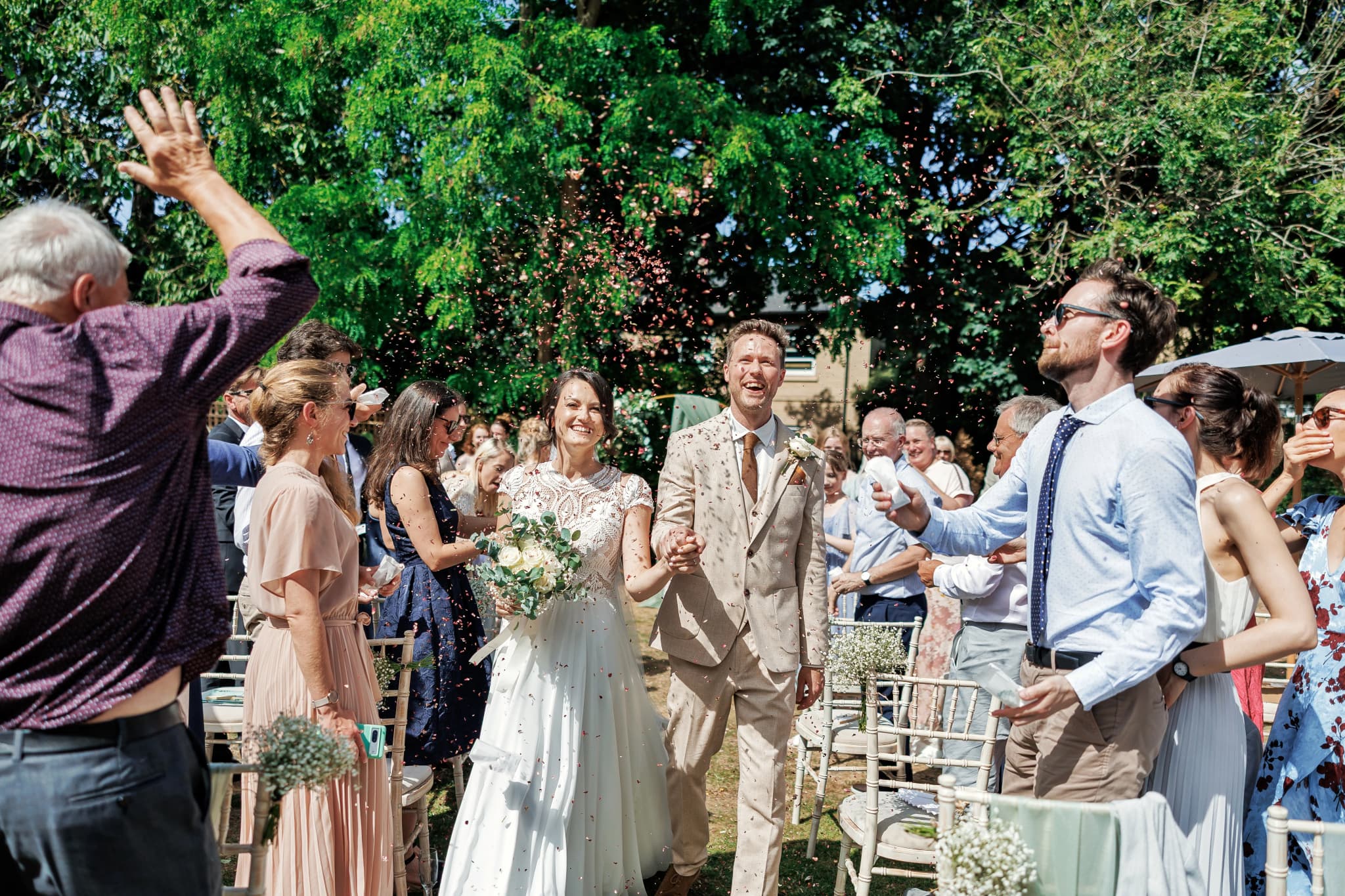
This matters enormously for planning the rest of your day, and especially for photography. If the ceremony is 20 minutes, the photography opportunity inside the room itself is genuinely brief — a handful of frames of the vows, the ring exchange, the signing, and the confetti or exit moment outside. The real photographic opportunity on a city hall elopement day usually happens before and after: getting ready, the walk to the venue, and then an hour or two afterwards exploring the city together as a married couple, which is where the most relaxed and honest images tend to come from.
Because the legal slot is so tight, register offices are strict about timing and will move you through promptly if another couple is booked afterwards. Arrive with time to spare, have your witnesses briefed on where to be and when, and treat the ceremony slot itself as the legal formality it is, saving the more expansive, unhurried part of the day for afterwards.
Building the Rest of the Day Around the Ceremony
The best city hall elopements I have photographed treat the register office slot as the anchor point of the day rather than the entirety of it. A typical structure I recommend: getting ready somewhere nearby with good light, a short walk or drive to the register office allowing generous buffer time, the ceremony itself, then two to three hours afterwards for portraits and a proper explore of wherever you have chosen to marry, before a meal together, whether that is a quiet table for two or a small group of close family and friends.
This structure gives a photographer the space to actually tell the story of your day rather than just documenting fifteen minutes of paperwork. The walk to the ceremony, the nerves and excitement beforehand, the reactions of witnesses during the vows, and then the noticeably different energy afterwards — relief, joy, that particular giddiness of having just got married — are often the images couples end up loving most, more than the formal signing shots inside the room.
If you are choosing a city specifically for its backdrop, think about what is within a genuinely comfortable walking distance of the register office, factoring in footwear, weather, and how much time you actually want to spend walking rather than being present with each other. A few well-chosen locations close together almost always work better than an ambitious cross-city itinerary that leaves you exhausted and clock-watching on what should be a relaxed day.
Choosing Witnesses and Keeping the Guest List Honest
UK law requires a minimum of two witnesses over the age of 18 at any civil marriage, and that is genuinely all you need. Many city hall elopements I photograph have exactly two guests, occasionally four, and very rarely more than a dozen — part of the appeal for most couples is that keeping numbers this small removes the guest-list politics that can consume months of a traditional wedding's planning.
If you are choosing between a handful of close people, it is worth being honest with yourself about why you are eloping in the first place. If the goal is genuine intimacy and low pressure, resist the temptation to quietly expand the guest list past what still feels calm and private. If the goal is more about avoiding cost and formality while still including your closest circle, a slightly larger elopement of ten to fifteen people at a register office followed by a relaxed pub lunch is a very well-established and genuinely lovely format that keeps the low-key spirit while still gathering the people who matter.
What a City Hall Elopement Costs Compared to a Traditional Wedding
Register office fees vary by local authority but generally sit in the £70 to £150 range for a basic weekday ceremony, with premium Saturday slots or particularly grand rooms costing more, sometimes several hundred pounds at the most sought-after venues. This is a fraction of even a modest traditional wedding venue hire, and it is one of the genuine practical draws of this style of wedding, alongside the emotional appeal of simplicity.
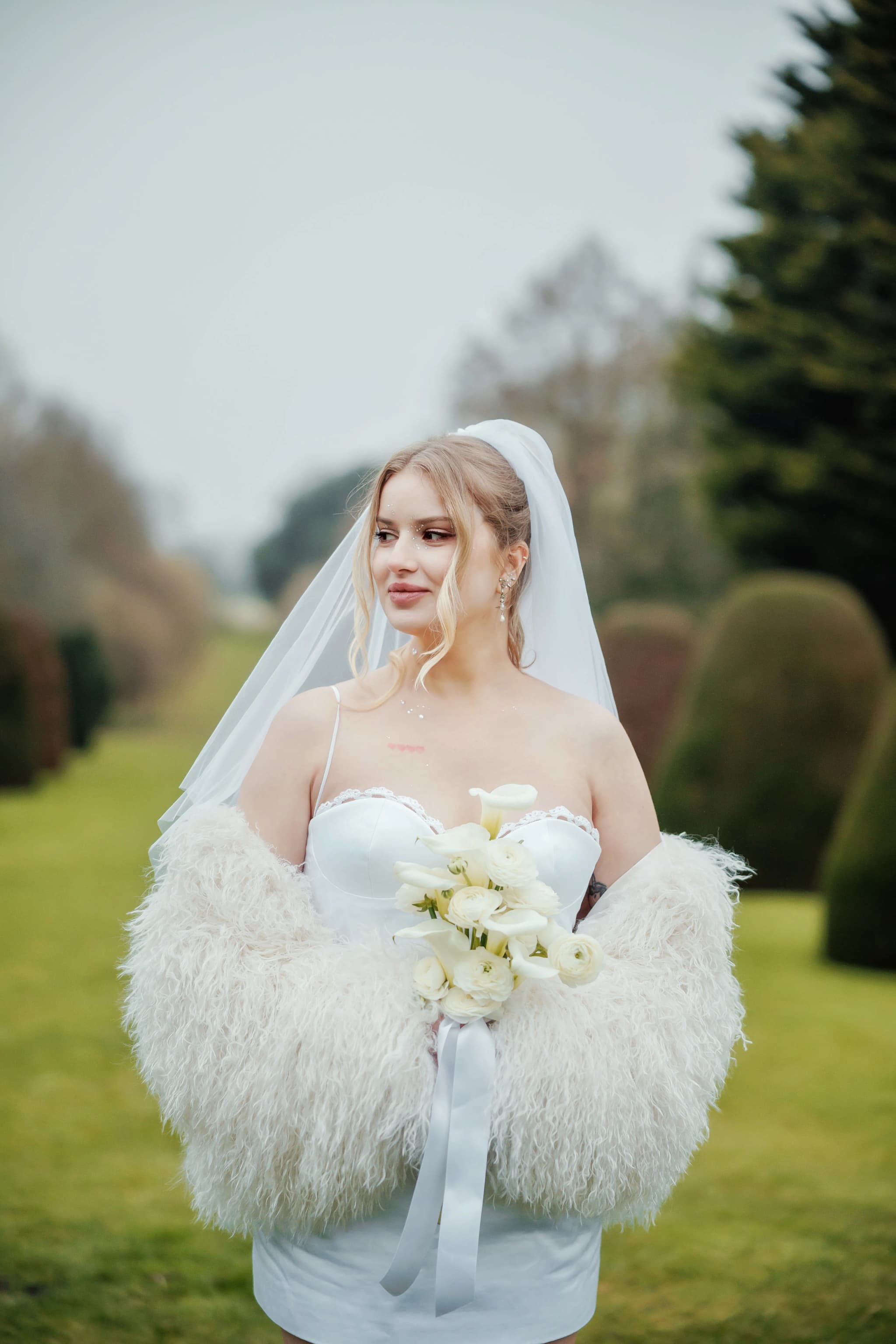
Where couples often redirect the money saved is exactly where it shows in the final photographs: a beautifully tailored outfit, a proper florist bouquet rather than a supermarket one, a good hotel room for getting ready in with decent light, and unhurried time with a photographer who can follow you through the whole day rather than being squeezed into a one-hour slot. If budget and format questions like this are on your mind, my pricing page lays out how elopement coverage is structured, and it is worth comparing that against what a full wedding day typically costs to see where the real trade-offs sit for you.
Making Sure You Actually Get to Keep the Memories
The smallness of a city hall wedding is exactly why photography matters more, not less. There will be no wedding album full of a hundred candid guest photographs to jog your memory later, no big dance floor moment everyone remembers collectively, no video someone's cousin happened to take. What you have from the day is largely what a photographer captures and what lives in your own memory, which fades faster than anyone expects it to.
I always encourage elopement couples to think seriously about how they want to hold onto the day physically, not just as files on a phone. A well-made album turns a handful of hours into something you actually revisit, rather than several hundred images sitting unopened in a cloud folder. If that appeals to you, it is worth looking at wedding albums as part of your planning rather than an afterthought decided six months after the wedding.
A Realistic Timeline for Planning Your Register Office Wedding
Working backwards from a target date, a sensible planning order looks something like this: choose your city and register office first, since popular rooms book out months ahead, particularly for Saturdays in spring and summer. Give notice of marriage as soon as you are within the legal window for your nation, and diarise it carefully — this step has a hard deadline and cannot be rushed if missed. Book your photographer once the date and venue are confirmed, since good elopement photographers also fill up on desirable dates well in advance. Then work outward to the smaller details: outfits, flowers, where you will get ready, and where you will go afterwards.
Couples who leave the venue and legal notice until last, having already built an elaborate plan around a particular date, are the ones who run into avoidable stress. The paperwork is genuinely the least flexible part of a UK wedding, civil or otherwise, so getting it sorted early frees you up to actually enjoy planning everything else.
A city hall elopement, done thoughtfully, gives you a wedding day that is entirely yours — unhurried, honest, and free of the compromises that come with pleasing a large guest list. If you are planning a register office wedding anywhere in the UK and want a photographer who understands both the legal timing and how to make the most of a short but meaningful day, I would love to hear from you. Have a look at how I approach weddings more broadly on my wedding photographer UK page, and when you are ready to talk dates and details, get in touch and we can start planning your day together.


Yana Skakun
Photographer · England
Professional wedding, family and portrait photographer based in England. Passionate about capturing authentic emotions and timeless moments.
About Yana →city hall elopement ukregister office weddingUK elopement photographertown hall wedding venuescivil ceremony UKelopement planning guide
Elopement — Professional Photography in Cambridge & England
Yana Skakun is a professional photographer based in Cambridge, covering weddings, families, and portraits across England. Every session is personal — planned around your story, your people, and the moments that matter most. This guide — City Hall Elopement Guide: Best Town Halls in the UK for Weddings — is part of the photography journal: practical, experience-based advice drawn from real sessions across England. Whether you arrived searching for city hall elopement uk or register office wedding, the same care and attention shapes every session Yana photographs.
Professional Photography sessions are available year-round, with bookings open across Cambridge, Ely, Huntingdon, Peterborough, and further afield — East England, London, the Midlands, and beyond. If you have specific questions about uk elopement photographer, mention it in your enquiry. Get in touch through the contact form above to check availability and discuss your session. Enquiries are welcomed from anywhere in the UK.
Frequently Asked Questions
What camera settings should I use for outdoor portraits?+
For outdoor portraits, shoot in aperture priority mode. Use a wide aperture (f/1.8–f/2.8) to blur the background and isolate your subject. Keep ISO as low as possible in good light. In bright conditions, use a neutral density filter or switch to manual to avoid overexposure at wide apertures.
What is the golden hour in photography?+
Golden hour is the period roughly 30–60 minutes after sunrise and before sunset. The sun is low in the sky, producing warm, soft, directional light that flatters skin tones and creates beautiful long shadows. It's widely considered the best natural light for portrait and outdoor photography.
How do you get sharp photos in low light?+
In low light, increase your ISO (accepting some grain), use the widest aperture your lens allows, and slow your shutter speed to the slowest you can hand-hold without camera shake (roughly 1/focal length as a guide). Use image stabilisation if available, and consider a tripod for static subjects.
What is the rule of thirds in photography?+
The rule of thirds divides the frame into a 3×3 grid. Placing your subject on one of the four intersection points — rather than dead centre — creates a more dynamic, visually interesting composition. It's a guideline, not a rule: some of the most powerful images break it deliberately.
How do you edit photos to look professional?+
Professional editing starts with shooting in RAW format. In Lightroom or similar software, correct exposure, white balance, and contrast first. Recover shadow and highlight detail. Apply gentle colour grading for mood. Be conservative with skin retouching — the goal is natural enhancement, not transformation. Consistency across a set of images is what separates professional from amateur editing.
Continue Reading
Related Articles

Get in Touch
Ready to Book Your Session?
Get in touch to discuss your vision — I'll reply within 24 hours.