Yana Skakun

Content Creation Photography for Social Media: Building a Visual Library
By Yana Skakun·28 July 2033·7 min read
Maintaining a consistent, professional-looking social media presence requires a continuous supply of quality visual content, and for most personal brands and small businesses the bottleneck is not strategy, ideas, or even time to post — it is the photography itself. Phone photography, however competent, runs out of variety quickly and produces a feed that looks inconsistent at scale: different lighting from post to post, the same three backgrounds on rotation, and an overall impression that does not match the level of professionalism the person or business is actually operating at. Content creation photography exists to solve exactly that problem, producing a large, versatile library of images from a single planned session.
How Content Sessions Differ from Traditional Portrait Sessions
A traditional portrait session is built around producing a handful of exceptional images — a family portrait for the wall, a headshot for a website, a couple of frames that capture a particular moment well. A content session has a different objective entirely: volume and versatility across formats. The aim is to leave with enough usable, on-brand images to sustain weeks or months of consistent posting, rather than a small set of polished highlights.
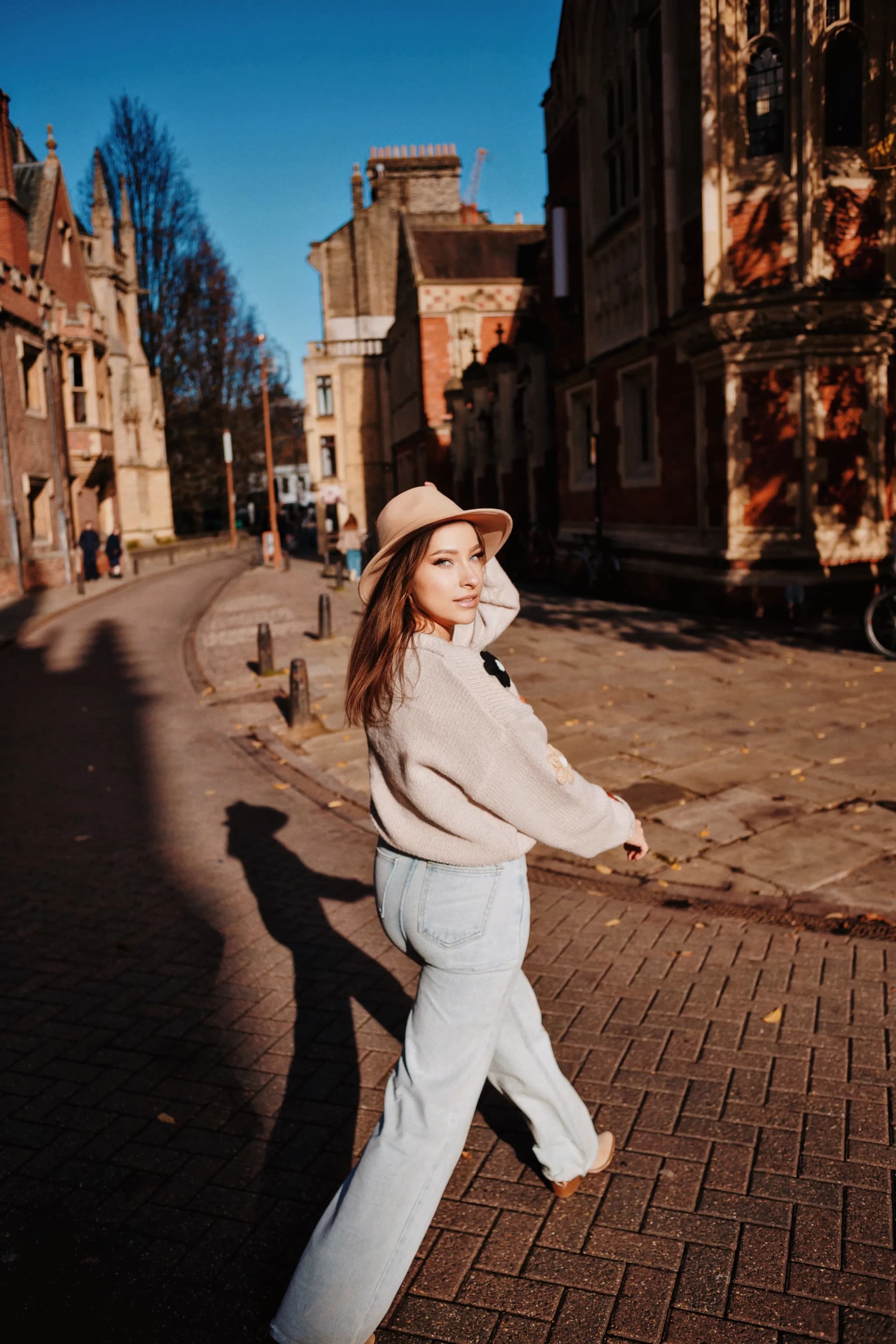
This changes how the session is planned from the outset. Rather than one setting and one mood, a content session typically covers three or four distinct locations or setups across four to six hours, with deliberate variation built in: different backgrounds, different outfits, different activities, and different orientations so that the same session produces material for a square Instagram feed post, a vertical Story or Reel cover, and a horizontal website banner without needing three separate bookings. I plan the shot list in advance against whatever the client's upcoming content calendar actually needs, so every frame taken has a genuine intended use rather than being captured speculatively and sorted out afterwards.
The pace is also different. A portrait session moves slowly and allows time to settle into a handful of moments. A content session moves briskly through a much longer list of shots, more like a working day than a single sitting, because the goal is coverage across every format and context a person will need over the following weeks rather than depth in any single moment.
What a Session Actually Produces
The output of a full content session is typically somewhere between eighty and two hundred edited images, spread across every environment and format covered on the day. For someone posting daily, that is roughly two to three months of content without visible repetition. For someone posting weekly, the same session can comfortably stretch to six months or more, which makes the cost per usable image considerably lower than it might first appear when compared to piecemeal phone photography or one-off shoots booked every few weeks.
Because the images are captured with a proper camera and lens rather than a phone, they also hold up far better under the cropping, compression, and re-editing that social platforms apply to every upload. A phone photo that already looks slightly soft loses more detail again once a platform compresses it; a well-exposed, properly focused image from a dedicated camera retains far more clarity and colour accuracy even after that same compression, which becomes especially noticeable on larger formats like website headers, print material, or LinkedIn banner images repurposed from the same shoot.
Planning for Different Platforms
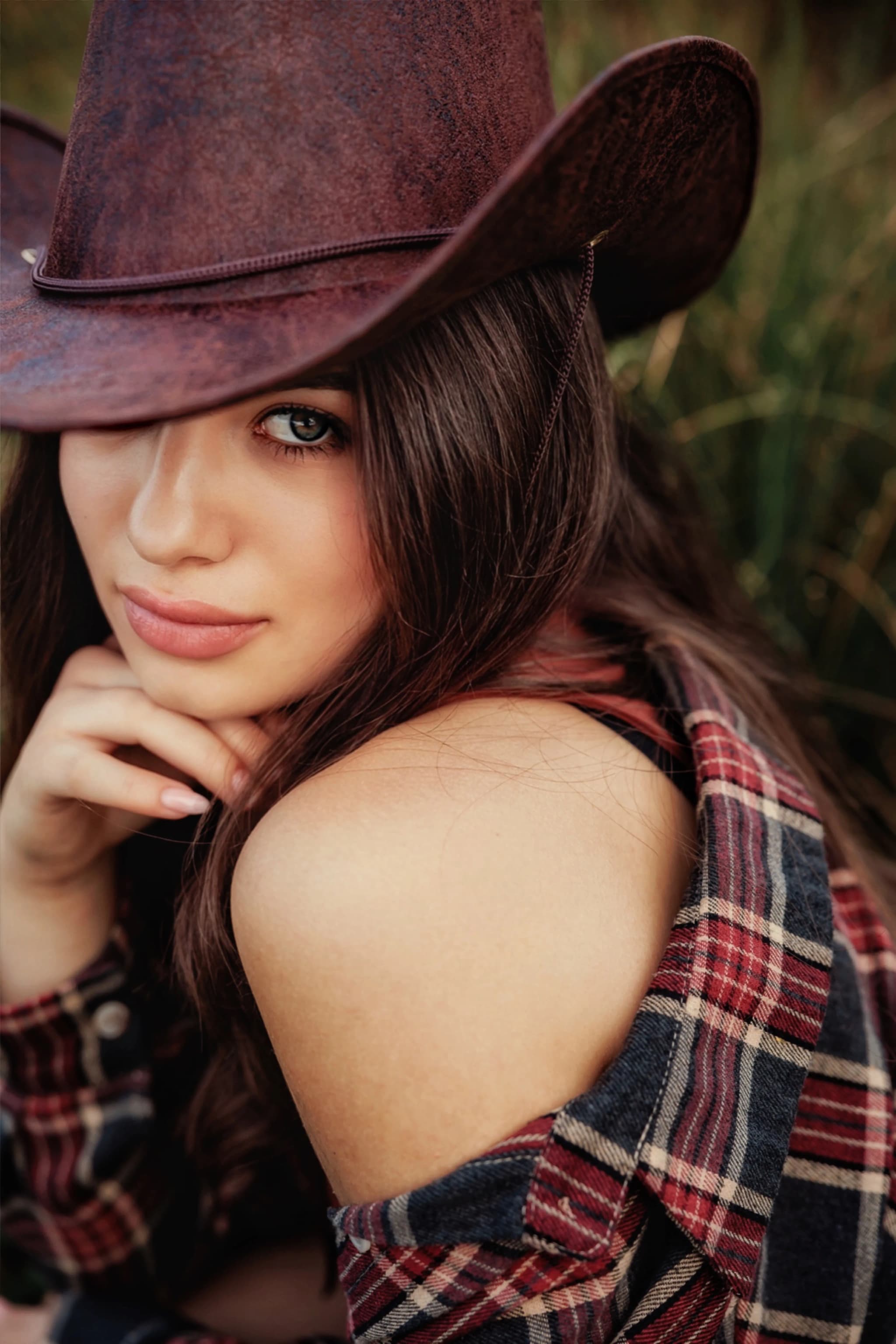
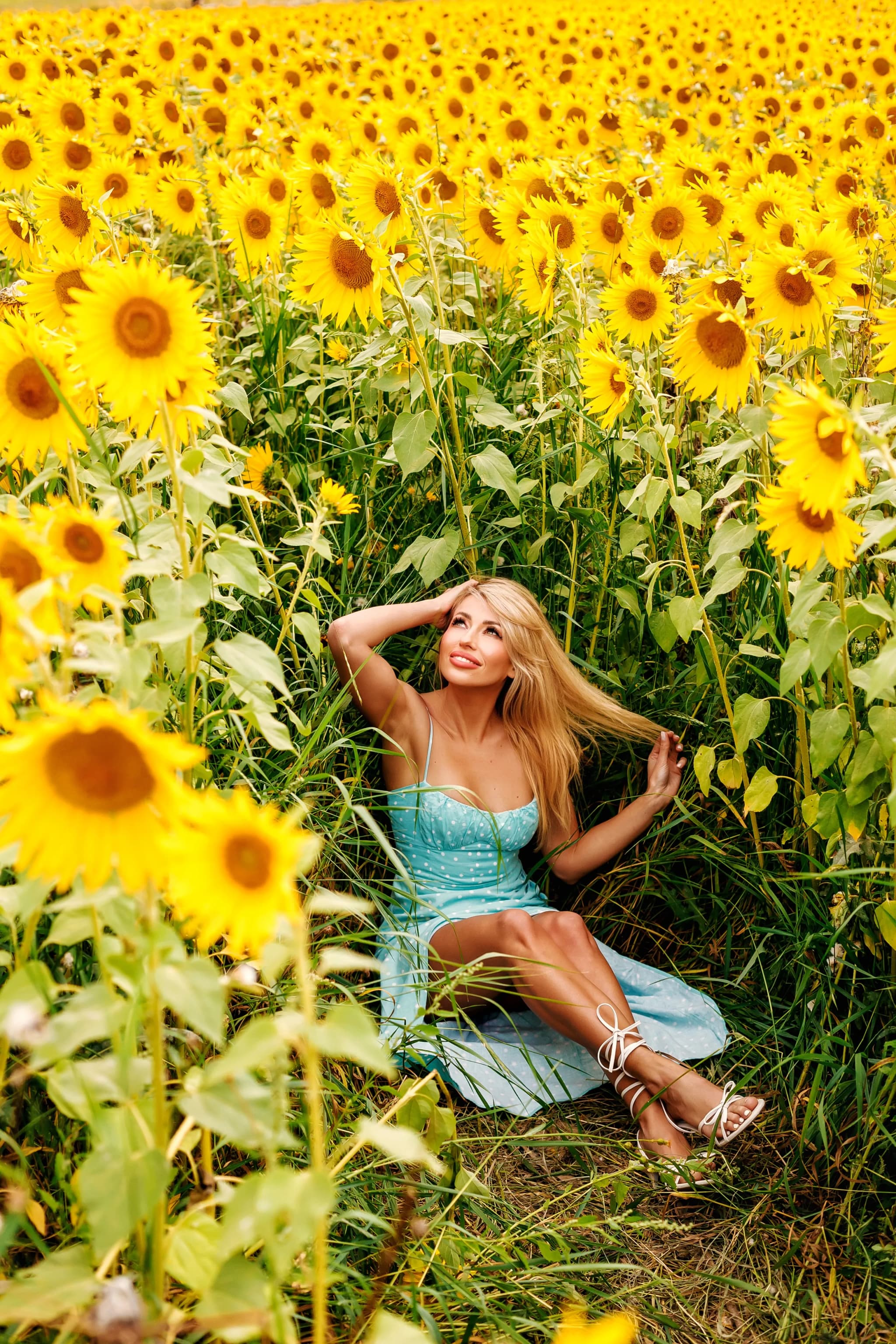
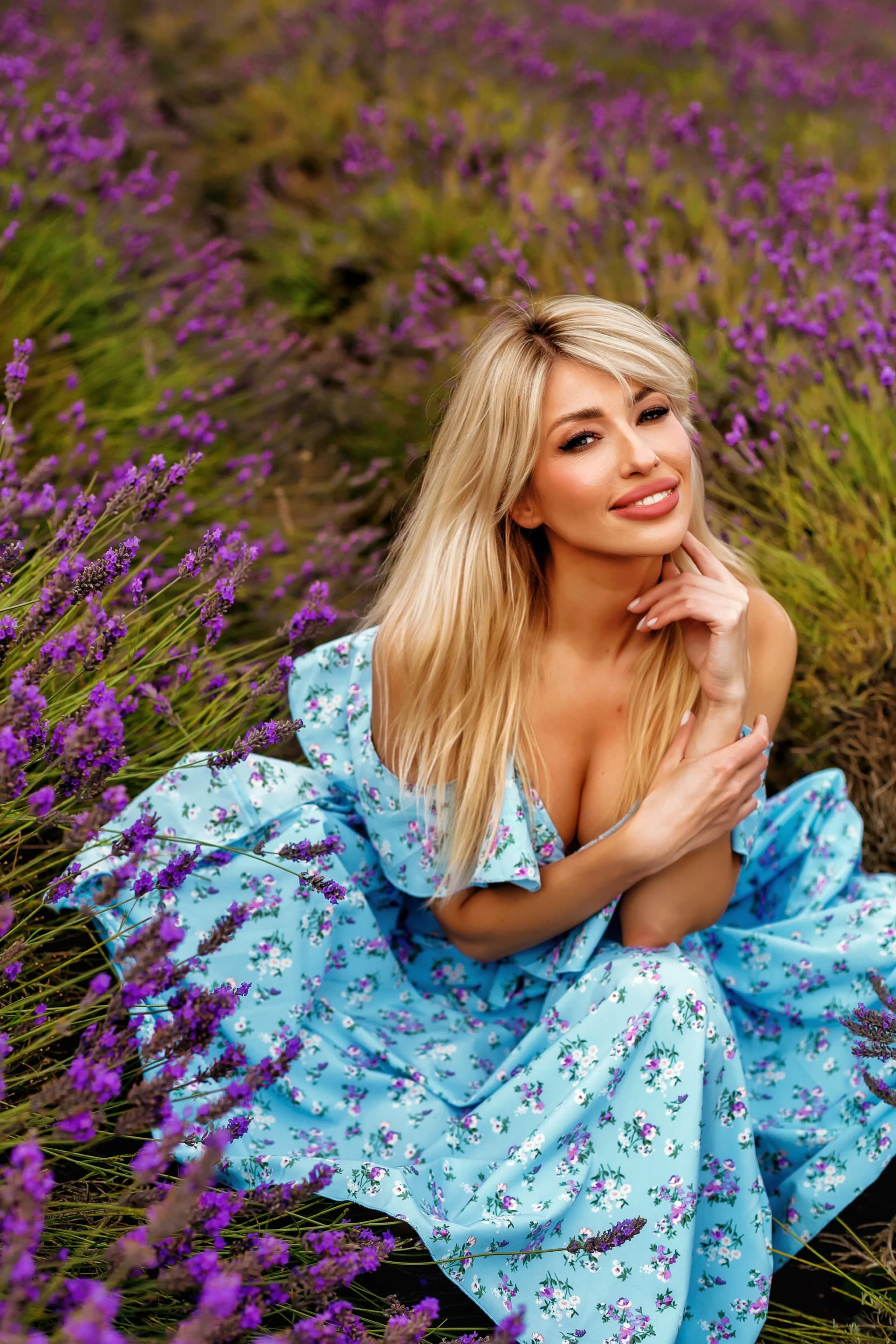
Every platform has slightly different visual requirements, and the best results come from planning for the platform before the session rather than trying to crop and adapt images afterwards. An Instagram feed benefits from a consistent colour palette and tonal treatment across posts, so I edit content sessions with a cohesive style in mind rather than treating each image as a standalone edit. Stories and Reels need vertical orientation and generally read better with more candid, in-motion imagery rather than static poses, so I build movement and genuine activity into the shot list specifically for that format.
LinkedIn content tends to work best when it looks professional but still human — context matters more there than on Instagram, so I favour environments that say something about the work being done, whether that is a workspace, a client-facing setting, or simply good natural light in a considered location. Pinterest images need strong vertical composition with a clear single subject, since they are competing in a grid of thumbnails where a busy or ambiguous composition gets scrolled past instantly. Website headers and about pages, meanwhile, usually need horizontal images with clear negative space for text overlay, which is a very different composition from anything designed for a square feed post.
None of this needs to be managed by the client during the session itself. It is planned in the shot list beforehand, based on a conversation about which platforms actually matter for that person's work, so the session itself can focus purely on getting natural, unforced images rather than technical framing decisions.
A note on planning your session
The most useful thing you can bring to a content session is a rough sense of what you actually post and where — even a handful of recent posts or a content calendar. It means every hour of shooting is spent producing images you will genuinely use rather than a generic set that needs reworking afterwards.
Get in touch about a content sessionWhy Authentic, Natural-Light Images Outperform Stock-Style Content
Audiences have become noticeably better at recognising generic, stock-style content, and they respond to it with the same scroll-past instinct they apply to an actual advertisement. Overly staged, artificially lit imagery — the kind with flat studio lighting, forced expressions, and settings that look like nowhere in particular — reads as content rather than as a person, and content gets scrolled past far faster than something that feels genuine. Natural light and real locations do the opposite: they root an image in an actual place and moment, which makes it feel like a glimpse into someone's real work or life rather than a manufactured post.
This matters especially for personal brands, where the entire premise of the content is that people are following an individual rather than a faceless company. Documentary-style, naturally lit photography captures genuine expression and movement in a way that staged studio photography rarely does, and that authenticity is precisely what tends to build trust and engagement over time. A slightly imperfect but genuine laugh photographed in good window light will usually outperform a technically flawless but visibly posed studio shot, because the first looks like a real person and the second looks like an advert.
There is also a practical consistency advantage. Because a content session produces a large batch of images shot in the same handful of sessions with a coherent visual style, a feed built from that material looks considerably more cohesive over time than one assembled from whatever phone photos happened to be taken that week. Consistency of light, tone, and quality is one of the most immediately visible signals of professionalism on a feed, even before anyone reads a single caption.
Who Content Photography Sessions Are For
Coaches, consultants, and other service-based professionals who post regularly about their work and expertise are among the most common clients for this kind of session, largely because their content relies heavily on their own face and presence rather than a product. Small business owners with physical products or services benefit similarly, needing an ongoing supply of visual collateral for launches, promotions, and everyday posting that a single product photoshoot cannot cover indefinitely.
Creative professionals documenting their process — behind-the-scenes work, workspace, materials, the day-to-day of what they actually do — also get a great deal out of a planned content session, since that kind of imagery is difficult to capture well on a phone while also doing the work being documented. And more broadly, anyone building a personal brand who has noticed that phone photography has become a ceiling on the quality and consistency of what they post is a good fit. If you have ever hesitated to post something because the photo did not represent your actual work or professionalism, that hesitation is usually the clearest sign a proper content session would help.
A well-planned content session is an investment in months of consistent, professional-looking content rather than a single photoshoot, and the natural-light, documentary approach I use is specifically intended to produce images that look like you rather than like stock photography. If you would like to talk through what a session tailored to your platforms and content calendar might look like, get in touch and we can plan it around what you actually need to post.
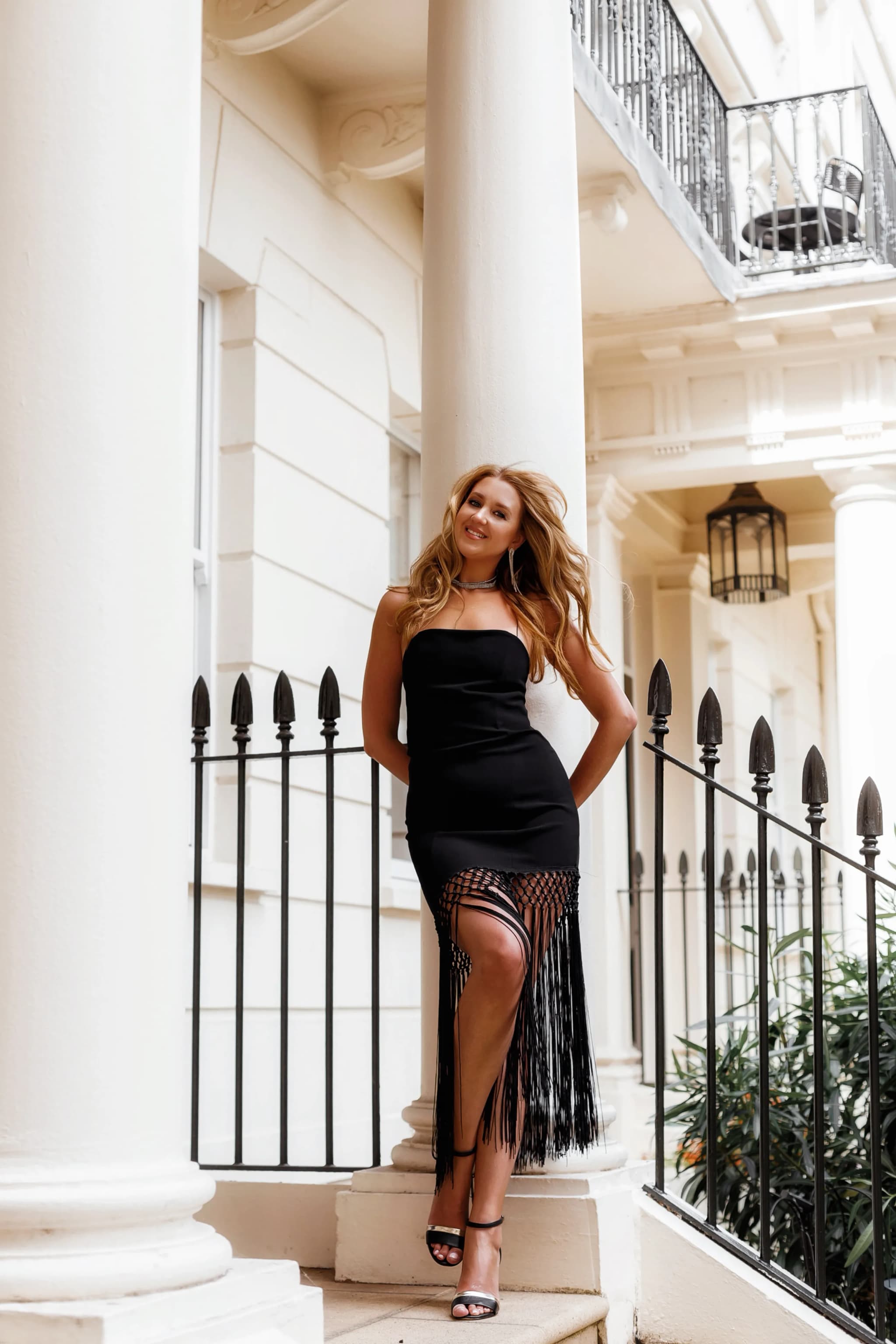


Yana Skakun
Photographer · England
Professional wedding, family and portrait photographer based in England. Passionate about capturing authentic emotions and timeless moments.
About Yana →content creation photography social mediasocial media photography UKcontent photography Cambridgebrand content photography
Portrait Tips — Portrait Photography in Cambridge & England
Portrait sessions with Yana Skakun are unhurried and personal — designed to produce images that feel genuinely like you, not a performance. Sessions are available in Cambridge, across East England, and at locations throughout the UK. This guide — Content Creation Photography for Social Media: Building a Visual Library — is part of the photography journal: practical, experience-based advice drawn from real sessions across England. Whether you arrived searching for content creation photography social media or social media photography uk, the same care and attention shapes every session Yana photographs.
Portrait Photography sessions are available year-round, with bookings open across Cambridge, Ely, Huntingdon, Peterborough, and further afield — East England, London, the Midlands, and beyond. If you have specific questions about content photography cambridge, mention it in your enquiry. Get in touch through the contact form above to check availability and discuss your session. Enquiries are welcomed from anywhere in the UK.
Frequently Asked Questions
How do I look natural in portrait photos?+
The key is to keep moving — walking, talking, laughing. Still poses often look stiff. A good portrait photographer will direct you gently rather than just pointing and shooting. Take a breath, drop your shoulders, and try to focus on something that makes you happy rather than worrying about how you look.
What should I wear for a portrait session?+
Wear something you feel good in — not something borrowed or brand new that you haven't worn before. Solid colours photograph better than busy patterns. Bring a second outfit for variety. Think about the location: flowing fabrics work beautifully outdoors; tailored looks suit urban settings.
How long does a portrait session take?+
Standard portrait sessions last 60–75 minutes. This allows enough time to warm up, try different locations and poses, and explore a couple of looks without rushing. If you're very camera-shy, a longer session helps — the more relaxed you become, the better the final images.
What locations are best for outdoor portrait photography?+
Gardens, parks, riverside paths, woodland, and areas with interesting architecture all make great portrait backgrounds. The most important factor is light — a location with open shade or soft directional light will always photograph better than a technically beautiful spot in harsh midday sun.
What is the difference between a portrait session and a headshot session?+
Portrait sessions focus on you as a whole person — full-body, three-quarter, and close-up images in a relaxed, often outdoor setting. Headshot sessions focus specifically on professional or actor headshots: face and upper body, often in a controlled setting with consistent, professional lighting.
Continue Reading
Related Articles
Portrait Tips
Glasses and Glare in Photography: How to Get Great Results
6 min read · Read Article
Portrait Tips
Fake Tan Before a Photoshoot: Timing, Application, and What Can Go Wrong
6 min read · Read Article
Portrait Tips
Hair and Makeup for a Photoshoot: What Photographs Well
7 min read · Read Article
Get in Touch
Ready to Book Your Session?
Get in touch to discuss your vision — I'll reply within 24 hours.