Yana Skakun
Dark and Moody Wedding Photography: Style Guide
By Yana Skakun·2 June 2026·6 min read
Dark and moody wedding photography is an aesthetic defined by deep shadows, rich contrast, a subdued colour palette, and a cinematic quality that draws on the visual language of art house film and Old Master portraiture. It is one of the more polarising wedding photography styles — couples who love it, love it intensely; couples who want bright and airy would find it entirely wrong for them. This guide covers the aesthetic in detail, the venues and conditions it suits best, and how to identify it authentically in a portfolio.
Defining Dark and Moody Wedding Photography
- ◆Shadow preservation: Where bright and airy photography lifts shadows towards grey and white, dark and moody photography preserves or deepens shadows. The dark areas of an image remain dark — providing contrast, depth, and drama.
- ◆Desaturated or shifted colour palette: Colours are typically muted, cooled towards grey or shifted towards green, brown, or deep teal. Skin tones are preserved but slightly cooled. The palette feels more cinematic and less 'photographic.'
- ◆High contrast: The gap between highlights and shadows is deliberately maintained or increased. This creates the distinctive chiaroscuro quality — light and dark in opposition.
- ◆Cinematic quality: Dark and moody wedding photography frequently references the visual aesthetics of specific film directors — the desaturated greens of Barry Jenkins, the contrast ratios of Roger Deakins cinematography. The images feel like film stills as much as photographs.
- ◆Selective light sources: The style works best when light is directional and specific — a shaft of light through a window, a candle, a doorway of light against interior darkness. Flat, even light is less compatible.
Venues and Settings That Suit Dark and Moody Photography
- ◆Historic stone buildings: Old church interiors, castle halls, medieval barn conversions — the deep shadows of old stone architecture are natural territory for dark and moody photography. The limited, high angular light through old windows creates exactly the directional quality the style requires.
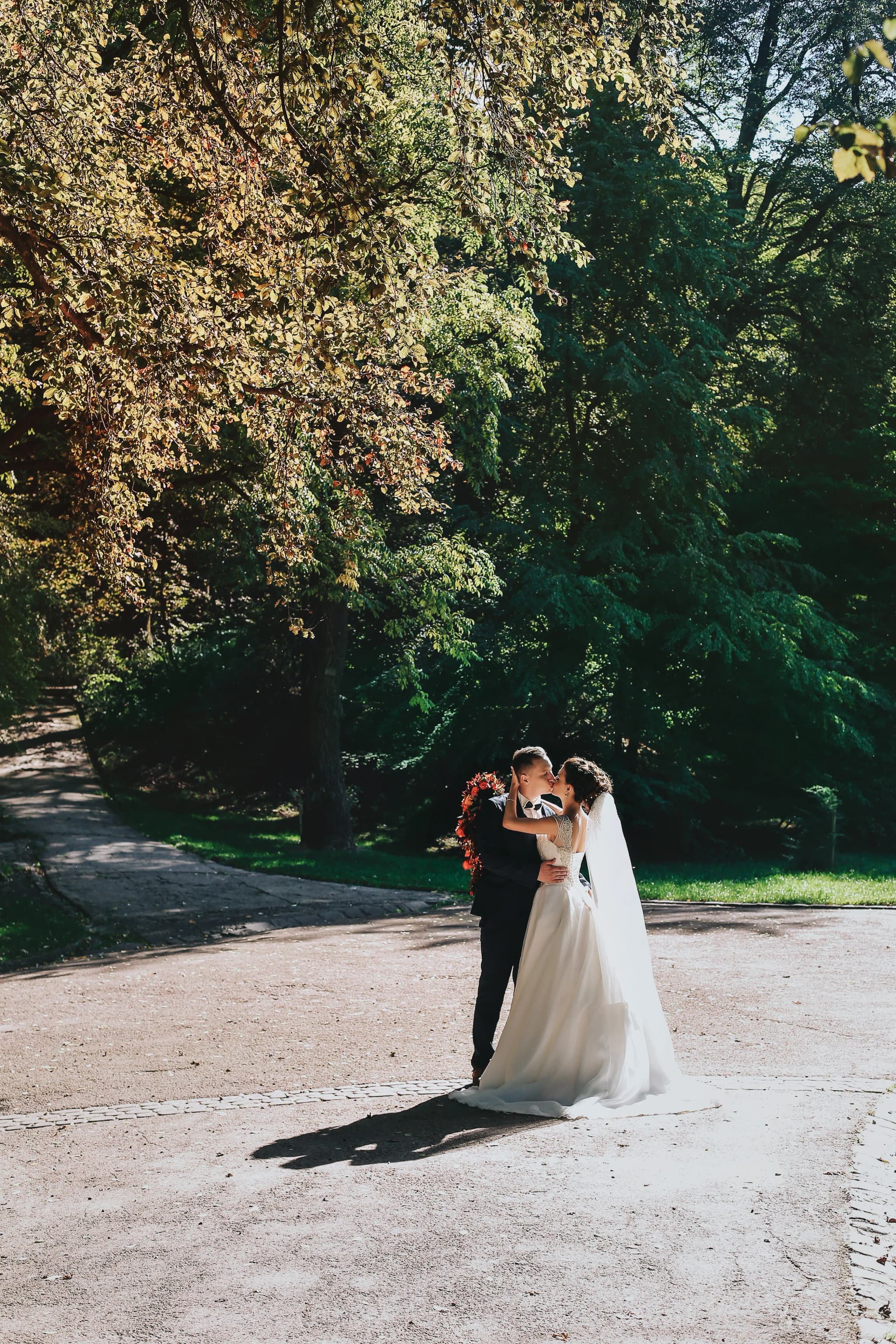
- ◆Autumn and winter: The low angle of autumn and winter sun creates long, dramatic shadows and warmer amber tones that complement a dark palette more naturally than the bright overhead light of summer.
- ◆Candlelit receptions: A dinner photographed entirely in candlelight — dark room, warm points of flame, deep surrounding shadow — is a natural environment for the style.
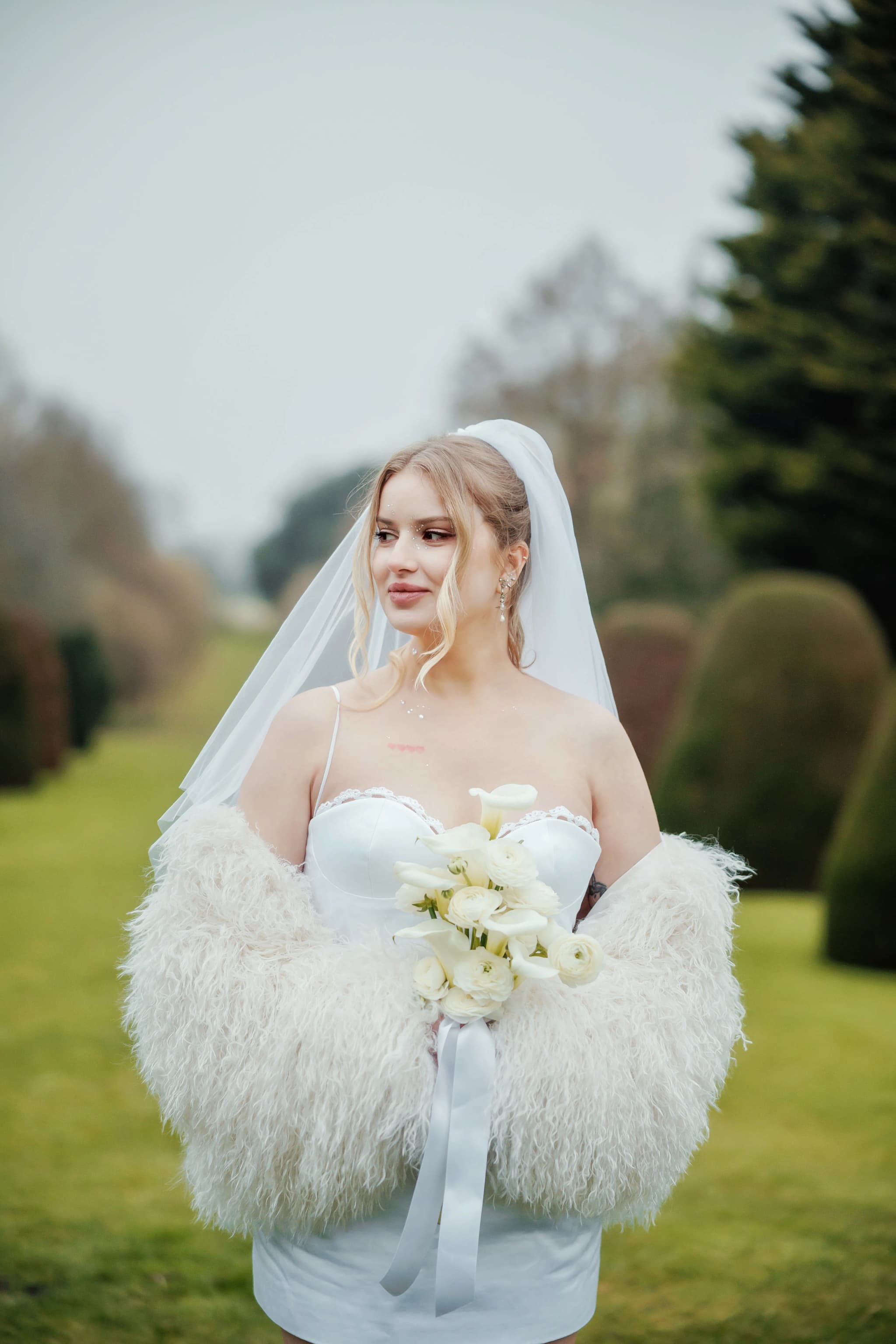
- ◆Overcast and dramatic skies: Heavy overcast, stormy clouds, and approaching rain all create atmospheric sky conditions more compatible with a moody aesthetic than a bright blue summer sky.
Identifying Authentic Dark and Moody vs. Under-Exposed
There is a meaningful difference between intentional dark and moody photography and simply under-exposed or poorly edited photography that looks dark by accident. Authentic dark and moody photography has clean, bright highlights within its shadows — the light sources in the frame are well-exposed, and the dark areas are intentionally preserved shadow rather than muddy, detail-less darkness. If in doubt, look at whether the skin tones within the image are properly exposed even when the surroundings are dark. If skin tones are muddy or brown, the image is probably under-exposed rather than intentionally moody.
Is Dark and Moody Right for Your Wedding?
Dark and moody suits couples who want their photographs to look dramatic, cinematic, and distinctive rather than bright and celebratory. It suits autumn and winter weddings more naturally than summer. It suits couples who are attracted to contrast and depth in visual aesthetics generally. If you are planning a bright summer outdoor wedding with a pastel colour scheme, dark and moody is likely a poor aesthetic match regardless of how much you admire it in other contexts.
Wedding Photography in Cambridge
My editing approach is flexible and adapts to each wedding's aesthetic — the venue, the season, and the couple's visual preferences. If a dark and moody treatment suits your day, I can work in that direction. Get in touch to see full galleries and discuss the aesthetic you have in mind.
View Full Wedding Galleries

Yana Skakun
Photographer · England
Professional wedding, family and portrait photographer based in England. Passionate about capturing authentic emotions and timeless moments.
About Yana →dark moody wedding photographymoody wedding photographer UKdramatic wedding photography style
Wedding Styles — Professional Photography in Cambridge & England
Yana Skakun is a professional photographer based in Cambridge, covering weddings, families, and portraits across England. Every session is personal — planned around your story, your people, and the moments that matter most. This guide — Dark and Moody Wedding Photography: Style Guide — is part of the photography journal: practical, experience-based advice drawn from real sessions across England. Whether you arrived searching for dark moody wedding photography or moody wedding photographer uk, the same care and attention shapes every session Yana photographs.
Professional Photography sessions are available year-round, with bookings open across Cambridge, Ely, Huntingdon, Peterborough, and further afield — East England, London, the Midlands, and beyond. If you have specific questions about dramatic wedding photography style, mention it in your enquiry. Get in touch through the contact form above to check availability and discuss your session. Enquiries are welcomed from anywhere in the UK.
Frequently Asked Questions
What camera settings should I use for outdoor portraits?+
For outdoor portraits, shoot in aperture priority mode. Use a wide aperture (f/1.8–f/2.8) to blur the background and isolate your subject. Keep ISO as low as possible in good light. In bright conditions, use a neutral density filter or switch to manual to avoid overexposure at wide apertures.
What is the golden hour in photography?+
Golden hour is the period roughly 30–60 minutes after sunrise and before sunset. The sun is low in the sky, producing warm, soft, directional light that flatters skin tones and creates beautiful long shadows. It's widely considered the best natural light for portrait and outdoor photography.
How do you get sharp photos in low light?+
In low light, increase your ISO (accepting some grain), use the widest aperture your lens allows, and slow your shutter speed to the slowest you can hand-hold without camera shake (roughly 1/focal length as a guide). Use image stabilisation if available, and consider a tripod for static subjects.
What is the rule of thirds in photography?+
The rule of thirds divides the frame into a 3×3 grid. Placing your subject on one of the four intersection points — rather than dead centre — creates a more dynamic, visually interesting composition. It's a guideline, not a rule: some of the most powerful images break it deliberately.
How do you edit photos to look professional?+
Professional editing starts with shooting in RAW format. In Lightroom or similar software, correct exposure, white balance, and contrast first. Recover shadow and highlight detail. Apply gentle colour grading for mood. Be conservative with skin retouching — the goal is natural enhancement, not transformation. Consistency across a set of images is what separates professional from amateur editing.
Get in Touch
Ready to Book Your Session?
Get in touch to discuss your vision — I'll reply within 24 hours.