Yana Skakun
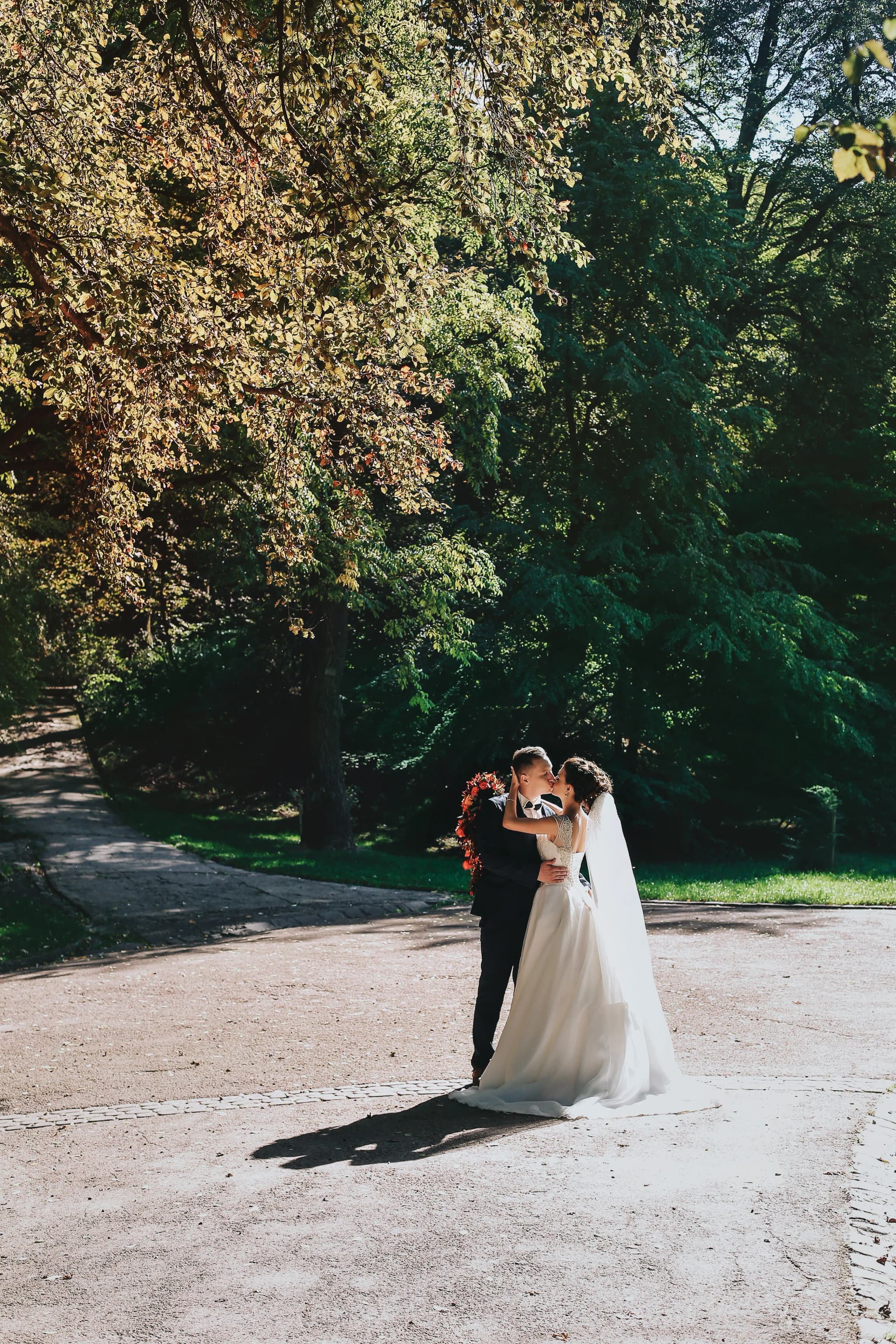
Wedding Photography in Histon & Impington: Bauhaus Architecture & Village Charm
By Yana Skakun·13 August 2026·6 min read
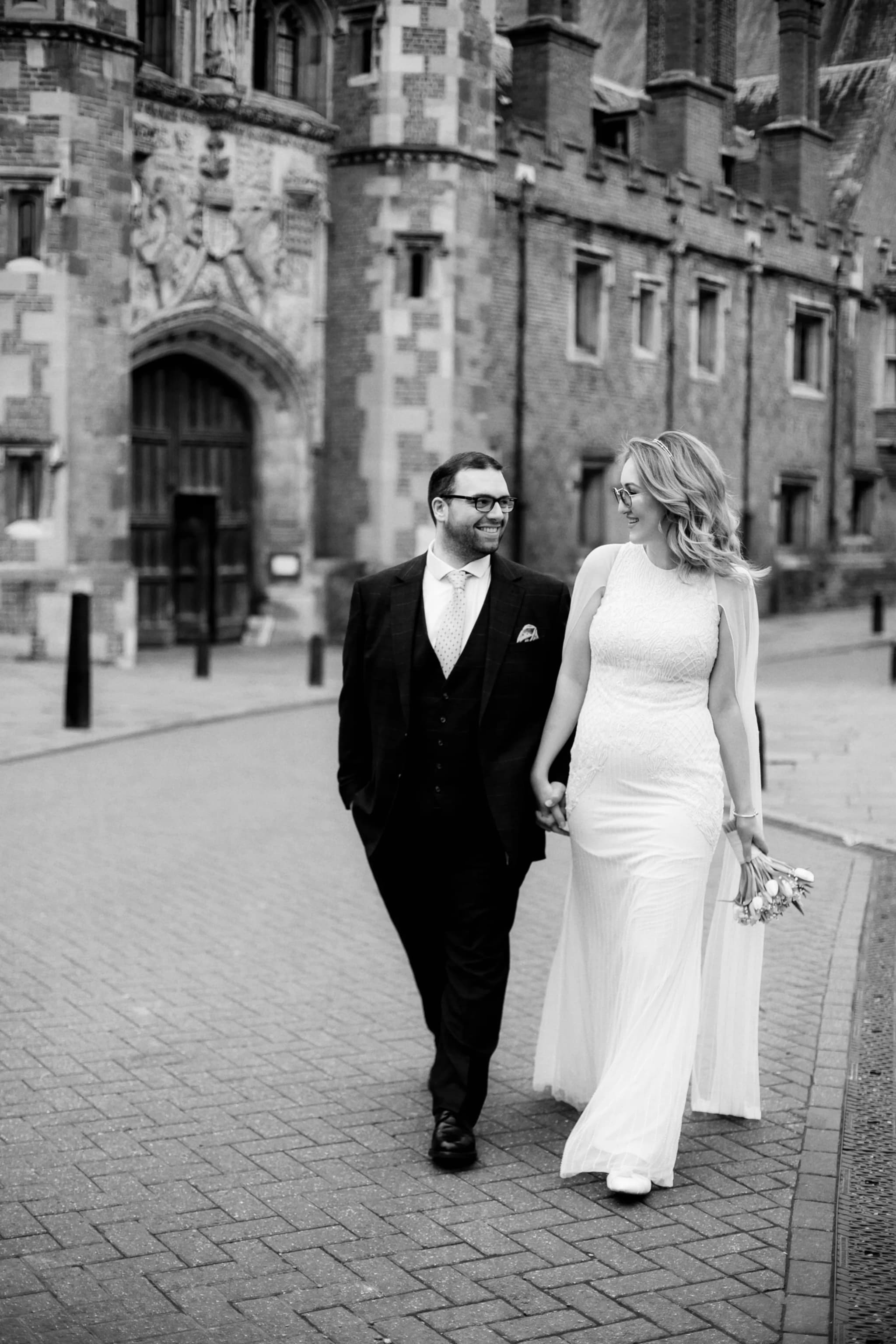
Histon and Impington are twin villages three miles north of Cambridge — a pair of communities that merged practically over the twentieth century but that retain their own distinct character, their own churches, and their own sense of identity even now. For photography, they offer an unusual combination: one of the most architecturally significant twentieth-century buildings in England in Impington Village College, designed by Walter Gropius and Maxwell Fry, alongside handsome village churches and the Apple Day harvest history of what was once one of the great orchard villages of Cambridgeshire.
I photograph here more often than couples might expect for two villages that rarely make anyone's shortlist of obvious Cambridgeshire wedding locations. Part of the appeal is exactly that obscurity — couples who grew up locally, or who simply want something more personal than the well-worn Cambridge college backdrop, find that Histon and Impington offer a genuine sense of place without the crowds of tourists that can complicate a session in the city centre.
Impington Village College: A Gropius Masterpiece
Impington Village College was designed in 1939 by Walter Gropius — founder of the Bauhaus — and Maxwell Fry. It is considered one of the most important works of modern architecture in England and is Grade II* listed, which puts it in genuinely rarefied company for a building most people driving past would never suspect has that status. The curved brick colonnade, the distinctive first-floor windows, and the playful modernism of the design create a photography setting entirely unlike anything else near Cambridge, where the architectural language tends towards medieval stone and Victorian brick rather than continental modernism.
For couples who work in architecture, design, or the arts — or who simply want engagement portraits in a setting that is historically extraordinary rather than conventionally pretty — Impington Village College is well worth knowing about. The clean horizontal lines of the colonnade photograph beautifully against a plain sky, and the contrast between the pale render and the deep shadow of the walkway gives images a graphic quality that the county's older buildings simply cannot offer.
The building continues to function as a working school and community college today, which is itself part of Gropius and Fry's original intention — they designed it explicitly as a village college, a genuinely radical idea in 1939 that combined education with community facilities for the whole village rather than treating a school as a building purely for children during the day. That living, ongoing use gives the setting a different quality from a preserved museum piece; it is still doing the job it was built for.
The grounds around the building are generally accessible for photography without prior arrangement, but the building itself requires prior permission for still photography since it remains a working school. I always contact the college well ahead of a planned session to confirm access, and I build the shot list around whatever time and areas are agreed rather than assuming free rein once we arrive.
Churches and Village Character
St Andrew's Church in Histon is a handsome Norman and Early English building, regularly used for village weddings. The churchyard is beautifully maintained, with mature yews and a lychgate that provides a natural, ready-made frame for arrival and departure photographs without needing any dressing or extra thought.
St Andrew's Church in Impington, a short distance away, is smaller and quieter than its Histon neighbour, with a fourteenth-century tower and a surrounding village green that retains genuine old-village character even with modern housing pressing in around it. The two churches, sharing a dedication but only a few minutes apart, give couples a useful choice depending on whether they want the grander Norman setting or the more intimate, tucked-away feel of the Impington church.
The Boot pub on the Histon green, and the surrounding streets of eighteenth-century Cambridgeshire brick, give a useful urban backdrop for the gap between the formal ceremony shots and the reception — somewhere with genuine texture and life rather than an empty car park, which is often what couples are left with when a village doesn't have a proper centre to work with.
The Chivers Family and Orchard History
The Chivers family — fruit growers whose jam and preserves business became nationally known — were centred in Histon from the 1870s onwards, and the business shaped the village's economy and identity for the best part of a century. The old Chivers' Orchard site preserves something of the orchard landscape the village was once known for, even though the scale of commercial fruit growing that once defined Histon has long since diminished.
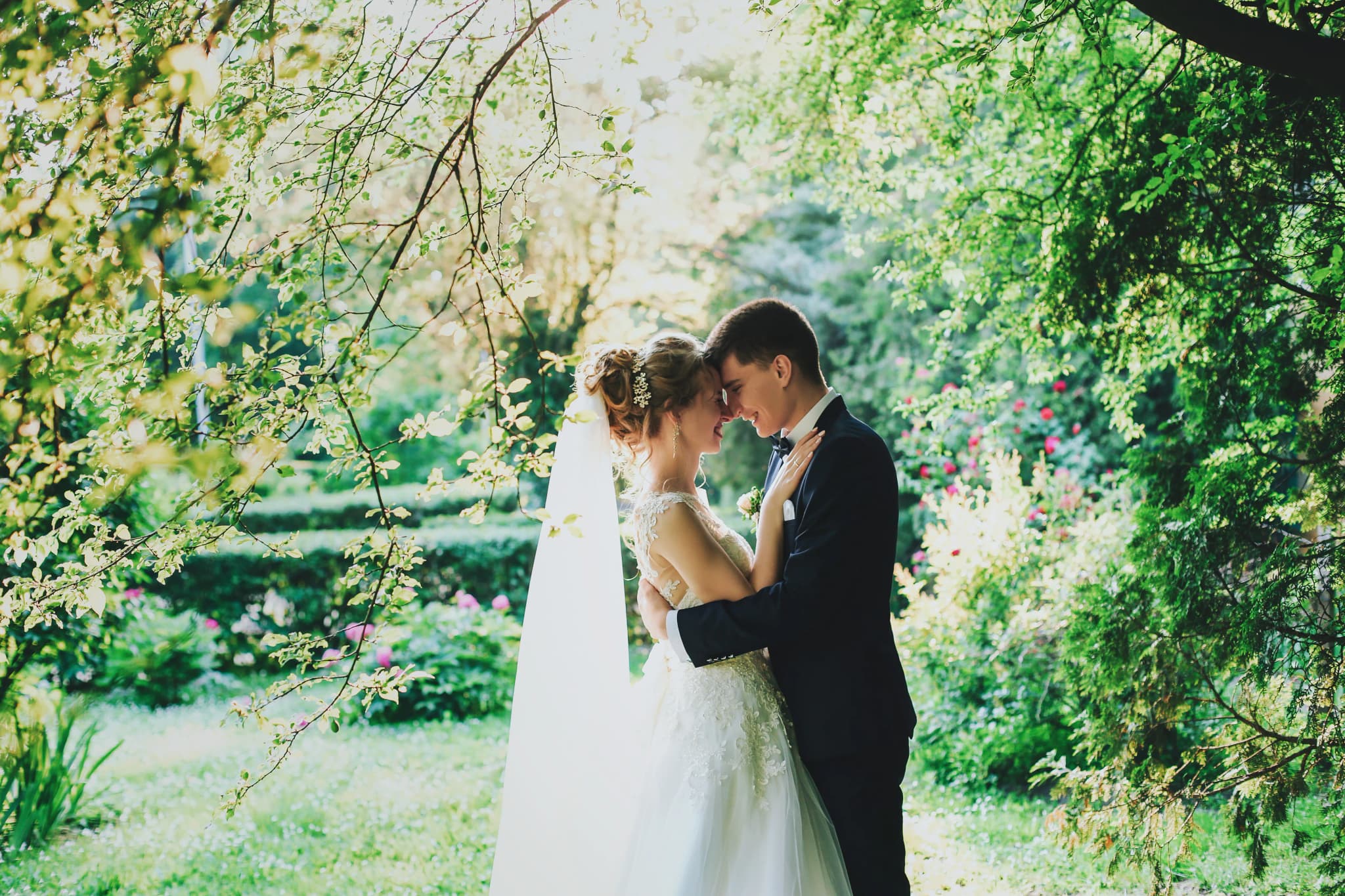
In spring blossom or autumn harvest, the orchard aesthetic is a particular photographic gift: blossom-covered trees, dappled light falling through the branches, and couple portraits in a setting that feels like it belongs to a different England entirely from the university city just three miles down the road. I try to schedule sessions here around the blossom in April or the harvest colour in late September, since the trees are far less interesting outside those windows.
Combining Locations Across a Single Day
What makes Histon and Impington genuinely useful for wedding photography is the range packed into a very small area — modernist architecture, two distinct parish churches, a village green with genuine character, and orchard land with real agricultural history, all within a five-minute drive of each other. Few villages this size offer that much variety, and it means a wedding day timeline can move between very different visual registers without the couple having to travel far or lose time in transit.
I generally recommend starting at whichever location has the most time pressure — usually the church, given fixed ceremony times — and using the more flexible locations, like the orchard or the college grounds, for the portrait segment of the afternoon when the light and timing are less constrained.
A note on weddings in North Cambridge and the villages
I photograph weddings and engagement sessions across Cambridge and North Cambridgeshire, from village churches like Histon and Impington to country estates and the university's own colleges. If Histon or Impington is part of your plans, I would love to talk through how to use these villages well.
Enquire about your weddingLight and Timing Across the Villages
The open lawns and orchard land around the Chivers site catch strong, direct light through the middle of the day, which makes early morning or late afternoon sessions considerably more flattering than a midday booking if the orchard is a priority. The colonnade at Impington Village College, by contrast, holds useful shade for most of the day thanks to its covered walkway, which makes it a reliable fallback if a session needs to move somewhere sheltered when the sun is at its harshest.
The churchyards at both St Andrew's churches benefit from the softer, more filtered light created by the mature yews and trees surrounding them, and I find these spaces work well across a much wider window of the day than the fully open orchard or lawn areas, which is useful if a wedding timeline has less flexibility than an engagement session would.
Practical Notes for Couples Planning Here
Parking in the centre of both villages is limited, and I always advise couples to think through guest transport in advance, particularly if the plan involves moving between the church and a reception venue elsewhere. Both villages sit just off the guided busway and A14 corridor, which makes them straightforward for guests travelling from Cambridge itself but worth mapping out properly for anyone coming from further afield.
Whatever combination of locations you are considering — the Gropius college, one of the two churches, the green, or the old orchard land — a short conversation in advance about timing and light makes a real difference to how much of Histon and Impington's character actually makes it into your photographs. These are not grand, dramatic locations in the way that some of Cambridgeshire's country estates are, but that quieter, more everyday beauty is exactly what many couples with a genuine connection to these villages are looking for, and it photographs just as well as anywhere grander when the light and the timing are right.
If you would like to talk through your day, get in touch and we can plan a route around the villages that suits your timeline.

Yana Skakun
Photographer · England
Professional wedding, family and portrait photographer based in England. Passionate about capturing authentic emotions and timeless moments.
About Yana →Histon wedding photographerImpington wedding photographyNorth Cambridge wedding venuesGropius building Cambridge photography
Location Guides — Professional Photography in Cambridge & England
Yana Skakun is a professional photographer based in Cambridge, covering weddings, families, and portraits across England. Every session is personal — planned around your story, your people, and the moments that matter most. This guide — Wedding Photography in Histon & Impington: Bauhaus Architecture & Village Charm — is part of the photography journal: practical, experience-based advice drawn from real sessions across England. Whether you arrived searching for histon wedding photographer or impington wedding photography, the same care and attention shapes every session Yana photographs.
Professional Photography sessions are available year-round, with bookings open across Cambridge, Ely, Huntingdon, Peterborough, and further afield — East England, London, the Midlands, and beyond. If you have specific questions about north cambridge wedding venues, mention it in your enquiry. Get in touch through the contact form above to check availability and discuss your session. Enquiries are welcomed from anywhere in the UK.
Frequently Asked Questions
What camera settings should I use for outdoor portraits?+
For outdoor portraits, shoot in aperture priority mode. Use a wide aperture (f/1.8–f/2.8) to blur the background and isolate your subject. Keep ISO as low as possible in good light. In bright conditions, use a neutral density filter or switch to manual to avoid overexposure at wide apertures.
What is the golden hour in photography?+
Golden hour is the period roughly 30–60 minutes after sunrise and before sunset. The sun is low in the sky, producing warm, soft, directional light that flatters skin tones and creates beautiful long shadows. It's widely considered the best natural light for portrait and outdoor photography.
How do you get sharp photos in low light?+
In low light, increase your ISO (accepting some grain), use the widest aperture your lens allows, and slow your shutter speed to the slowest you can hand-hold without camera shake (roughly 1/focal length as a guide). Use image stabilisation if available, and consider a tripod for static subjects.
What is the rule of thirds in photography?+
The rule of thirds divides the frame into a 3×3 grid. Placing your subject on one of the four intersection points — rather than dead centre — creates a more dynamic, visually interesting composition. It's a guideline, not a rule: some of the most powerful images break it deliberately.
How do you edit photos to look professional?+
Professional editing starts with shooting in RAW format. In Lightroom or similar software, correct exposure, white balance, and contrast first. Recover shadow and highlight detail. Apply gentle colour grading for mood. Be conservative with skin retouching — the goal is natural enhancement, not transformation. Consistency across a set of images is what separates professional from amateur editing.
Continue Reading
Related Articles
Location Guides
Ramsey Abbey & the Fens: Wedding Photography in East Cambridgeshire
7 min read · Read Article
Location Guides
Linton & South Cambridgeshire Village Wedding Photography
7 min read · Read Article
Location Guides
Wedding Photography in Fulbourn & the Wilbrahams: South Cambridgeshire Villages
6 min read · Read Article
Get in Touch
Ready to Book Your Session?
Get in touch to discuss your vision — I'll reply within 24 hours.