Yana Skakun
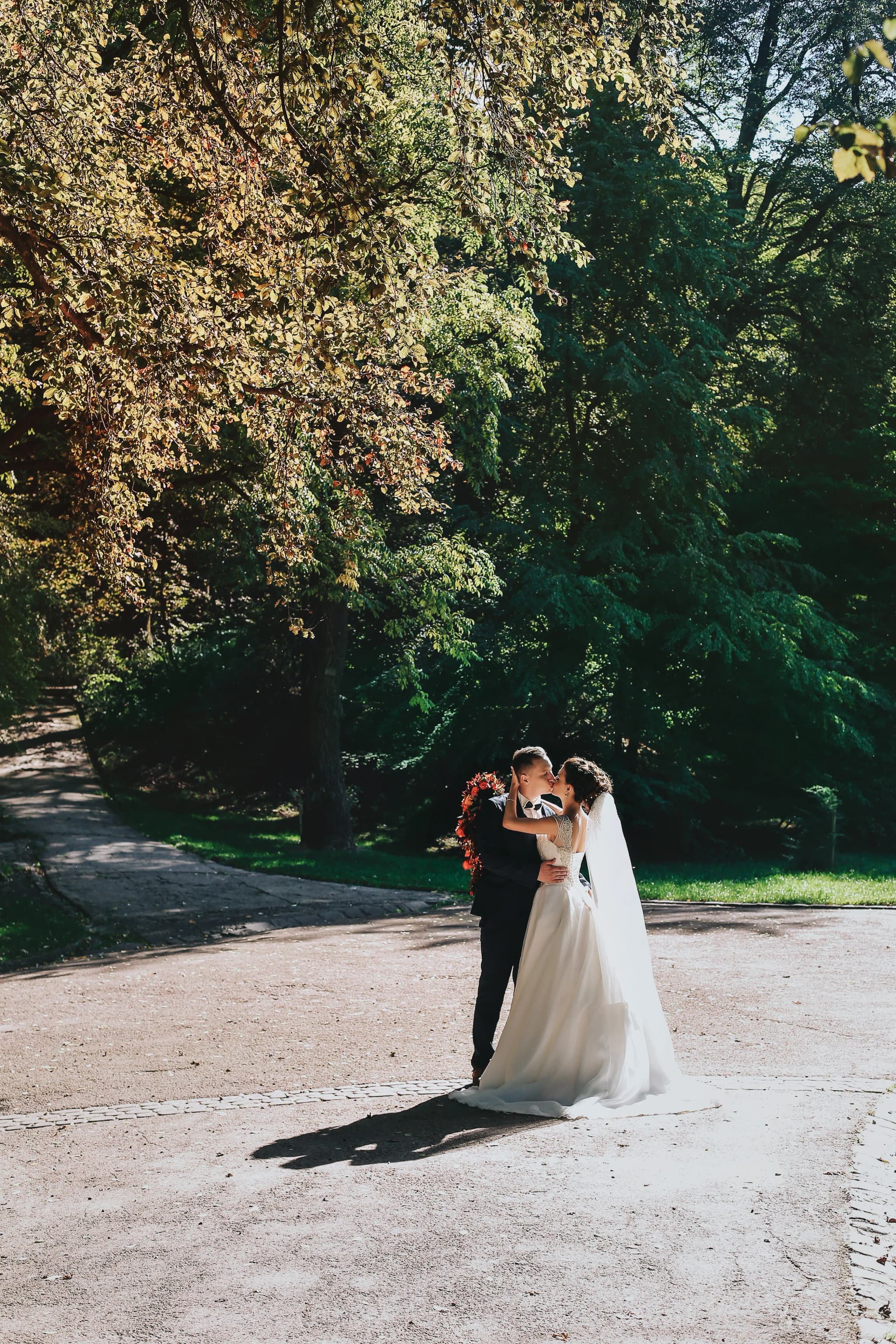
LGBTQ+ Wedding Photographer Cambridgeshire: Inclusive Venues and Affirming Photography
By Yana Skakun·21 May 2026·6 min read
Cambridgeshire is one of the most welcoming and well-served counties in England for LGBTQ+ couples planning a wedding. Cambridge itself has a progressive, diverse community, a strong history of LGBTQ+ civic life, and a concentration of venues and suppliers that are genuinely inclusive rather than merely technically compliant. This guide covers what to look for in an LGBTQ+-affirming wedding photographer and the best inclusive venues and registrars in the county.
What LGBTQ+-Affirming Wedding Photography Means in Practice
The difference between a photographer who is technically willing to photograph an LGBTQ+ wedding and one who is genuinely affirming comes down to several things:
- ◆Language: An affirming photographer uses inclusive, neutral language as default — 'couple', 'partners', 'brides', 'grooms', or whatever the couple prefers — without having to be asked or reminded. Assumption-based language ('bride and groom', 'husband and wife') from the first consultation indicates the photographer hasn't updated their practice.
- ◆Portfolio representation: A photographer who has photographed LGBTQ+ couples and shows that work confidently in their portfolio, on their website, and in their social media is demonstrating actual experience, not just stated acceptance. It matters because different-gender couple wedding photography and same-gender couple wedding photography are not quite the same — the dynamics, the pose approach, and the framing choices differ sufficiently that experience makes a real difference to the quality of results.
- ◆No caveats: A genuinely affirming photographer does not add caveats, special conditions, or alternative pricing for LGBTQ+ weddings. It is simply wedding photography.
- ◆Comfortable consultation: The initial consultation should feel entirely natural. If a photographer seems hesitant or uncertain during the enquiry process, trust that instinct. You should not have to advocate for your own wedding during contract discussions.
Civil Partnerships and Same-Sex Marriages in England
Same-sex marriage has been legal in England and Wales since 2014, following the Marriage (Same Sex Couples) Act 2013. Civil partnerships for same-sex couples were available from 2005. Since 2019, civil partnerships have been available to opposite-sex couples as well. All approved premises licensed for civil marriage must be licensed without distinction for same-sex couples.
LGBTQ+-Friendly Venues in Cambridgeshire
Most Cambridgeshire wedding venues are licensed for civil ceremonies and are legally required to be non-discriminatory. However, some venues go further in actively welcoming and celebrating LGBTQ+ couples:
- ◆Cambridge Guildhall — the civic venue in the heart of Cambridge, fully accessible and openly inclusive, with the Old Library ceremony room offering one of the most beautiful civil ceremony settings in the city
- ◆Cambridge Registry Office / Shire Hall — a formal civil ceremony setting with an established history of LGBTQ+ unions since civil partnership legislation
- ◆Anstey Hall, Trumpington — country house setting, openly inclusive, no religious requirements
- ◆Cambridge Blue / The Junction — Cambridge's LGBTQ+ community venues can support smaller celebrations and have strong connections with LGBTQ+ suppliers
- ◆Most rural Cambridgeshire estate venues — as licensed civil premises, they are legally required to be non-discriminatory; most have positive track records with same-sex couples
Religious Venues and LGBTQ+ Couples
Religious weddings for same-sex couples in England involve specific legal and institutional considerations. The Church of England cannot conduct same-sex marriages. However, Quaker meeting houses, some Reform Jewish synagogues, and some Unitarian churches are authorised for and actively conduct same-sex religious marriages. Cambridge has Quaker and Unitarian presences worth contacting if a religious ceremony is important to you.
Inclusive Wedding Photography in Cambridgeshire
I photograph LGBTQ+ couples with the same approach and enthusiasm as all the weddings I work on. If you are planning a same-sex wedding, civil partnership, or any celebration that doesn't fit the traditional mould, my work is fully inclusive and I would love to hear about your plans.
Get in Touch About Your Wedding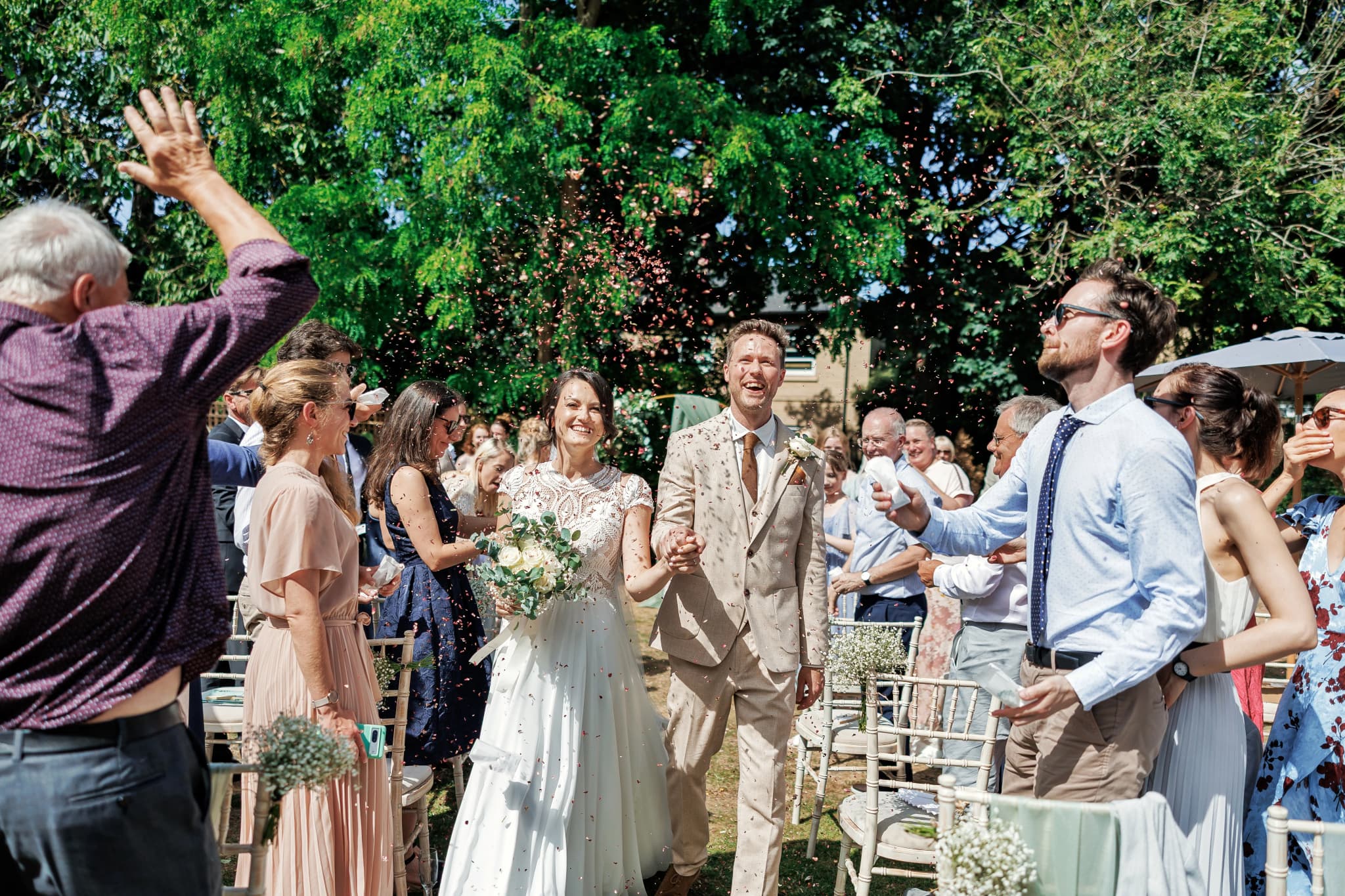

Yana Skakun
Photographer · England
Professional wedding, family and portrait photographer based in England. Passionate about capturing authentic emotions and timeless moments.
About Yana →LGBTQ wedding photographer Cambridgeshiresame-sex wedding photographer Cambridgegay wedding photographer Cambridgeinclusive wedding photography UKtwo brides photographer Cambridge
Wedding Styles — Professional Photography in Cambridge & England
Yana Skakun is a professional photographer based in Cambridge, covering weddings, families, and portraits across England. Every session is personal — planned around your story, your people, and the moments that matter most. This guide — LGBTQ+ Wedding Photographer Cambridgeshire: Inclusive Venues and Affirming Photography — is part of the photography journal: practical, experience-based advice drawn from real sessions across England. Whether you arrived searching for lgbtq wedding photographer cambridgeshire or same-sex wedding photographer cambridge, the same care and attention shapes every session Yana photographs.
Professional Photography sessions are available year-round, with bookings open across Cambridge, Ely, Huntingdon, Peterborough, and further afield — East England, London, the Midlands, and beyond. If you have specific questions about gay wedding photographer cambridge, mention it in your enquiry. Get in touch through the contact form above to check availability and discuss your session. Enquiries are welcomed from anywhere in the UK.
Frequently Asked Questions
What camera settings should I use for outdoor portraits?+
For outdoor portraits, shoot in aperture priority mode. Use a wide aperture (f/1.8–f/2.8) to blur the background and isolate your subject. Keep ISO as low as possible in good light. In bright conditions, use a neutral density filter or switch to manual to avoid overexposure at wide apertures.
What is the golden hour in photography?+
Golden hour is the period roughly 30–60 minutes after sunrise and before sunset. The sun is low in the sky, producing warm, soft, directional light that flatters skin tones and creates beautiful long shadows. It's widely considered the best natural light for portrait and outdoor photography.
How do you get sharp photos in low light?+
In low light, increase your ISO (accepting some grain), use the widest aperture your lens allows, and slow your shutter speed to the slowest you can hand-hold without camera shake (roughly 1/focal length as a guide). Use image stabilisation if available, and consider a tripod for static subjects.
What is the rule of thirds in photography?+
The rule of thirds divides the frame into a 3×3 grid. Placing your subject on one of the four intersection points — rather than dead centre — creates a more dynamic, visually interesting composition. It's a guideline, not a rule: some of the most powerful images break it deliberately.
How do you edit photos to look professional?+
Professional editing starts with shooting in RAW format. In Lightroom or similar software, correct exposure, white balance, and contrast first. Recover shadow and highlight detail. Apply gentle colour grading for mood. Be conservative with skin retouching — the goal is natural enhancement, not transformation. Consistency across a set of images is what separates professional from amateur editing.
Get in Touch
Ready to Book Your Session?
Get in touch to discuss your vision — I'll reply within 24 hours.