Yana Skakun

Mature Student Photography Cambridge: It's Never Too Late for Your Portrait
By Yana Skakun·24 March 2033·6 min read
Every October, Cambridge fills with a very particular kind of student — someone in their thirties, forties, fifties, or beyond, walking into a college they applied to on their own terms, often after a career, a family, or a life that had nothing to do with academia. Mature students make up a meaningful part of the University's intake every year, whether through part-time and flexible study routes, one-year postgraduate courses, or full undergraduate degrees taken later in life. I photograph a fair number of them, and over time I have noticed something consistent: mature students are far less likely than eighteen-year-old freshers to book a portrait session, arrange family photographs on graduation day, or commission any kind of considered visual record of what they have done. Younger students often have parents organising the photography, a well-worn tradition of gowns-and-college-lawn portraits, and no real hesitation about being photographed. Mature students, by contrast, often assume that sort of thing is "for the young ones," or feel slightly self-conscious asking for it, or simply do not think of it until the ceremony is a fortnight away and everyone's diary is already full. This guide exists to make the case, plainly, for why that assumption is backwards — and to explain practically how photography works for mature students in Cambridge, from portrait sessions during term to full family coverage on graduation day.
Why the Story Is Different — and Why That Matters for the Photographs
A portrait of a twenty-year-old graduate in subfusc and gown, standing on a college lawn, is a genuinely lovely photograph, and I take a great many of them every June and July. But a portrait of someone in their forties or fifties standing in the same gown carries a different weight, and it shows in the image whether or not anyone says a word about it. That person has usually navigated something more complicated to get there: leaving or restructuring a career, managing childcare or eldercare alongside coursework, living on a student income after years of a professional salary, moving a household, or returning to formal study after a gap of twenty or thirty years. None of that needs to be stated for it to be visible in a face that has lived through it. Photographically, mature portraits tend to have more texture — more character in the eyes, more ease in how someone carries themselves once the initial nerves of the camera wear off, and often a quieter, steadier kind of pride than the exuberant relief you see in twenty-one-year-olds finishing finals.
I say this not to diminish younger students' achievements, which are entirely real, but to push back on the assumption — one I hear fairly often from mature students themselves — that a portrait session is somehow a young person's indulgence rather than appropriate documentation of a serious accomplishment. If anything, the case runs the other way. The more a degree cost you to get, in time, money, disruption, or sacrifice, the more worth having a photograph that actually reflects what it meant.
Graduation Day: Family Photography That Reflects Who Actually Showed Up
For a mature student, graduation day at Senate House or at your college often draws a different crowd than it does for an eighteen-year-old fresher. Instead of just two parents, you might have a partner who managed the household solo through exam terms, children who grew up watching you study at the kitchen table in the evenings, and sometimes even a parent or grandparent who is seeing a family member cross this particular threshold for the first time. That is a genuinely different photographic brief from "family portrait with graduate," and it deserves to be treated as such rather than squeezed into the same fifteen-minute slot everyone else gets on the college lawn between ceremonies.
When I photograph mature student graduations, I build in time for several distinct things: formal portraits of the graduate alone, a family group session that gives young children room to be themselves rather than forced into a stiff pose, and candid coverage of the day as it actually unfolds — the walk to the Senate House, the gathering outside your college, the moment gowns and mortarboards come off and everyone finally relaxes. I coordinate the running order with your college's own graduation-day schedule in advance, because the windows for photography around the ceremony itself are often tighter than families expect, and mature students juggling visiting relatives, hired academic dress, and sometimes childcare logistics benefit far more than most from having a clear plan rather than trying to organise photographs on the fly.
If grandparents or elderly parents are travelling to Cambridge for the day, I also build in slightly gentler pacing and shorter walking distances where the college layout allows it, so the day works for everyone attending rather than only for the person in the gown.
Portrait Sessions During Term, Not Just on Graduation Day
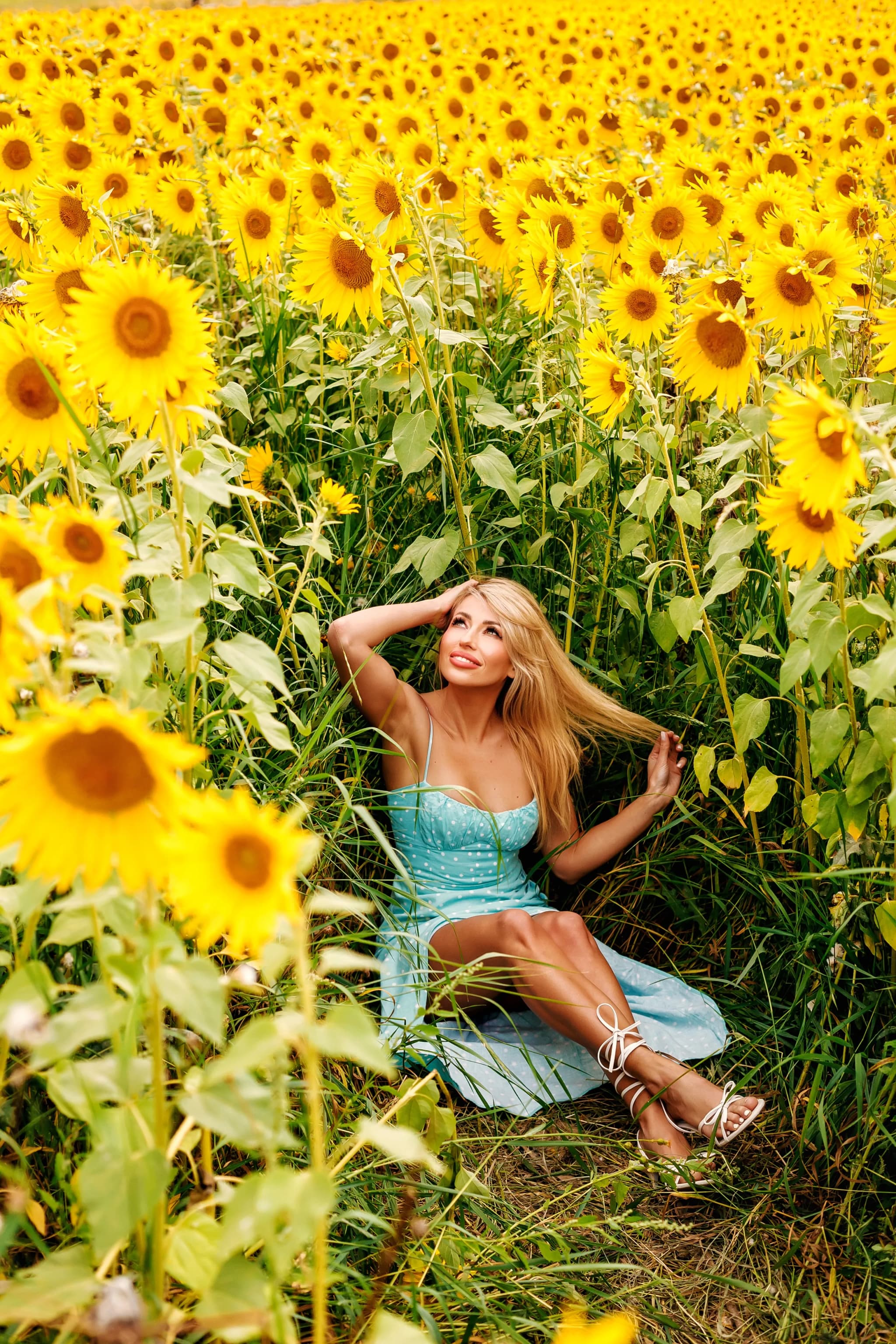
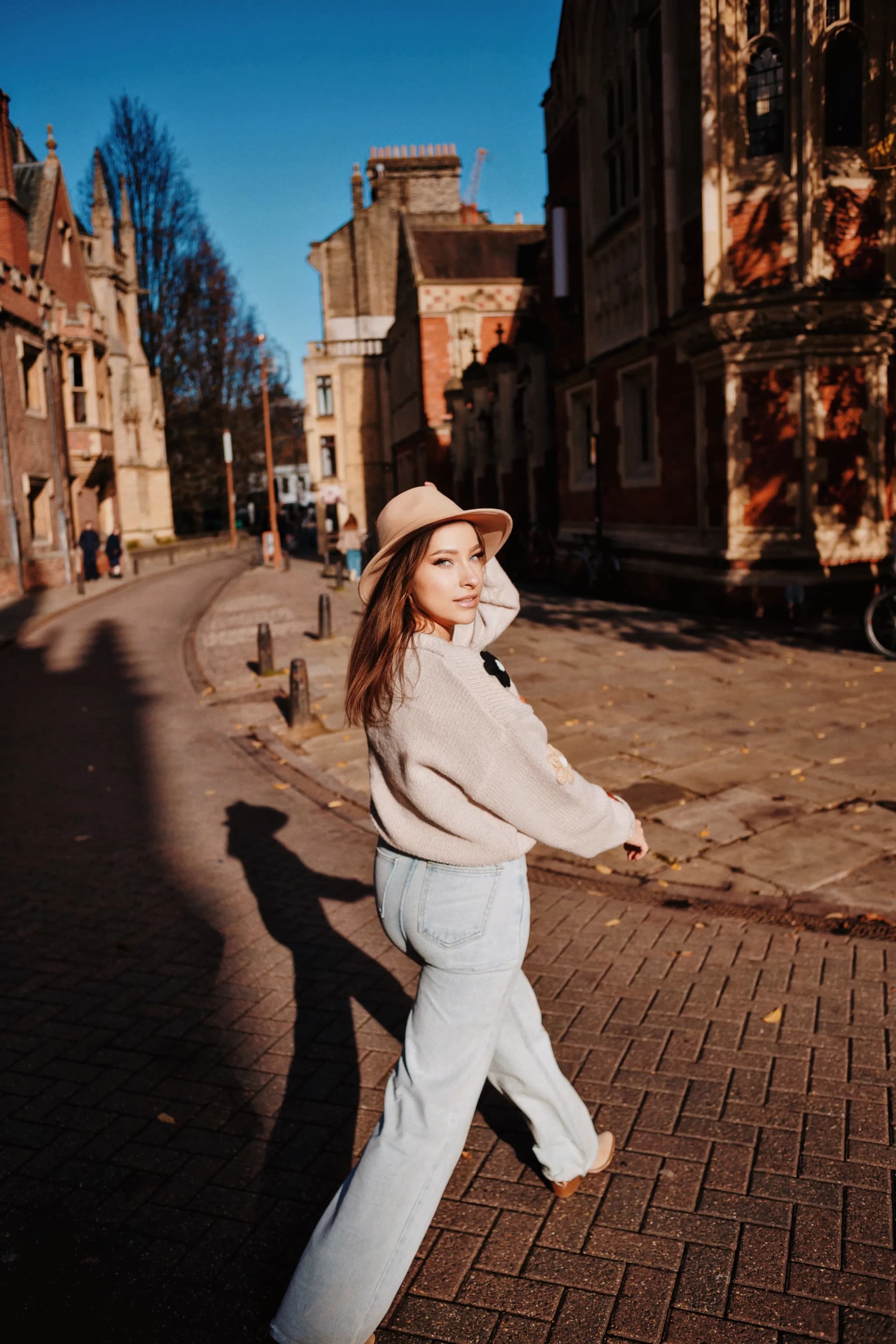
Graduation day photography matters, but it is not the only — or even always the best — time to have a proper portrait taken. Graduation days are crowded, weather-dependent, and emotionally full in ways that do not always leave room for a considered, unhurried portrait session. Many mature students I work with choose to book a separate portrait session during term instead, or in addition: an hour or so in a college courtyard, along the Backs, or in one of Cambridge's quieter corners, at a time when the light is good and there is no ceremony schedule pressing against the clock.
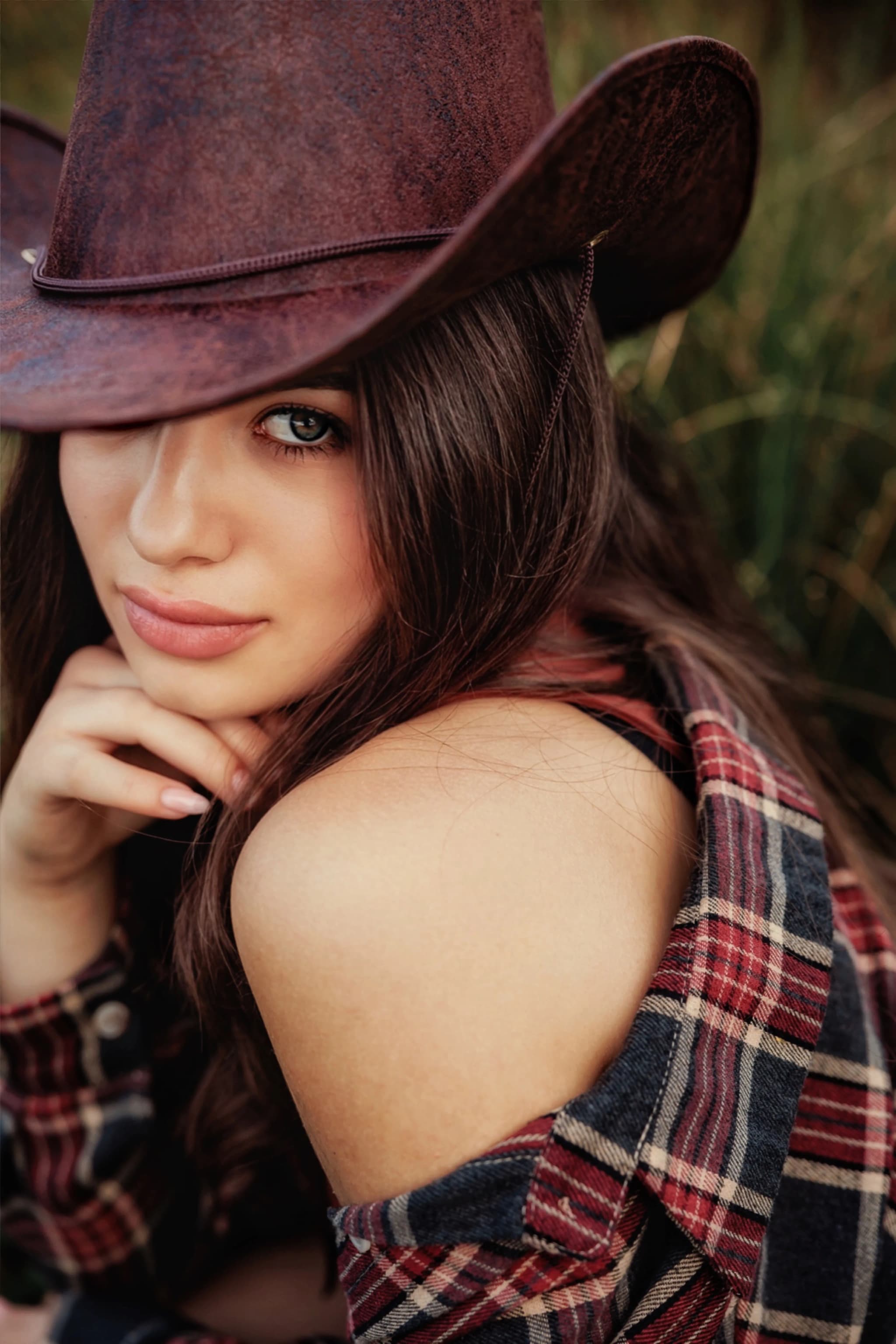
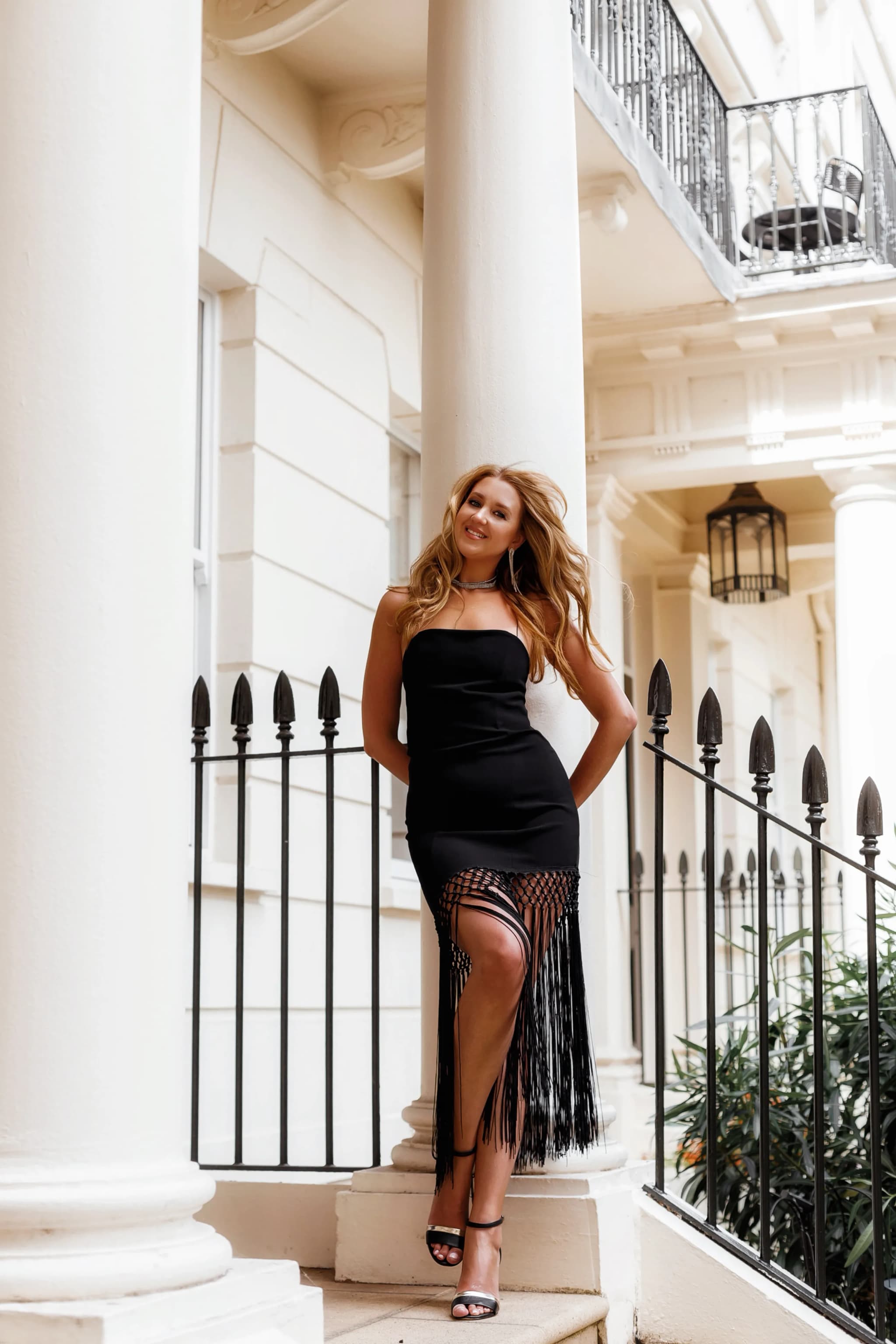
These sessions tend to produce calmer, more considered images than the graduation-day rush allows — genuine expressions rather than the slightly glazed look that comes after several hours in academic dress and a receiving line. For mature students specifically, a term-time portrait session is also an opportunity to be photographed simply as yourself, in your own clothes, in the place you have spent months or years working, rather than only ever being documented in the one costume everyone else wears too.
Documenting an achievement that took real sacrifice
Whether you want graduation-day family coverage, a considered portrait session during term, or both, I plan around your actual circumstances — family travel, ceremony timings, and how much time you realistically have — rather than treating mature students as an afterthought to the standard college-lawn routine.
Enquire about a Cambridge portrait or graduation sessionThe Professional Headshot: A Practical Asset, Not Just a Keepsake
A large number of mature students come to Cambridge specifically because a degree, a research qualification, or a period of intensive study connects directly to what comes next professionally — a career change, a return to a field at a more senior level, a new consultancy, or a first step into academia or research itself. For that group, a professional headshot taken in Cambridge, ideally against a backdrop that has some quiet connection to the University or the city, is not simply a memento. It is a practical, usable asset: for LinkedIn, for a firm's website, for a speaker profile, for a CV that now needs to explain a career pivot to people who were not there for the years of work behind it.
I offer combined sessions that cover both bases in a single booking — a set of personal portraits for your own record, and a set of clean, professionally lit headshots suitable for immediate business use. This is genuinely one of the more popular bookings among mature Cambridge students, precisely because it solves two problems — the personal documentation and the professional asset — in one appointment rather than requiring two separate sessions at two separate costs.
For those returning to sectors where a strong, current headshot matters — law, medicine, academia, consultancy, the charity sector, and plenty of others — having that image ready before you leave Cambridge, rather than scrambling for one months later at a new job, is a small piece of practical planning worth doing while you are here and the opportunity is in front of you.
Practical Details: Timing, Locations, and What to Expect
Graduation ceremonies at Cambridge run across the year depending on your course and college, with the largest concentration in the summer months, so it is worth getting in touch as soon as you have a confirmed date rather than waiting until the week itself — good time slots around ceremony days fill up quickly, particularly in peak graduation weeks. For portrait sessions during term, I work around your timetable and try to schedule for a period when Cambridge light is at its best, generally avoiding the flattest, greyest stretches of midwinter unless the college interiors themselves are the point of the shoot.
Locations depend on your college and personal preference. Many colleges are generous about allowing graduates and their families a short window for photography in courtyards, cloisters, or gardens, though a few require advance permission or restrict access on the busiest days, so I always recommend checking with your college's porters' lodge ahead of time if we are planning to use a specific internal space. Beyond college grounds, the Backs, the Bridge of Sighs area, and the wider city centre all offer beautiful, recognisably Cambridge backdrops that work well whether the gown is on or off.
On the practical side of academic dress: subfusc and gowns can usually be hired for the day through the same suppliers most students use, and I am happy to advise on timing so that hire, ceremony, and photography all fit together without anyone feeling rushed. If family members are travelling some distance, building in a slightly longer window than you think you need is almost always the right call — graduation days have a way of running later than planned, and a rushed final half hour is the one thing that tends to produce photographs everyone is less happy with afterwards.
You Have Earned the Same Consideration as Everyone Else
None of this is meant to suggest that mature students need a fundamentally different kind of photography from anyone else graduating from Cambridge. The point is closer to the opposite: the assumption that portrait sessions and considered graduation photography are somehow only for school-leavers is simply wrong, and it results in a real gap — a group of people who often have the most complicated, hard-won stories getting the thinnest visual record of the day they finished telling them. A proper portrait session, whether on graduation day or during term, is not an indulgence bolted onto an already-expensive degree. It is appropriate, ordinary documentation of something you worked seriously hard to achieve, on exactly the same terms as anyone else walking across that lawn in a gown.
If you are a mature student approaching graduation, or simply want a portrait session that reflects where you actually are in life rather than the standard eighteen-year-old's version of a Cambridge photograph, I would be glad to help plan it around your family, your ceremony, and your time. Get in touch with your graduation date or preferred term-time window and I will talk you through what tends to work best, including combined portrait-and-headshot sessions for anyone who wants both the personal record and a professional asset out of a single appointment.



Yana Skakun
Photographer · England
Professional wedding, family and portrait photographer based in England. Passionate about capturing authentic emotions and timeless moments.
About Yana →mature student photography Cambridgeadult student portraits CambridgeCambridge portrait mature studentreturning student photography Cambridge
Portrait Tips — Portrait Photography in Cambridge & England
Portrait sessions with Yana Skakun are unhurried and personal — designed to produce images that feel genuinely like you, not a performance. Sessions are available in Cambridge, across East England, and at locations throughout the UK. This guide — Mature Student Photography Cambridge: It's Never Too Late for Your Portrait — is part of the photography journal: practical, experience-based advice drawn from real sessions across England. Whether you arrived searching for mature student photography cambridge or adult student portraits cambridge, the same care and attention shapes every session Yana photographs.
Portrait Photography sessions are available year-round, with bookings open across Cambridge, Ely, Huntingdon, Peterborough, and further afield — East England, London, the Midlands, and beyond. If you have specific questions about cambridge portrait mature student, mention it in your enquiry. Get in touch through the contact form above to check availability and discuss your session. Enquiries are welcomed from anywhere in the UK.
Frequently Asked Questions
How do I look natural in portrait photos?+
The key is to keep moving — walking, talking, laughing. Still poses often look stiff. A good portrait photographer will direct you gently rather than just pointing and shooting. Take a breath, drop your shoulders, and try to focus on something that makes you happy rather than worrying about how you look.
What should I wear for a portrait session?+
Wear something you feel good in — not something borrowed or brand new that you haven't worn before. Solid colours photograph better than busy patterns. Bring a second outfit for variety. Think about the location: flowing fabrics work beautifully outdoors; tailored looks suit urban settings.
How long does a portrait session take?+
Standard portrait sessions last 60–75 minutes. This allows enough time to warm up, try different locations and poses, and explore a couple of looks without rushing. If you're very camera-shy, a longer session helps — the more relaxed you become, the better the final images.
What locations are best for outdoor portrait photography?+
Gardens, parks, riverside paths, woodland, and areas with interesting architecture all make great portrait backgrounds. The most important factor is light — a location with open shade or soft directional light will always photograph better than a technically beautiful spot in harsh midday sun.
What is the difference between a portrait session and a headshot session?+
Portrait sessions focus on you as a whole person — full-body, three-quarter, and close-up images in a relaxed, often outdoor setting. Headshot sessions focus specifically on professional or actor headshots: face and upper body, often in a controlled setting with consistent, professional lighting.
Continue Reading
Related Articles
Portrait Tips
Glasses and Glare in Photography: How to Get Great Results
6 min read · Read Article
Portrait Tips
Fake Tan Before a Photoshoot: Timing, Application, and What Can Go Wrong
6 min read · Read Article
Portrait Tips
Hair and Makeup for a Photoshoot: What Photographs Well
7 min read · Read Article
Get in Touch
Ready to Book Your Session?
Get in touch to discuss your vision — I'll reply within 24 hours.