Yana Skakun

Personal Branding Photography for Entrepreneurs: Your Face Is Your Business
By Yana Skakun·7 July 2033·7 min read
Most entrepreneurs I meet have a website that is doing far more work than their photographs give it credit for. The copy has been refined, the services are clearly laid out, the testimonials are genuine and well-chosen — and then, sitting at the top of it all, is a single phone photo taken in a hurry before a meeting two years ago, or worse, no photograph of the person at all. Personal branding photography exists to close that gap. It is not vanity, and it is not the preserve of people who already have a large following. It is a working set of images, built specifically for your business, that lets clients see who they are actually about to hire before they ever pick up the phone.
What Personal Branding Photography Actually Is
Personal branding photography is a curated library of images built around you, your work, and the environment in which you operate. It is distinct from a headshot in a specific and important way: a headshot answers one question — what does this person look like, professionally presented — and it does so in a single frame or a small handful of variations. Personal branding photography answers a much wider set of questions across a much larger set of images: what does this person do all day, what does their working environment look like, how do they interact with clients or materials or tools, what is the texture and mood of their business.
In practice this means a session moves through several different setups rather than staying in front of one plain backdrop. A florist might be photographed at her workbench mid-arrangement, at the counter greeting a customer, and in a simple portrait against a clean wall for her About page. A copywriter might be photographed at a desk with a laptop open, walking through a park with a notebook, and in a close, warm portrait for her email newsletter header. The variety is deliberate. It gives you a genuine bank of usable images rather than one photograph stretched thin across every platform.
Why It Matters Well Before You Are "Well Known"
There is a persistent and slightly backwards assumption that personal branding photography is something you invest in once you have already made it — once you have a following, a book deal, a stage to speak from. In my experience the opposite is true. The earlier stage of a business, when trust has to be built from nothing, is exactly when a coherent, professional visual identity earns its keep. A prospective client who has never heard of you is making a judgement about your credibility within seconds of landing on your site, and that judgement is formed visually long before it is formed by your copy.
This matters especially for solo entrepreneurs and small business owners, because you are, in a very literal sense, the product people are being asked to trust. A coach, a consultant, a photographer, a therapist, a personal trainer, a wedding planner — in every one of these businesses, the client is not just buying a service, they are buying a working relationship with a specific human being. Photographs are the fastest way for a stranger to begin forming an impression of what that relationship might feel like: warm or clinical, approachable or intimidating, careful or careless. A blurry phone selfie sends one message. A set of considered, well-lit images sends another, whether or not either one is a fair reflection of the person behind them.
There is also a quieter, more internal benefit that clients often mention only after the session: having a proper set of images changes how confidently you show up online. Founders who have been avoiding posting on LinkedIn or putting their face on their homepage because they dislike every photograph they currently have often find that a single afternoon changes that avoidance completely. Once you have images you are not embarrassed by, the resistance to being visible tends to fall away on its own.
What a Session Actually Produces
A full personal branding session moves through several distinct setups across a couple of hours, typically producing a broad set of edited images rather than a small handful. This is what I think of as a visual content bank: a library deep enough that you can draw on it for months of social posts, blog headers, email newsletters, and website updates without ever repeating the same shot twice or resorting to stock photography.
Before the session, I work through a proper planning conversation with every client. We talk through where you actually work — a studio, a shopfront, a home office, a client site, outdoors if your work happens there — and choose two or three locations that genuinely represent your business rather than locations chosen for their prettiness alone. We talk through outfits, aiming for two or three changes that reflect the range of contexts you are photographed in for and that will still look current in two or three years' time rather than obviously dated to a passing trend. We also talk through the specific images you need: a wide horizontal crop for a website hero banner, a square crop for social platforms, a vertical crop for a press kit or magazine feature, a close portrait for an author bio or podcast guest slot. Planning for these crops in advance, rather than trying to salvage them afterwards from images shot without that in mind, makes a real difference to how usable the final set is.
On the day itself, a mixture of directed portraits and candid, in-action images tends to work best. The directed portraits give you the clean, confident images for your homepage and LinkedIn profile. The candid, working images — hands mid-task, mid-conversation with a colleague, walking through your own space — give you the images that make your business feel real and specific rather than generic. Both types matter, and neither replaces the other.
Building your own visual content bank
If your current photographs are holding your website and social presence back, a personal branding session is a focused way to fix that in a single afternoon, with images planned around exactly how and where you actually use them.
Enquire about a personal branding sessionChoosing Locations and Environments That Say Something True
The single biggest difference between personal branding photography and a generic corporate headshot is location. A plain grey backdrop tells a client nothing about your business. Your actual working environment tells them a great deal, and it does so without a single word of copy. For entrepreneurs based in and around Cambridge, this often means the session takes place somewhere with real texture — a studio space, a workshop, a café you work from regularly, your own home office, or a stretch of the city itself if your work involves walking clients through it, showing properties, or leading tours and workshops.
I generally recommend against choosing a location purely because it looks impressive. A beautifully styled space that has nothing to do with how you actually work reads, subtly, as staged, and clients are increasingly good at sensing the difference between an authentic representation of a business and a purely aesthetic one. The environments that work best are the ones you would recognise as genuinely yours — even if that means a slightly imperfect desk, a workbench with tools mid-use, or a shopfront with the ordinary clutter of a working day still visible in the background.
Where a business is entirely digital or has no single physical base, I lean more heavily on portrait-style setups in flattering, neutral locations around the city and on close, expressive portraiture that carries the personality of the individual rather than the personality of a room. Either approach can work well; the important thing is choosing deliberately rather than defaulting to whatever space happens to be convenient on the day.
Wardrobe and Presentation: Getting It Right Without Overthinking It
Clients often spend more anxious energy on wardrobe than on any other part of session planning, and it is usually more straightforward than it feels. The general principle is to dress as the best, most put-together version of how you would normally show up to do your actual work, rather than as a version of yourself you do not recognise. If you would never wear a blazer to meet a client, a blazer in your branding photographs will look like a costume. If tailored, structured clothing is genuinely part of how you present yourself professionally, then it belongs in the images.
Solid, mid-tone colours generally photograph better than busy patterns or very bright, saturated colours, which can pull attention away from your face and date an image quickly. Bringing two or three outfit options that vary in formality — a smart-casual option, a slightly more polished option, and something that reflects the specific nature of your work, such as an apron, branded workwear, or practical clothing if your business involves physical work — gives the resulting image set enough range to serve different platforms and different contexts without needing a second session.
Small, consistent details matter more than people expect. If you wear glasses day to day, wear them in the photographs; images without them can end up looking subtly unlike you to people who know you. The same is true of distinctive accessories, hairstyles, or anything else that is part of how clients actually recognise you in person. The goal throughout is recognisability and consistency, not a temporarily elevated version of yourself that no longer matches how you show up once the camera is gone.
Using the Images Well After the Session
A strong set of personal branding images only pays off if it is actually deployed with some intention afterwards, and this is the step that gets neglected most often. I encourage clients to think of the delivered gallery as a resource to be spent deliberately over the following months rather than a one-off task to tick off. That means choosing one clear, current image for your website homepage and About page and leaving it in place rather than swapping it every few weeks, while rotating through the wider set of candid, working, and detail images across social platforms, email headers, and any press or speaking opportunities that come up.
Consistency across platforms is worth more than most entrepreneurs assume. When your LinkedIn profile, your website, your email signature, and your Instagram all show a coherent, obviously-the-same-person visual identity, it reinforces the sense that you run a considered, professional operation, even before a client has read a word about what you actually do. A mismatched set of photographs across platforms — a formal headshot in one place, a blurry crop from a group photo in another — undercuts that impression, however good any single image might be on its own.
For most entrepreneurs, a single well-planned session provides enough material to cover a significant stretch of business activity: months of social content, a full website refresh, and material for press or speaking opportunities as they arise, all without a repeat photograph appearing anywhere. Because the value compounds every time the images are used, the return on a session like this tends to become clear fairly quickly, particularly for businesses that rely on a client actively choosing to trust and hire an individual person rather than simply purchasing a product.
If your current photographs are quietly working against the business you have built, that is one of the easiest things to fix. A personal branding session gives you a genuine library of images planned around how you actually work and where those images will actually be used, rather than a single photograph asked to do a job it was never suited to. If you would like to talk through what a session tailored to your business might look like, get in touch and we can plan a session around your work, your environment, and the platforms you need to show up on.
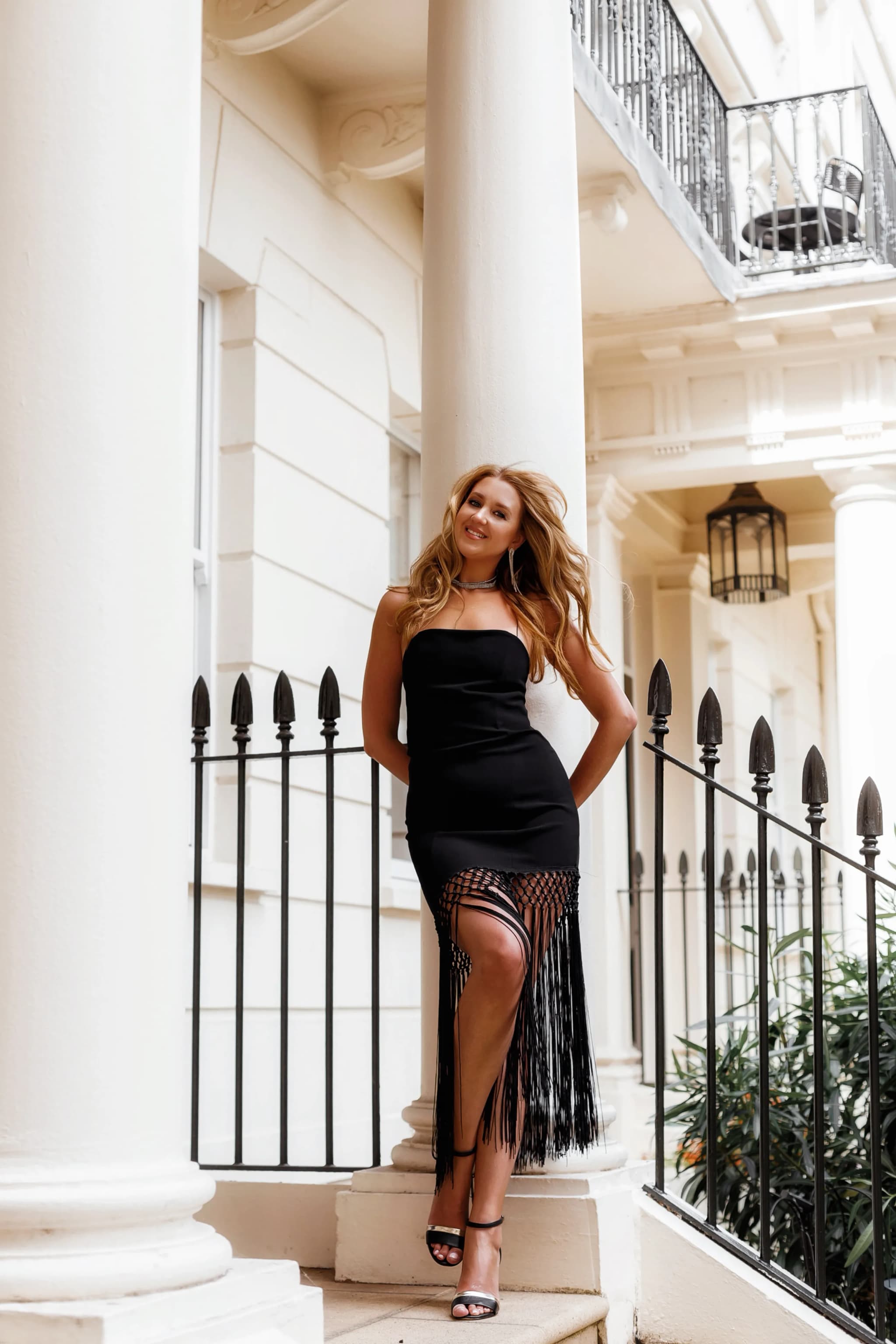


Yana Skakun
Photographer · England
Professional wedding, family and portrait photographer based in England. Passionate about capturing authentic emotions and timeless moments.
About Yana →personal branding photography entrepreneurfounder portraits UKpersonal branding photographer Cambridgebusiness portrait photography
Portrait Tips — Portrait Photography in Cambridge & England
Portrait sessions with Yana Skakun are unhurried and personal — designed to produce images that feel genuinely like you, not a performance. Sessions are available in Cambridge, across East England, and at locations throughout the UK. This guide — Personal Branding Photography for Entrepreneurs: Your Face Is Your Business — is part of the photography journal: practical, experience-based advice drawn from real sessions across England. Whether you arrived searching for personal branding photography entrepreneur or founder portraits uk, the same care and attention shapes every session Yana photographs.
Portrait Photography sessions are available year-round, with bookings open across Cambridge, Ely, Huntingdon, Peterborough, and further afield — East England, London, the Midlands, and beyond. If you have specific questions about personal branding photographer cambridge, mention it in your enquiry. Get in touch through the contact form above to check availability and discuss your session. Enquiries are welcomed from anywhere in the UK.
Frequently Asked Questions
How do I look natural in portrait photos?+
The key is to keep moving — walking, talking, laughing. Still poses often look stiff. A good portrait photographer will direct you gently rather than just pointing and shooting. Take a breath, drop your shoulders, and try to focus on something that makes you happy rather than worrying about how you look.
What should I wear for a portrait session?+
Wear something you feel good in — not something borrowed or brand new that you haven't worn before. Solid colours photograph better than busy patterns. Bring a second outfit for variety. Think about the location: flowing fabrics work beautifully outdoors; tailored looks suit urban settings.
How long does a portrait session take?+
Standard portrait sessions last 60–75 minutes. This allows enough time to warm up, try different locations and poses, and explore a couple of looks without rushing. If you're very camera-shy, a longer session helps — the more relaxed you become, the better the final images.
What locations are best for outdoor portrait photography?+
Gardens, parks, riverside paths, woodland, and areas with interesting architecture all make great portrait backgrounds. The most important factor is light — a location with open shade or soft directional light will always photograph better than a technically beautiful spot in harsh midday sun.
What is the difference between a portrait session and a headshot session?+
Portrait sessions focus on you as a whole person — full-body, three-quarter, and close-up images in a relaxed, often outdoor setting. Headshot sessions focus specifically on professional or actor headshots: face and upper body, often in a controlled setting with consistent, professional lighting.
Continue Reading
Related Articles
Portrait Tips
Glasses and Glare in Photography: How to Get Great Results
6 min read · Read Article
Portrait Tips
Fake Tan Before a Photoshoot: Timing, Application, and What Can Go Wrong
6 min read · Read Article
Portrait Tips
Hair and Makeup for a Photoshoot: What Photographs Well
7 min read · Read Article
Get in Touch
Ready to Book Your Session?
Get in touch to discuss your vision — I'll reply within 24 hours.