Yana Skakun

Relaxed Lifestyle Portraits in Cambridge: Just You, Naturally
By Yana Skakun·18 August 2033·6 min read
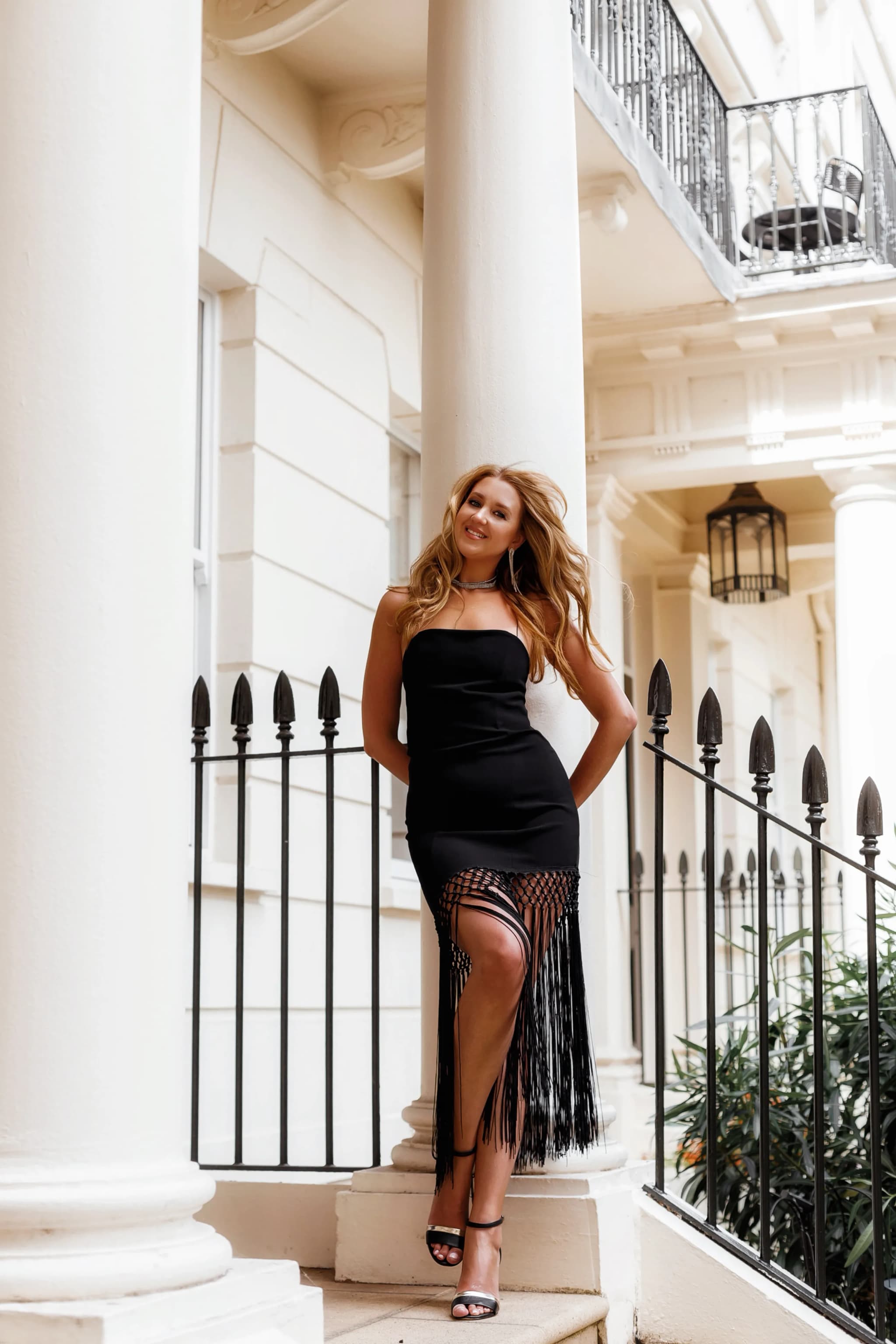
Almost every portrait enquiry I receive begins with some version of the same worry: "I'm not really photogenic" or "I hate having my photo taken" or "my partner is going to make this awkward." I hear it so often that I no longer treat it as an unusual confession — it is, in my experience, the default starting point for most people who are not professional models or actors. Relaxed lifestyle portraits exist precisely to answer that worry, not by pretending the discomfort away, but by building a session where there is genuinely nothing stiff to perform. No fixed poses held for the count of three, no instructions to tilt your chin at an unnatural angle, no long silences while you wonder if you are doing it right. Just a session structured around movement, conversation, and real surroundings, photographed as it happens.
What "Lifestyle" Actually Means in Portrait Photography
The word lifestyle gets used loosely across the photography industry, so it is worth being precise about what it means in the context of my sessions. A traditional portrait approach places the subject in front of the camera, directs a pose, and captures a still moment built for the lens. A lifestyle approach does something closer to the opposite: it places the subject in an environment they would plausibly be in anyway — walking along a riverside path, sitting on a step in the morning sun, laughing at something a partner or child has just said — and photographs the genuine behaviour that occurs there, guided rather than posed.
This does not mean there is no direction at all. Left completely to their own devices, most people freeze, over-smile, or default to the same handful of stiff poses they remember from school photographs. The skill in lifestyle portraiture is in giving just enough structure — a place to walk to, a question to answer, a task to do with your hands — that natural behaviour has somewhere to happen, without ever asking someone to hold an artificial position. The photographs that come out of this process tend to look like moments rather than sittings, which is exactly the intention.
Why Tension Shows in Photographs (and How to Avoid Creating It)
Cameras are unusually good at recording tension. The slight rigidity in someone's shoulders when they know they are being watched, the fixed half-smile that never quite reaches the eyes, the eyes themselves flicking toward the lens rather than resting on whatever they are supposedly looking at — these are all small physical signals, but they read clearly in a still photograph in a way they never do in the flow of ordinary life. Most people who describe themselves as unphotogenic are not describing a genuine physical trait. They are describing the accumulated effect of being photographed in situations that made them self-conscious.
A relaxed session works to remove the conditions that create that self-consciousness rather than trying to photograph around it. That starts with the pace: I would rather spend the first ten minutes of any session simply walking and talking, camera mostly down, than rush straight into shooting while everyone is still adjusting to the presence of a camera. It continues through the direction style itself — asking you to do something (walk toward that gate, tell me about your weekend, look at your daughter) rather than asking you to look a certain way. Genuine focus on an activity or a person produces a natural expression far more reliably than any instruction about smiling ever could.
Clothing and preparation help too, though less than people often assume. I always suggest wearing something you already feel comfortable and like yourself in, rather than something bought specifically for the occasion and worn for the first time in front of a camera. Confidence in what you are wearing removes one more small source of self-consciousness, and self-consciousness is the real enemy of a relaxed portrait, not any particular pose or angle.
Real Expressions Versus Performed Ones
There is a visible difference, once you know to look for it, between a real expression and a performed one. Genuine laughter creases the skin around the eyes and pulls at muscles a posed smile does not reach. Genuine calm shows in stillness through the whole face, not just a neutral mouth. Genuine warmth shows in the direction of someone's gaze and the slight forward lean of their body toward whoever or whatever they are looking at. None of these things can be reliably instructed into existence — "look warm" produces a very different result to actually feeling warmth toward the person standing next to you.
This is why almost everything I do during a lifestyle session is designed to produce the real thing rather than a passable imitation of it. If I want laughter in a photograph, I will say something genuinely funny, or ask a partner to whisper something to the other, or simply wait for the moment that naturally arrives when two people who like each other are given time together without a strict schedule pressing on them. If I want a thoughtful, quiet expression, I will ask a question that requires actual thought, then photograph the pause before the answer rather than asking anyone to arrange their face into thoughtfulness.
For couples and families, this often means I spend more time directing the interaction between people than I spend directing any individual's pose. Tell your partner what you love about them. Walk together and talk about your day. Chase your child down the path. The photographs I want come out of the space between people, not out of instructions given directly to camera, and that space is where genuinely relaxed portraits are made.
Cambridge Locations Built for Relaxed Sessions
The environment a session takes place in has a real effect on how relaxed people feel within it, so location choice is not purely aesthetic — it is part of the strategy for getting natural results. Grantchester Meadows is one of my most reliable choices for exactly this reason. The open riverside path gives people somewhere to walk without feeling watched, the long grass and willow trees provide a backdrop that does not compete for attention, and the general unhurried atmosphere of the Meadows — dog walkers, punts drifting past, the odd cyclist — helps a session feel like a normal Cambridge afternoon rather than a staged event.
Quieter college gardens, where access allows, offer a different but equally useful quality: enclosed, calm spaces away from the crowds around the main tourist routes, with the kind of architectural backdrop that adds texture without demanding attention. For clients who feel self-conscious in busy public areas, these more private corners of Cambridge make a genuine difference to how comfortable they feel, and comfort translates directly into the photographs.
For clients who feel most at ease in their own space, home sessions are also an option. There is a particular kind of relaxed image that only comes from photographing someone in their own kitchen making coffee, or a family in their own garden, where the environment itself is already familiar and there is nothing new to adjust to beyond the presence of a camera. I always talk through location options during the initial consultation, matching the setting to what will genuinely put each client at ease rather than defaulting to whichever spot happens to be currently popular.
How a Relaxed Session Is Actually Structured
In practice, a lifestyle portrait session with me tends to follow a loose but deliberate shape. We start with a period of simply arriving and settling — walking to the first spot, talking, letting the initial awkwardness of being in front of a camera fade before I start shooting in earnest. This is not wasted time. Some of the best images of a session come from these first few minutes precisely because no one is trying yet.
From there, I move through a sequence of small activities and prompts rather than a fixed shot list: walking together, a quiet moment sitting somewhere comfortable, a task that involves the hands (a coffee cup, a scarf being adjusted, a child being lifted), and conversation throughout, because people who are talking rarely look stiff. I keep the camera moving and largely stay out of direct sightlines rather than standing squarely in front of subjects issuing instructions, which keeps the atmosphere closer to being photographed candidly than being formally sat for a portrait.
Towards the end of a session, once everyone has properly settled, I will usually ask for a small number of more directed images — a couple looking at the camera together, a family gathered and looking toward me, an individual portrait with direct eye contact. By this point in the session these feel far less stiff than they would have done as an opening shot, because the ease built up over the previous half hour carries through into them.
Not sure a session like this is "you"?
Most clients who book a relaxed lifestyle session tell me beforehand that they usually hate having their photo taken. A short call before booking is a good way to talk through what the session would actually involve and whether it feels right for you.
Ask about a relaxed portrait sessionWho Relaxed Lifestyle Sessions Work Best For
This approach tends to suit a particular range of clients especially well. Couples who want portraits that reflect their actual relationship rather than a stylised version of it. Families with young children, who genuinely cannot hold a formal pose for long and photograph far better when simply allowed to be themselves in an interesting environment. Individuals who have avoided professional photography for years because previous experiences felt stiff, clinical, or embarrassing, and want something that finally feels like them.
It also suits milestone occasions where the point is to capture how a relationship or a family actually feels at that moment — an engagement, a new baby settling into family life, a couple marking an anniversary — rather than producing a formal record for its own sake. The relaxed approach photographs the feeling of the occasion as much as the fact of it, which is usually what people find themselves most drawn to when they look back at the images later.
It is worth saying plainly that this style is not the right fit for every purpose. If you need a formal, symmetrical group portrait for a specific traditional use, or a corporate headshot with a controlled studio background, a more structured approach will serve you better, and I am happy to talk through which style suits your particular need during an initial conversation.
A relaxed portrait session is not really about relaxation as an end in itself — it is a means of getting to photographs that look and feel like the people in them, rather than a performance of how they think they should look in front of a camera. That takes deliberate structure, careful location choice, and a way of directing people that asks for actions and interactions rather than poses, but the result is a set of images that tend to age well precisely because they were never trying to be anything other than true to the moment they were taken in. If you have been putting off booking a portrait session because previous experiences felt stiff or awkward, get in touch and we can talk through what a relaxed session in Cambridge would actually look like for you.
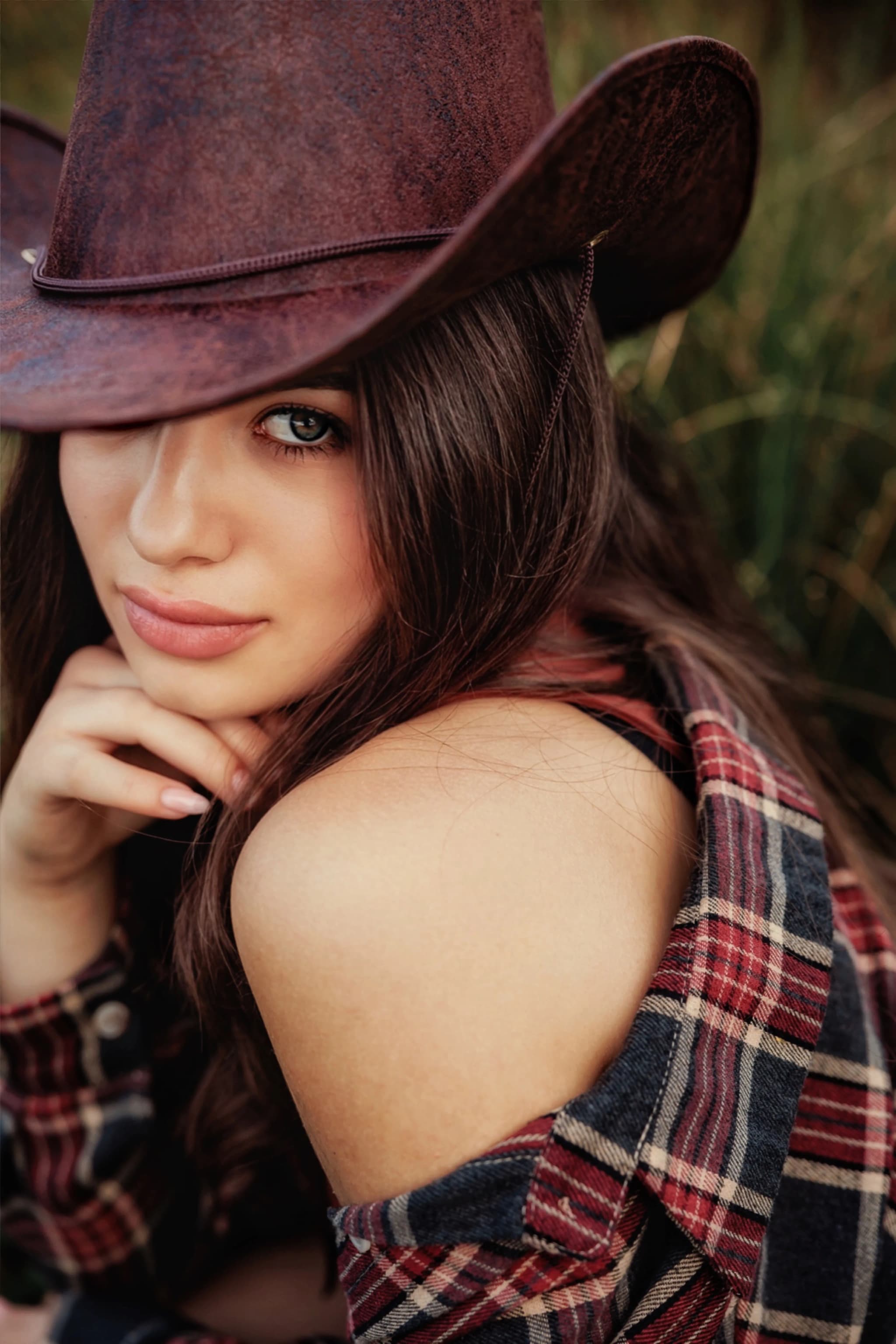
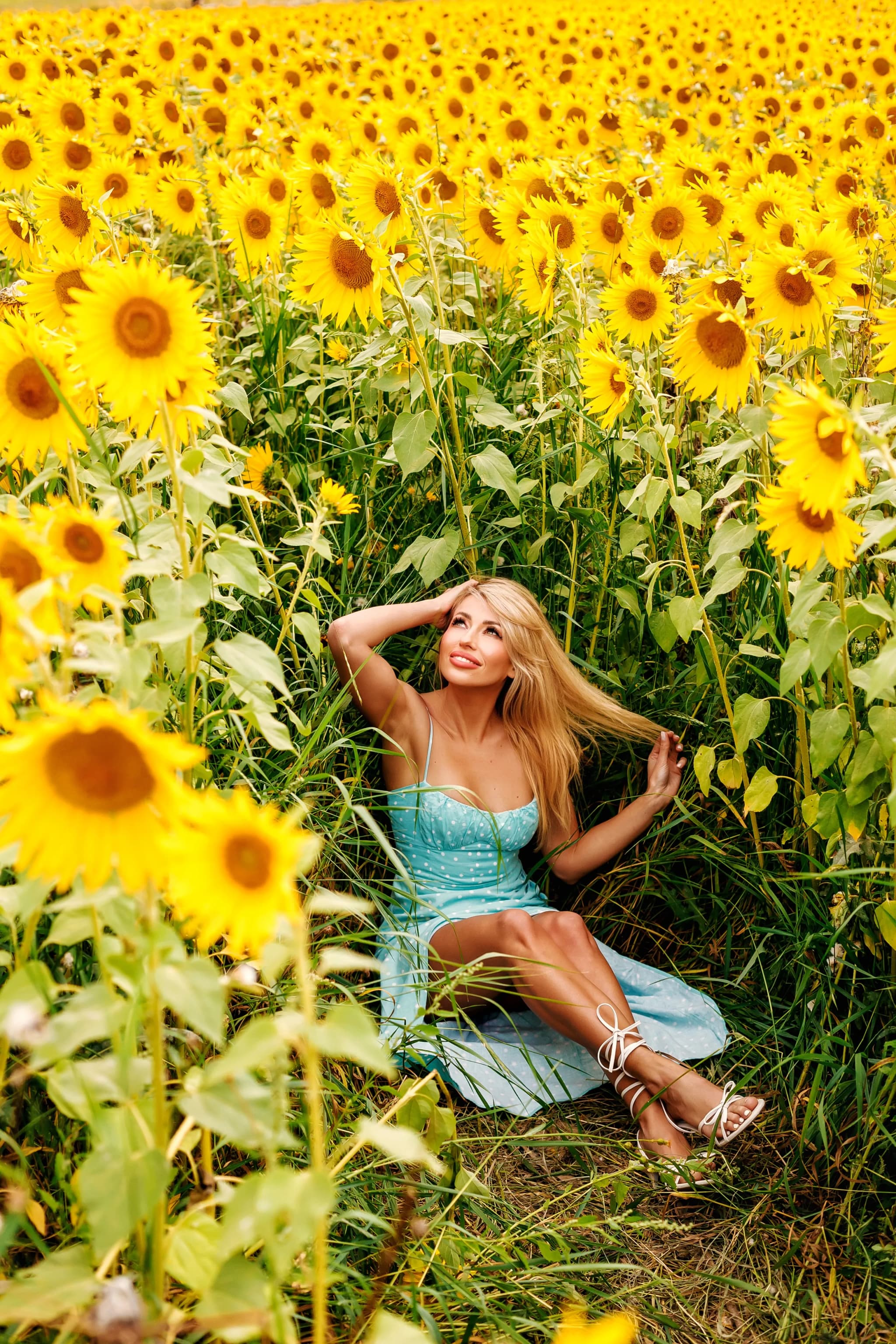
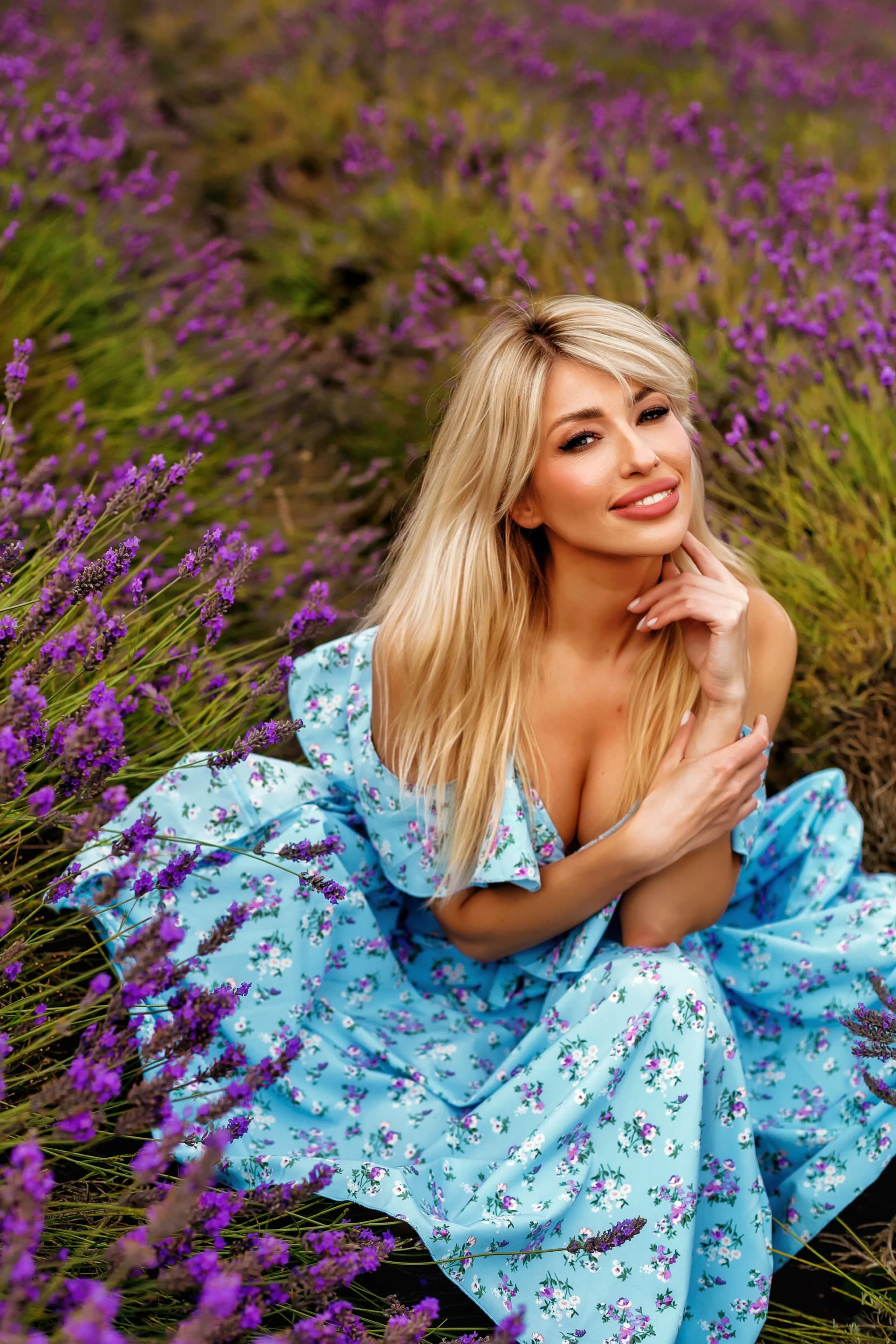
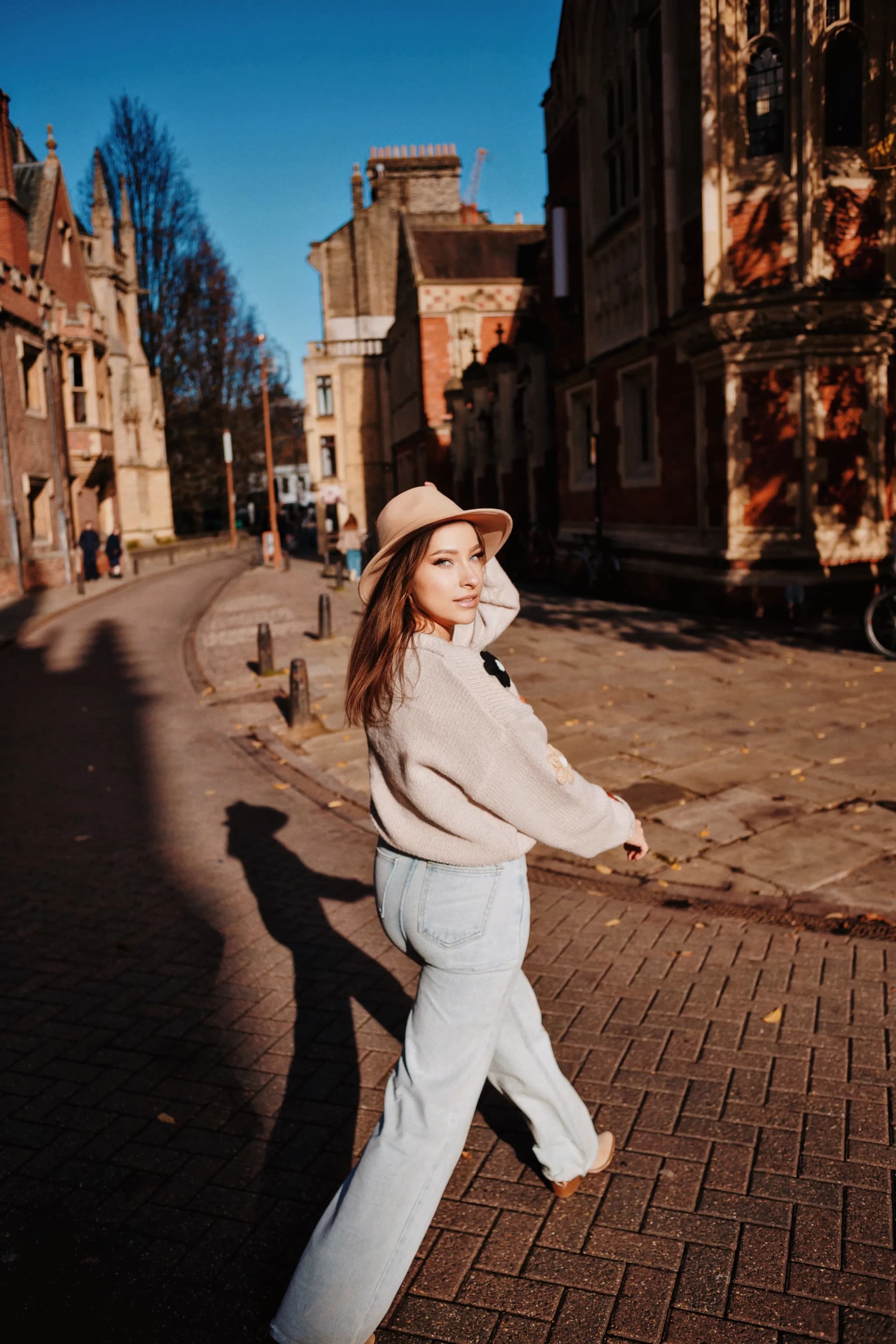


Yana Skakun
Photographer · England
Professional wedding, family and portrait photographer based in England. Passionate about capturing authentic emotions and timeless moments.
About Yana →lifestyle portraits Cambridgerelaxed portrait photography Cambridgenatural portrait Cambridgedocumentary portrait Cambridge
Portrait Tips — Portrait Photography in Cambridge & England
Portrait sessions with Yana Skakun are unhurried and personal — designed to produce images that feel genuinely like you, not a performance. Sessions are available in Cambridge, across East England, and at locations throughout the UK. This guide — Relaxed Lifestyle Portraits in Cambridge: Just You, Naturally — is part of the photography journal: practical, experience-based advice drawn from real sessions across England. Whether you arrived searching for lifestyle portraits cambridge or relaxed portrait photography cambridge, the same care and attention shapes every session Yana photographs.
Portrait Photography sessions are available year-round, with bookings open across Cambridge, Ely, Huntingdon, Peterborough, and further afield — East England, London, the Midlands, and beyond. If you have specific questions about natural portrait cambridge, mention it in your enquiry. Get in touch through the contact form above to check availability and discuss your session. Enquiries are welcomed from anywhere in the UK.
Frequently Asked Questions
How do I look natural in portrait photos?+
The key is to keep moving — walking, talking, laughing. Still poses often look stiff. A good portrait photographer will direct you gently rather than just pointing and shooting. Take a breath, drop your shoulders, and try to focus on something that makes you happy rather than worrying about how you look.
What should I wear for a portrait session?+
Wear something you feel good in — not something borrowed or brand new that you haven't worn before. Solid colours photograph better than busy patterns. Bring a second outfit for variety. Think about the location: flowing fabrics work beautifully outdoors; tailored looks suit urban settings.
How long does a portrait session take?+
Standard portrait sessions last 60–75 minutes. This allows enough time to warm up, try different locations and poses, and explore a couple of looks without rushing. If you're very camera-shy, a longer session helps — the more relaxed you become, the better the final images.
What locations are best for outdoor portrait photography?+
Gardens, parks, riverside paths, woodland, and areas with interesting architecture all make great portrait backgrounds. The most important factor is light — a location with open shade or soft directional light will always photograph better than a technically beautiful spot in harsh midday sun.
What is the difference between a portrait session and a headshot session?+
Portrait sessions focus on you as a whole person — full-body, three-quarter, and close-up images in a relaxed, often outdoor setting. Headshot sessions focus specifically on professional or actor headshots: face and upper body, often in a controlled setting with consistent, professional lighting.
Continue Reading
Related Articles
Portrait Tips
Glasses and Glare in Photography: How to Get Great Results
6 min read · Read Article
Portrait Tips
Fake Tan Before a Photoshoot: Timing, Application, and What Can Go Wrong
6 min read · Read Article
Portrait Tips
Hair and Makeup for a Photoshoot: What Photographs Well
7 min read · Read Article
Get in Touch
Ready to Book Your Session?
Get in touch to discuss your vision — I'll reply within 24 hours.