Yana Skakun

Small & Intimate Wedding Venues in London for Micro Weddings
By Yana Skakun·10 July 2026·8 min read
London has quietly become one of the best cities in the country for a small wedding. For years the capital's reputation was built on enormous hotel ballrooms and five-figure marquee days, but the last few years have seen a real shift, with couples choosing a guest list of ten, twenty, or forty people over the traditional hundred-and-fifty. The good news is that London's venues have followed suit. Historic houses, register offices, restaurants, and members' clubs across the city now offer genuinely beautiful spaces built for exactly this scale of celebration, rather than a scaled-down version of a big-wedding room. If you are planning a micro wedding or an intimate ceremony and wondering where in London to hold it, this guide runs through the venue types and specific places worth researching, along with what to think about when choosing between them.
Why a Micro Wedding in London Works So Well
A micro wedding is generally understood as a wedding with around twenty guests or fewer, though the term gets used loosely for anything under fifty. London is particularly well suited to this scale for a simple reason: the city's most beautiful spaces were never designed to hold a hundred and fifty people comfortably in the first place. Historic drawing rooms, orangeries, chapels, and panelled dining rooms have a proportion and intimacy to them that a marquee cannot replicate, and a small guest list is what lets you actually book them. Many of London's most striking heritage venues simply are not available, or are prohibitively expensive, for a large wedding, but open up considerably once you are talking about a ceremony for twelve and a dinner for twenty.
There is also the practical matter of logistics. A small London wedding means guests are not driving in from the countryside and battling parking; they are taking the tube or a short cab ride, which makes an afternoon ceremony and evening celebration genuinely easy to attend. For couples who want a wedding day that feels relaxed rather than logistically enormous, that difference matters more than it might sound.
Historic Houses and Estates
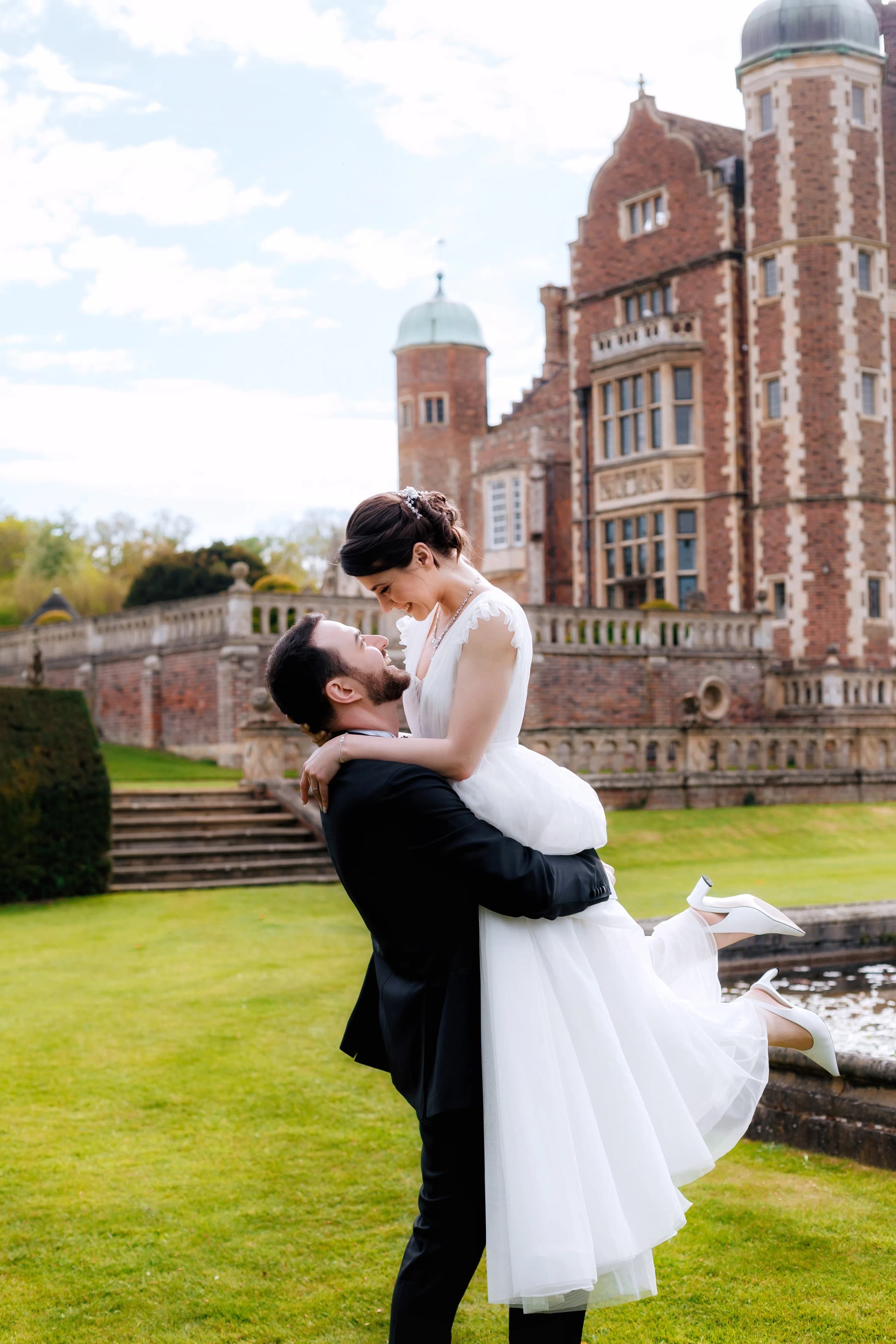
London's historic houses are, for me, the strongest category for a small wedding with real architectural presence. Kenwood House on the edge of Hampstead Heath is a genuine Georgian mansion with a sweeping lawn and lake view, and its scale makes it feel intimate even though it is a substantial building — a small ceremony in one of its rooms, followed by portraits on the grounds and the Heath beyond, is one of the most photogenic combinations London offers.
Osterley Park and Syon Park, both in west London and both National Trust or estate-managed properties, offer a similar quality: neoclassical interiors, parkland, and a sense of being genuinely out of the city despite being a short journey from central London. Osterley in particular has a walled garden and long entrance drive that work beautifully for a small group without ever feeling under-filled.
Eltham Palace deserves a special mention because it is architecturally unlike anywhere else in London — a medieval great hall sitting alongside a 1930s Art Deco mansion, complete with original period interiors. For couples who want something visually distinctive rather than the expected Georgian drawing room, Eltham gives you two completely different backdrops within a single venue, which is a genuine gift for photography on a day with a compressed timeline.
Register Offices Worth Knowing About
For couples having a civil ceremony, London's register offices vary enormously in character, and it is worth looking beyond your local one. Islington Town Hall has a marble-floored council chamber that photographs beautifully and has become a genuine favourite for small, design-conscious weddings. Chelsea Old Town Hall on the King's Road has several rooms of different scale and a grand entrance staircase that works well for a compact group. Marylebone Register Office, tucked inside Old Marylebone Town Hall, has a certain understated glamour and a long history of high-profile small weddings, which tells you something about how well its rooms photograph.
Hackney Town Hall and Bethnal Green Town Hall, both in east London, have a slightly different feel — more Deco, more graphic, with striking staircases and light-filled rooms — and tend to suit couples planning a more contemporary or fashion-forward celebration. A register office ceremony has a practical advantage for micro weddings too: most allow a legal ceremony for a very small number of guests without the venue hire costs of a full estate, which frees up budget to spend on an intimate dinner afterwards.
Restaurants and Members' Clubs for the Whole Day
One of the best developments for micro weddings in London has been restaurants and members' clubs offering full private hire for a day, rather than requiring you to build a wedding around their standard service. The Ned in the City is a well-known example, with its former banking hall interiors, several distinct restaurants under one roof, and rooms that can host anything from a twelve-person ceremony to a fuller evening celebration, all without the venue ever feeling like it is straining to accommodate a small party.
Beyond The Ned, it is worth researching independent restaurants with private dining rooms across Shoreditch, Marylebone, and Notting Hill, several of which now actively market themselves for small weddings with tasting menus built specifically for the occasion. The appeal here is that catering, room, and atmosphere are handled by people who do this daily, and the room is genuinely designed to be filled by twenty or thirty people rather than empty-looking at that number the way a banqueting hall can be.
Choosing a photographer who understands small weddings
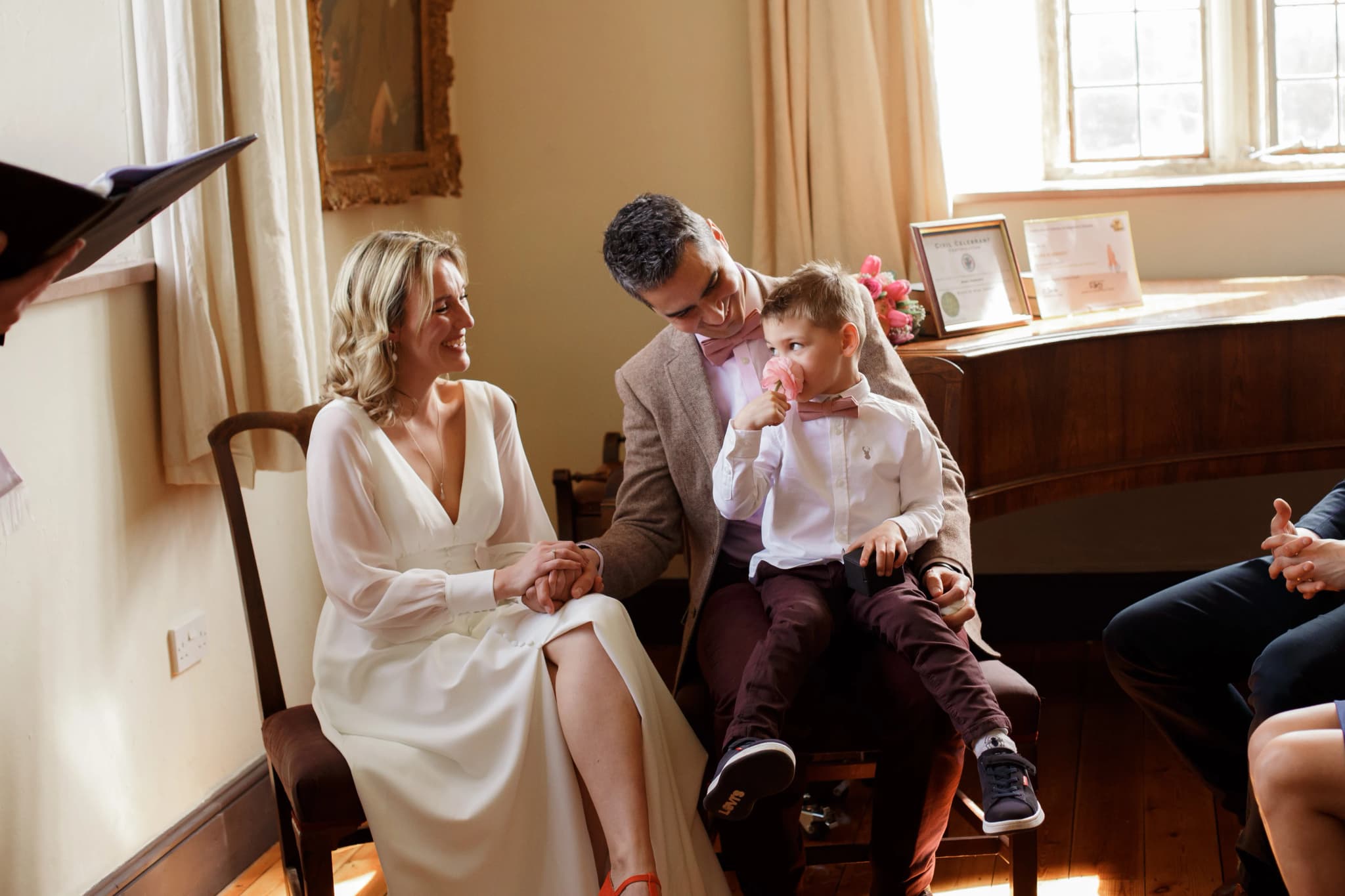
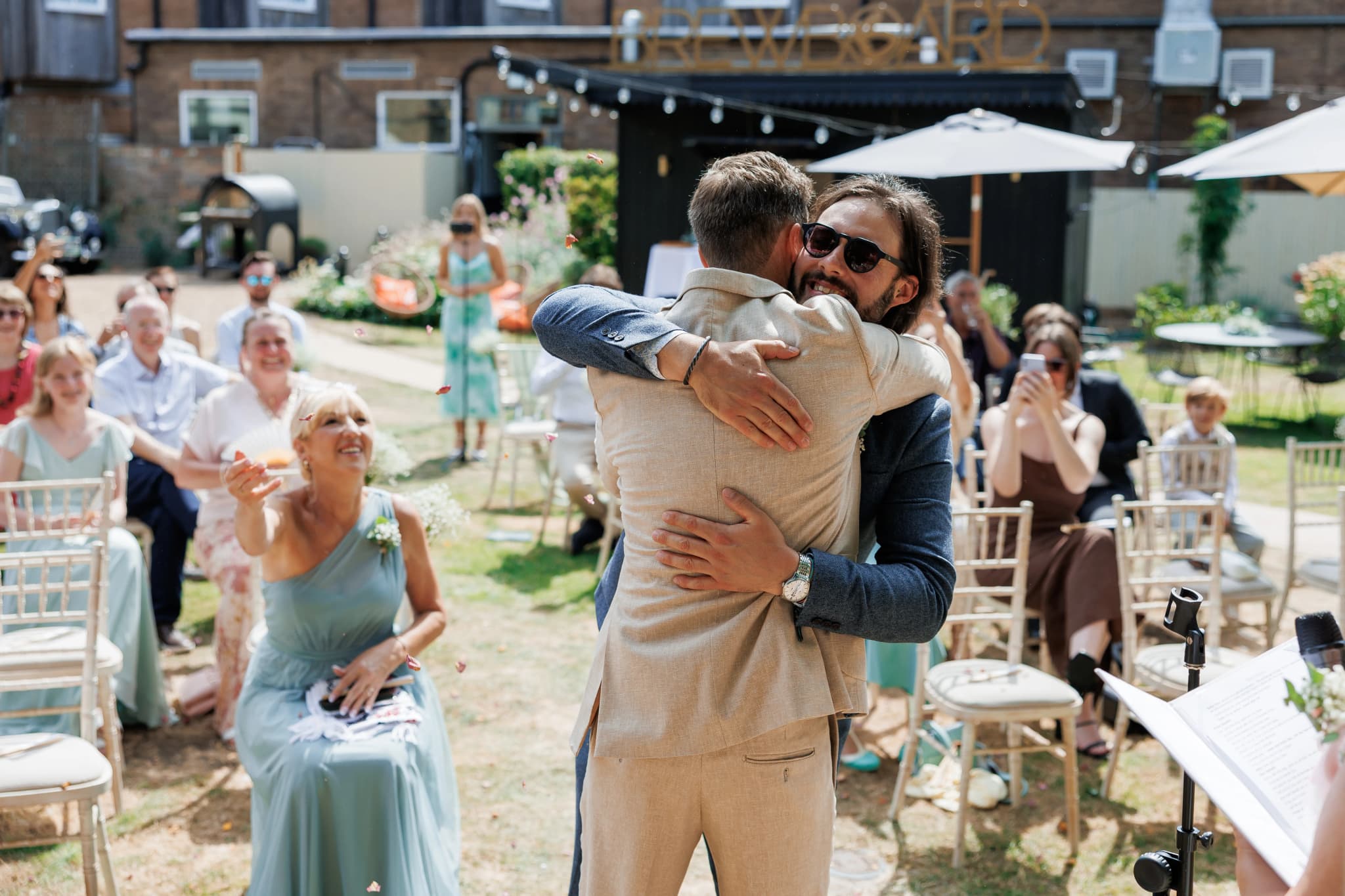
Photographing a wedding for fifteen guests is a genuinely different skill from photographing one for a hundred and fifty — there is nowhere to hide, every guest is visible in nearly every wide shot, and the day's pace moves differently. I photograph micro weddings and intimate ceremonies across London and the wider UK, and I would love to talk through your venue shortlist and timeline.
Get in touchGardens, Chapels, and Unexpected Small Spaces
Some of the most memorable micro weddings I have seen use spaces that were never designed as wedding venues at all. Small independent chapels and deconsecrated churches across east and south London, converted into event spaces, offer atmospheric ceremony rooms without the scale or cost of a grand estate. Rooftop bars with private terrace hire, botanical glasshouses, and even members' club libraries have all become legitimate options for a ceremony or a reception when the guest list is small enough that the space does not need to be enormous.
Fulham Palace, a former bishop's residence with extensive walled gardens on the banks of the Thames, is another option that tends to fly under the radar compared to the more famous central London venues, and its courtyard and gardens give a genuine sense of space and greenery without leaving the city. For couples who want a garden feel without travelling out of London entirely, it is well worth a visit.
What to Ask Every Venue Before You Book
Small wedding venues do not always advertise their minimum numbers clearly, and this is the single most important thing to clarify early. Some venues that look ideal for an intimate wedding online actually have a minimum spend or minimum guest count built around a larger event, which can make them financially unworkable for a party of fifteen. Always ask directly what the smallest wedding they have hosted looked like, and whether pricing scales down meaningfully for a smaller guest list or whether you would be paying close to full-event rates regardless of numbers.
It is also worth asking about exclusivity. Some restaurants and smaller venues will host your ceremony or dinner alongside their normal service to other guests, which changes the atmosphere considerably compared to a fully private hire. Neither approach is wrong, but you should know which one you are booking. Finally, ask about natural light and where the best spot in the building is for photographs at the time of day your ceremony will actually take place — a room that looks glorious in a venue's marketing photos taken at midday can look very different at a four o'clock winter ceremony.
Building the Rest of Your Small Wedding Day
Choosing the venue is usually the first big decision, but it is worth thinking about the day as a whole from the start. A smaller guest list generally means a shorter, more flexible timeline is possible — you are not managing the logistics of moving a hundred and fifty people between locations, which opens up options like a ceremony in one part of London followed by portraits at a second location and dinner at a third, something that would be impractical for a larger wedding. If you are drawn to this kind of flexible, multi-location day, our guide to the best wedding photo locations in London is a useful companion to venue research, and our wedding albums page is worth a look if you know you want a physical keepsake from the day rather than only digital files.
It is also worth having a clear-eyed look at overall budget from the outset. Smaller guest counts do not automatically mean a small overall spend — many couples choose to redirect the money saved on catering for a hundred and fifty guests into a more considered venue, better food, or a more generous approach to photography and video. Our pricing page sets out how coverage is structured for weddings of different sizes, and it is genuinely worth having that conversation early, before you have committed to a venue that assumes a much larger event.
Final Thoughts on Choosing Your London Venue
The right small wedding venue in London is less about finding the most famous name and more about finding a space that genuinely suits the number of people you are inviting and the feeling you want the day to have. A grand historic house can feel wonderful for twenty guests if the room is chosen well, and equally a small restaurant private dining room can feel exactly right if that is the atmosphere you are after. Visit in person wherever possible, ask the direct questions about minimum numbers and exclusivity, and picture your specific guest list, not an imagined larger one, standing in the space.
I photograph weddings of every size across London and the UK, with a particular fondness for the intimacy and flexibility that a small guest list allows. If you are planning a micro wedding and would like to talk through venues, timelines, or how coverage works for a smaller day, I would love to hear from you — you can read more about my approach to wedding photography or get in touch directly to start the conversation. As Yana Skakun Photography, I would be delighted to be part of your day, however many guests are there to celebrate it with you.

Yana Skakun
Photographer · England
Professional wedding, family and portrait photographer based in England. Passionate about capturing authentic emotions and timeless moments.
About Yana →small wedding venues londonmicro wedding venues londonintimate wedding venues londonmicro wedding londonsmall wedding londonLondon register office wedding
Venue Guides — Wedding Photography in Cambridge & England
Yana Skakun photographs weddings across England, with particular expertise in regional venues and the distinct lighting and architectural challenges each space presents. Coverage areas include Cambridgeshire, East England, London, and the Midlands. This guide — Small & Intimate Wedding Venues in London for Micro Weddings — is part of the photography journal: practical, experience-based advice drawn from real sessions across England. Whether you arrived searching for small wedding venues london or micro wedding venues london, the same care and attention shapes every session Yana photographs.
Wedding Photography sessions are available year-round, with bookings open across Cambridge, Ely, Huntingdon, Peterborough, and further afield — East England, London, the Midlands, and beyond. If you have specific questions about intimate wedding venues london, mention it in your enquiry. Get in touch through the contact form above to check availability and discuss your session. Enquiries are welcomed from anywhere in the UK.
Frequently Asked Questions
What are the best wedding venues in Cambridgeshire?+
Cambridgeshire has excellent options across every budget and style. King's College Chapel and Trinity Hall offer iconic Cambridge settings. Anstey Hall and Ely Cathedral provide classic country house and cathedral drama. Granchester Meadows and various farm venues suit couples wanting a relaxed outdoor feel. The region's historic colleges, riverside venues, and country estates make it one of England's finest wedding destinations.
How do I find a hidden gem wedding venue?+
Look beyond the first page of Google results. Talk to your photographer and caterer — suppliers who work at venues regularly know which ones are genuinely beautiful to work in versus just well-photographed. Visit venues in person rather than relying on Instagram. Historic house venues, working farms, and privately-owned estates sometimes offer exceptional beauty without the premium price of established commercial venues.
What is the average cost of a wedding venue in England?+
Venue hire in England typically ranges from £2,000 to £15,000+ depending on region, exclusivity, catering arrangements, and guest numbers. London and the Home Counties tend to be at the higher end. East Anglia and the Midlands offer excellent venues at more accessible price points. Some venues quote a total minimum spend including catering, so always understand what's included.
Can you get married outside in England?+
Since 2022, couples in England and Wales can legally marry in a wider variety of outdoor settings, though regulations are still evolving. Many licensed venues now offer outdoor civil ceremonies. Check with your local Register Office for current rules and licensing requirements if you want a legal outdoor ceremony.
What is a dry hire wedding venue?+
A dry hire venue provides the space only — you arrange all your own suppliers (caterers, bar, furniture, decorations, entertainment). It gives maximum flexibility and can be more cost-effective than all-inclusive venues, but requires more coordination. Make sure you understand what's included: some 'dry hire' venues include tables and chairs, others are literally just a shell space.

Get in Touch
Ready to Book Your Session?
Get in touch to discuss your vision — I'll reply within 24 hours.