Yana Skakun
Personal brand photography: Transform your business with professional images
By Yana Skakun·2 June 2026·10 min read
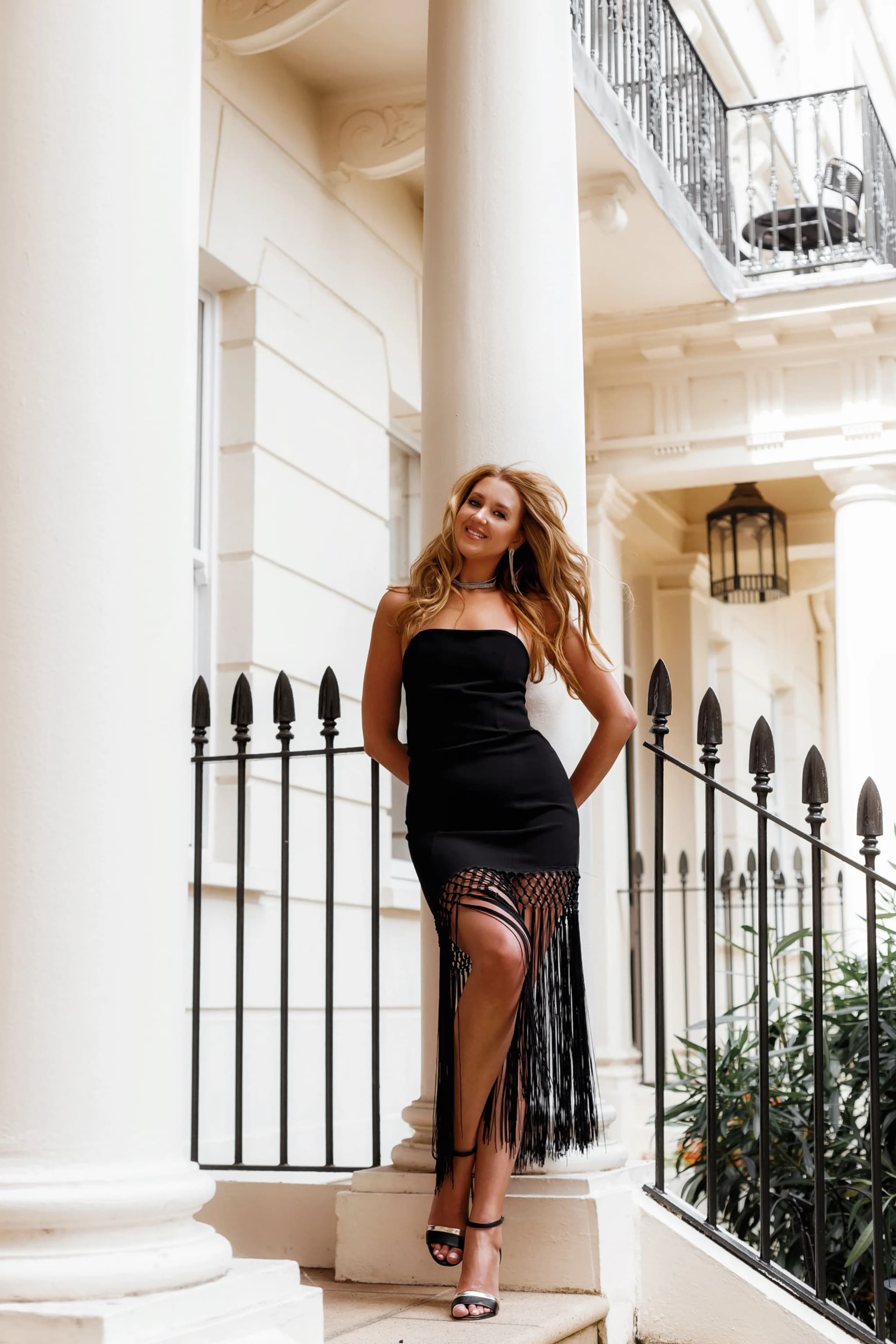
Somewhere between the headshot you had done for a conference badge five years ago and the phone photo you have been cropping for your website hero image, there is a gap that most self-employed professionals live with far longer than they should. I see it constantly: a founder with a genuinely interesting business, a coach with real expertise, a consultant with a strong reputation, all represented online by a single stiff photograph that does none of the talking their actual work deserves. Personal brand photography is the answer to that gap. It is not one image but a whole visual language for your business, built specifically around what you do and who you do it for.
What a Brand Photography Session Actually Produces
When I plan a brand shoot, I am not thinking about a single perfect frame. I am thinking about a set of categories that, together, give you everything you need to stop scrambling for images every time you publish something. Hero portraits come first — the primary professional image, the one that anchors your homepage and your LinkedIn profile and gets reused the most. Then lifestyle and working images: you at your desk, mid-conversation with a client, walking into a meeting, actually doing the thing your business is built around, rather than posed against a plain backdrop pretending to work.
Detail images come next — your tools, your products, your notebook, your workspace, the physical objects that give texture to your brand story without needing a face in the frame at all. These are the images that fill the awkward gaps in a blog post or break up a long page of text. Finally there are contextual shots: your location, hints of your community or your team, brand elements like signage or packaging if you have them. A fully produced session across all four categories typically delivers 60–100 finished images, which sounds like a lot until you realise how many places a business actually needs a photograph — website, social platforms, press kit, pitch deck, email signature, printed materials.
What I try to avoid, and what I think separates a genuinely useful brand shoot from a wasted afternoon, is variety without repetition. It is easy to end a session with eighty images that are really just twelve poses shot from slightly different angles. I plan locations and setups in advance specifically so that the final set has real range — different settings, different energy, different uses — rather than one mood stretched thin.
How This Differs from a Standard Headshot
A headshot session is a narrower, faster thing by design. It typically produces somewhere between 5 and 20 images, all focused on your face and upper body, usually against a clean or neutral background. That is exactly what it should be for its purpose — a professional bio photo, a conference badge, a directory listing. It answers the question "what do you look like when you are being professional," and it answers it efficiently.
Brand photography includes a headshot as one element within a much bigger set, but it is answering a different question entirely: what is it actually like to work with you, what does your world look like, what story does your business tell visually. I think of the headshot as a single sentence and the brand shoot as the whole paragraph around it. Clients who come to me assuming they need "a headshot" often realise partway through our conversation that what they actually want is the fuller set, because a single face-forward portrait cannot carry an entire website on its own.
Who This Is Genuinely For
The people who get the most value from brand photography are the people who are themselves the product, in a sense — founders, consultants, coaches, speakers, authors, therapists, and other practitioners whose clients are hiring them specifically, not just paying a faceless company. If your name is on the door and your face is on the homepage, the quality and currency of that photography is doing real work in how prospective clients judge you before they ever speak to you.
I would also gently flag this to anyone still using photography that is three or more years old, or relying entirely on a single phone photo taken at a conference or a friend's wedding. It is an extremely common situation and an easy one to overlook, because you do not see your own website with fresh eyes the way a new visitor does. But outdated or thin photography is one of the more fixable weaknesses I encounter in an otherwise strong personal brand, and it is usually a smaller investment than people expect relative to the amount it gets used.
This is not really about vanity or even about looking polished for its own sake. It is about consistency between how you present yourself and how people experience you. A client meeting you in person after seeing years-old photography online often has a small, unconscious moment of recalibration, and that moment is worth eliminating.
Planning and Briefing a Brand Shoot
The single biggest factor in how well a brand shoot turns out is the quality of the brief, and the brief is something we build together before I ever pick up a camera. I ask what you want people to feel when they land on your site and see your photograph. I ask for three words that describe your brand, because it is astonishing how much a location, an outfit, and a posture can shift once you have named the tone you are actually going for. I ask what your ideal client looks like and what visual signals would make them feel this is someone for them.
Locations matter more than most people expect going in. A shoot in your actual workspace tells a different story than a shoot in a rented studio, and neither is automatically right — it depends entirely on what your business is and what you want to communicate. I usually walk clients through two or three location options before the session and talk through what each one implies, because the setting is doing as much storytelling as your expression is.
I would rather spend thirty extra minutes on this planning conversation than have a client arrive on the day without having thought about any of it. The sessions that go best are consistently the ones where the client has already pictured, in some rough way, what they want the finished images to say about them.
A note on getting started
If you are not sure whether you need a headshot or a full brand session, that is a completely normal place to start from, and it is exactly the kind of question I like to talk through before anything is booked. Tell me about your business, where the photography will actually be used, and what is currently missing, and I will help you work out what the right scope looks like.
Get in touch about brand photographyHow Often to Refresh Your Brand Photography
My general guidance is every 12–18 months for an active personal brand, or sooner if your positioning, appearance, or focus has shifted in some meaningful way — a rebrand, a new offer, a significant change in how you present yourself day to day. Businesses evolve faster than most people update their photography, and a set of images that felt exactly right eighteen months ago can quietly stop matching who you are now.
Beyond about two years, I start to see the cognitive dissonance problem I mentioned earlier become more pronounced: the photograph and the real person diverge enough that people notice, even if they cannot articulate why. Refreshing on a rhythm rather than waiting for the old photography to feel obviously wrong tends to produce much better results, because you are updating from a position of choice rather than necessity.
None of this means starting from scratch every time. A shorter top-up session focused on whatever has changed — a new offer, a new setting, an updated look — can extend the life of an existing brand set considerably. The full 60-to-100-image session is usually the right move when the change is substantial or when the previous set never had that range in the first place.
Making the Investment Work Across Your Business
The value of a brand shoot compounds with how widely you use it. Clients who treat the delivered gallery as a resource to draw from for a year or more — rotating images through social posts, swapping the website hero every few months, pulling detail shots into blog posts and newsletters — get far more out of the same session than clients who use three images once and then forget the rest of the gallery exists. Part of what I try to do in planning is make sure the set has enough range that this kind of ongoing use is actually possible.
If any of this sounds like where your business currently is — outdated photography, a single overused image, or simply the sense that your online presence does not yet look like the business you are actually running — the best next step is a conversation rather than trying to work it all out alone. Get in touch and we can talk through what a session tailored to your business would actually look like.

Yana Skakun
Photographer · England
Professional wedding, family and portrait photographer based in England. Passionate about capturing authentic emotions and timeless moments.
About Yana →personal brand photographybrand photography UKbranding photographerbusiness photography guideprofessional brand images
Business Headshots — Corporate Headshot Photography in Cambridge & England
Corporate photography with Yana Skakun covers individual headshots, team portraits, and event documentation — all delivered with the same consistent quality and professional tone. Available in Cambridge and across England for businesses of all sizes. This guide — Personal brand photography: Transform your business with professional images — is part of the photography journal: practical, experience-based advice drawn from real sessions across England. Whether you arrived searching for personal brand photography or brand photography uk, the same care and attention shapes every session Yana photographs.
Corporate Headshot Photography sessions are available year-round, with bookings open across Cambridge, Ely, Huntingdon, Peterborough, and further afield — East England, London, the Midlands, and beyond. If you have specific questions about branding photographer, mention it in your enquiry. Get in touch through the contact form above to check availability and discuss your session. Enquiries are welcomed from anywhere in the UK.
Frequently Asked Questions
What camera settings should I use for outdoor portraits?+
For outdoor portraits, shoot in aperture priority mode. Use a wide aperture (f/1.8–f/2.8) to blur the background and isolate your subject. Keep ISO as low as possible in good light. In bright conditions, use a neutral density filter or switch to manual to avoid overexposure at wide apertures.
What is the golden hour in photography?+
Golden hour is the period roughly 30–60 minutes after sunrise and before sunset. The sun is low in the sky, producing warm, soft, directional light that flatters skin tones and creates beautiful long shadows. It's widely considered the best natural light for portrait and outdoor photography.
How do you get sharp photos in low light?+
In low light, increase your ISO (accepting some grain), use the widest aperture your lens allows, and slow your shutter speed to the slowest you can hand-hold without camera shake (roughly 1/focal length as a guide). Use image stabilisation if available, and consider a tripod for static subjects.
What is the rule of thirds in photography?+
The rule of thirds divides the frame into a 3×3 grid. Placing your subject on one of the four intersection points — rather than dead centre — creates a more dynamic, visually interesting composition. It's a guideline, not a rule: some of the most powerful images break it deliberately.
How do you edit photos to look professional?+
Professional editing starts with shooting in RAW format. In Lightroom or similar software, correct exposure, white balance, and contrast first. Recover shadow and highlight detail. Apply gentle colour grading for mood. Be conservative with skin retouching — the goal is natural enhancement, not transformation. Consistency across a set of images is what separates professional from amateur editing.
Continue Reading
Related Articles
Business Headshots
Why professional business headshots are worth the investment in 2025
7 min read · Read Article
Business Headshots
The complete corporate headshot guide: What to expect and how to prepare
7 min read · Read Article
Business Headshots
LinkedIn headshot: What actually makes a profile photo work
7 min read · Read Article
Get in Touch
Ready to Book Your Session?
Get in touch to discuss your vision — I'll reply within 24 hours.