Yana Skakun

Brand Photography for Interior Designers: Your Work Speaks — But So Must You
By Yana Skakun·17 April 2026·10 min read
Brand Photography for Interior Designers: Your Work Speaks — But So Must You
Interior designers operate in a visual economy. The portfolio — images of completed projects — is the primary business development tool, and most designers invest carefully in professional photography of their work. But there is a category of photography that many interior design businesses underinvest in: photography of the designer themselves.
In a market where clients are selecting someone to access their homes, make significant aesthetic decisions on their behalf, and build a working relationship that can span months, the personal credibility and personality of the designer is often as important as the portfolio. Professional brand photography bridges that gap.
Why Interior Designers Need More Than Project Photography
Project photography shows what you create. Brand photography shows who you are. The distinction matters because high-end interior design clients are not only buying a finished room — they are buying a relationship, a process, and access to a particular creative mind. The question they are asking, often unconsciously, when browsing your website is: "Is this someone I can trust in my home? Do I understand their sensibility? Do I want to spend eight months working with this person?"
Brand photography answers those questions before a consultation call is ever scheduled.
The Core Brand Image Categories for Interior Designers
The Primary Portrait
A polished, visually sophisticated portrait that communicates your aesthetic sensibility as much as your personality. The location, composition, and styling of this image should reflect the same care you bring to a client's space. For interior designers, the "About" page portrait is itself a demonstration of taste.
Working in Context
Images of you at work — reviewing fabric samples, working at a drawing table, discussing a project with your tablet or physical samples in hand — communicate the reality of the creative process. These images humanise the work and make the design process feel accessible and personal rather than abstract.
Material and Sample Detail
Close-up images of your hands with fabric swatches, tile samples, paint colours, or material boards are a distinctive category for interior designers. They communicate the tactile, sensory nature of the work and produce visually interesting content for Instagram and Pinterest without requiring access to a completed project.
Showroom or Studio Environment
If you work from a studio or have access to a showroom, images in that environment contextualise your practice. A beautifully curated corner of your studio or a styling vignette you have created communicates design sensibility directly.
On-Site Images
Photographs of you on-site during an installation or project visit — with client permission, avoiding identifying details if required — communicate that design is an active, hands-on process and that you are present and engaged through delivery.
Planning the Location for Brand Photography
Location selection for interior designer brand photography carries particular weight. Every background choice is read against the designer's supposed aesthetic judgement. Options to consider:
- Your own home or studio: The most authentic option if the space reflects your design sensibility. Clients reading your website will be assessing whether they trust your aesthetic judgement — your own space is the most direct evidence
- A completed client project: With client permission, a completed project provides a portfolio-quality backdrop for brand images
- A curated hotel or architectural space: Several Cambridge and London venues offer architecturally interesting, photography-suitable environments that communicate design sensitivity without requiring access to your own or a client's space
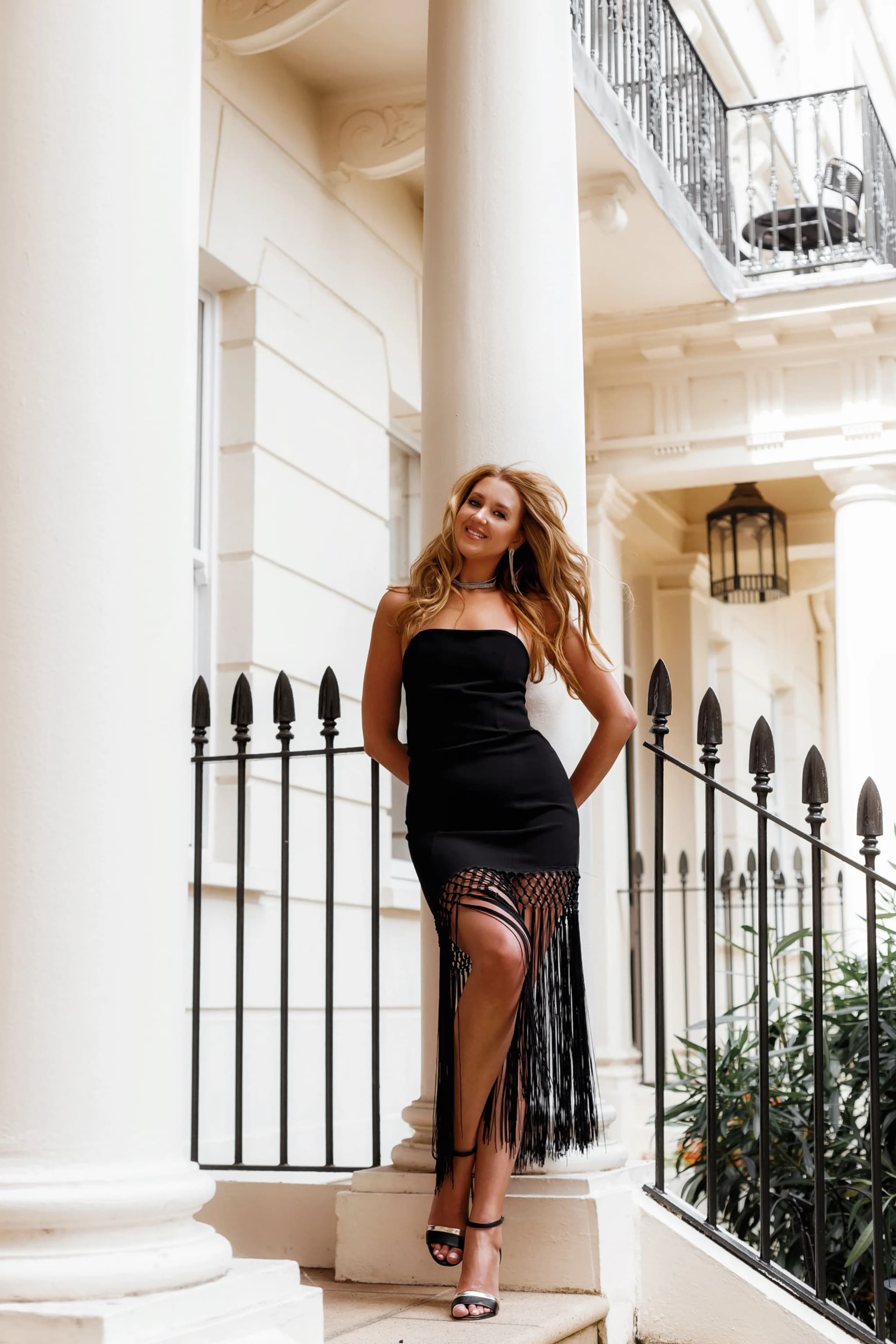
- Neutral outdoor setting: For portrait variety, outdoor images in a quiet garden, courtyard, or architectural exterior provide tonal contrast to interior-focused brand imagery
What to Wear for Interior Design Brand Sessions
Clothing for interior designer brand photography is, reasonably, held to a higher aesthetic standard than in most other professions. The visual sophistication of the outfit contributes to the overall impression of the designer's eye.
- Curate a visual story: The outfit should work with the location and intended background palette — not clash or compete with it
- Quality over brand visibility: Well-cut, interesting clothing in excellent fabric photographs better than anything with visible logos or trend-driven novelty details
- Bring multiple options: A formal outfit for primary portraits and a more relaxed option for working images gives visual variety without requiring multiple sessions
- Avoid all-white against white backgrounds: A common composition mistake in studio-adjacent settings for interior designers
Content Planning: What to Create in One Session
A well-planned brand session for an interior designer can produce three to six months of content in a single shoot. Before the session, identify the specific images you need for:
- Website About page primary portrait and supporting images
- LinkedIn professional headshot and background image
- Instagram content for the next 90 days — variety of image types at different scales
- Press kit or media enquiry headshot
- Proposal document or pitch pack imagery
Brand Photography for Your Interior Design Practice
Brand photography that matches the visual standard of your project portfolio and communicates the personality and sensibility behind your design work. Get in touch to discuss a session.
Explore Corporate Photography

Yana Skakun
Photographer · England
Professional wedding, family and portrait photographer based in England. Passionate about capturing authentic emotions and timeless moments.
About Yana →interior designer brand photography UKinterior design professional headshot UKinterior designer brand photosinterior design marketing photographyCambridge interior designer photographerinterior design business photography UK
Business Headshots — Corporate Headshot Photography in Cambridge & England
Corporate photography with Yana Skakun covers individual headshots, team portraits, and event documentation — all delivered with the same consistent quality and professional tone. Available in Cambridge and across England for businesses of all sizes. This guide — Brand Photography for Interior Designers: Your Work Speaks — But So Must You — is part of the photography journal: practical, experience-based advice drawn from real sessions across England. Whether you arrived searching for interior designer brand photography uk or interior design professional headshot uk, the same care and attention shapes every session Yana photographs.
Corporate Headshot Photography sessions are available year-round, with bookings open across Cambridge, Ely, Huntingdon, Peterborough, and further afield — East England, London, the Midlands, and beyond. If you have specific questions about interior designer brand photos, mention it in your enquiry. Get in touch through the contact form above to check availability and discuss your session. Enquiries are welcomed from anywhere in the UK.
Frequently Asked Questions
What camera settings should I use for outdoor portraits?+
For outdoor portraits, shoot in aperture priority mode. Use a wide aperture (f/1.8–f/2.8) to blur the background and isolate your subject. Keep ISO as low as possible in good light. In bright conditions, use a neutral density filter or switch to manual to avoid overexposure at wide apertures.
What is the golden hour in photography?+
Golden hour is the period roughly 30–60 minutes after sunrise and before sunset. The sun is low in the sky, producing warm, soft, directional light that flatters skin tones and creates beautiful long shadows. It's widely considered the best natural light for portrait and outdoor photography.
How do you get sharp photos in low light?+
In low light, increase your ISO (accepting some grain), use the widest aperture your lens allows, and slow your shutter speed to the slowest you can hand-hold without camera shake (roughly 1/focal length as a guide). Use image stabilisation if available, and consider a tripod for static subjects.
What is the rule of thirds in photography?+
The rule of thirds divides the frame into a 3×3 grid. Placing your subject on one of the four intersection points — rather than dead centre — creates a more dynamic, visually interesting composition. It's a guideline, not a rule: some of the most powerful images break it deliberately.
How do you edit photos to look professional?+
Professional editing starts with shooting in RAW format. In Lightroom or similar software, correct exposure, white balance, and contrast first. Recover shadow and highlight detail. Apply gentle colour grading for mood. Be conservative with skin retouching — the goal is natural enhancement, not transformation. Consistency across a set of images is what separates professional from amateur editing.
Continue Reading
Related Articles
Business Headshots
Why professional business headshots are worth the investment in 2025
7 min read · Read Article
Business Headshots
The complete corporate headshot guide: What to expect and how to prepare
7 min read · Read Article
Business Headshots
LinkedIn headshot: What actually makes a profile photo work
7 min read · Read Article
Get in Touch
Ready to Book Your Session?
Get in touch to discuss your vision — I'll reply within 24 hours.