Yana Skakun

Should You Pay for Your Bridesmaids' Hair and Makeup in the UK?
By Yana Skakun·10 July 2026·7 min read
It is one of the questions I get asked most often during planning chats, usually somewhere between the venue tour and the final timeline meeting: "Do we have to pay for our bridesmaids' hair and makeup?" There is no single right answer, and anyone who tells you there is one is glossing over how differently wedding parties are structured across the UK. But there are patterns worth knowing, real costs to weigh up, and a few practical consequences for your morning schedule and your photographs that are worth thinking through before you decide either way.
Is There a UK Norm?
There genuinely is not a fixed convention here, which is part of why the question causes so much quiet anxiety. In the United States, it is fairly standard for bridesmaids to cover their own hair and makeup alongside their dress, and that expectation has drifted into UK wedding culture through American wedding media, without ever fully replacing the older British instinct that hosting a wedding means covering your guests' costs where you can. What you will actually find among couples I have photographed is a genuine split: some pay for everyone in the bridal party as a matter of course, some pay only for immediate family (mother of the bride, sisters), some split the difference by covering hair but not makeup, and some ask bridesmaids to arrange and pay for their own.
What matters more than following a national average is being clear and early. The couples who run into friction are almost never the ones who decided bridesmaids pay their own way — they are the ones who left it ambiguous until three weeks before the wedding, at which point someone assumed it was covered, booked an expensive session, and then discovered otherwise.
What UK Bridal Hair and Makeup Actually Costs
Costs vary a good deal by region and by whether you are booking a well-established bridal team or a newer artist building their portfolio. As a rough guide for 2026, bridal hair trials plus the wedding morning session tend to run somewhere in the £70–£150 range per person outside London, with London and the South East often 20–40% higher. Makeup follows a similar pattern, typically £60–£130 per person for the wedding day itself, with trials sometimes charged separately and sometimes bundled in.
For a wedding party of four or five bridesmaids, hair and makeup combined can easily add £600–£1,200 to the morning budget, on top of whatever the bride herself is spending. That is not a small line item, and it is worth being honest with yourself about where it sits relative to everything else you are paying for. Some couples find that money by trimming elsewhere — a slightly shorter guest list, a simpler flower budget — because they feel strongly that everyone getting ready together, professionally styled, is part of the experience they want to give their closest friends. Others decide that money is better spent on the parts of the day everyone experiences together, like the food or the band, and are entirely comfortable asking bridesmaids to sort their own hair.
Neither approach is more generous or more correct. It is your wedding, and it is worth checking your own photography and overall budget honestly before deciding what else you can stretch to cover.
Reasons Couples Choose to Cover the Cost
The most common reason I hear is simply gratitude. Being asked to be a bridesmaid already comes with costs — the dress, shoes, a hen do contribution, travel, sometimes accommodation, often a gift. Covering hair and makeup is a way of saying thank you without it feeling transactional, and it removes one more thing from a friend's to-do list during a season that is already expensive for them.
There is also a practical, photography-driven reason worth knowing. When everyone in the getting-ready room has been styled by the same team, using complementary tones and techniques, the group actually looks cohesive in photographs in a way that is hard to fake afterwards. If three bridesmaids book with three different local salons at three different price points and skill levels, you can genuinely see the inconsistency in group shots — different foundation shades under the same light, different levels of hair hold by 4pm, different interpretations of "natural glam." Covering the cost centrally, with one team booked for everyone, is often as much about visual consistency on the day as it is generosity.
Finally, paying centrally gives you control over the morning timeline, which matters more than people expect. A team that already knows the running order, has done a trial with the bride, and understands what time the photographer needs everyone dressed by is a team that keeps the morning on schedule. Five separate bookings at five separate salons is five separate risks of someone running late.
Reasons Couples Choose Not To
Budget is the obvious one, and there is no need to dress it up as anything else. Weddings in the UK now regularly run well into five figures, and hair and makeup for a large bridal party is a genuine expense that has to come from somewhere. If covering it means cutting corners on something you care about more, it is entirely reasonable to leave it as an optional add-on rather than a given.
Some couples also simply have bridesmaids who are confident doing their own hair and makeup, or who already have a trusted stylist they use for other events, and would rather have that freedom than be assigned a particular look. This is more common with smaller, more informal weddings, and with wedding parties made up of adult friends who each have strong personal style and would rather self-fund a choice that suits them.
There is a middle path many couples land on that is worth mentioning explicitly: paying for hair but leaving makeup optional, or covering the trial but not the wedding-day session, or covering it for close family only and being upfront that bridesmaids are welcome to join the same booking at their own cost if they would like to. This last option is genuinely popular — it gives bridesmaids the convenience of being styled at the same time and place as everyone else, by a trusted team, without the couple having to fund it.
A note from behind the camera
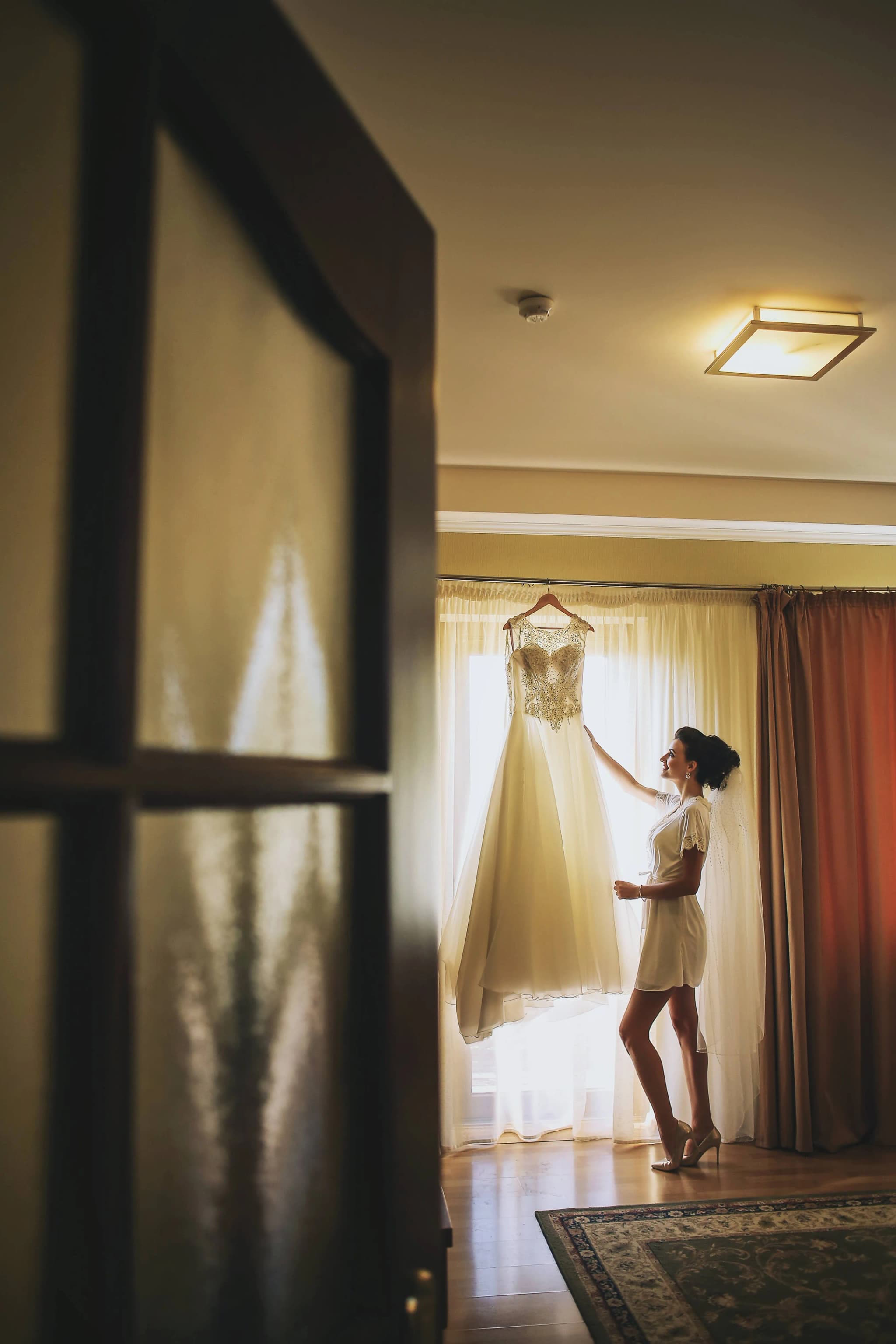
Whatever you decide about who pays, the getting-ready hour is one of my favourite parts of any wedding to photograph — genuine laughter, nerves, cups of tea, the room slowly filling with dresses and dressing gowns. A calm, unhurried morning with everyone ready roughly on time makes a real difference to how those images turn out. If you are planning your timeline and want advice on how much time to build in for hair and makeup, I am always happy to talk it through.
Get in touchHow to Raise the Subject Without It Being Awkward
The conversation is far easier than most couples fear, and it is much easier early than late. When you ask someone to be a bridesmaid, or shortly after, it is entirely normal to say plainly what is and is not included: "We'll cover your hair and makeup on the day, you'll just need to sort your dress and shoes," or "Hair and makeup will be at your own cost, but we can recommend some good local options." Said matter-of-factly and early, this lands as clear communication, not as a negotiation.
Where it becomes awkward is when it is left unspoken and someone assumes. If you are not covering the cost, it genuinely helps to say so directly rather than letting bridesmaids find out by asking around, and it helps even more if you can suggest a stylist or salon you trust, ideally one who has worked bridal parties before and understands timing on a wedding morning. A group chat message with a couple of recommended options, a rough price range, and a note that booking is on them removes almost all of the ambiguity in one message.
If you are covering it, put the booking in your own hands rather than leaving each bridesmaid to arrange their own session with the same artist. One booking, one point of contact, one deposit, one invoice. It is less admin for everyone else and gives you the clearest picture of total cost and timing.
Building It Into the Wedding Morning Timeline
Whoever is paying, the timing question is the same and worth getting right. A single hair and makeup artist typically needs 45–60 minutes per person for a full bridal look, so a team of one artist working through a bride plus four bridesmaids realistically needs four to five hours before you need to be dressed. Most established bridal teams work in pairs or trios on larger parties specifically to compress that timeline, so it is worth asking directly how many artists will be present on the morning and building your schedule around their honest answer, not an optimistic one.
I always ask for a copy of the hair and makeup schedule when I am working out my own arrival time, because it tells me almost everything I need to know about how the morning will run. If the last person is finishing at the exact time I am due to start getting-ready photographs, we are already behind before the day begins. I generally recommend building in a 30–45 minute buffer between the scheduled end of hair and makeup and any first-look or ceremony departure, because bridal mornings run long more often than they run to time, whatever the plan says on paper.
This is also where it is worth thinking about the room itself. A bright room with good natural light, some clear floor space, and enough plug sockets for straighteners and curling wands makes a genuine difference to both the mood of the morning and the quality of the images that come out of it. If you are choosing between rooms at a venue for getting ready, prioritise light over size — a smaller bright room photographs far better than a large dim one.
A Few Practical Recommendations
If budget is tight but you would still like everyone looking cohesive, consider covering hair only, since it tends to cost less than a full face of professional makeup and has the biggest visual impact in photographs — a well-styled updo reads clearly even from a distance, whereas subtle makeup differences are less noticeable in wide shots. Alternatively, ask your hair and makeup artist for a group rate; many offer a modest discount when booking four or more people together, which can bring the total closer to what you had budgeted.
Whatever you decide, communicate it in writing somewhere everyone can refer back to — a shared document, a pinned message, or an email — rather than a single verbal mention that gets forgotten by December. And if a bridesmaid genuinely cannot afford a session you are expecting her to fund herself, it is worth having a quiet, private conversation rather than assuming she will raise it herself. Financial pressure around weddings affects wedding parties as much as couples, and a flexible, kind approach here tends to be remembered long after the day itself.
However you and your bridesmaids decide to handle hair and makeup, what matters most on the morning itself is a calm room and enough time to actually enjoy getting ready together. At Yana Skakun Photography, I spend the first part of every wedding day capturing exactly that atmosphere, and I am always glad to help couples plan a realistic timeline that works for everyone in the room, whether you are planning a full wedding day or a smaller, more intimate celebration. If you would like to talk through your morning schedule, or see how the getting-ready hour fits into your overall day, get in touch and we can plan it properly together.

Yana Skakun
Photographer · England
Professional wedding, family and portrait photographer based in England. Passionate about capturing authentic emotions and timeless moments.
About Yana →pay for bridesmaid hair ukbridesmaids makeup costwho pays for bridesmaids hair and makeupwedding morning timeline UKbridal party budget UKUK wedding planning tips
Wedding Tips — Wedding Photography in Cambridge & England
Yana Skakun is a professional wedding photographer based in Cambridge, covering weddings across England — from intimate elopements to full-day ceremonies at country houses, barns, and city venues. Every couple receives a relaxed, documentary approach that captures the day as it truly unfolds. This guide — Should You Pay for Your Bridesmaids' Hair and Makeup in the UK? — is part of the photography journal: practical, experience-based advice drawn from real sessions across England. Whether you arrived searching for pay for bridesmaid hair uk or bridesmaids makeup cost, the same care and attention shapes every session Yana photographs.
Wedding Photography sessions are available year-round, with bookings open across Cambridge, Ely, Huntingdon, Peterborough, and further afield — East England, London, the Midlands, and beyond. If you have specific questions about who pays for bridesmaids hair and makeup, mention it in your enquiry. Get in touch through the contact form above to check availability and discuss your session. Enquiries are welcomed from anywhere in the UK.
Frequently Asked Questions
How much does a wedding photographer cost in England?+
Wedding photography in England typically ranges from £1,500 to £4,000+ for a full day. Price depends on experience, coverage hours, and whether albums or engagement shoots are included. Most photographers charge between £2,000–£3,000 for 8–10 hours of coverage.
How early should you book a wedding photographer?+
For peak season (May–September), book 12–18 months in advance. For autumn and winter weddings, 9–12 months is usually sufficient. Popular photographers at popular venues fill up fast — as soon as you have a date and venue confirmed, start reaching out.
How many photos do you get from a wedding photographer?+
Most professional wedding photographers deliver 400–800 edited images for a full-day wedding. The exact number depends on coverage hours, how many guests there are, and the photographer's editing style. Quality matters more than quantity — a curated gallery of 500 images tells the story better than 1,500 unedited files.
Do you need a second photographer at your wedding?+
A second photographer is helpful if you want simultaneous coverage of getting-ready moments in different locations, multiple angles during the ceremony, or more candid coverage during the reception. It adds cost but significantly increases the variety and completeness of your gallery.
What is the difference between documentary and editorial wedding photography?+
Documentary (reportage) wedding photography captures moments as they happen — the photographer observes and doesn't intervene. Editorial photography involves deliberate direction: placing you in good light, shaping compositions, creating intentional portraits. Most photographers blend both styles throughout the day.
Continue Reading
Related Articles

Wedding Tips
Sustainable Eco-Friendly Wedding Guide — Planning a Green Celebration
15 min read · Read Article
Wedding Tips
Trash the Dress Session — Complete Planning and Photography Guide
14 min read · Read Article
Wedding Tips
Client Communication for Photographers — From Enquiry to Gallery Delivery
15 min read · Read Article
Get in Touch
Ready to Book Your Session?
Get in touch to discuss your vision — I'll reply within 24 hours.